
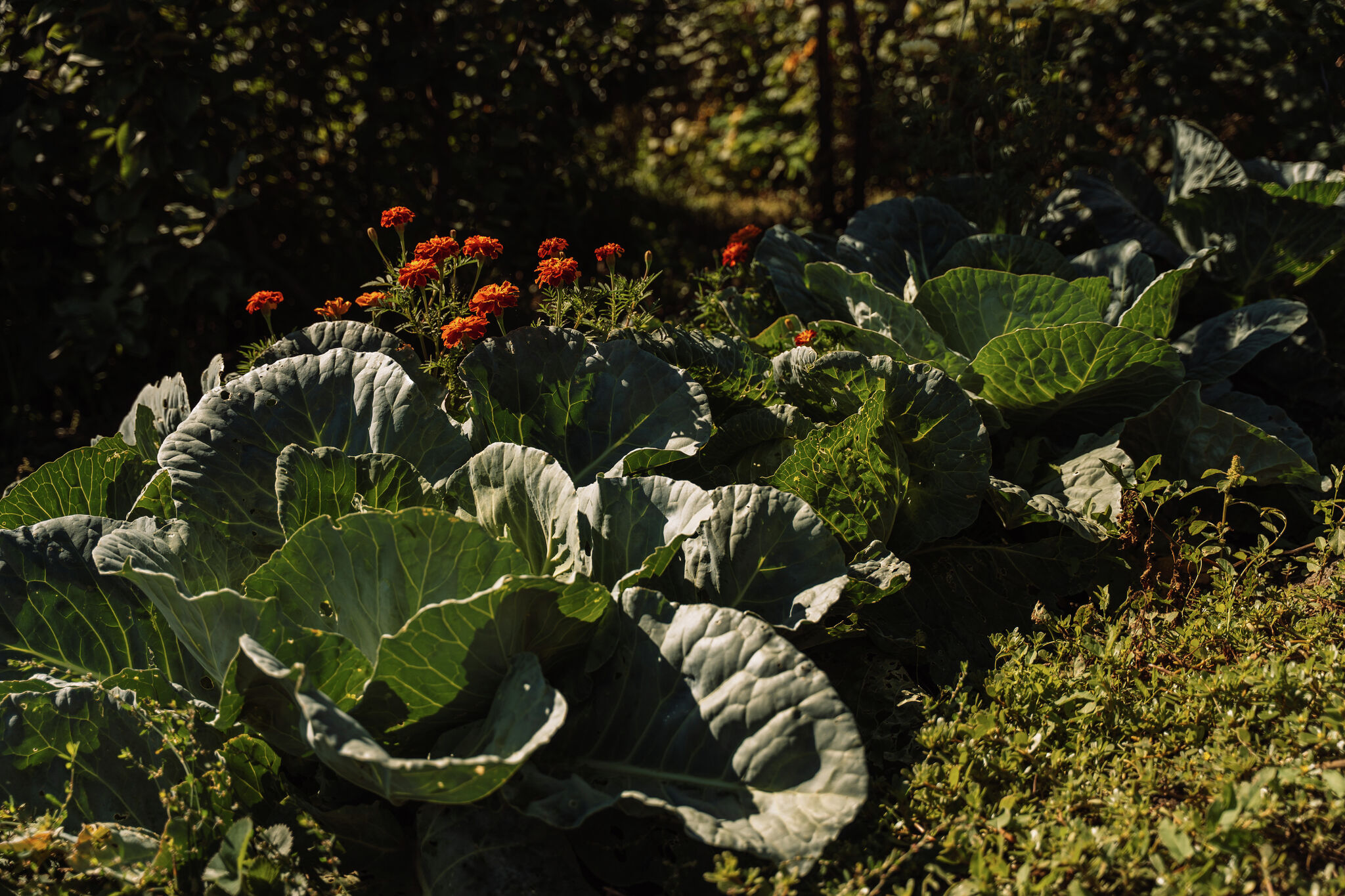
Designing a vegetable garden that supports pollinators has the potential to increase garden productivity and improve the ecology of the home landscape.
Anastassiya Bezhekeneva/Getty Images
Each spring, many of us get very excited about the abundant harvest we are going to enjoy from our vegetable gardens. We plan, then plant. We weed and water. And if all goes well, we harvest an abundance of nutritious and delicious produce.

In addition to carefully planning what to plant, when to plant it, and how many plants or feet are needed in a row, maximize garden success by considering garden helpers … in particular, pollinators.
Article continues below this ad
In a vegetable garden, planning to support beneficial insect populations can result in higher crop yields and create a more resilient garden ecosystem. Incorporating pollinator habitat into a landscape means creating spaces for shelter, reproduction, protection from predation, water, and a food source … think flowers.
Many popular garden crops require insect pollination to produce fruit. An example of popular garden species that require insect pollination are members of the cucurbit family (cucumbers, squash, zucchini, pumpkins, and melons) due to each plant producing separate male and female flowers. These flowers are known as imperfect flowers because they produce either pollen on the stamen or pistils that require pollen fertilization. Without the transfer of pollen grains from male flowers to female flowers, fruit will not develop. The heavy pollen grains rely on animals for transport.
Food crops that produce perfect flowers, or those that contain both male and female reproductive structures benefit from or require the presence of pollinators in the garden. While visiting flowers, some native bees contribute to buzz pollination, a specialized technique in which bees vibrate their bodies, which shakes tightly held pollen free, promoting pollination. Popular garden species that benefit from buzz pollination include tomatoes, peppers, eggplant, and tomatillos.
When choosing flowers for the purpose of attracting pollinators, plant a variety of species. Consider the shape of the flower blooms, floral color, and bloom season to ensure beneficial insects have essential nectar and pollen resources throughout the growing season.
Article continues below this ad
Providing a diversity of bloom shapes helps ensure a variety of pollinators can utilize the flower resources. Open face blooms such as zinnia, sunflowers, and cosmos provide a landing pad for insects. Tubular-shaped flowers like salvia, foxglove, nasturtium, and snapdragon to appeal to pollinators with long tongues. Night-blooming flowers benefit pollinators that emerge during low-light periods, such as moths. Examples of night-blooming species include four-o’clocks, evening primrose, and moonflower.
In addition to flower form, flower color influences the visibility of the flower to pollinators. Insects perceive color differently from humans, and some colors are more visible to pollinators than others. Bees can perceive yellow and white, are highly attracted to blue and purple, and can see ultraviolet light that is imperceptible to humans, but cannot see the color red. Butterflies can see red, orange, yellow, pink, and blue. Moths are active during low light hours and are most attracted to light colored flowers that are open during nighttime hours.
To fully support pollinators in the garden, provide resources that meet other life-sustaining needs, too. A shallow dish or a bird bath provides access to necessary water. Add stones to dishes that are deep as a landing pad for small pollinators.
Include non-flowering plants that serve as larval food and/or protection from predators. Herbs are great options for habitat because many of the leaves are consumed by caterpillars and, if allowed to bloom, provide pollen and nectar for adults. Dill, parsley, carrot leaves, and thyme are great starter herbs that add pollinator habitat.
Article continues below this ad
Garden management that supports pollinators relies on integrated pest management practices that reduce or eliminate pesticides. Inspecting garden crops regularly helps gardeners respond quickly when necessary. Physical or cultural control methods are often management options when pest populations are small.
Preservation of soil health helps support resilient plants that are more tolerant of pests and stresses. Support soil health by conducting a soil test to understand fertility, incorporating compost as needed, using mulches to protect soil from erosion and moisture loss, and using reduced tillage methods to preserve soil structure. Reduced tillage methods also preserve crucial nesting sites for native bee species.
Designing a vegetable garden that supports pollinators has the potential to increase garden productivity and improve the ecology of the home landscape. Insects play an essential role in pollinating many popular garden crops. By incorporating a diverse range of flowering plants into a landscape and management practices that promote population growth of beneficial insects, yields can increase, and a more resilient garden is created.
Comments are closed.