
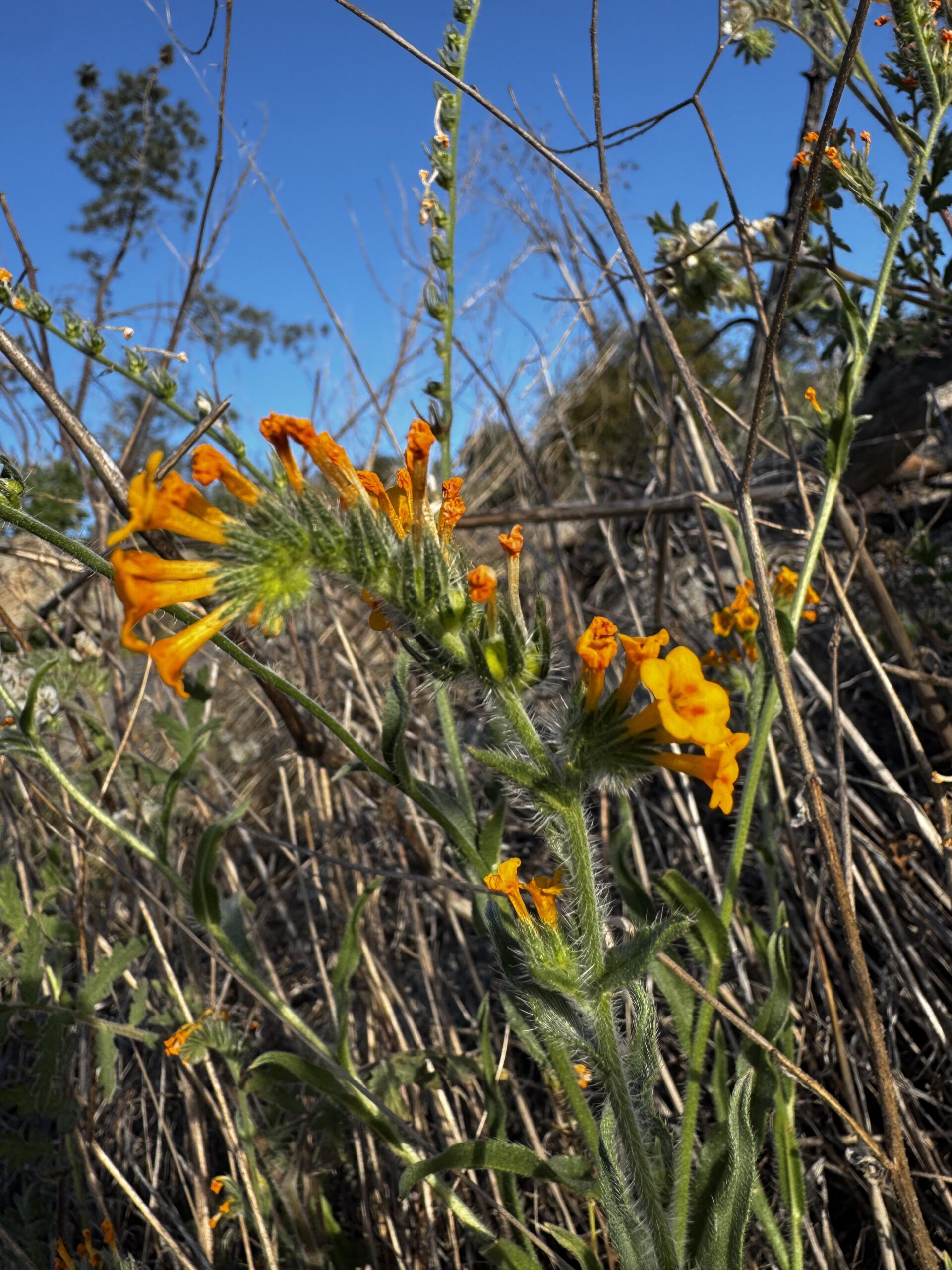
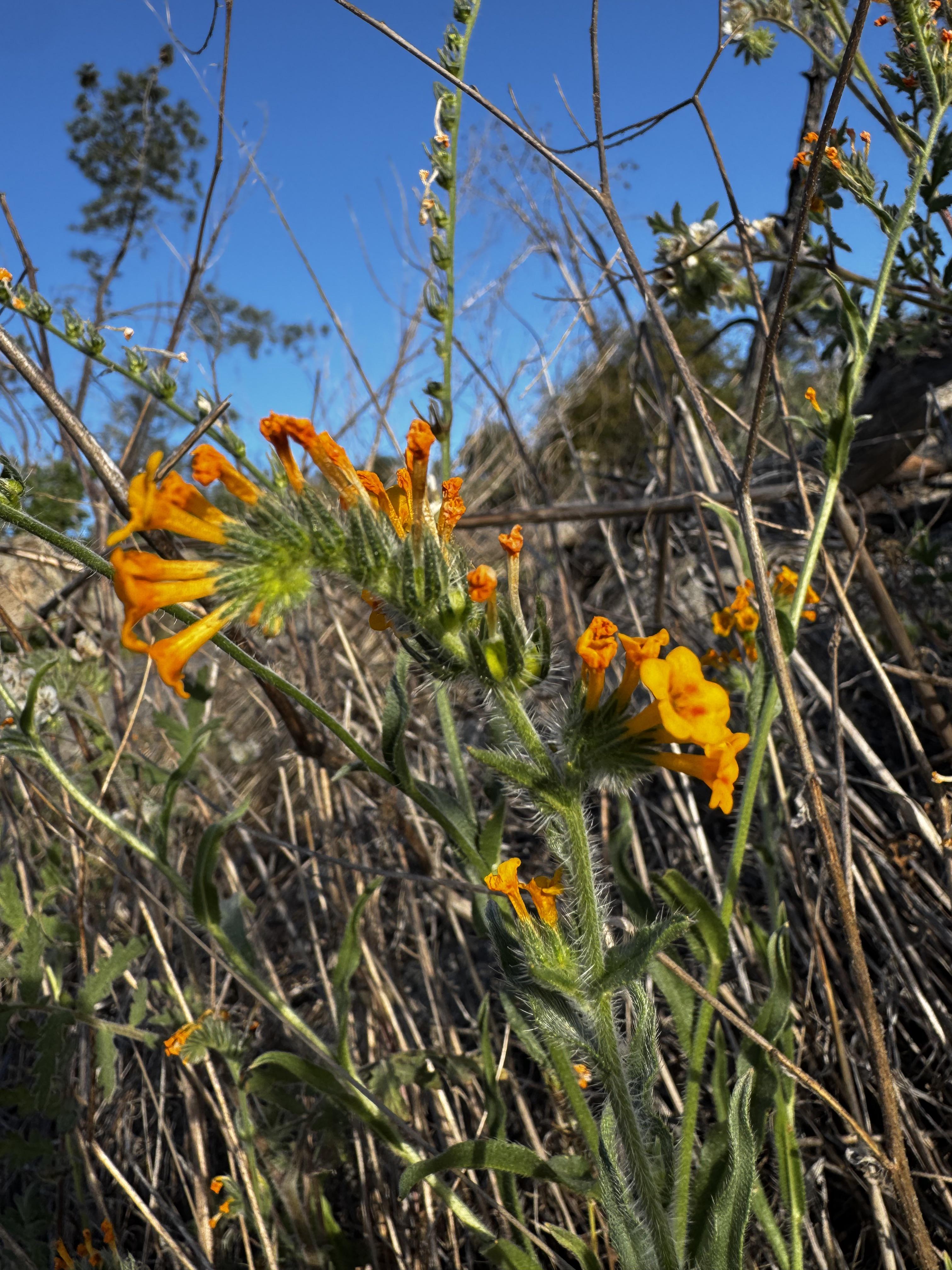
Hi all, I’m a graduate researcher working on bee-plant interactions and need to collect ~10 mg of pollen per flower species from the three most abundant species at my field site.
So far, I’ve experimented with a few approaches:
•Anther collection + processing: Collected anthers and tried vortexing and centrifuging, but results were inconsistent and yielded less pollen than expected

•In-field brush collection: Using paint brushes has been the most reliable so far, but it’s incredibly time-consuming, especially for tiny flowers like Amsinckia
The brush method works, but as a grad student on a tight timeline (and tighter budget), I’m looking for something more efficient.
My questions:
•Has anyone optimized pollen collection for small-flowered species?

•Are there better processing methods for anthers that actually yield decent quantities- such as drying?

•Any tricks for speeding up brush collection?
I’m open to whatever works and low-tech solutions are totally fine! Any suggestions appreciated. Thank you for your time 😀
by Most-Ear8617
1 Comment
This is Amsinckia right? Maybe try processing by drying the whole cyme and then tapping each flower into a vial? Could also do the cocaine method, tap them on a clean sheet of glass and then razor blade the pollen into piles. You picked a hell of a genus to collect from, haha