
 4 min read
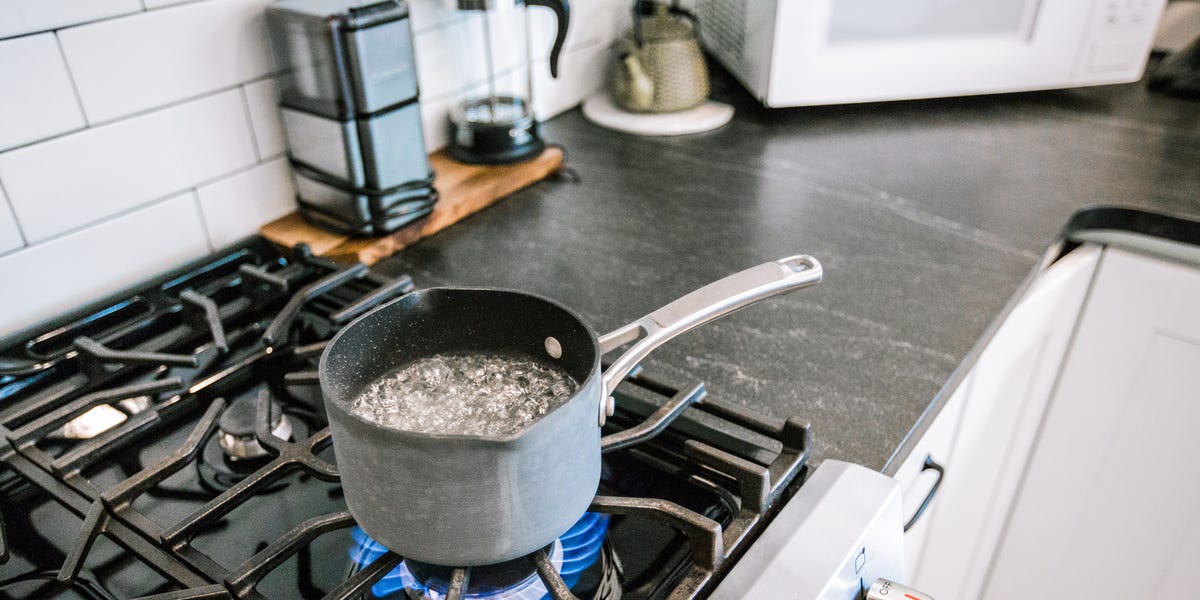
If you’re looking for a way to kill weeds without using chemicals, you may have heard that a good drenching with boiling water will do the job. This advice is everywhere on social media, with people showing how the weeds wilt immediately after getting hit with hot water.
Boiling water is something we all have access to, so it seems like a cheap, easy solution for getting rid of weeds. “We’re all looking for something that’s highly effective and very safe,” says Jeff Gillman, PhD, director of UNC Charlotte Botanical Gardens. “Hot water kills the top of the plant quickly, so it appears to be very effective, and we think of it as safe.”
But, realistically, carrying a kettle or pot of boiling water around your yard isn’t practical. “It requires energy to produce the boiling water,” says Stephanie Rose, garden blogger and author of The Regenerative Garden and The Wild & Free Garden. “And the water cools down immediately once it hits the soil.”
Most importantly, it’s not as “safe” as you think. If the water is hot enough to wilt plants, then it’s hot enough to cause second- or third-degree burns if you splash yourself, says Gillman.
When it comes to its long-term effectiveness, that’s another issue altogether. “Hot water only affects the plant tissue it touches but does not move systemically through the plant,” says Clint Waltz, PhD, turfgrass researcher and extension specialist at the University of Georgia. “The roots are still there, and, depending on the size and type of weed, it may start pushing new growth in a week or so.”
Before you start boiling a kettle of water to do battle with your weeds, read on:
© eleonora galli//Getty Images
Does Boiling Water Kill Weeds?
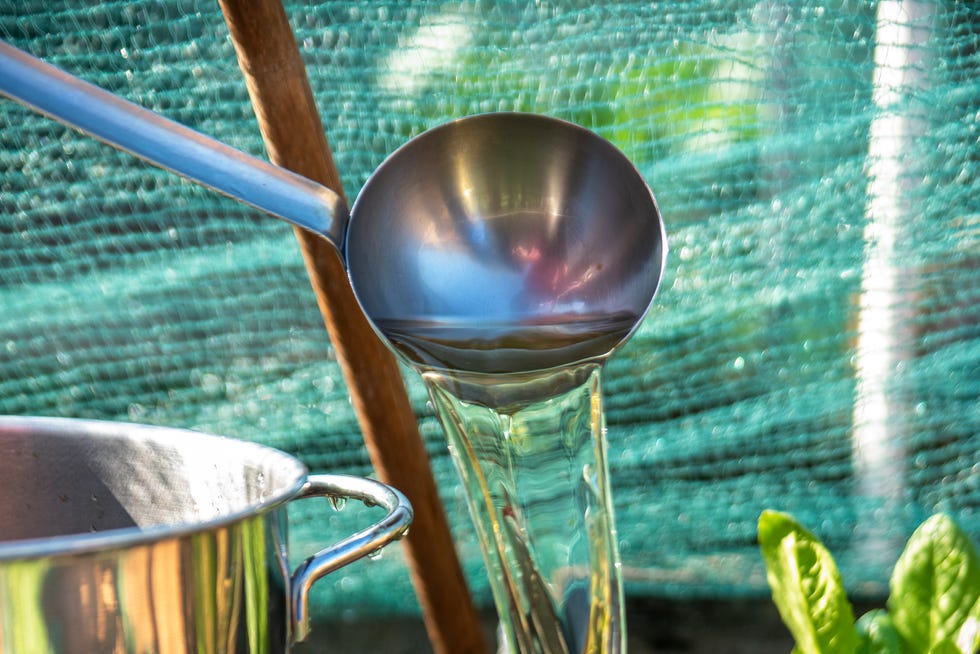
The short answer is “no.” While boiling or very hot water can harm the tops of weeds, you’re not impacting the roots. “Unless you have a cauldron, you are probably not going to be able to apply enough hot water to the ground to increase temperatures enough to kill roots under the surface of the soil,” says Gillman.
And that’s the real issue: The hot water harms only what you can see above ground. “While you may see a temporary effect on small annual weeds, a weed with a thicker leaf cuticle or a perennial such as dallisgrass is just going to be back,” says Waltz. Bottom line: Large weeds, perennial weeds, weeds with a deep taproot or well-established root system aren’t going to be killed.
Anna Mardo//Getty Images
Can You Use Boiling Water on Weeds in Your Lawn?
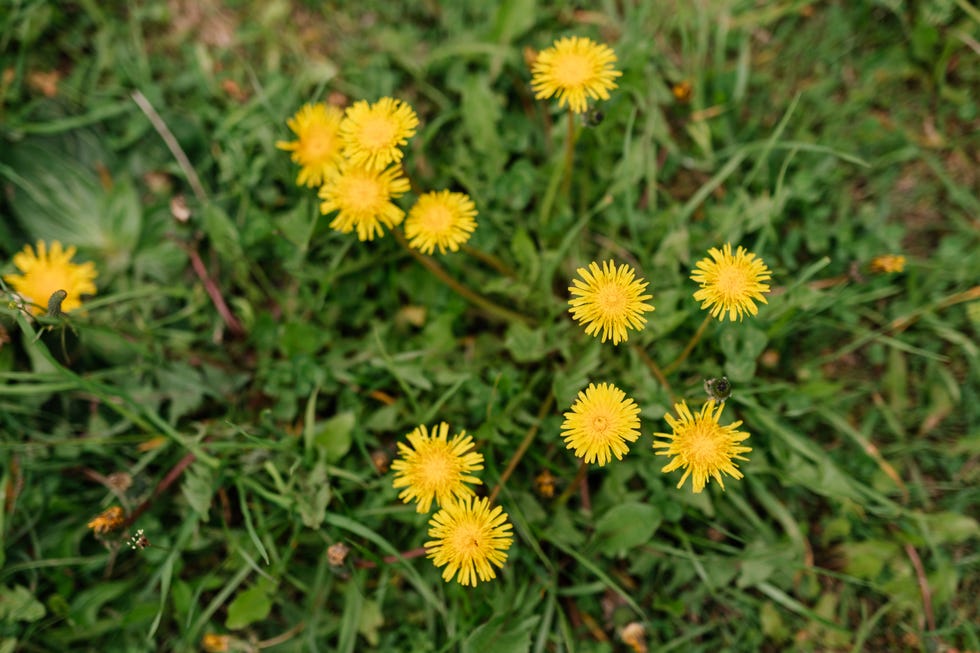
As you may have guessed, this is also a bad idea. “Hot water is nonselective, meaning it will hit both desirable and non-desirable plants,” says Waltz. So, while you’re focused on dousing the dandelion you want to kill, you’re also damaging adjacent turfgrass.
William Andrew//Getty Images
Can You Use Boiling Water on Weeds in Your Driveway?
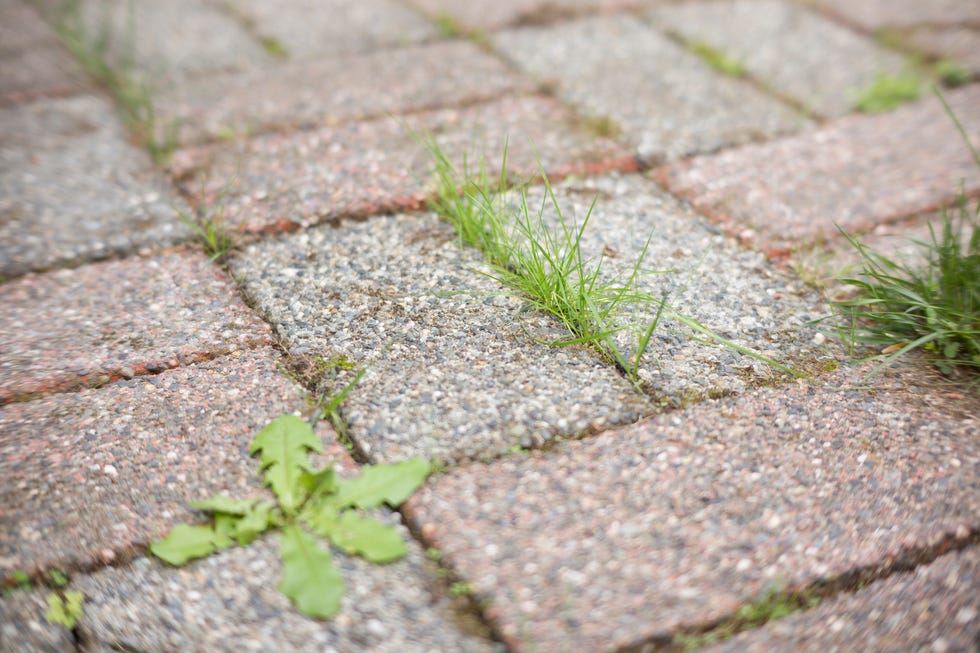
Maybe, depending on the size and type of weed. It may impact very small weeds in the cracks and crevices of drives or walks. But again, this is hot water and must be handled with care, says Gillman.
While you can give this method a try, be realistic and understand it’s a temporary fix. “Know what the scope and limitations of pouring hot water on a weed are,” says Waltz. “If you pour hot water on perennial weeds, such as bermudagrass, it’s going to knock it back temporarily. But it may grow back even thicker, now that you gave it some water.”
Non-Chemical Ways to Deal with Weeds that Do Work
If you are trying to eliminate weeds in your landscape, Rose suggests these low-impact suggestions that don’t involve chemicals or accidentally scalding yourself:
Ekaterina savyolova//Getty Images
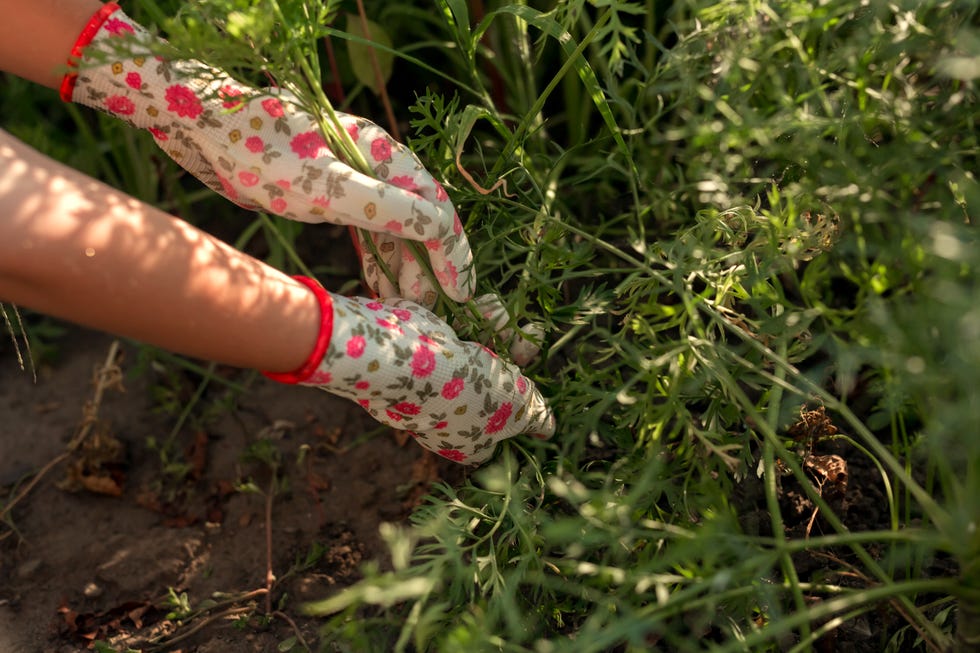
Dig them out.
This is the most effective way to remove the entire weed and its roots. Sure, it takes a little elbow grease, but it works.
Philippe Gerber//Getty Images
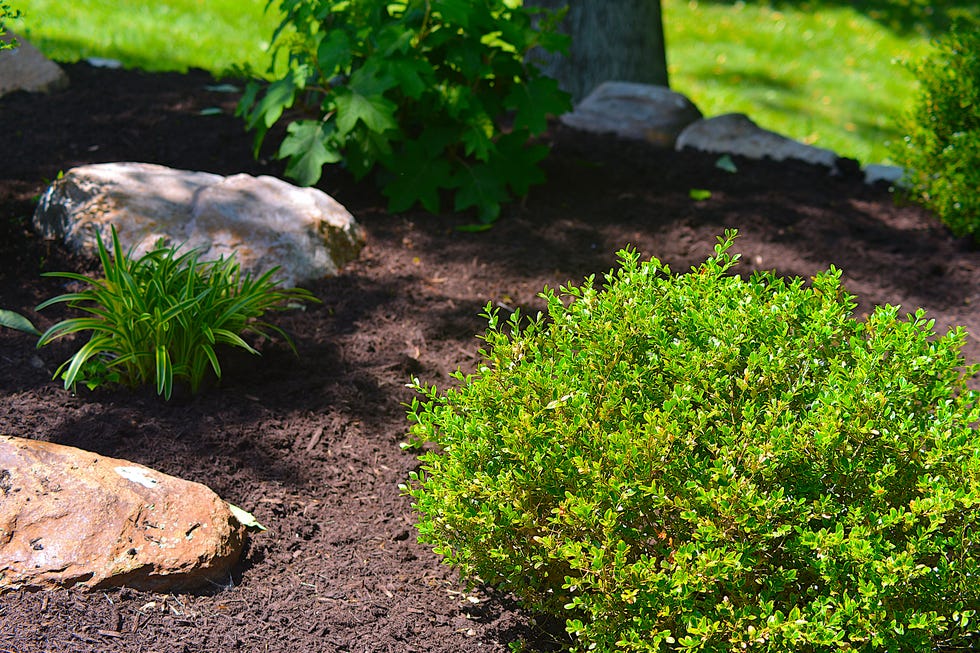
Use mulch.
Organic mulches keep down weeds, moderate soil temperature, and retain moisture. A two- to three-inch layer also makes it easy to pull any weeds that do pop up. Or try the “chop and drop” method, which means leaving end-of-season plant cuttings (though nothing that’s diseased or infested with insects) as mulch on the soil surface. This mimics how nature acts by recycling nutrients back to the plants.
Kinga Krzeminska//Getty Images
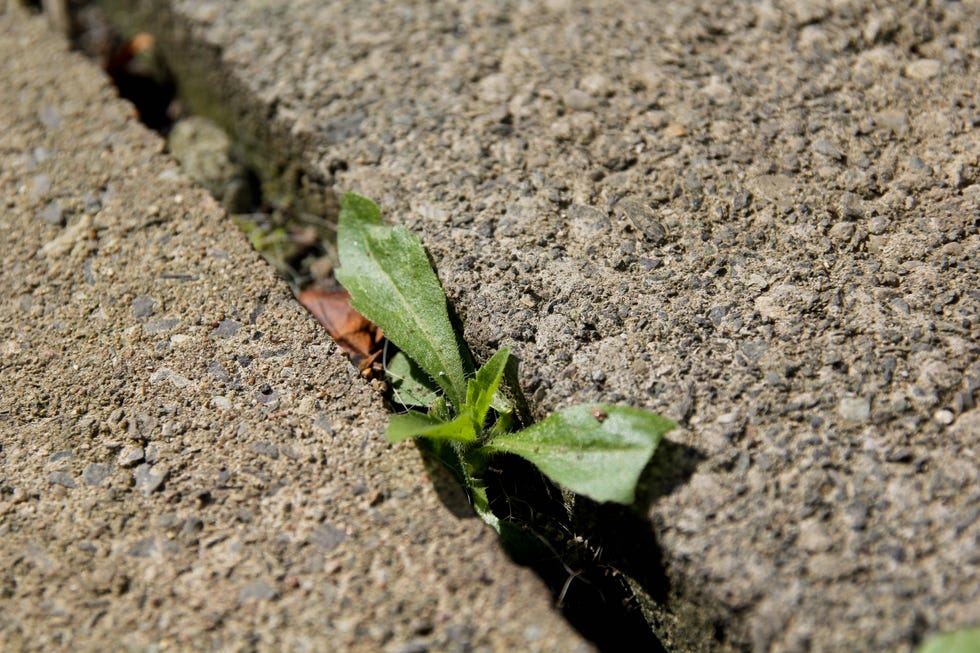
Weed often.
Make it a daily ritual to pull weeds as they appear. It’s much easier to get them when they’re tiny and before they go to seed to make more!
Mark Turner//Getty Images
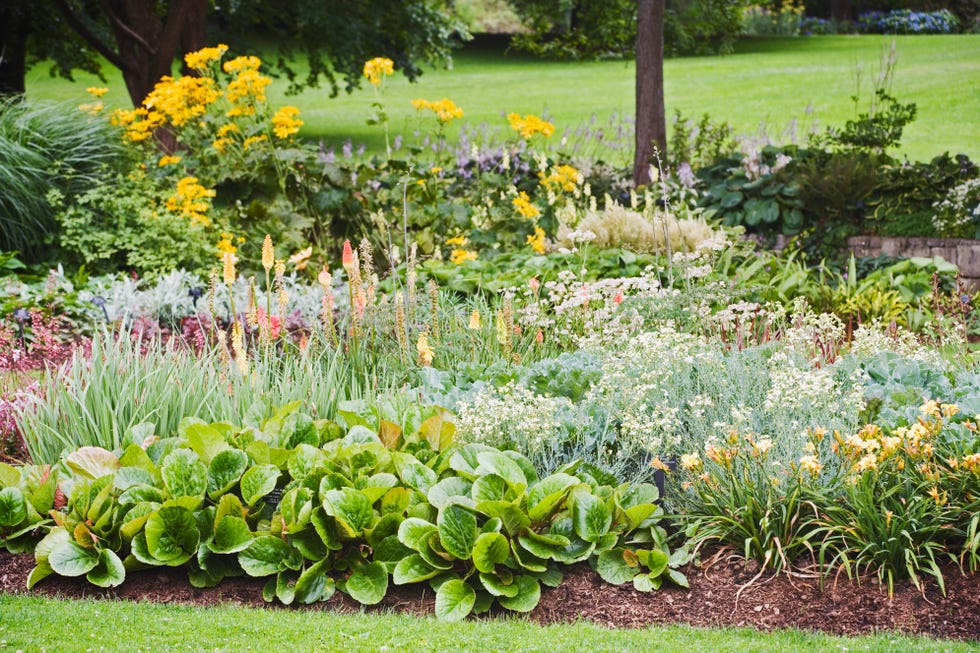
Plant closely together.
Fill in spaces with plants you do want, which reduces the area in which weeds can grow. This gardening technique has more of an old-fashioned cottage garden or naturalized garden feel, which is quite appealing.
Comments are closed.