
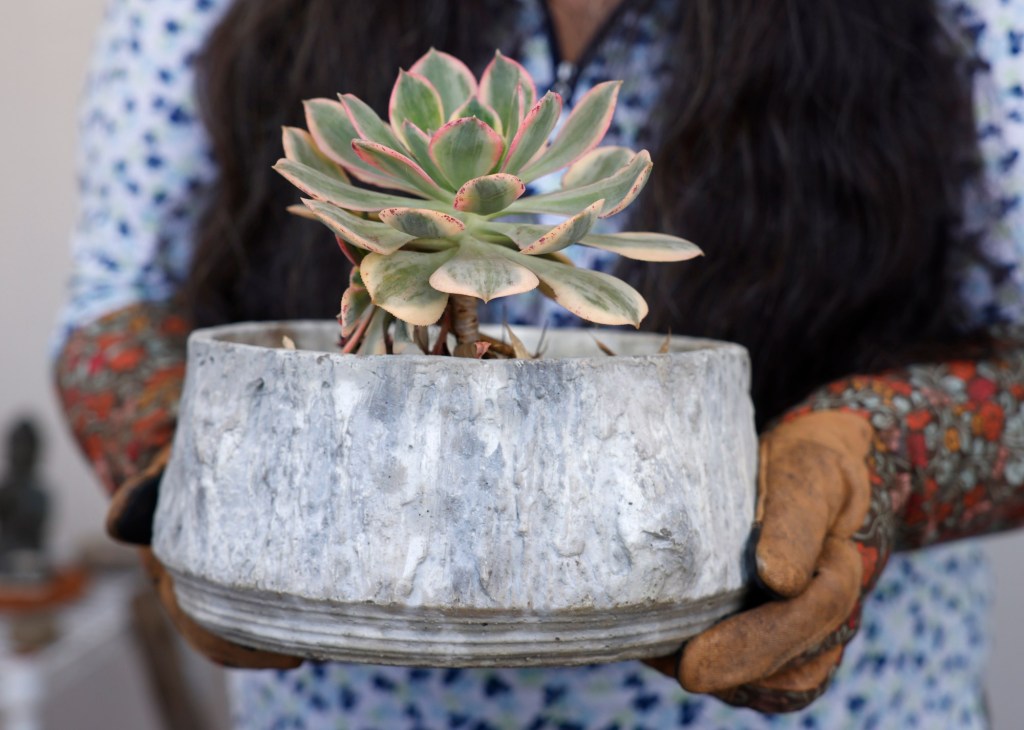
For The Union-Tribune
In North Clairemont, master gardener Skye Resendes has created an outdoor haven for herself. Her working garden is an escape from the pressures of her career as a civil attorney. And it’s not just filled with in-ground plants and trees, but also multitudes of plants and trees potted in a variety of types of containers.
Resendes started container gardening when she was in her 20s and didn’t have any soil to plant in. But she was determined to have a garden anyway.
“I had a full garden just of containers existing on one small 4-foot-by-4-foot landing and about 15 stairs,” she recalled. “I had a tree in a big pot, lots of small containers for succulents, some hanging items, and then I planted veg and sunflowers in pots all the way down the stairs. It was wild and grew well.”
That’s probably how many of us who were wannabe gardeners without ground to plant in started. No soil? No problem. Fill containers with plants.
As Resendes said, “There is no reason to not have a garden even if you are an apartment dweller. I want everyone to garden no matter where they are planted.”
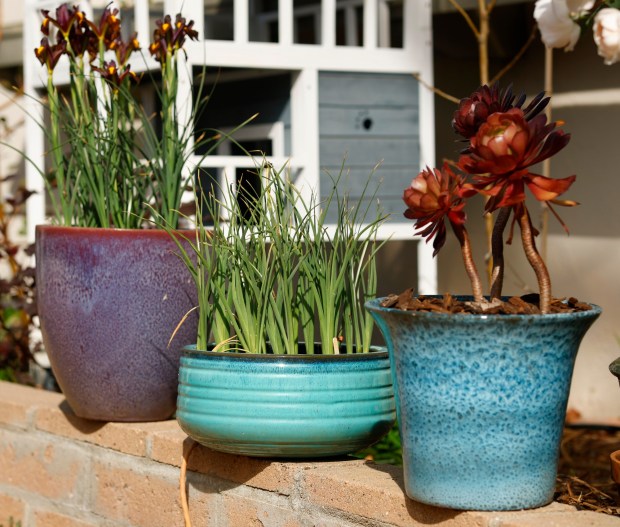 A ledge supports potted plants, from left: ‘Raptor Red’ iris, ‘Eye of the Tiger’ iris and Aeonium. (K.C. Alfred / The San Diego Union-Tribune)
Container advantages
But there are other reasons as well, even if you have ground for direct planting. Some plants — most notoriously, mint — are hugely invasive and will easily take over your garden. They literally require containment. There are the one-off bulbs that probably won’t naturalize. There are some vegetables, like potatoes, that are more easily harvested in one of Resendes’ favorite types of containers, felt pots. Or perhaps your sun exposure is greater on your patio than the in-ground garden around the corner of your house, and you really want to grow vegetables.
What she won’t grow in containers are plants that get too big too fast, like corn and most varieties of sunflowers. If the plants’ needs outpace what a container can offer, either skip it if you have no alternative or plant it directly in the ground.
Container gardens have additional benefits.
Leslie Crawford, a master gardener in Coronado who also does some garden consulting, listed some of their advantages.
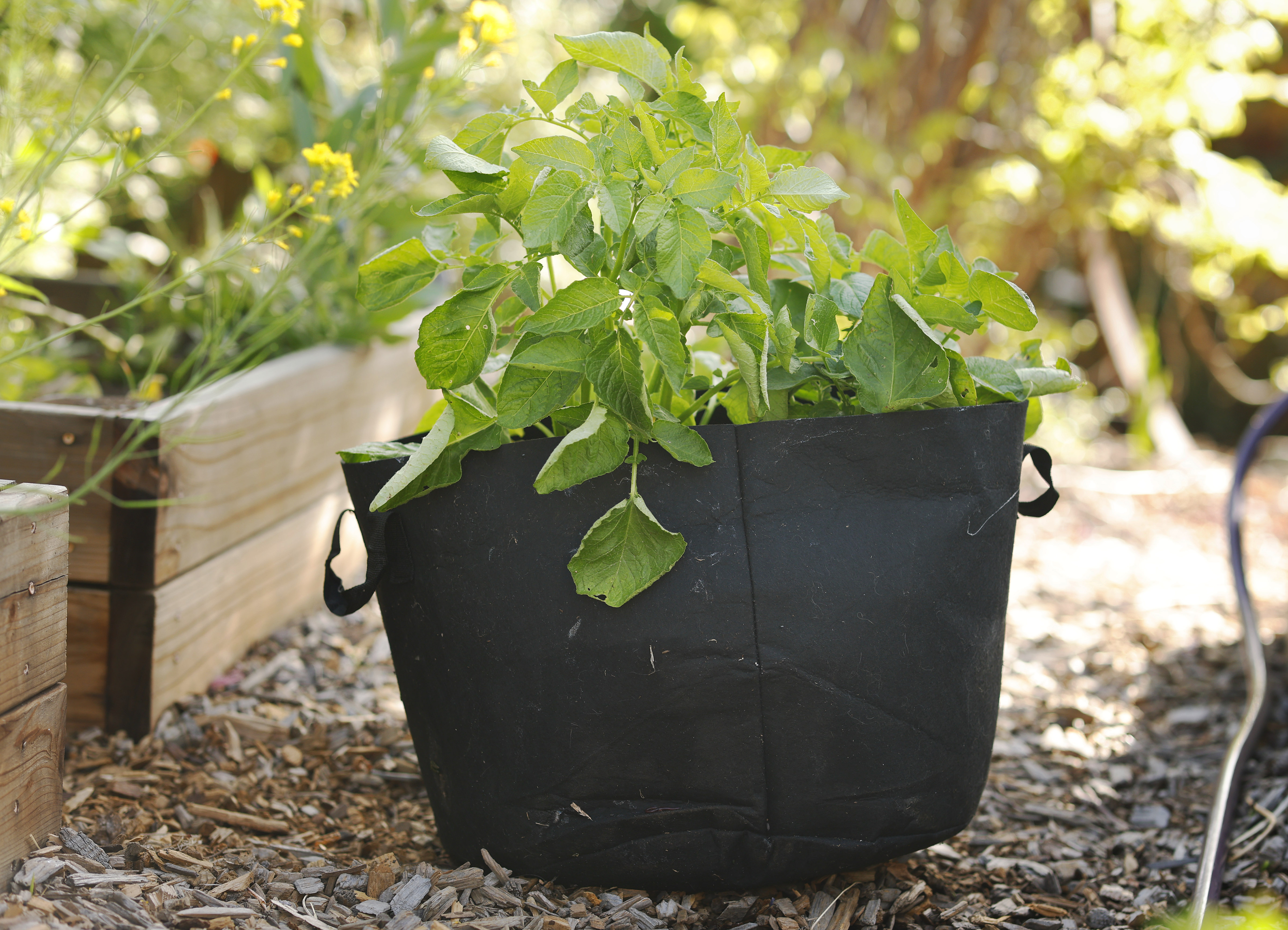
Russet Burbank potatoes grow in a felt bag, a lightweight fabric option that is portable. (K.C. Alfred / The San Diego Union-Tribune)
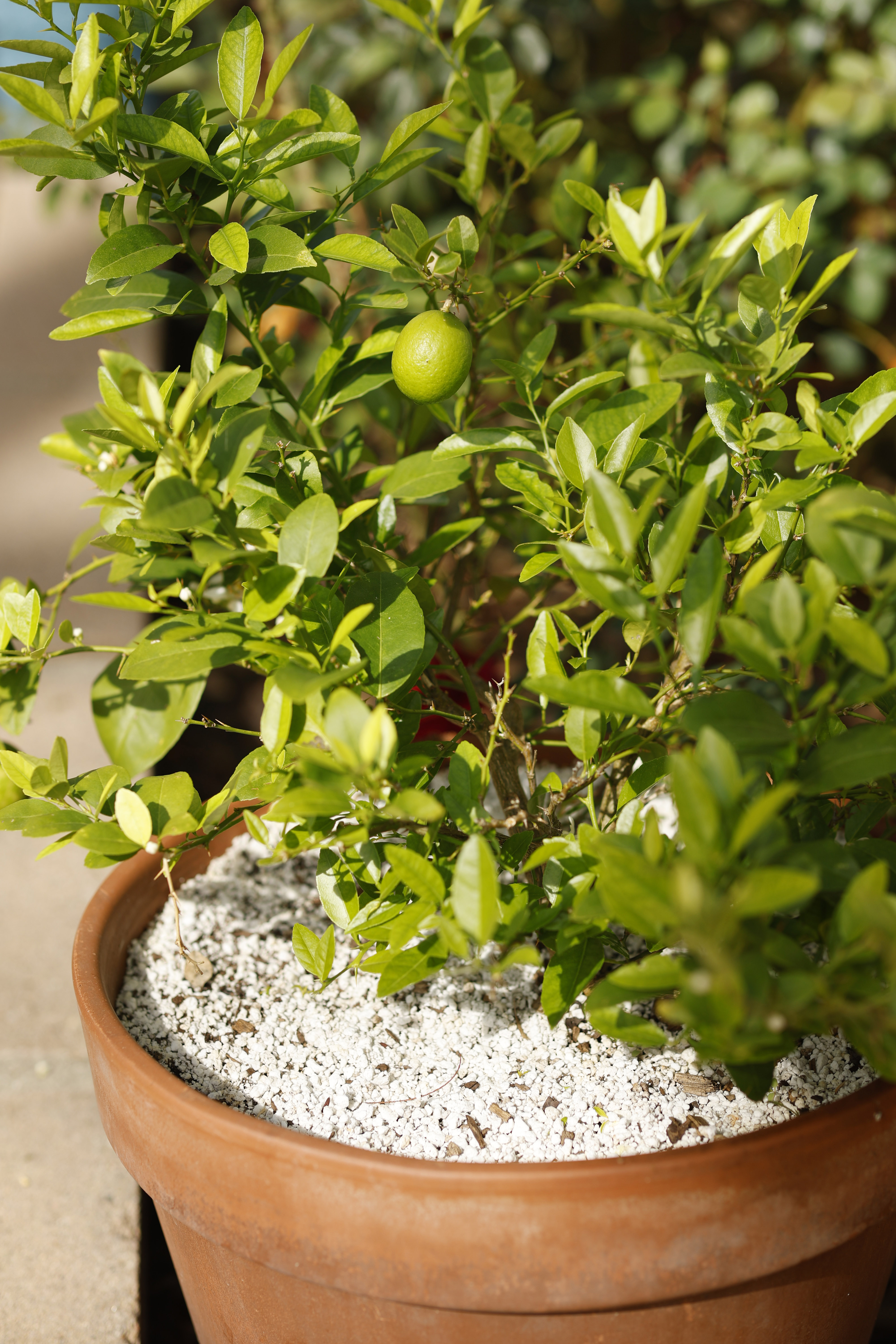
A potted lime tree. (K.C. Alfred / The San Diego Union-Tribune)

A potted purple sage. (K.C. Alfred / The San Diego Union-Tribune)
Show Caption
1 of 3
Russet Burbank potatoes grow in a felt bag, a lightweight fabric option that is portable. (K.C. Alfred / The San Diego Union-Tribune)
Expand
“You can really create themes with colors and shapes with the pots,” she said. “I’m always kind of trying to figure out how to make things interesting. They’re easy to maintain and change. So if one pot really needs a whole new workover, you’re not having to completely redo the garden. You can just focus on that one pot.
“You can have a wider breadth of things in a certain area to grow, because you might have one pot that has succulents so it doesn’t need much water, but then you might have another pot with a plant that has higher watering needs, and then you can put soils in specific to that plant’s needs.”
Containers, she added, can let you create visual layers and textures. You can literally elevate your garden by using pots. You can also experiment with placement with pots, something that’s harder to do with in-ground planting.
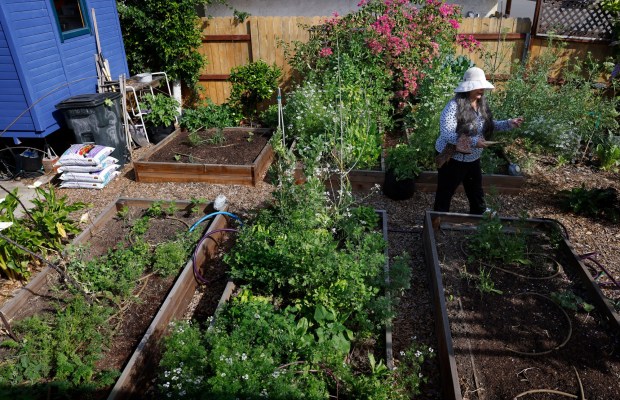 Raised garden beds are filled with vegetables and other plants in Skye Resendes’ backyard. She says she fell in love with containers in her 20s. (K.C. Alfred / The San Diego Union-Tribune)
And container gardening can be a solution for people who want to continue gardening but no longer have the mobility to garden at ground level. Placing containers of plants on stands, in elevated raised beds or on a fence or wall can facilitate gardening. Resendes collects old metal or plastic open-tiered storage units, like ones you’d use in a bathroom, to place random plants. The benefit to that is also that she can water the top plants and the flow from the drainage holes waters the plants below.
That’s a version of what Resendes called going vertical — a great idea for small spaces. And it’s not just tiered units that allow you to have multiple plants in one space. It could mean hanging plants up and down walls and fences using vertical plant pockets or “garden-wall bags.” Or finding tall plants or small trees that will thrive in a large pot in the right exposure. Or growing a vine in a container and training it up a wall or fence. It can make a small space feel larger and lush, she said.
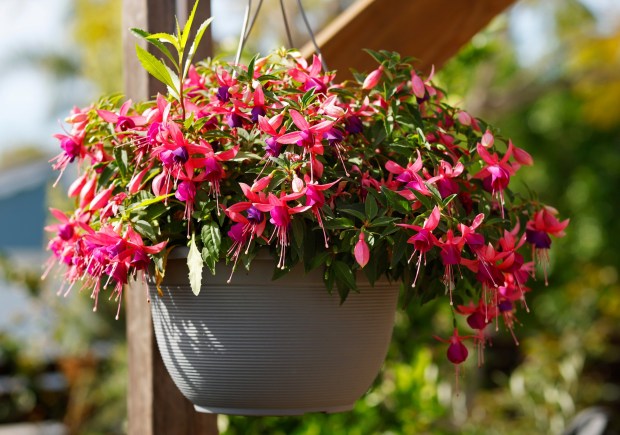 Hanging pots make use of vertical space in a container garden. One popular plant choice is fuchsias. (K.C. Alfred / The San Diego Union-Tribune)
Finally, you can use pots with the right plants, like vines, trained on a trellis to create privacy, something that could be valuable if you live in an apartment building lined with balconies or even a home with fencing open to next-door neighbors or the street.
Be sure, of course, if you live in an apartment or within an HOA, that you’re allowed to have a container garden in places like balconies or patios.
Container gardening, though, does take some thought. You need to consider the type of plants you have or want to plant. That can help you identify the best types and sizes of pots for them as well as the soil. And like with any garden, you have to identify sun exposure and select plants that will thrive in that light.
Also, if you have pets that can be outside in your garden, you need to make sure you select plants that aren’t toxic. The ASPCA has a pretty comprehensive online list (aspca.org/pet-care/aspca-poison-control/toxic-and-non-toxic-plants).
Container types
Let’s talk about container materials. Terra cotta is popular, but the plants that thrive in terra cotta will be dry-loving plants.
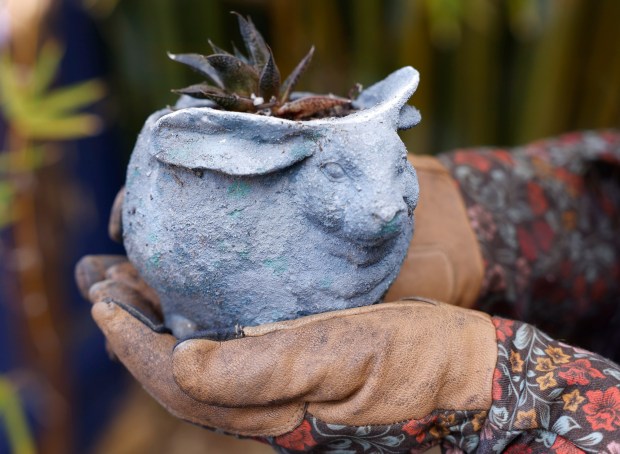 Finding unusual pots can be a part of the fun of a container garden, like this whimsical one housing a Haworthia. (K.C. Alfred / The San Diego Union-Tribune)
Resendes, for instance, grows olive trees in terra cotta pots and they’re very happy and healthy. She has a small Mexican lime tree in a terra cotta pot that’s doing well because it is small. Citrus, on the other hand, can only be potted in a terra cotta pot for a limited time as young plants. Once they start growing, they’re better suited for in-ground life. Herbs, too, dry out too quickly in our warm, usually rainless weather.
However, that’s not as true for glazed terra cotta pots. The glaze will keep the soil from drying out as quickly. Herbs work in glazed terra cotta pots as do some vegetables, bulbs and succulents.
Then there are nursery plastic pots — or faux terra cotta and other plastic pots. They do better keeping the moisture in, except, as Resendes noted, for black plastic pots, which are hotter for plant roots. But, noted Crawford, any plastic pots in the sun will dry out very quickly, too.
One of Resendes’ favorite choices is felt bags, which she said are wonderful for plants of all types.
“By felt I mean truly fabric bags and not plastic-type bags,” explained Resendes. “Plastic or woven bags will degrade in one season. And then you’ll be picking up tiny bits of plastic everywhere. They are not a good choice for our sunny climate. Instead, stick with good quality felt bags. The are said to naturally air prune roots and avoid circling; they also avoid overwatering issues since they dry out well.”
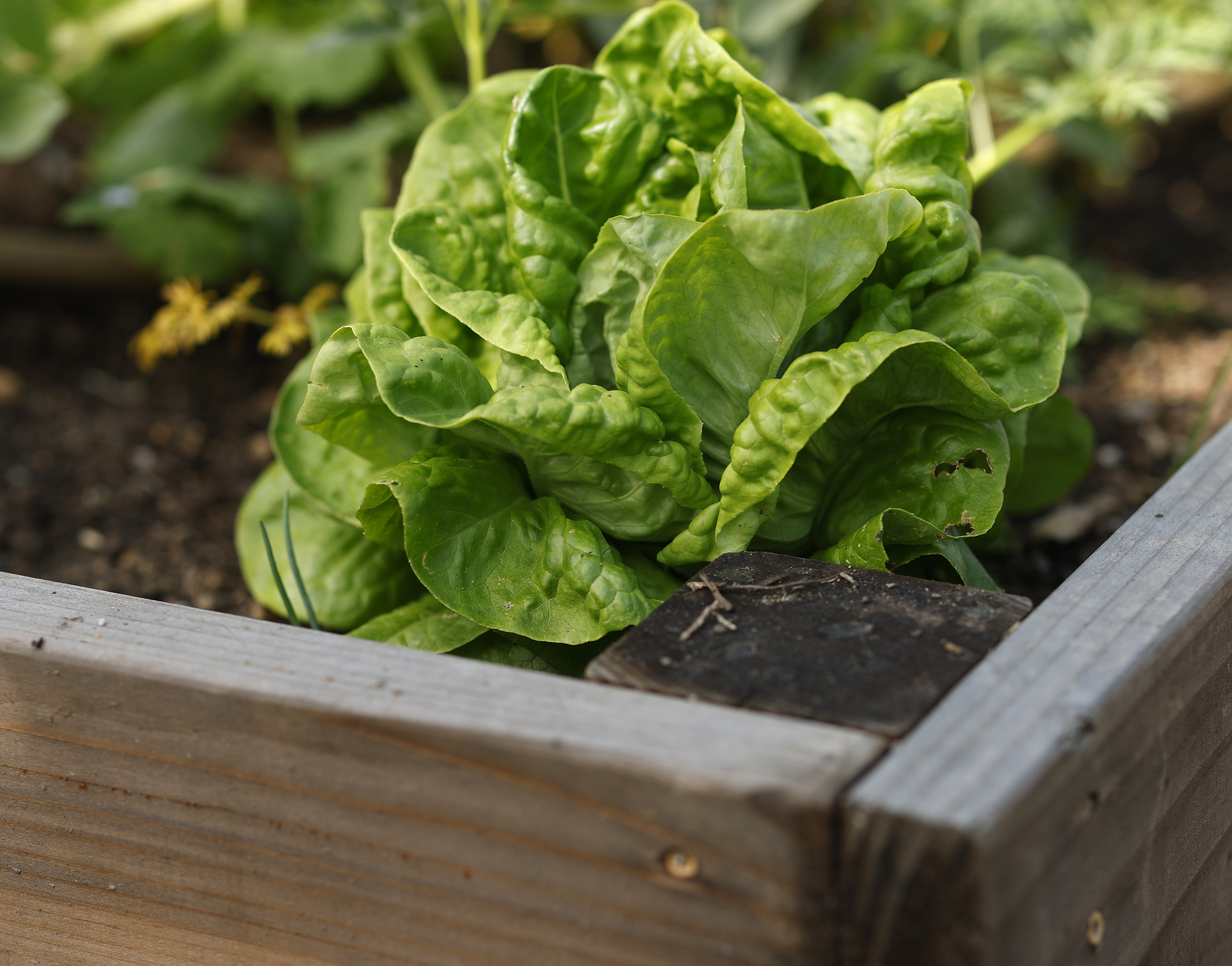
Lettuce grows in a raised garden bed, another form of container that can sit above ground or be raised on legs to provide easier access for those with mobility issues. (K.C. Alfred / The San Diego Union-Tribune)
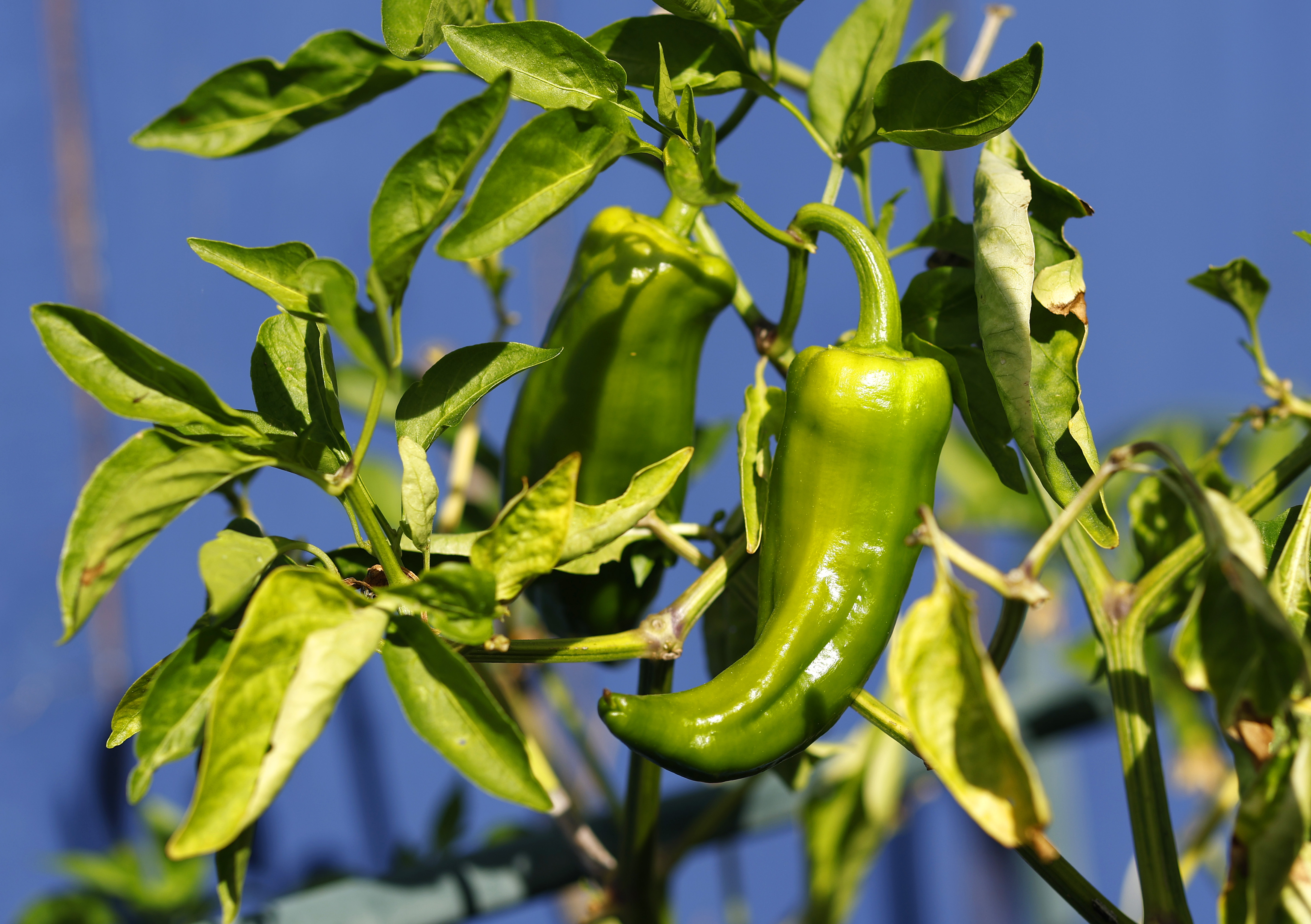
Corno di Toro peppers grown in a raised bed. (K.C. Alfred / The San Diego Union-Tribune)
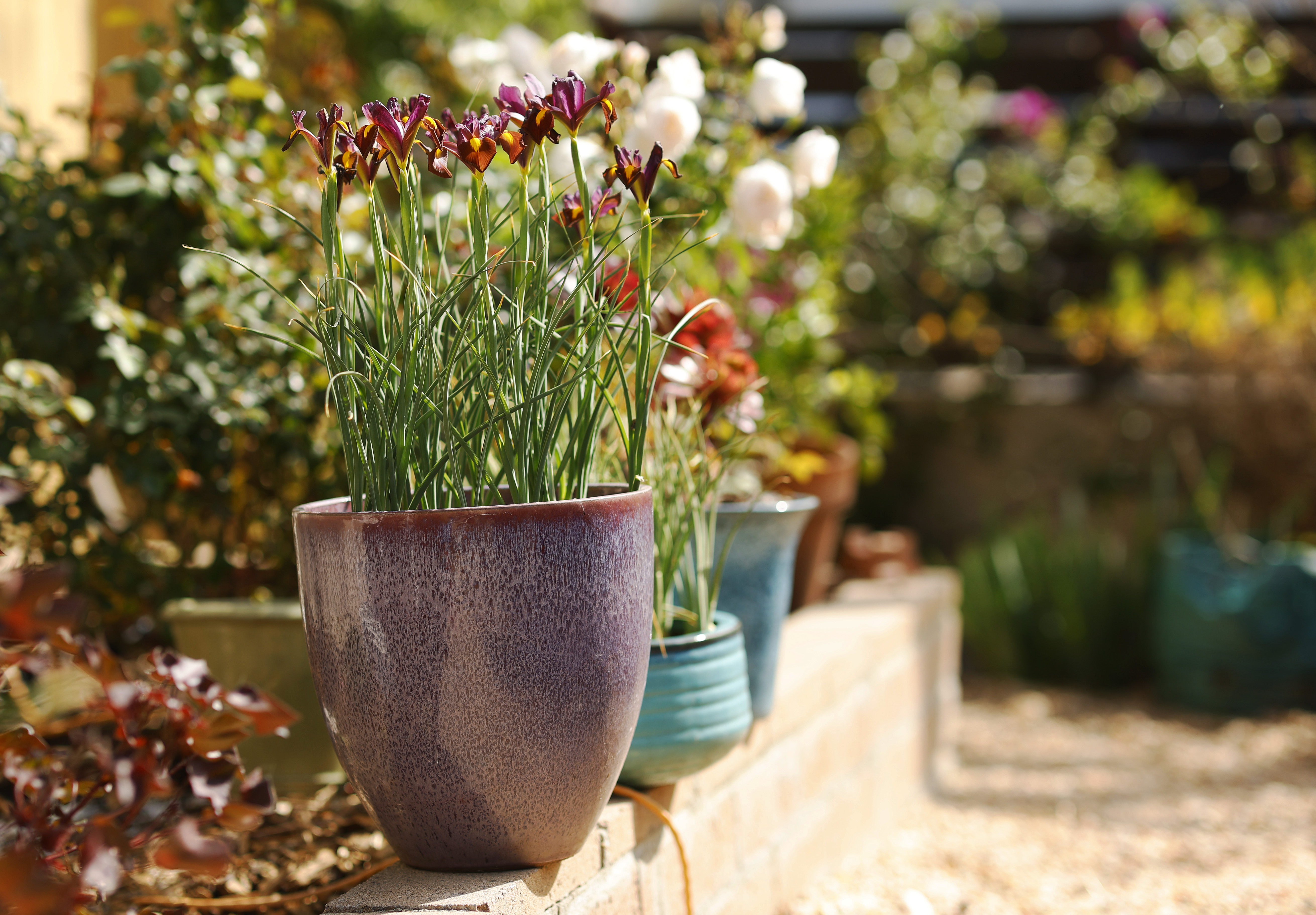
Potted plants perched along ledges add splashes of color. (K.C. Alfred / The San Diego Union-Tribune)
Show Caption
1 of 3
Lettuce grows in a raised garden bed, another form of container that can sit above ground or be raised on legs to provide easier access for those with mobility issues. (K.C. Alfred / The San Diego Union-Tribune)
Expand
The bags, which are easily found on Amazon, Walmart and Epic Gardening, to name just a few, come in a variety of sizes, from 5 gallons to 15 or even 35. Resendes generally uses her felt pots for vegetable gardening and suggested looking for those with handles. They’ll be easier to move and turn over when the vegetables are done. But she thinks they’d be great for small trees, shrubs and flowers. Most of the bags sold on Amazon seem to be black. In that case, place the bag and plant in a spot where the roots are more shaded while the top is in full sun. You don’t want the roots to burn. And, if you’re using them for vegetables, once you empty the bag, you can fold them up and store them for the season.
Another option is raised beds. They come in a range of sizes and materials. Some sit on the ground, while others can stand on legs. You can find them made of wood — like natural cedar, redwood and pine — or metal, concrete blocks or stone. You can make them yourself or find premade beds everywhere from Epic Gardening, Ikea and Wayfair to big box stores and nurseries.
As for where to find these different pots, Crawford likes Planter Paradise in El Cajon as well as Armstrong Garden Centers and Home Goods. Resendes is partial to Walter Andersen Nursery. Other options include Madd Potter in Encinitas and Fallbrook, Terra Bella Nursery and Landscapes West.
And don’t forget that you can hang plants in containers or baskets designed for that purpose. That opens up a whole range of possibilities for variety — perhaps fuchsias can hang under a shady pergola or beam while a plant with higher sun exposure needs can sit nearby to catch the rays.
Watering needs
One potential solution to alleviating dried pot soil, said Crawford, is using an oya. Oyas are unglazed watering pots made from porous clay that are placed into the soil — whether in the ground or a pot — and you can find them online or at nurseries. You bury the oya in the soil with the top sticking up above ground, fill with water and seal with a stopper. The water slowly seeps through the clay directly to the plant’s roots. Consequently, you don’t have to water plants as frequently.
Otherwise, you’ll need to hand water or, if possible place drip lines into pots. How much depends on the temperature/time of year and the types of plants. Vegetables and flowers will need more water than succulents or other drought-tolerant plants, for example. We tend to overwater since, as Crawford said, “it’s so zen to be out watering the garden.” But she added, “It’s amazing how much less water most plants can take or need.” Some plants go into dormancy and don’t need much if any water. Others will suffer during heat waves and need temporary special attention. In general, do a little research on your plants to learn best practices for watering.
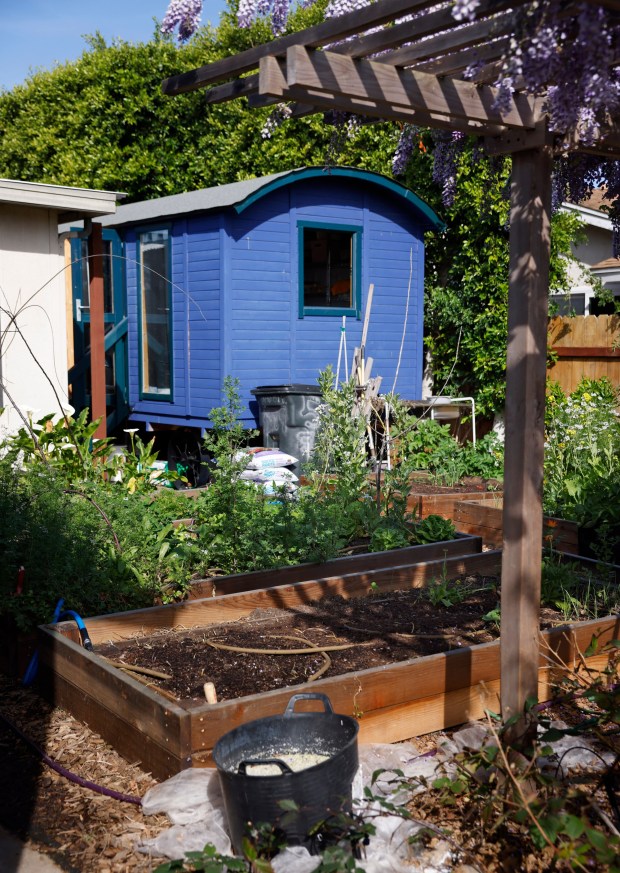 Raised garden beds are are filled with plants and vegetables in the Resendes’ backyard. (K.C. Alfred / The San Diego Union-Tribune)
Container suitability
Then there’s pot size, which is very important. Your intuition may tell you to place a small plant that will grow large into a giant container, so you don’t have to transplant it later. But, said Resendes, the moisture to soil to root ration will be too wet. You don’t want saturation; you want moistness like a “wrung out sponge.” So the size should fit the plant. Not sure how to match plant with pot? Ask for advice at your nursery. Just know that eventually you’ll need to transplant it to something appropriately larger.
What comes first? The container or the plant? You may see advice to pick the plant, then the appropriate container. But part of the fun of container gardening is having the thrill of finding a container you love — maybe in a nursery, but maybe a garage/estate sale or on Etsy or some other venue. There’s nothing saying you can’t have the joy of finding a new pot and then identifying a plant just perfect for it. Just make sure it has drainage holes at the bottom.
Crawford told me of a client who found a variety of pots in vintage stores that she’s used for herbs. Some she planted together, which Crawford knew weren’t compatible.
“I’m now taking some of the things that are incompatible, putting them in smaller pots, and then placing them in in the bigger pot, so that she still has everything together,” Crawford explained.
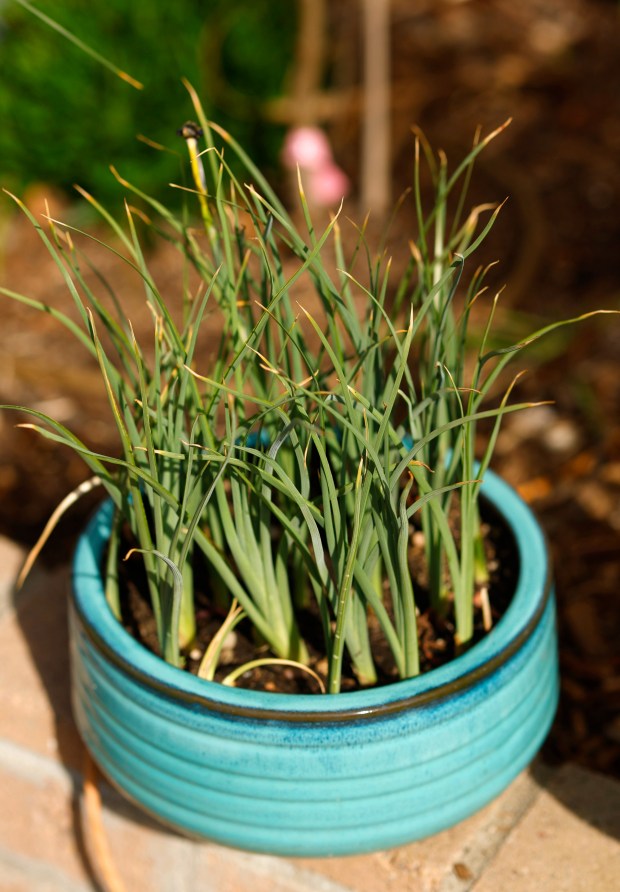 A potted ‘Eye of the Tiger’ iris. (K.C. Alfred / The San Diego Union-Tribune)
If you’re wondering what kind of soil is best for container gardening, use only “potting soil” as opposed to garden soil in bags, which will retain too much water. Potting soil has materials like perlite, volcanic rock and coir, said Resendes. They provide the essential drainage container plants need. Leave about an inch at the top to make room for watering. She suggested also covering the top of the soil for long-term plants to keep the soil from rising to the surface when watering, keep the roots cool and prevent rapid moisture loss. Perlite is a great cover that does all those things plus reduces weed intrusion.
Also, be sure you feed your plants. Since they’re confined, they’re not getting any soil nutrients as they would in the ground — in fact, you wash some away when you water. Targeted food for certain types of plants is good, as is fish emulsion or seaweed feed. Resendes advocated using Mission Fertilizer 3-1-2 (3 parts nitrogen, 1 part phosphorus, 2 parts potassium).
“It’s relatively inexpensive to buy it dried,” she explained. “You dissolve the dry mixture into a gallon container and use a very small amount of that into each water batch.”
As gardeners know all too well, you do your best and sometimes plants fail. And that’s just as true with container gardening.
“It’s always a mystery,” said Crawford. “I just tell people, it’s not you. If you have a container that doesn’t do well, it’s not you. It’s just something has to change. And that’s part of the learning curve and the experimentation.”
Comments are closed.