
We love plants that thrive without a lot of care, but some plants take it too far. Many perennials that have been popular for years actually will overrun your garden, extending far into landscape beds and choking out other plantings. If they get too out-of-control, their removal becomes frustrating.
Some of these perennials are considered invasive in many states because they grow unchecked and spread quickly in multiple ways, such as by seeds, creeping stems, and roots. They also crowd out native plants, which wildlife relies upon for food and shelter. Other plants simply are aggressive growers. So, while they’re not technically invasive, they’re a real pain to deal with because they smother other plants you do want.
In addition, you still can buy all of these plants at many nurseries and online vendors, so you may not realize a plant is problematic until after it’s taken over your garden. If you aren’t sure about a plant’s status, search for it on invasive.org or through your local university coop extension service (find yours here), which also can offer suggestions for alternative plants.
Ahead, here are the most commonly available perennials you should avoid planting in garden beds:
Lily of the Valley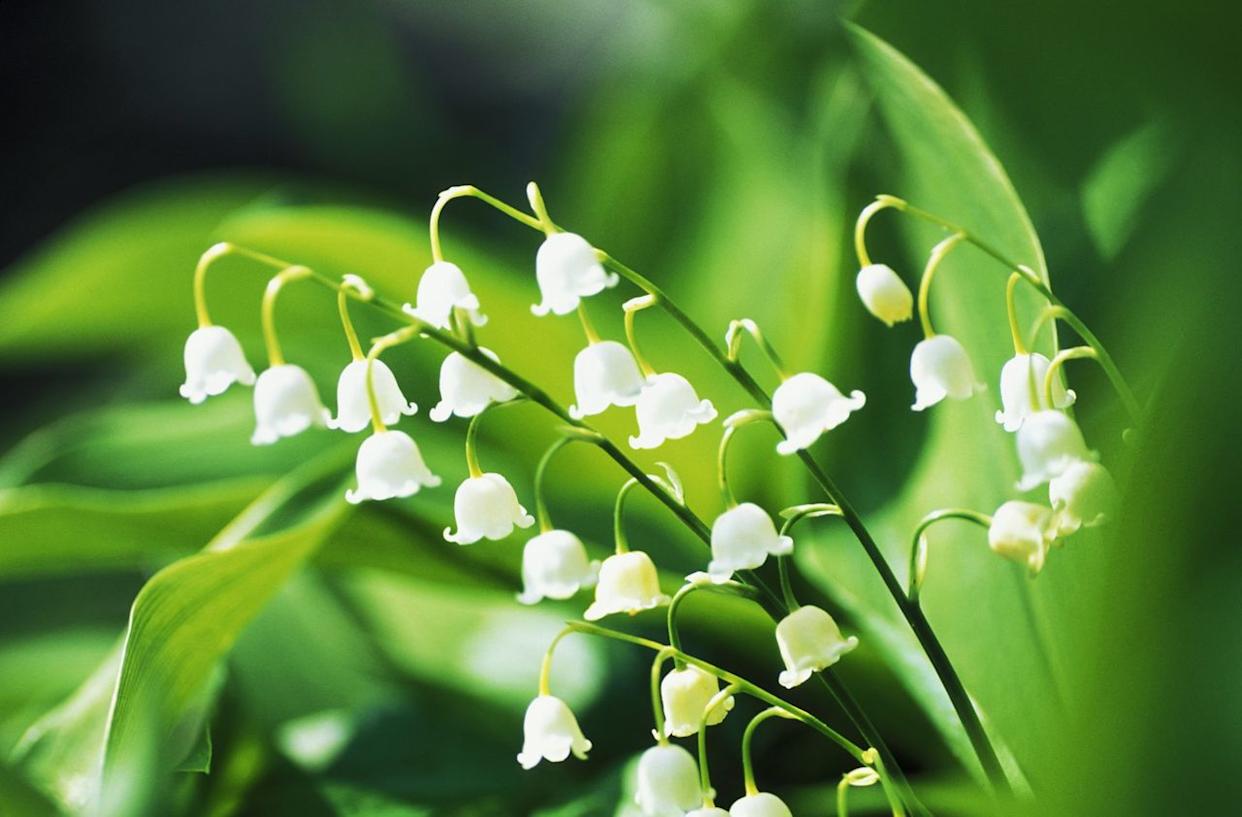
Credit: David Q. Cavagnaro / Getty
Botanical Name: Convallaria majalis
With its tiny, fragrant bell-like flowers in spring, it’s easy to see why this old-fashioned favorite is still planted. But it spreads aggressively by rhizomes, and it’s considered invasive in many parts of the country. If you absolutely must have this classic in your garden, keep it in containers.
English Ivy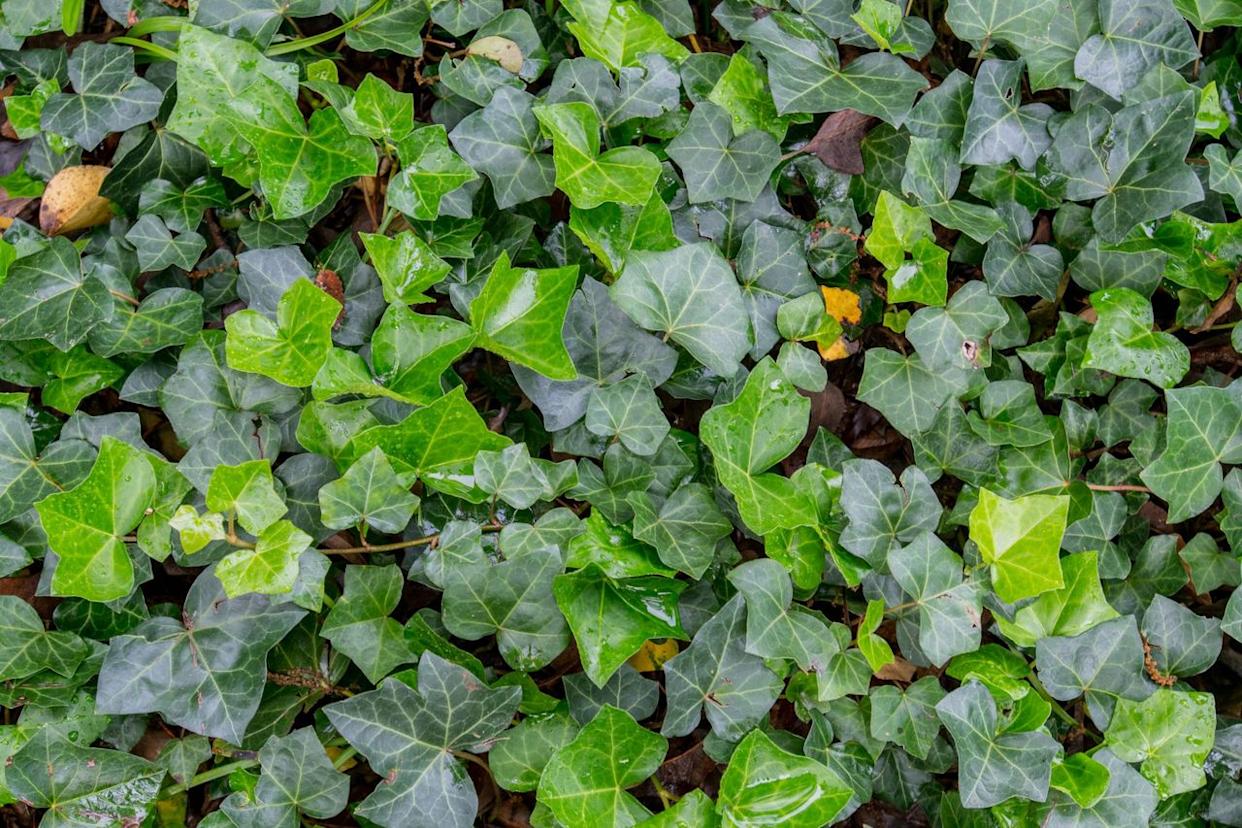
Credit: kellyvandellen/Getty Images
Botanical Name: Hedera helix
This invasive groundcover or climbing vine is an aggressive grower, which can survive in many different conditions from full sun to full shade. Unfortunately, it also damages masonry and provides good cover for mosquitoes. It can spread 50 feet wide and 80 feet tall, covering anything in its way. If you like the looks of this plant, grow it as houseplant instead of a landscape plant.
Periwinkle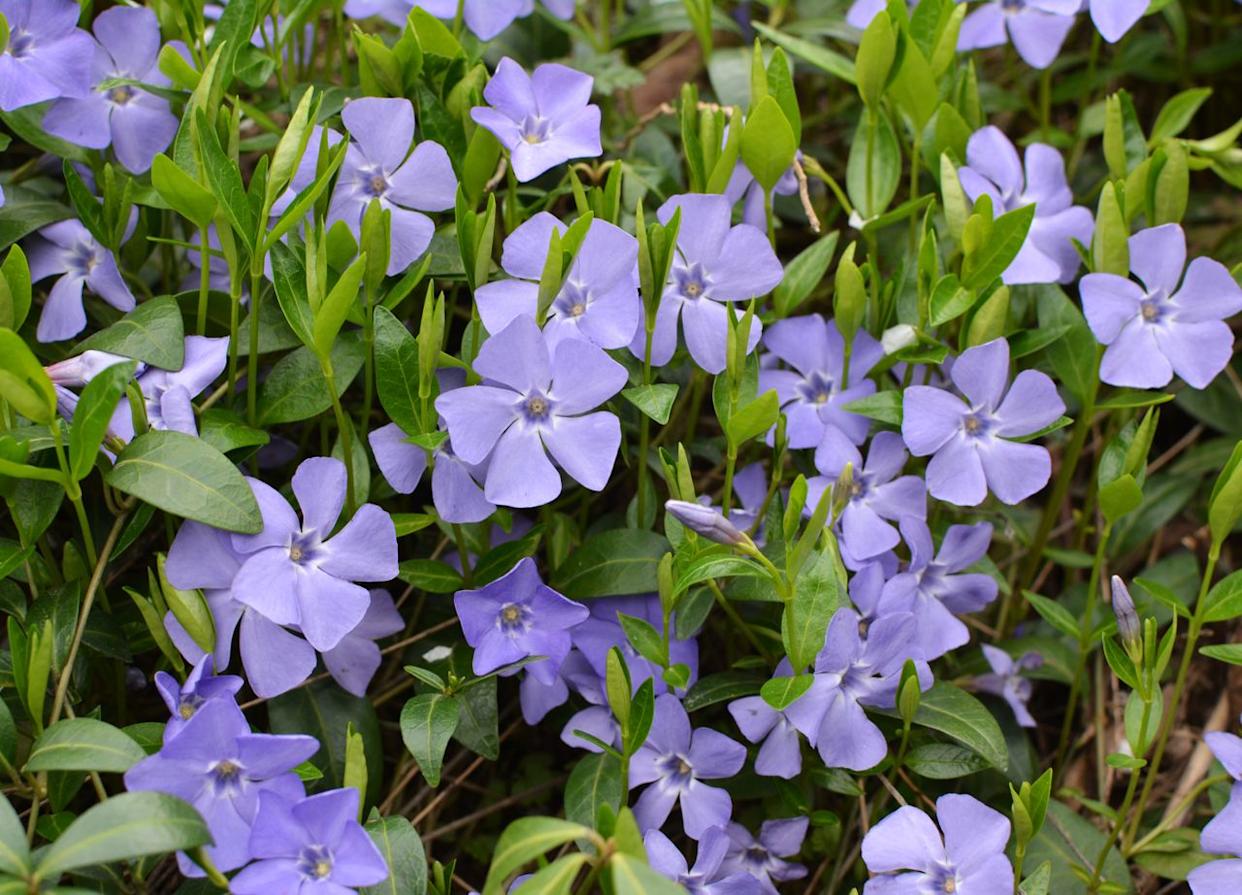
Credit: Getty Images
Botanical Name: Vinca minor
This popular groundcover has trailing stems that root as they creep along. The purple flowers are pretty, but this plant is considered invasive in some areas because it forms dense mats that smother other plants.
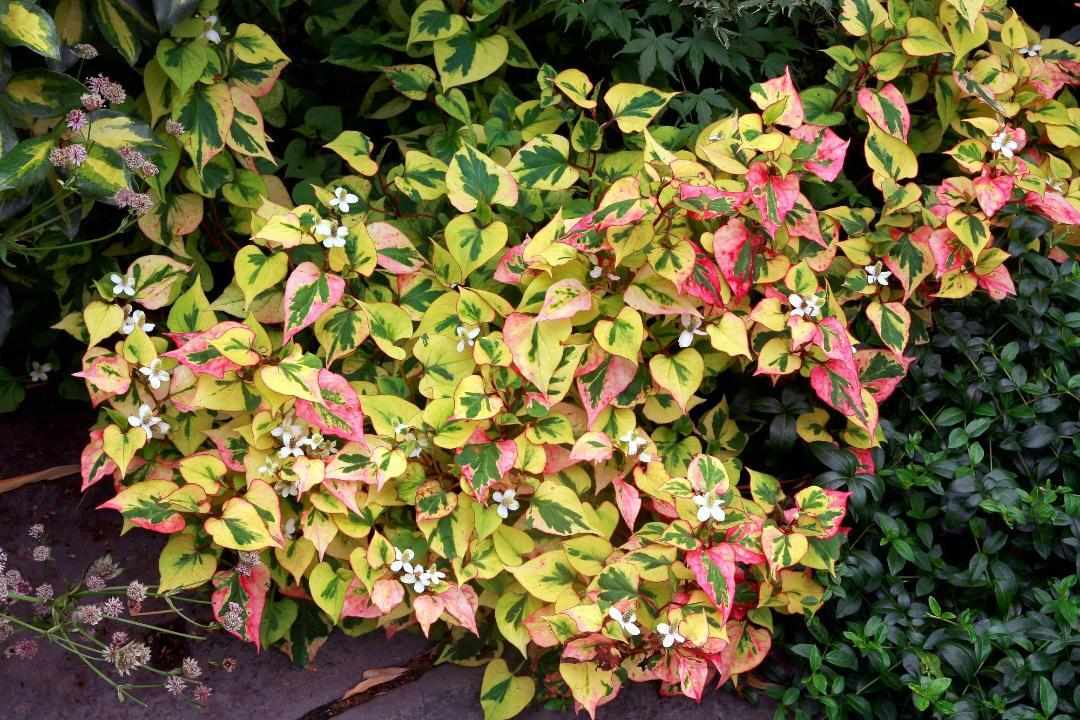
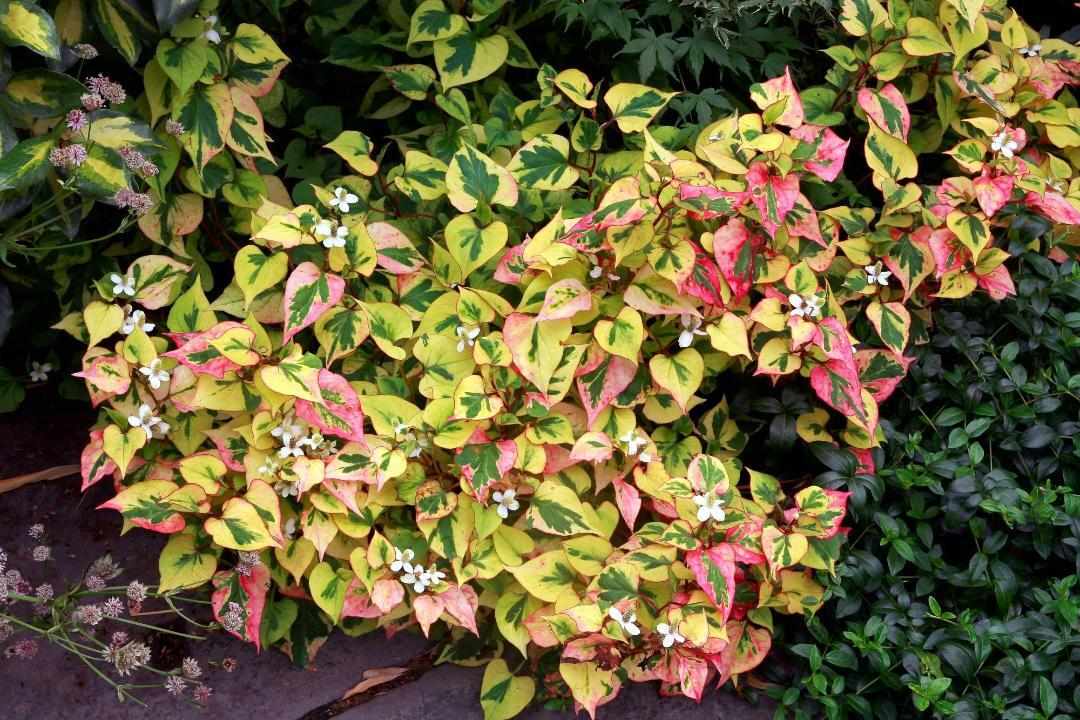
Chameleon Plant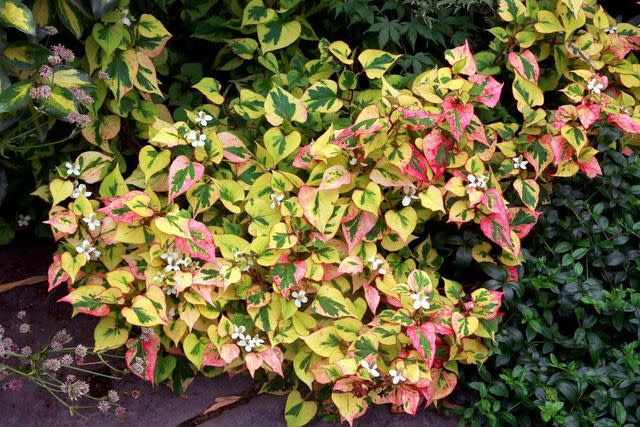
Botanical Name: Houttuynia cordata ‘Tricolor’
This invasive groundcover spreads aggressively by rhizomes and smothers nearby plants. It’s nearly impossible to eradicate once it takes hold (just ask Grumpy). Don’t plant it.
Japanese Honeysuckle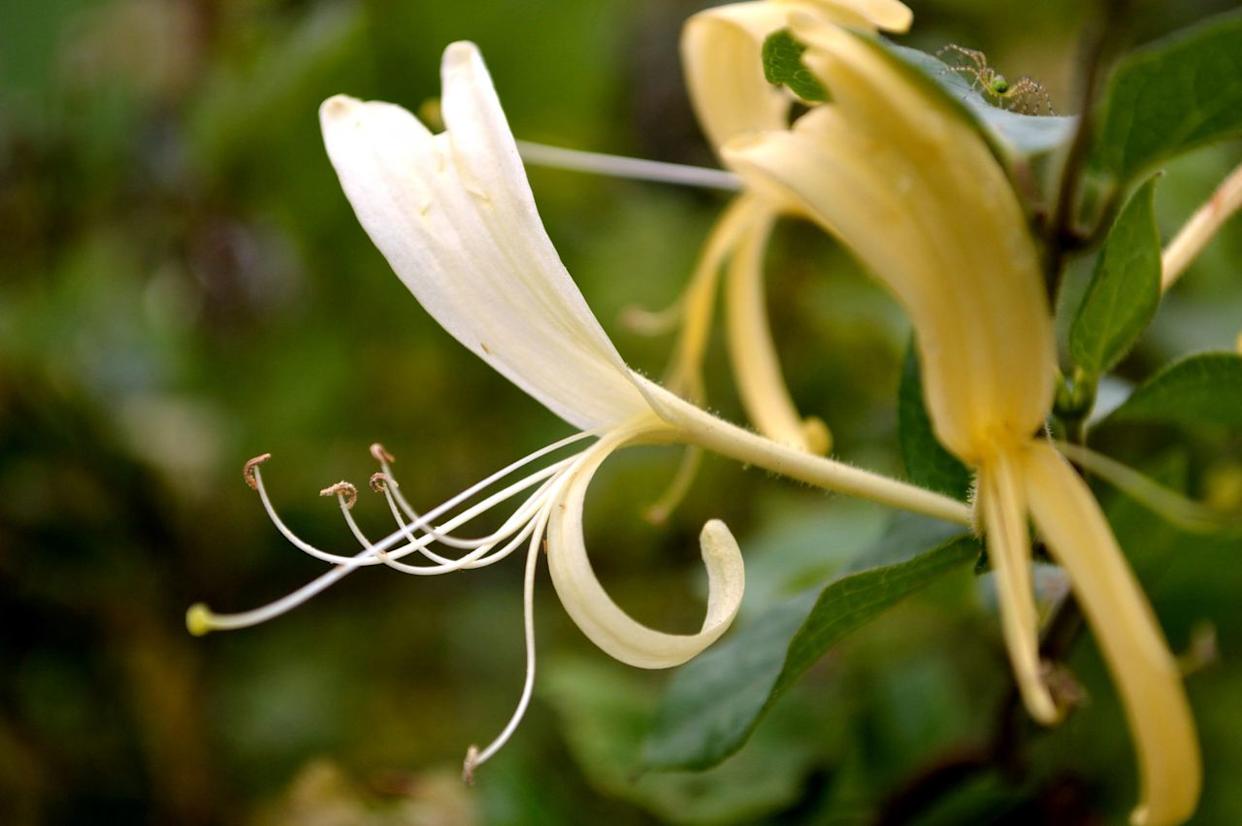
Credit: Victoria1988/Getty Images
Botanical Name: Lonicera japonica
This vine has pretty creamy white flowers, and it adapts equally well to sun and shade. But it will cover perennials, shrubs and trees in a hurry, becoming a tangled mess that nearly impossible to remove. Never plant this one.
Mint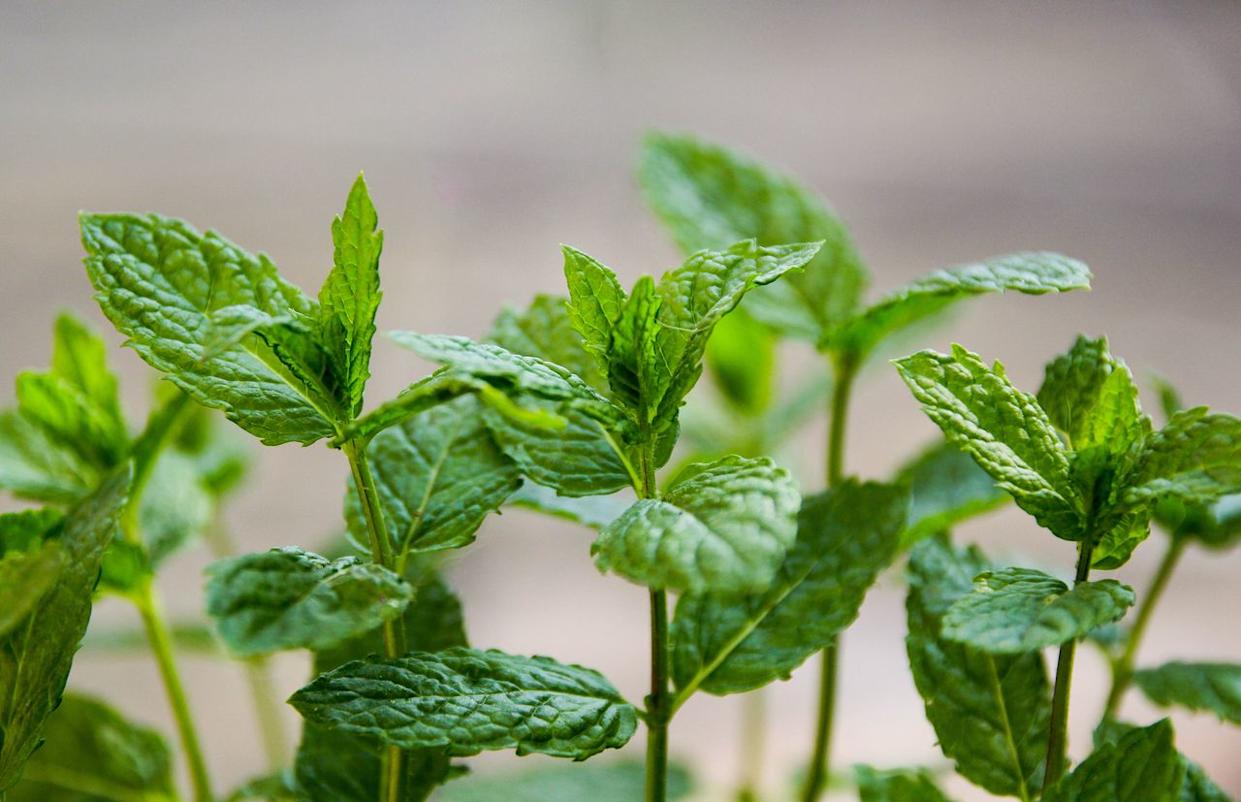
Credit: Kinga Krzeminska/Getty Images
Botanical Name: Mentha spp
Mint is an herb we love, but don’t plant it in the ground or your garden beds will be overrun. While mint is not considered invasive, it definitely spreads aggressively. If you grow this herb, keep it in containers so it cannot creep into the lawn or other areas of your garden.
Purple Loosestrife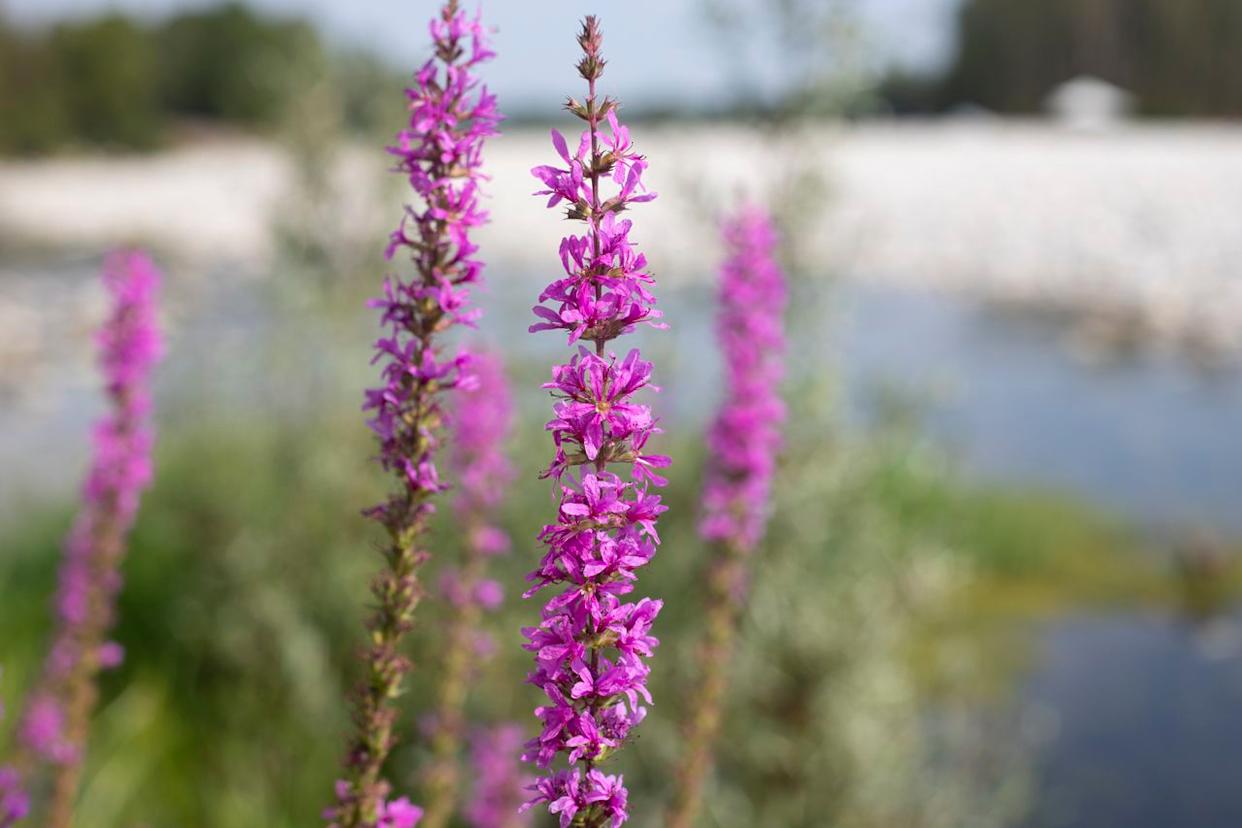
Credit: silvia cozzi / Getty Images
Botanical Name: Lythrum salicaria
This clump-forming wetland perennial has pretty purple flowers, but it can rapidly colonize wet areas, choke out native vegetation, and destroy wildlife habitat. Although it is not well-established across the Southeast, it is considered invasive in some states, so don’t plant it.
Read the original article on Southern Living
Comments are closed.