
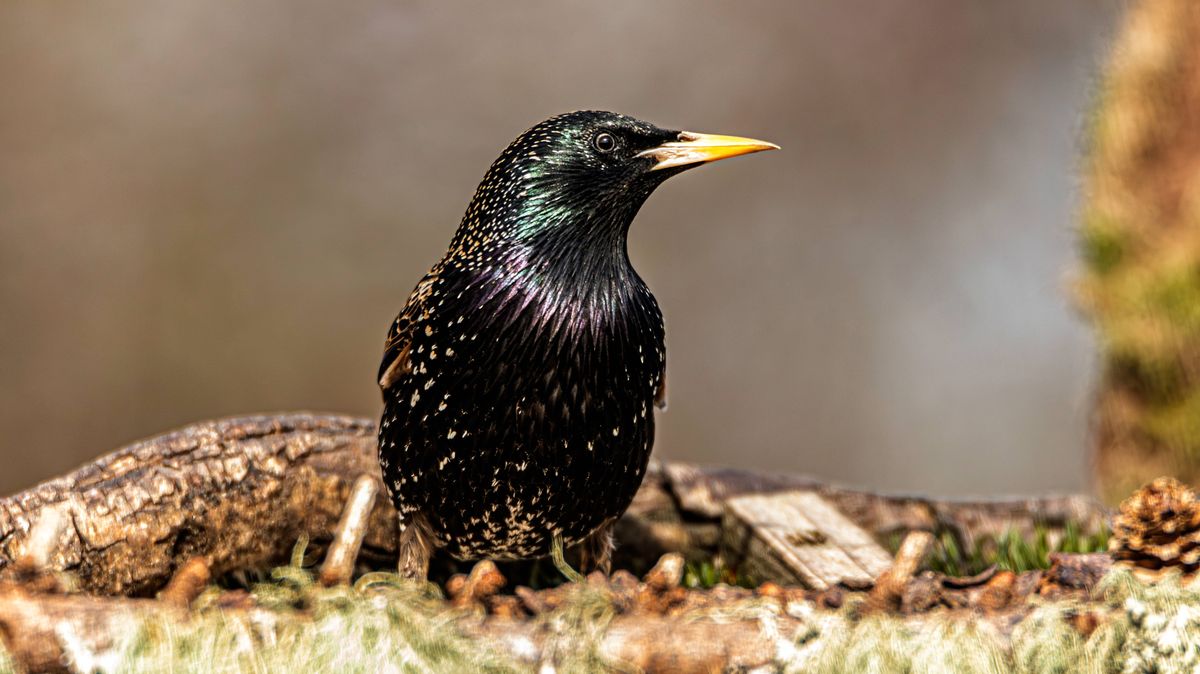
Starling numbers in UK gardens have hit record lows for the second year running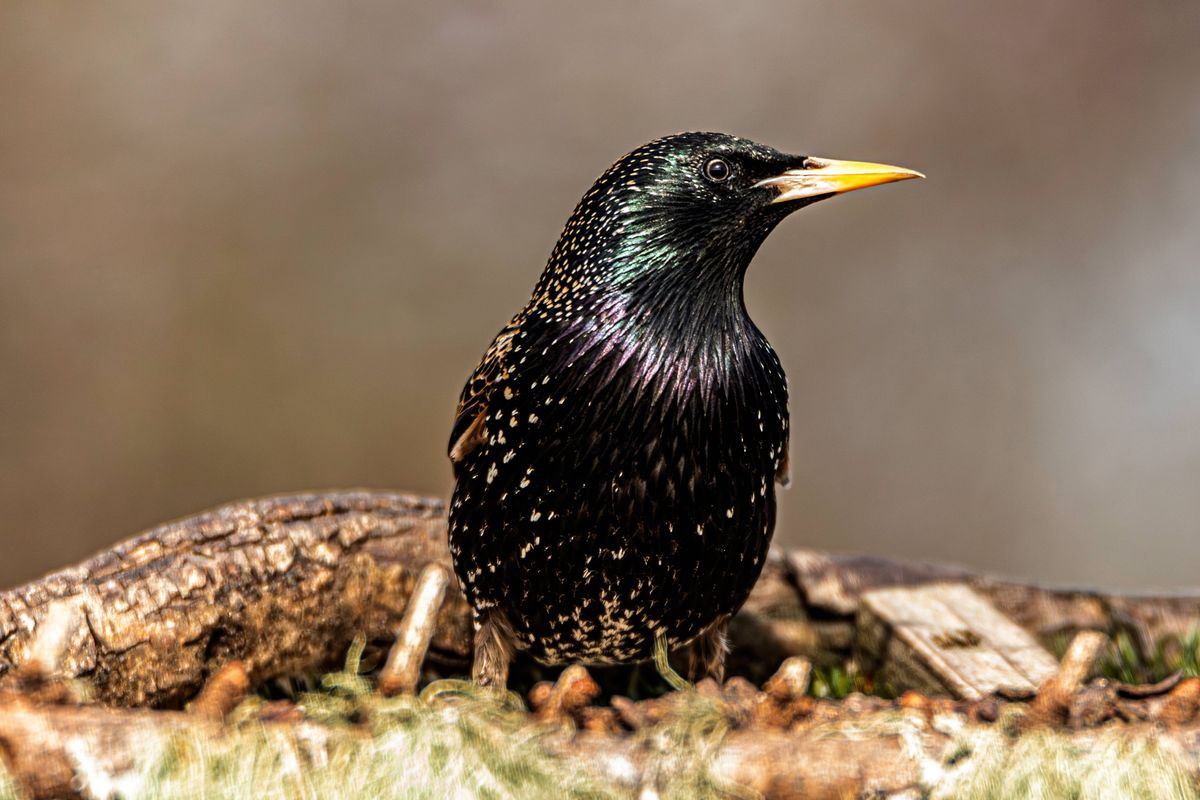
(Image: Jimmy Dunn via Getty Images)
A warning has been issued to anyone spotting starlings in their garden this spring following the release of alarming new figures by the RSPB bird charity. The Royal Society for the Protection of Birds has raised concerns about starlings in British gardens after discovering ‘record lows’ for the species for the second consecutive year.
The charity operates its Big Annual Birdwatch scheme, which attracts over 650,000 participants who monitor the birds visiting their gardens to track population fluctuations year on year. Starlings emerged as the worst affected in the most recent survey, with the average number of sightings per garden reaching record lows for the second year running, dropping a further 3% in this year’s birdwatch.
The RSPB revealed the species has declined by 85.1% since the scheme commenced in 1979, reports the Express. Meanwhile, greenfinches experienced a modest increase in average sightings of 2.3% this year, though the charity noted numbers remain two-thirds lower than in 1979.
RSPB scientists explained that these songbirds are amongst the species vulnerable to diseases that can spread at bird feeders, and are urging households to modify when, how and what food they provide. This year, over 650,000 people participated in the birdwatch, which involves spending an hour recording birds in a garden or local green space during the final weekend in January.
The findings can assist conservationists in assessing how the nation’s bird life is faring. The house sparrow retained its position at the top for population numbers, while the blue tit held firm in second place for another year, with the starling coming in third, woodpigeon fourth and blackbird fifth.
Starlings climbed from fourth to third position among the most frequently spotted species in 2026, though this was largely attributed to a reduction in woodpigeon sightings compared to the previous year, according to the RSPB.
These captivating birds are found throughout the UK, with their numbers boosting during winter as more of the species migrate from northern Europe. They can be spotted in vast flocks performing spectacular aerial displays known as “murmurations”. Prior to the year 2000, starlings were consistently the most abundant species recorded during the Big Garden Birdwatch.
Despite this, they are now “red-listed” owing to growing concerns over their dwindling population. The RSPB acknowledged that the precise cause behind the decline remains unclear, though a drop in chick survival rates during their first winter may be a contributing factor. Meanwhile, greenfinches – which placed 18th – have seen their numbers severely impacted by the disease trichomonosis, which spreads more rapidly when birds congregate around feeders during summer and autumn.
The songbird also features on the conservation “red list”, with separate UK-wide surveys suggesting the loss of more than two million birds since the mid-1990s. Ms Speight said: “Feeding birds is something millions of us love and value, but the science shows us that birds such as greenfinches have been affected by the spread of disease at feeders.
“By making small changes together, we can ensure garden feeding continues to be a positive force for nature.” Experts at the charity advised that households should adopt a seasonal approach to feeding birds, adjusting the contents of feeders during the summer and autumn months when the risk of disease transmission is at its greatest.
This might involve temporarily stopping the use of seeds and peanuts to avoid large gatherings of birds in a single spot, though modest quantities of mealworms, fat balls or suet remain safe to offer throughout the year. Further guidance includes cleaning or relocating feeders on a weekly basis, refreshing water supplies daily, and phasing out flat-surfaced feeders, following research that identified a heightened risk of disease transmission on flat surfaces, bird tables included.
Comments are closed.