
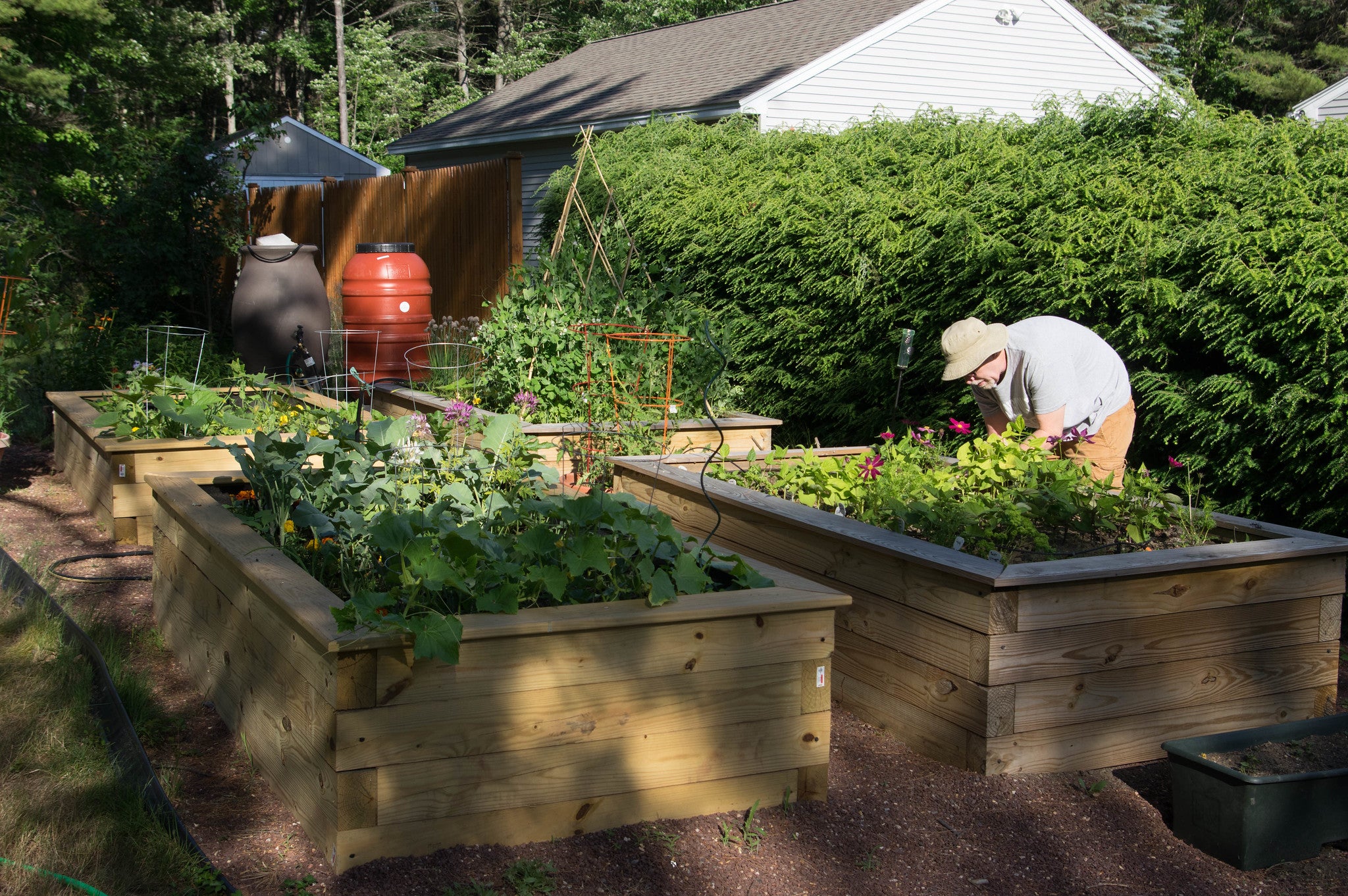
Changes in the garden might seem to happen gradually — a plant starts as a delicate sprout. Then suddenly, it’s producing an overwhelming amount of cherry tomatoes and taking over the raised bed.
Such is aging, writes Rhonda Fleming Hayes. It can sneak up on you. There comes a time when maintaining a bed of annuals feels less like a hobby and more like a chore; all that kneeling catches up with you the next morning.
But that doesn’t mean you need to abandon a lifelong hobby. It just means you need to change the way you curate your garden.
Understanding Wisconsin, Together.
WPR’s “Wisconsin Today” newsletter keeps you connected to the state you love without feeling overwhelmed. No paywall. No agenda. No corporate filter.
“You can’t change the fact that you’re growing older, but you can change your attitude towards the garden,” Fleming Hayes said.
Fleming Hayes is author of “Garden for Life: Strategies for Easier, Greener, More Joyful Gardening as We Age.” Additionally, she has volunteered as an Extension Master Gardener in Minnesota since 2000.
Fleming Hayes joined WPR’s “The Larry Meiller Show” to share her tips on growing old with your garden. Here are three tips from the interview.
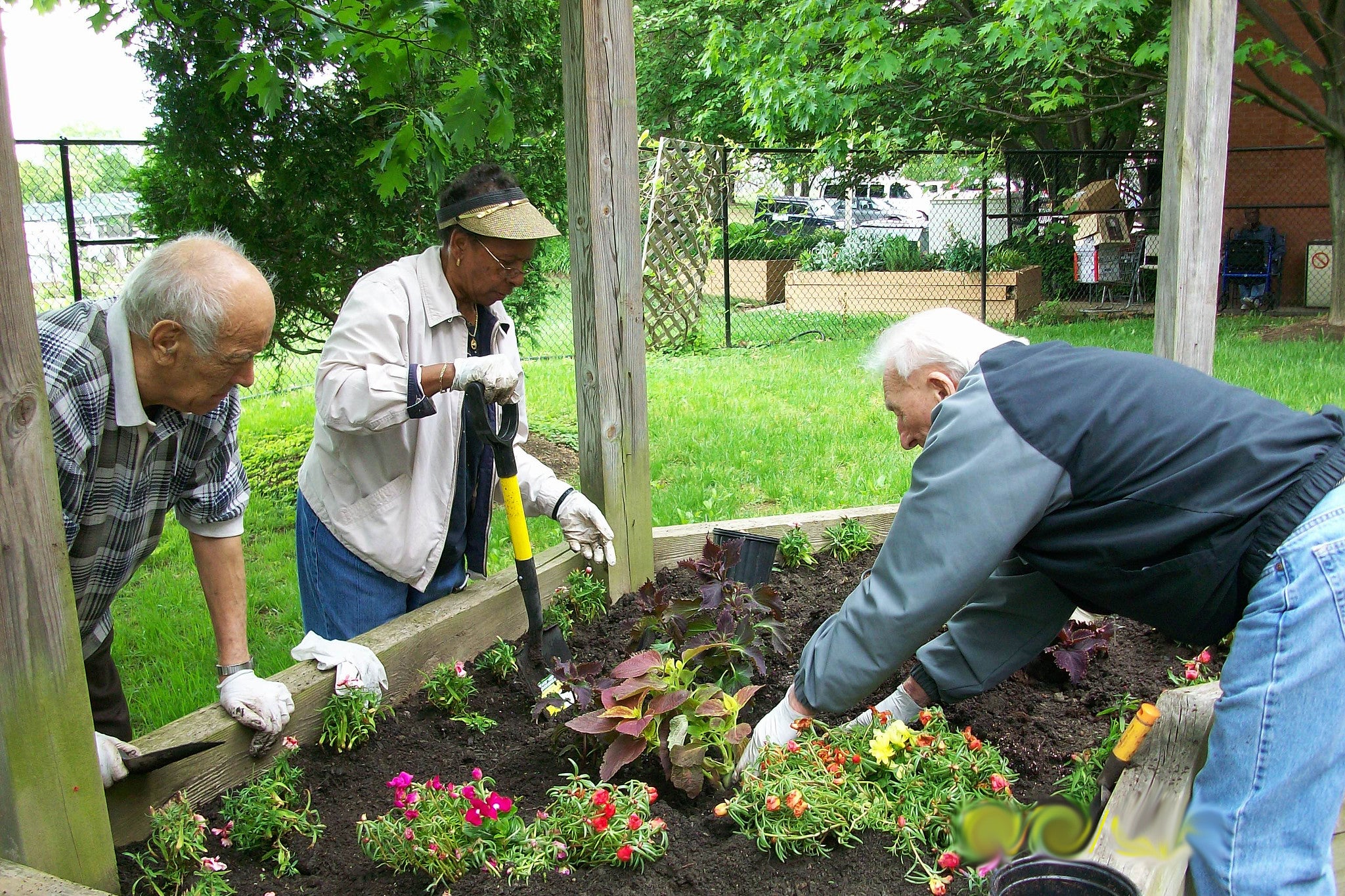 Fairfax County (CC-BY-NC-ND)
Right size your garden
“Right sizing is finding that sweet spot where gardening still is fun and it offers you all those great benefits for your mind and body,” Fleming Hayes said, “but you don’t want it to be a chore.”
Divide your garden into zones, Fleming Hayes said. The zone closest to your house is a great spot for the most intricate cultivation. Plant your fussiest flowers and biggest displays. It’s easy to care for the plants closest to home, and you can appreciate them from your window, too.
Plant easy-to-care-for plants in the zones farthest from your house. Maybe even let the edges of your property get a little wild, Fleming Hayes suggested.
Choose your plants wisely
There’s a hierarchy to plant neediness, Fleming Hayes said. Getting creative with lower-maintenance plants can ease your garden workload.
Fleming Hayes puts it simply: Annuals are just too much work. She limits her annuals to containers where they’re easy to reach.
Many gardens rely on perennials, but Fleming Hayes said perennials can sneakily add tasks like deadheading, dividing, cutting back and more.
Instead of annuals or perennials, Fleming Hayes leans on shrubs and trees. There are varieties that add color to your property with fruits and flowers. She calls them “one touch plants” because all they require is a little pruning and shaping from time to time.
“I don’t think low maintenance has to be low interest,” Fleming Hayes said.
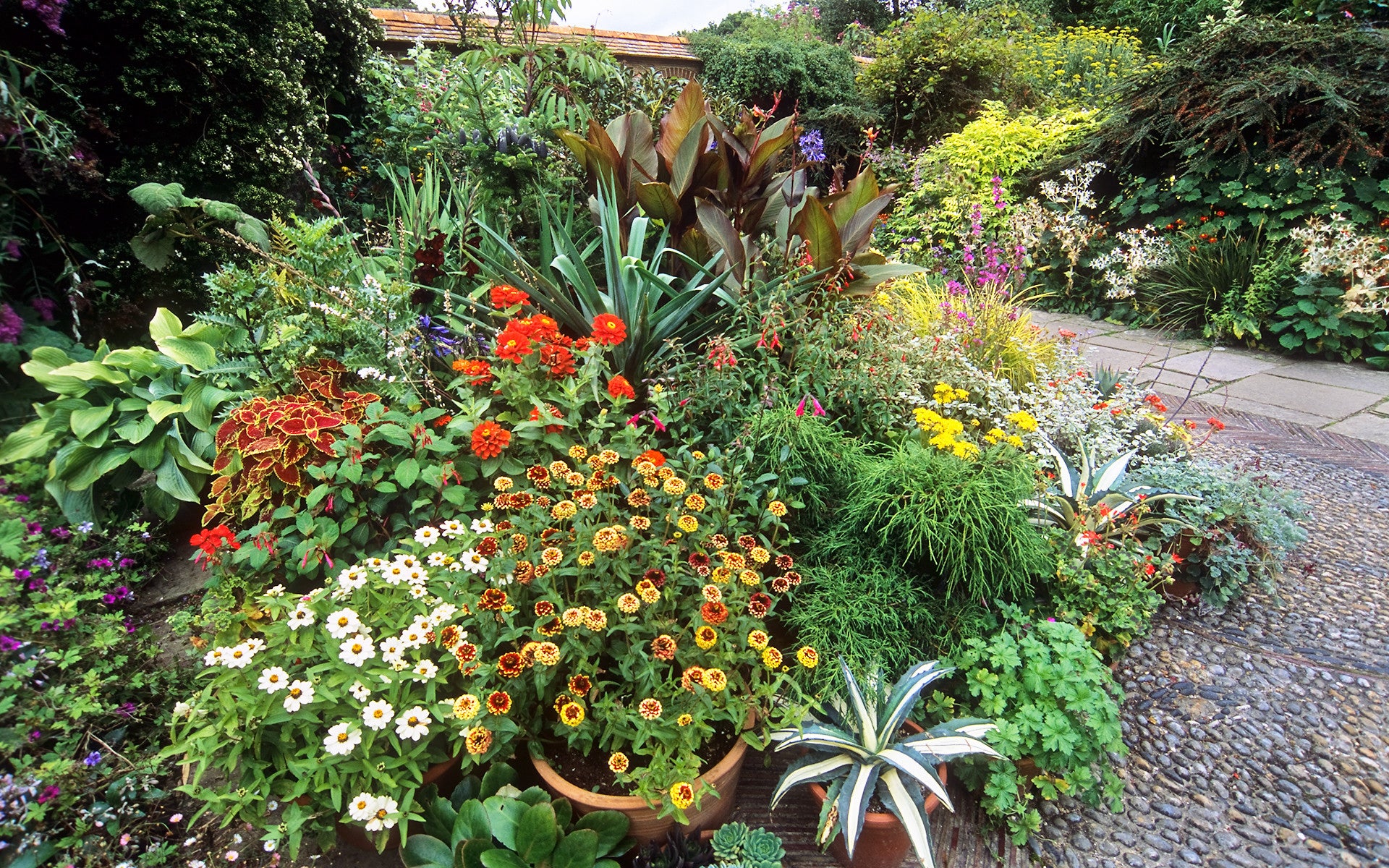 ukgardenphotos (CC-BY-NC-ND)
Consider adding lightweight containers and pots
These days, a gardener has so many more options beyond the terracotta pot. Lightweight pots are a game changer, Fleming Hayes said, especially when you need to move them into the garage at the start of winter. She suggests pots made of fiberglass, resin or recycled materials.
“A lot of them nowadays are self watering, which is a great thing if you’re forgetful, or if you travel a lot, or just to help you out with those daily chores in the middle of a hot summer,” Fleming Hayes said.
Grow bags are another alternative. They’re lightweight, portable and easy to dump at the end of the season. Fleming Hayes recommends them for gardeners living in apartments, condos or who are otherwise short on space.
Fleming Hayes’ plants had good success in grow bags, in part because the fabric lets roots breathe. Exposed to air, the plant’s roots dry out and stop growing once they touch the edge of the grow bag. That signals to the plant to begin producing more roots within the bag that better absorb nutrients in the soil.
“The roots become more fibrous, versus spiraling around and getting root-bound,” Fleming Hayes said. “They’re just a fun option. I suggest people try them.”
Comments are closed.