
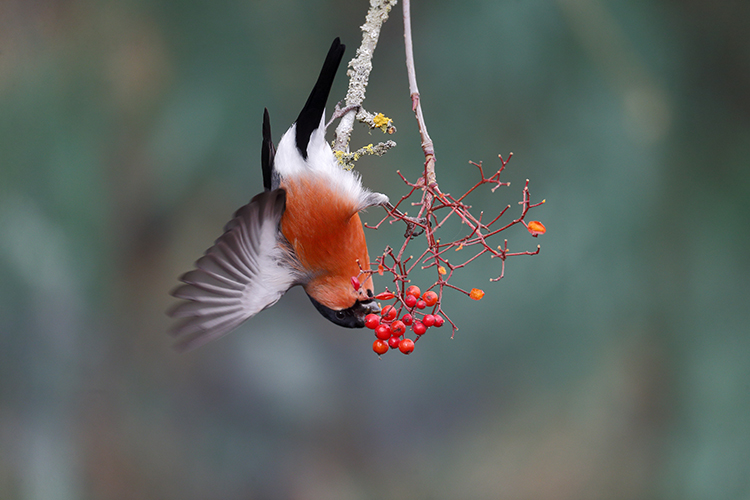
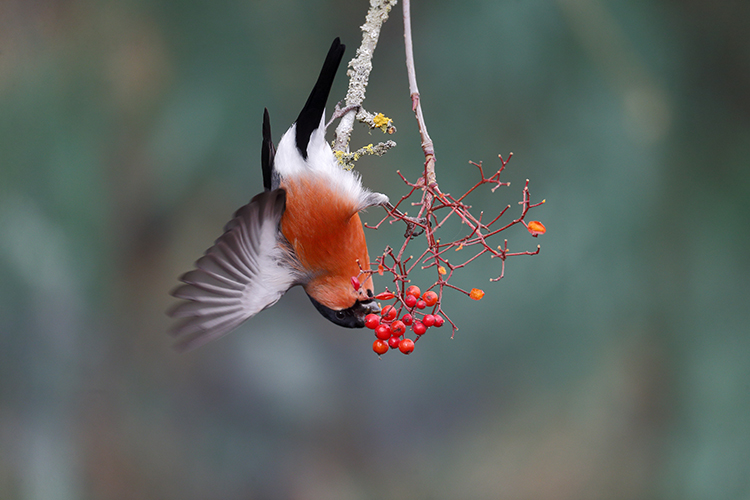
 A bullfinch feeds on berries in Warwickshire. Image: Shutterstock
Transform your outdoor space into a thriving bird sanctuary by providing natural food sources and essential habitats
While many of us enjoy watching birds at a feeder, the latest conservation advice suggests that the most sustainable way to support our feathered friends is to provide for them naturally.
As of 10 April, the RSPB is urging gardeners to change how they feed birds and to pause offering seeds and peanuts entirely during the summer months (1 May to 31 October). This new guidance is designed to combat the spread of avian diseases, particularly trichomonosis – a parasite that is currently decimating British finch populations. During these warmer months, the parasite survives longer and spreads more easily as birds congregate at feeders, turning busy feeding stations into disease hotspots.
Enjoying this article? Check out our related reads…
Another key piece of advice is to stop using flat-bottomed bird feeders, including traditional bird tables and window trays. Research has confirmed that there is a much higher risk of disease spreading on these surfaces, as sick birds find them easier to perch on and are known to regurgitate contaminated food back onto the flat tray for other birds to pick up.
Wherever you are feeding birds, the RSPB recommends a strict hygiene routine: clean feeders at least once a week, move their location regularly to prevent waste build-up, and only put out small amounts of food to ensure it is eaten within two days.
Ultimately, the goal is to help garden visitors find more of their own food naturally. By shifting focus from bird feeders and supplementary seeds to a living ecosystem, you can reduce the risk of disease and support a wider variety of species. Here is how to create a bird-friendly haven using nature alone.
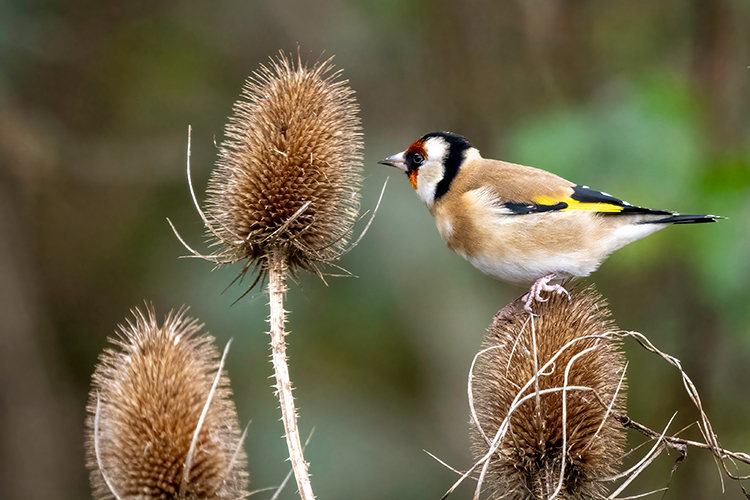 A goldfinch on looks for seeds on a teasel. Image: Matt Hirst
Get growing
Whether you have a sprawling garden, a small patio, or window boxes, you can help to provide British birds with a year-round feast. The goal is to select plants that offer berries, fruits, and seeds across different seasons.
For small spaces and pots
English lavender and Sunflower: These are fantastic for seed-eaters and attract pollinators that birds also need in their diets.
Bird’s foot trefoil and Red clover: These ground-hugging plants are vital for insects and provide a source of natural protein.
Garden forget-me-not and Red campion: Colourful additions that offer a natural seed source once they finish flowering.
For borders and hedgerows
Teasels and Fennel: Their seed heads are a favourite for goldfinches during the autumn and winter.
Bramble and Honeysuckle: These climbers provide both protective nesting sites and a bounty of berries.
Common nettle and Dandelion: While often seen as weeds, they are essential host plants for caterpillars – the primary food for chicks during the breeding season.
For trees and shrubs
If you have the space, Rowan, Holly, Hawthorn, and Crab apple trees provide a vital winter lifeline when other food is scarce. Birch trees offer tiny seeds that attract siskins and redpolls, while Ivy is one of the most important plants for wildlife, providing late-season nectar and winter berries.
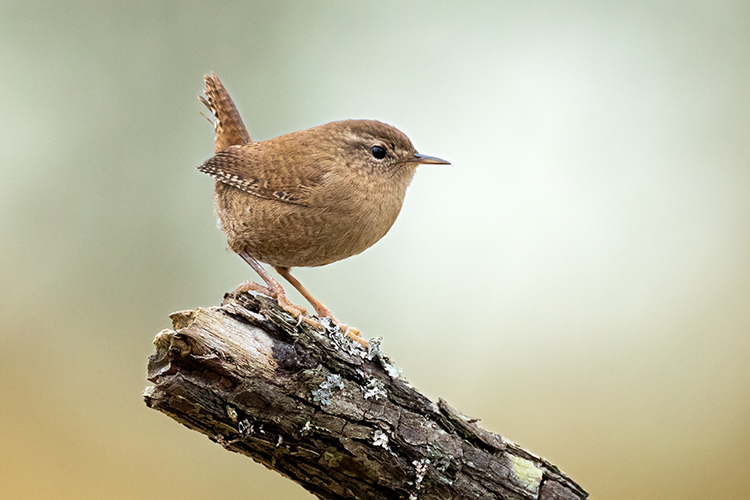 A tiny Eurasian wren. Image: Nick van den Berg
Don’t tidy up too much
A pristine garden is often a desert for wildlife. By leaving things a little messy, you invite the insects that many birds rely on. Species such as Dunnocks and Wrens are highly insectivorous, meaning they spend the majority of their time hunting for tiny invertebrates rather than eating seeds.
Leave the leaves: Many birds have a natural foraging technique of flicking through leaf litter. This is where they find spiders, woodlice, and beetles.
Build a log pile: Stacking old sticks and logs creates a damp, dark environment for bugs, turning your garden into a high – protein feeding station for robins and thrushes.
Add water – safely
Birds require clean water for drinking and bathing to keep their feathers in top condition. However, keeping them safe is a priority.
The RSPB advises that if you use a bird bath, you must be committed to preventing the spread of diseases like trichomonosis. This means replacing the water daily with fresh tap water and thoroughly cleaning the basin at least once a week.
If you have the space, a pond is often a healthier and more effective option. Ponds tend to develop their own balanced ecosystem and attract a broader range of insects, providing birds with both a place to drink and a place to hunt. Ensure your pond has a shallow edge or a ‘beach’ area so birds can bathe safely.
Comments are closed.