

Daffodils are one of the most reliable spring-flowering bulbs, but experts say there is one crucial task gardeners should complete this month to guarantee vibrant displays next spring
Sophie Harris Senior Lifestyle Reporter and Vita Molyneux Travel reporter
13:45, 10 Apr 2026
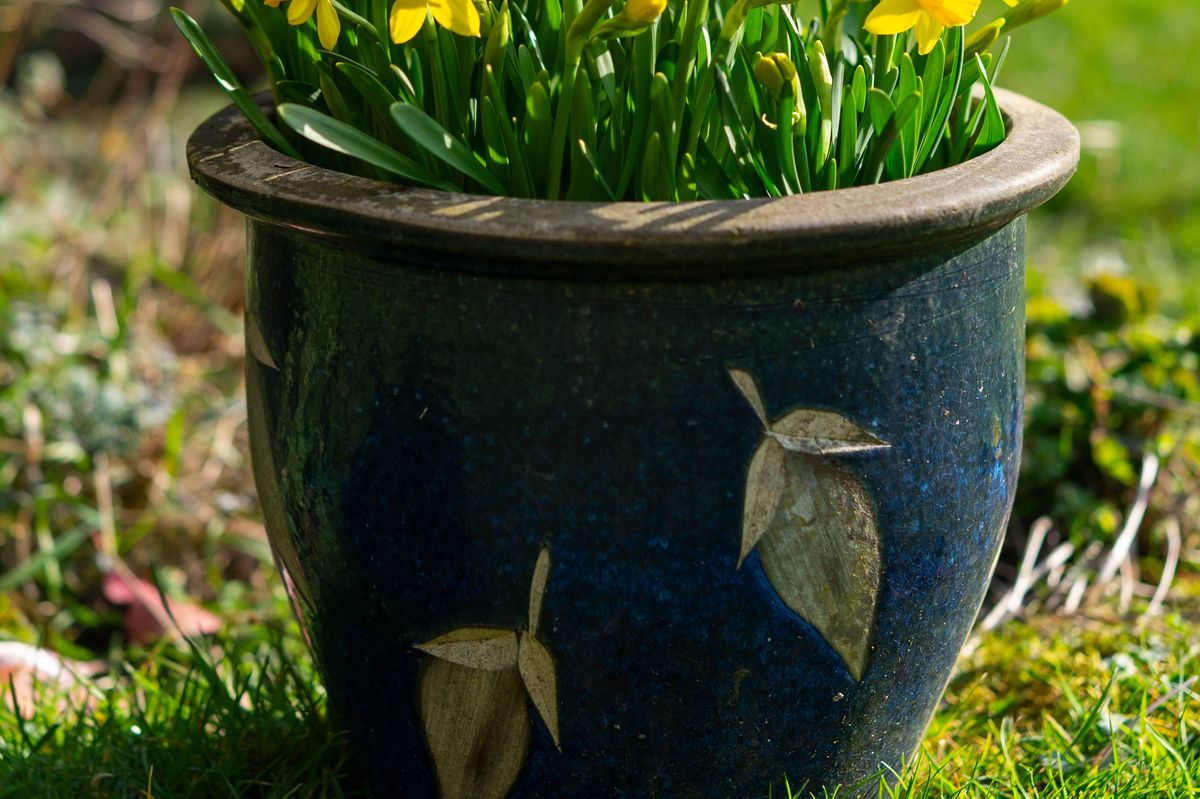
Doing one thing will ensure blooms next year(Image: Photos by R A Kearton via Getty Images)
Daffodils rank amongst the most beloved flowers in British gardens, appearing from February through to late April, with their finest display occurring during March and April. They’re considered one of the most dependable spring-flowering bulbs, according to the Royal Horticultural Society (RHS), as they return annually with minimal care required.
As the blooming season draws to a close, gardeners are encouraged to carry out one essential task to guarantee their return next year. This entails deadheading the faded flowers once they’ve finished blooming, the RHS has recommended.
The purpose is to redirect the plant’s energy back into the bulb rather than seed production, ensuring a “good flowering display” in the following year.
The specialists noted: “Deadheading also keeps the display looking its best.” Moreover, it’s incredibly straightforward to accomplish.
Simply grasp the wilted flowers between your thumb and forefinger, carefully removing them.
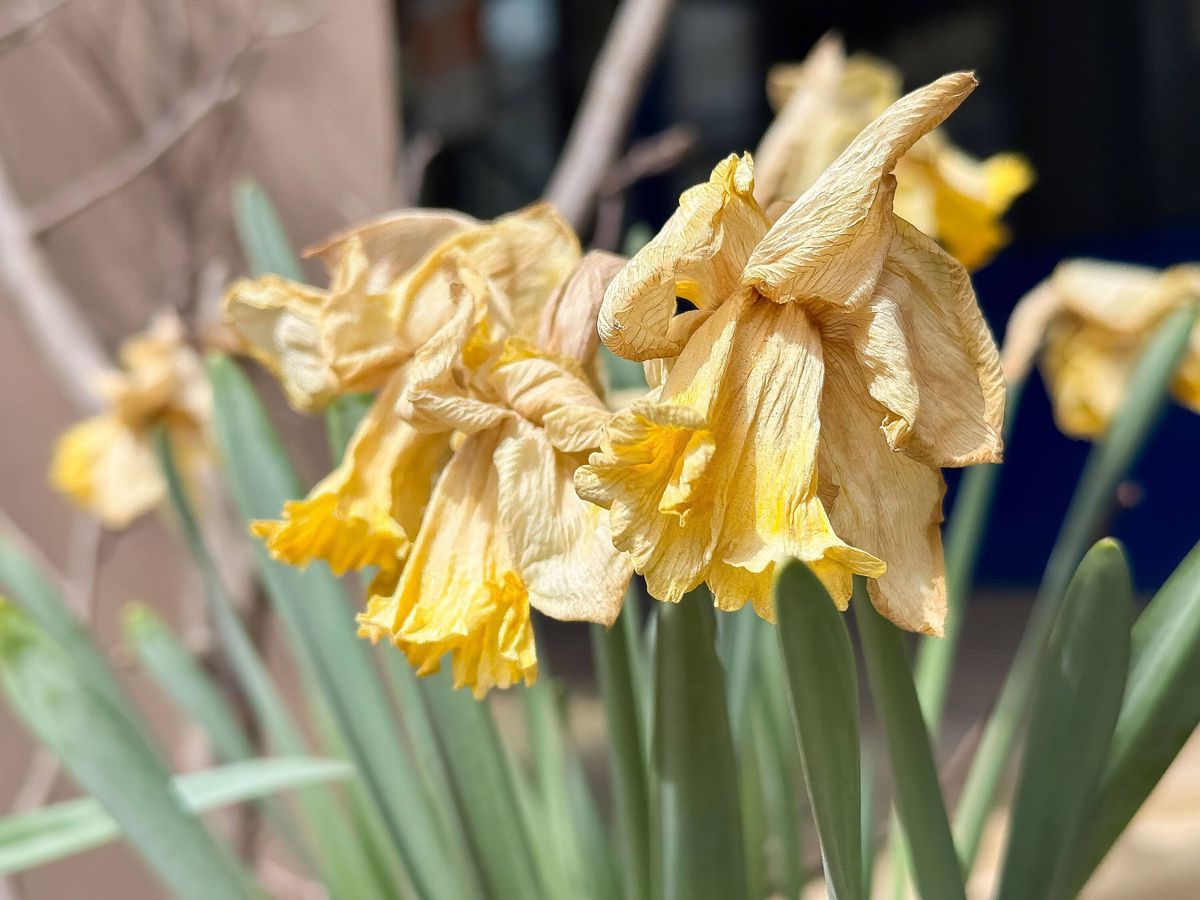
Daffodils should be deadheaded after flowering(Image: Getty)
Gardeners ought to deadhead immediately once the blooms fade or lose their vibrancy. Should they have turned brown, they’re certainly prepared for removal, reports the Express.
Failing to remove the deceased flowers could lead to diminished blooms next year, making it crucial to undertake this task promptly.
Regarding the brown foliage that remains, some individuals prefer to neaten them by tying them in a knot or securing them with string, but this proves detrimental to the plant’s recuperation, as it hampers photosynthesis.
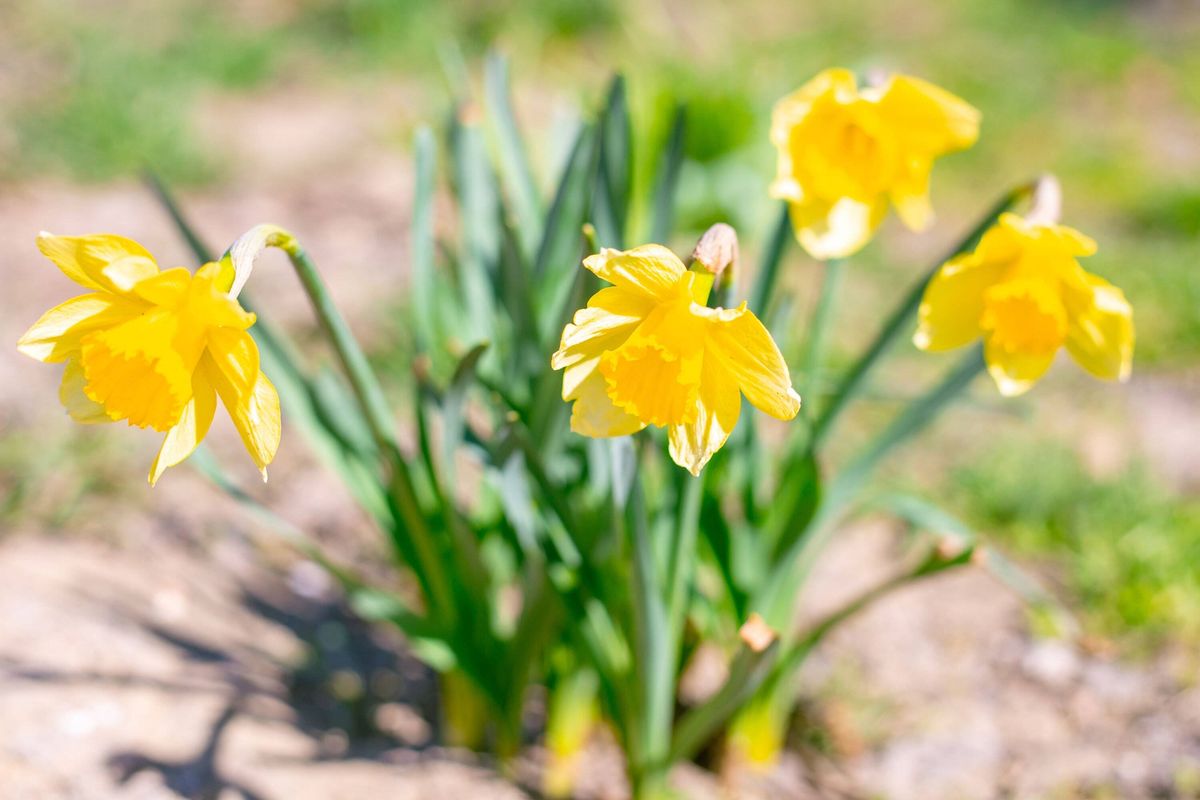
Daffodils are among the most popular flowers in UK gardens, blooming from February to the end of Apr(Image: Getty)
Rather, plant them close to perennials or shrubs that will conceal the dying foliage, allowing them to gradually recover for the forthcoming spring.
It’s equally vital to avoid removing blooms prematurely, so if you’re uncertain about the right time to do so, leave them for a week or two before taking another look.
Also during April, gardeners should turn their attention to deadheading tulips and bedding plants such as pansies, primulas and violas.
Spring-flowering shrubs including rhododendrons and camellias can likewise be deadheaded to promote further flower growth.
Comments are closed.