
A FRESH call has been made to protect garden wildlife.
The RSPB is advising the public to make seasonal changes to how they feed garden birds following concerns about disease.
As part of the charity’s 2026 Big Garden Birdwatch, which saw more than 650,000 people across the UK taking part, including 14,000 in Cheshire, the RSPB has urged gardeners to pause feeding seed and peanuts from May to October and instead focus on feeding safely.
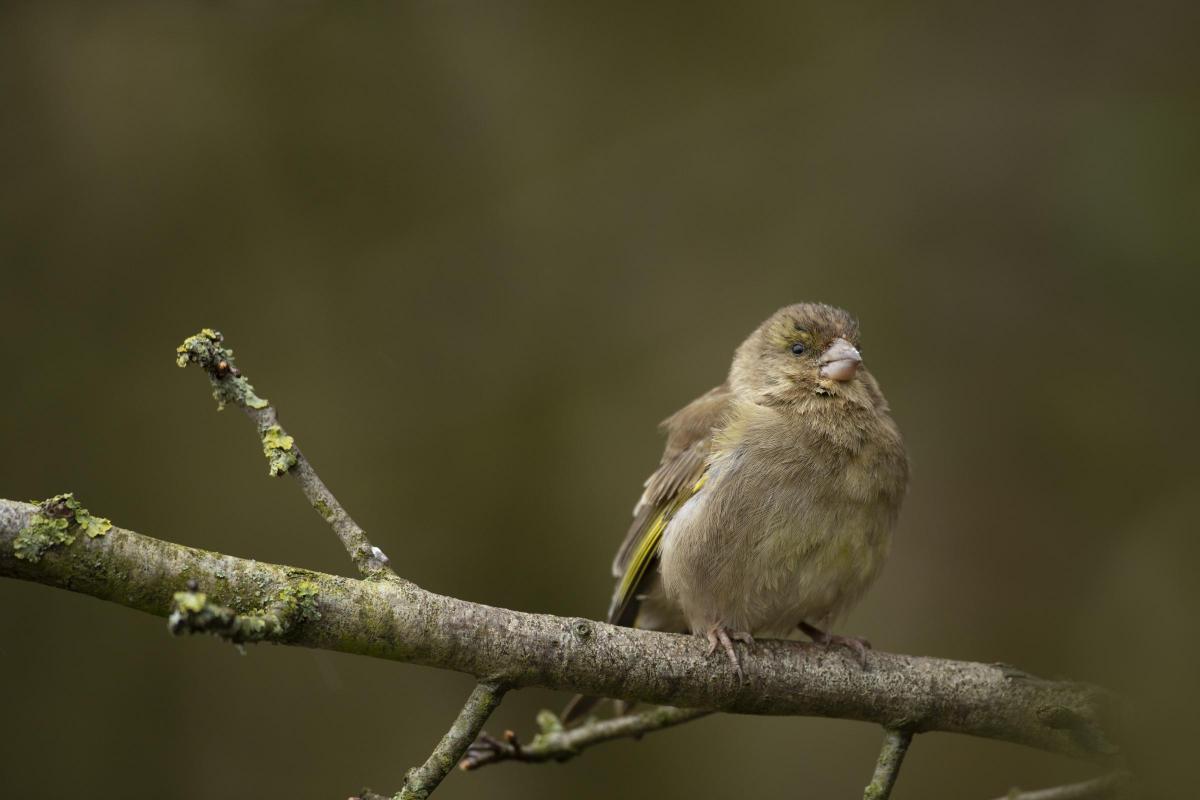
Beccy Speight, chief executive of the RSPB, said: “Feeding birds is something millions of us love and value, but the science shows us that birds such as Greenfinches have been affected by the spread of disease at feeders.
“We’re not asking people to stop feeding, just to feed in a way that protects birds’ long-term health.
“By making small changes together, we can ensure garden feeding continues to be a positive force for nature.”
In Cheshire, blue tits were the most commonly spotted birds during the survey, followed by house sparrows and woodpigeons.
Blue Tits were the most spotted bird in Cheshire (Image: Ben Andrew)
However, the long-term data revealed a growing concern lower in the rankings.
Greenfinches, now 18th on the list, have suffered a 67 per cent decline in average numbers since the Big Garden Birdwatch began in 1979.
The primary cause of the decline is trichomonosis, a disease that spreads more easily at feeders – particularly in summer and autumn.
Garden bird feeding, while beneficial, can contribute to the spread of disease if not managed carefully.
To help protect bird populations, the RSPB now recommends seasonal feeding.
From May 1 to October 31, people are encouraged to stop offering seed and peanuts to reduce congregation and disease risk.
Instead, small amounts of mealworms, fat balls, or suet can be provided safely throughout the year.
Greenfinch eating sunflower seeds (Image: Ben Andrew)
The charity also stressed the importance of feeder hygiene.
The RSPB advises cleaning feeders weekly, regularly moving them to prevent the build-up of contaminated debris underneath, and changing water daily.
Feeders with flat surfaces, such as traditional bird tables, are now discouraged due to the increased risk of disease transmission.
This year’s Big Garden Birdwatch, which remains the largest garden wildlife survey in the world, recorded more than nine million birds of more than 80 species.
House sparrows held the top spot in the UK results, followed by blue tits and starlings.
Woodpigeons and blackbirds completed the top five.
The survey has been running since 1979 and asks participants to count the maximum number of each bird species seen at one time during a single hour over the last weekend in January.
Schools also joined in through the Big Schools’ Birdwatch, with a record 143,000 participants nationwide.
Starlings became the third most-spotted birds in UK gardens (Image: Ben Andrew)
While changing how and when we feed birds is one way to help, the RSPB also recommends planting bird-friendly species such as sunflowers, teasels, and ivy.
This provides natural food sources and supports insect populations, giving birds more feeding options.
The RSPB continues to advocate for wildlife-friendly gardening and encourages the public to stay informed about best practices to support garden birds throughout the year.
More information is available at www.rspb.org.uk.
Comments are closed.