
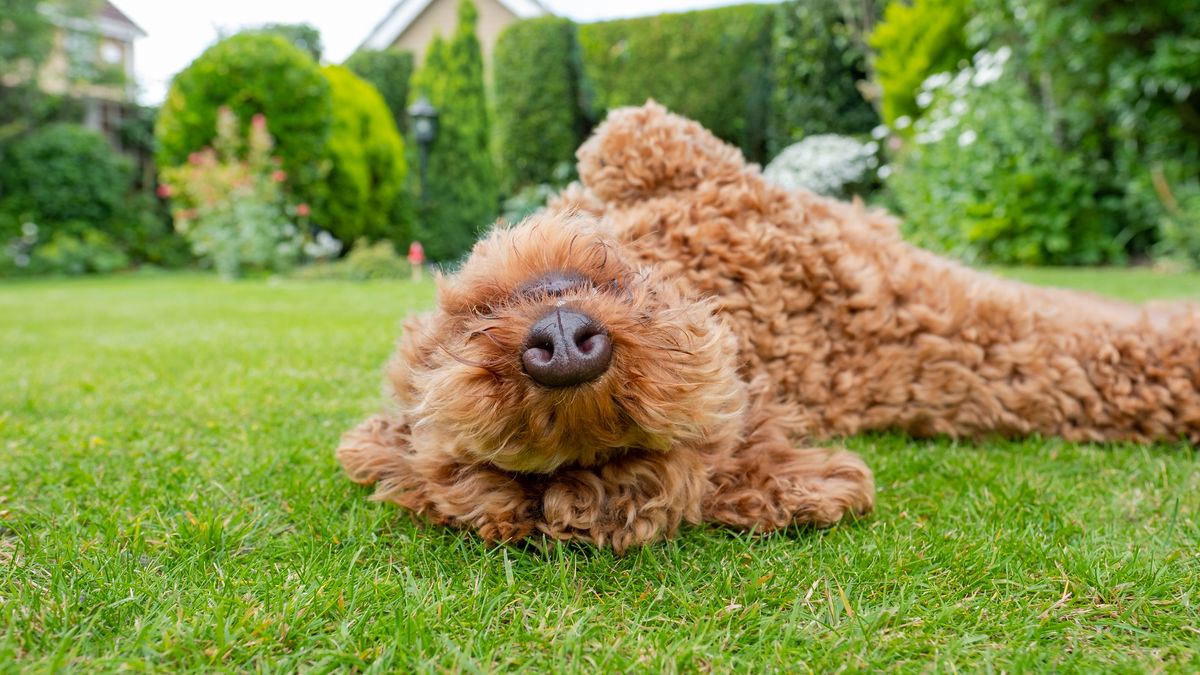
Many families may be unware of the harmful impact a compost can have on our four-legged friends.
Pet owners are being urged to keep their dogs away from compost as it can be toxic for their health.(Image: Getty Images)
Now spring has sprung, many people will be looking into giving their garden some TLC after it has been neglected over the cold winter months. While some people will be focusing on getting the lawn neat and tidy, avid gardeners will be determined to bring colour and life back to their outdoor space.
Additionally, some may want to maximise on their garden waste by making a compost to help enrich the soil already in the garden. While this is a great way to help boost plant growth with a natural fertiliser, gardeners are being urged to take extra care this spring and summer as experts warn compost could be harmful for dogs.
Garden experts from GardeningExpress.co.uk are urging pet owners to be aware of the potential harm the garden essential could cause their four-legged friends. While a compost is great for the garden, owners need to be vigilant in making sure their dogs don’t get their noses into compost bags and piles.
This is because the decaying organic matter in the compost can sometimes contain fungi that produce mycotoxins. These are potent toxins that can trigger a variety of harmful reactions in dogs, such as vomiting, muscle tremors and seizures.
Studies suggest compost can contain up to 20 different types of mould, many of which are capable of producing mycotoxins. Common items regularly used in homemade compost piles, such as coffee grounds, mouldy food and garden waste, can be particularly risky for our canine companions.
Additionally, the garden experts warn even compost bought from shops can occasionally pose a threat to your pooch’s health. This is due to some composts still actively decomposing, which could create a toxic environment for curious pets.
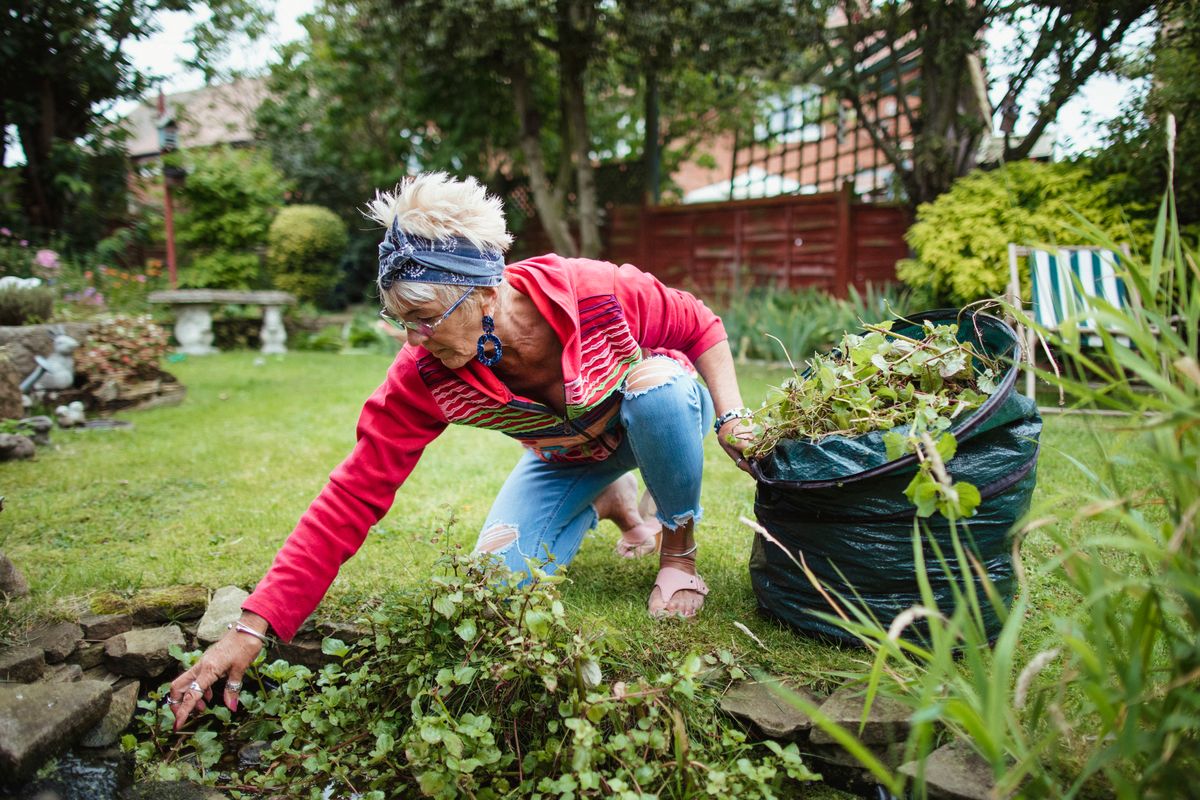
Compost can contain toxins that can result in tremors, vomiting and seizures in dogs.(Image: Getty Images)
The experts have shared their insight into the dangers of compost following a video shared on Reddit, which showed a dog with “intense facial twitching”.
After reading advice from other pet owners on the social media platform, the author chose to take their dog Ziti to the vet.
In an update they wrote: “Got her to the emergency vet an hour away. It’s compost toxicity. I guess she got into it a little before I got home. My wife caught her. She’s being treated now and it looks like after a little time in the hospital, she’ll be ok.”
In order to keep your beloved pets safe, gardening experts say it is important to store compost securely and keep bins and bags well out of reach from your dogs.
On top of this, if pet owners suspect their dog has ingested compost, it is crucial they act quickly. As symptoms may not appear immediately, it is important to contact your vet even if your dog seems fine.
A spokesperson from Gardening Express said: “Composting is a really environmentally friendly way to recycle kitchen waste and it provides fantastic nutrients for your soil and plants – but while it’s great for your garden, it could be harmful to your dog.
“As organic matter breaks down, it can produce harmful mycotoxins, especially if the compost includes items like coffee grounds, mouldy bread, or certain food scraps. Dogs can be very attracted to the smell of decaying food material, so the risk can be high if they’re left near a bag of compost or a compost pile unattended.
“So it’s essential for pet owners to keep compost bins securely covered and to monitor what goes into their compost heap. Avoiding items known to be toxic to dogs and opting for pet-safe mulches are simple but effective ways to keep your garden safe.”
They finished up by urging: “If you suspect your dog has ingested compost, contact your vet immediately, even if they’re not showing symptoms yet.”
Comments are closed.