
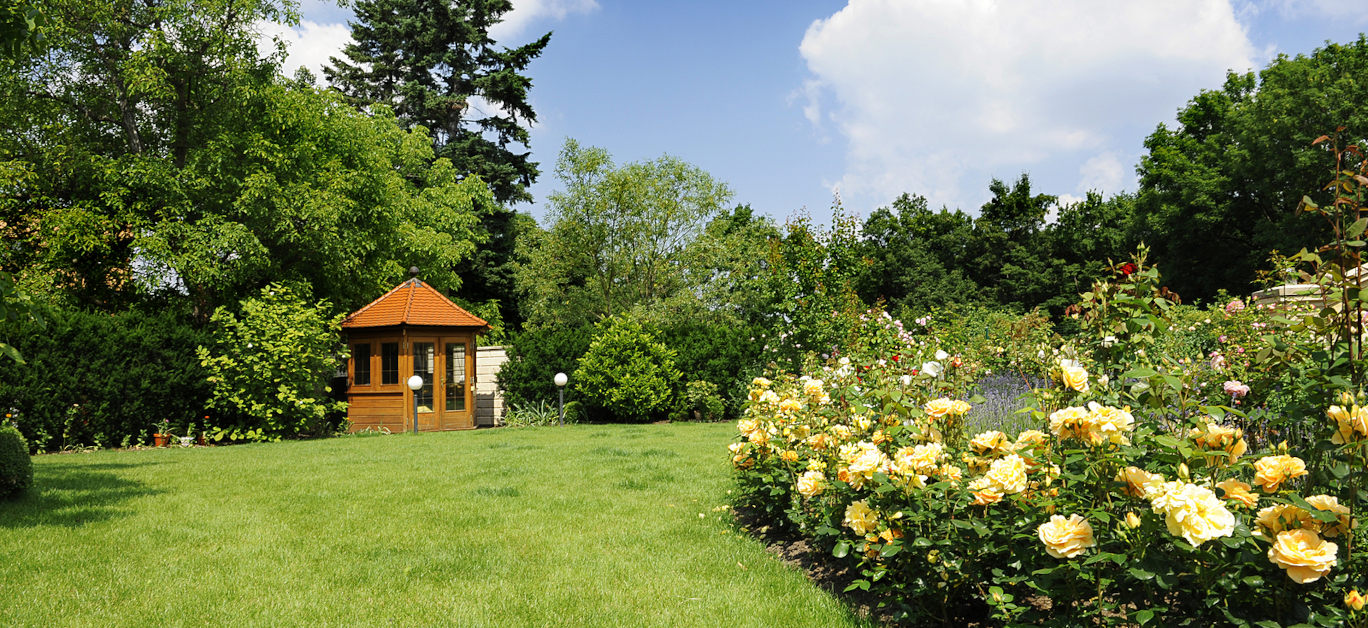
There’s something genuinely exciting about the arrival of longer days and warmer weather, it means the garden is calling, and whether you fancy growing cut flowers, a few rows of vegetables, or a proper herb patch, a bit of planning now will save you a lot of head-scratching later. It doesn’t need to be complicated – with some thought put in early doors, you can end up with an outdoor space that looks brilliant and actually feels like somewhere you want to spend time.
This guide walks through the key stages of getting ready for summer planting, with straightforward tips to help things go smoothly.
Assess your space and soil
Before you rush off to the garden centre, have a proper look at what you’re working with. Wander round your garden at different times of day and notice which spots get full sun, which are in shade by the afternoon, and where the wind tends to batter things. It makes a real difference to what will grow where.
Then get down and look at your soil. Is it boggy after rain, or does it dry out and crack within days? Crumbly, dark soil that smells earthy is a good sign. If yours looks pale, compacted, or sad, don’t panic, a good helping of compost or well-rotted manure can work wonders. If you’re genuinely unsure what you’re dealing with, a soil test kit from the garden centre will tell you exactly where you stand.
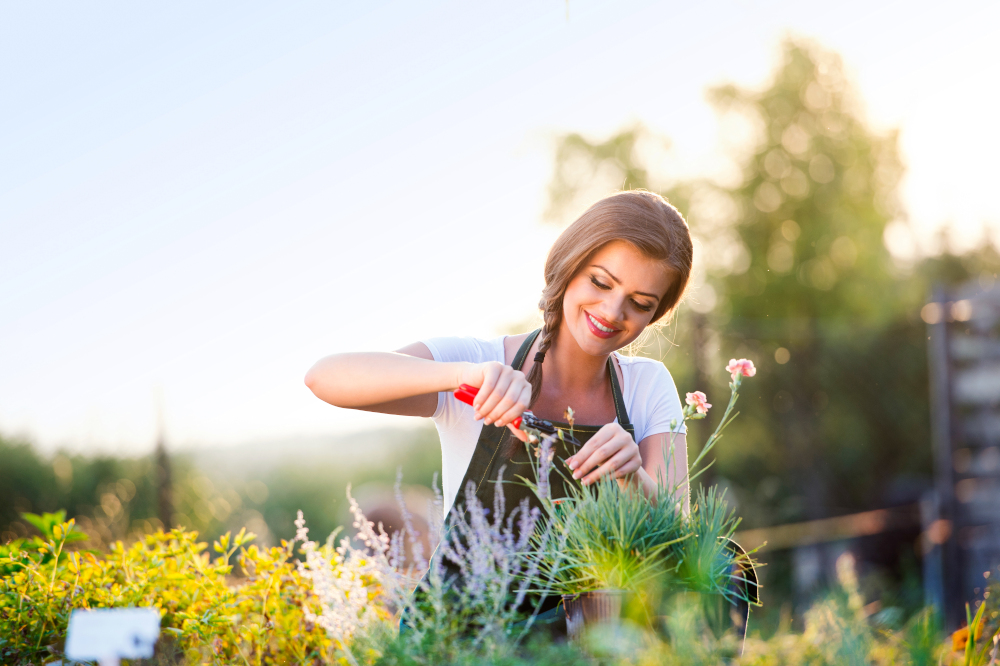 A mix of high- and low-maintenance plants tends to work well, plenty of interest without it all feeling like a second job
Choose the right plants for your space
This is the enjoyable bit. Once you know your conditions, you can start matching plants to places rather than just buying whatever looks nice and hoping for the best.
For colour and a bit of drama, summer-flowering plants like dahlias, roses, lavender, and sunflowers are hard to beat. They love the sun and tend to reward you well for fairly modest effort. If you’d rather grow something you can eat, tomatoes, courgettes, peppers, and climbing beans are all well suited to summer planting and crack on well in a sunny spot. Short on space? Most of these do perfectly well in containers or raised beds.
Do be honest with yourself about how much time you’ve got, though. Roses need a bit of attention throughout the season. Sunflowers, on the other hand, are wonderfully unfussy. A mix of high- and low-maintenance plants tends to work well, plenty of interest without it all feeling like a second job.
Plan your garden layout
Now comes the slightly more methodical part. Grab a piece of paper and sketch out your space, nothing fancy, just a rough outline with notes about where the sun hits and where shade creeps in. It really does help when you’re deciding where everything goes.
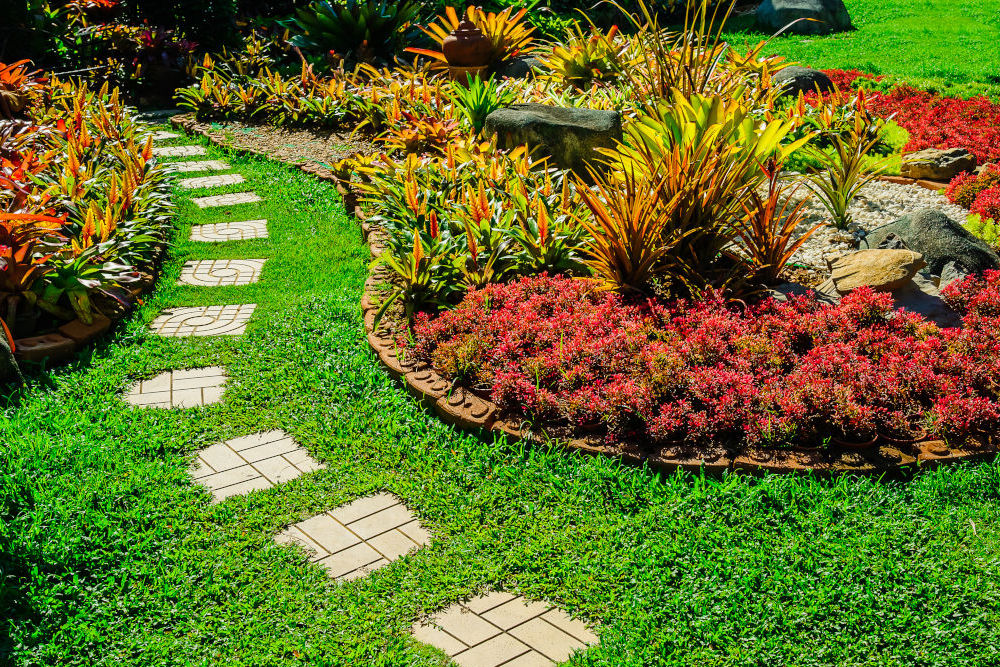 Be sure to sketch out a design of the garden before making any big decisions
Tall things like sunflowers, tomato plants, and sweet corn want to go towards the back of borders so they don’t cast shade over smaller plants in front. Sprawling things like courgettes need elbow room, so give them space or steer them onto a path where they can ramble without causing chaos. Climbers, peas, beans, cucumbers, are your best friends in a small garden. Get them up a wigwam or a trellis and you suddenly have far more growing space than it looked like you had.
Raised beds are worth considering too, particularly if your native soil is awkward. You control what goes in, drainage is better, and somehow weeding feels less grim when you’re not on your hands and knees in mud.
Prepare your soil for summer planting
Good soil preparation is honestly one of those things that separates a decent garden from a great one. Start by clearing the beds, pull weeds out by the root rather than just chopping the tops off, or you’ll be doing it again in a fortnight. If the soil is compacted, fork it over to break it up and let the roots breathe.
Once it’s cleared, dig in some compost or well-rotted manure and work it through properly. It improves structure, holds moisture, and feeds the soil life that keeps everything ticking along. If you’re growing hungry plants like tomatoes or brassicas, a balanced fertiliser is worth adding at this stage too. Rake it level, and you’re ready to go.
For containers and raised beds, use a decent potting compost, it’s not worth scrimping here, as the plants are entirely reliant on what you put in for them.
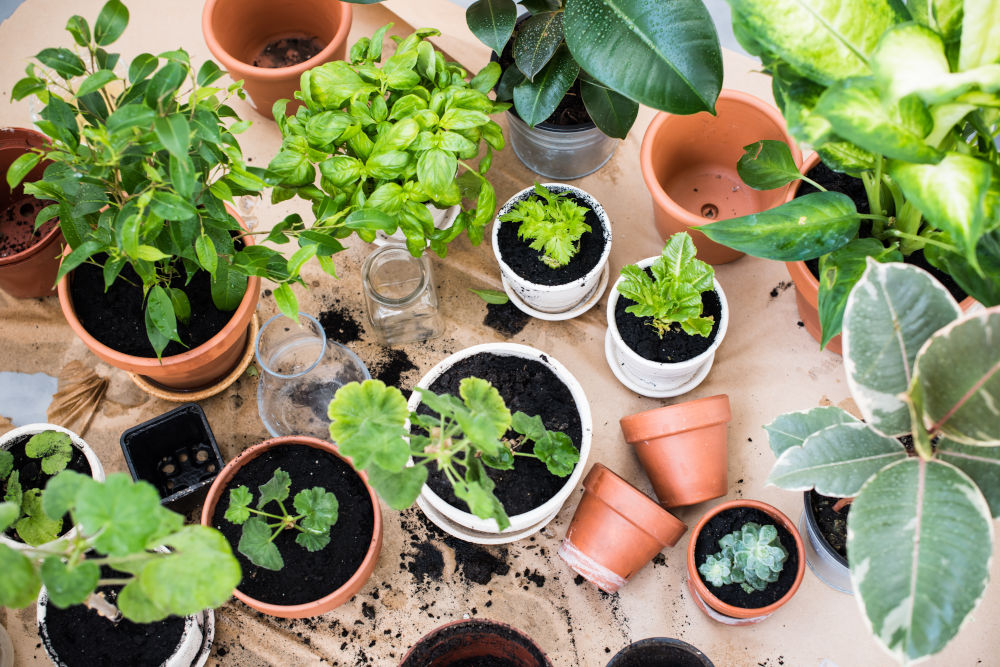 Herb gardens need some planning in advance
Timing your planting
Get the timing wrong and it can undo a lot of good work. Tender plants like tomatoes and peppers should be started off indoors, roughly six to eight weeks before the last frost date for your area, then moved outside once the weather has properly settled. Hardening them off gradually (leaving them outside for a few hours a day before planting out fully) helps avoid that wilting, sulky response you get when they’re plunged straight from a warm windowsill into a cold April wind.
Hardier stuff, like peas, beans, courgettes, can go straight into the ground once the soil has warmed up and frost risk has passed. As a rough guide, late spring to early summer is the sweet spot for most of this. Keep half an eye on the forecast. Cloches and fleece are cheap and can save a lot of heartache if there’s a late cold snap.
Watering and maintenance
Once everything’s in, the work shifts to keeping on top of things. Water regularly, particularly during dry spells, and do it in the morning or evening when the sun isn’t at its peak, otherwise much of it just evaporates before it reaches the roots. A soaker hose or drip system, if you’re willing to set one up, takes a lot of the daily effort out of it.
Weeding is one of those jobs that’s much easier done little and often than left to build up into a proper session. A layer of mulch around your plants helps enormously, it keeps moisture in, suppresses weeds, and stops the soil baking solid in hot weather. Check plants over when you’re watering. Spotting a pest problem or a touch of disease early means you can deal with it before it spreads.
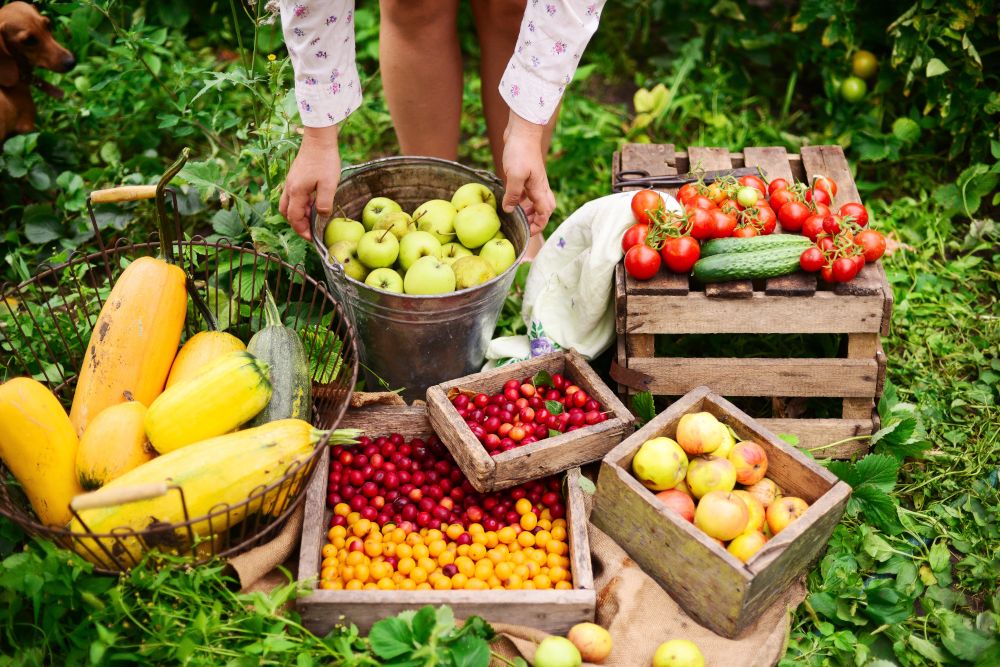 With enough care and attention you could grow a bounty of fresh fruit and veg in your garden
Enjoy the fruits of your labour
At some point, hopefully fairly soon, you get to just enjoy it. Freshly picked tomatoes, courgettes coming thick and fast, flowers you actually grew from seed, it’s a genuinely satisfying thing. The garden stops being a project and starts being a place, somewhere to sit with a cup of tea and feel rather pleased with yourself.
It doesn’t have to be perfect – gardens rarely are – but a well-planned one gives you far more enjoyment and far less frustration.
Final thoughts
Getting organised for summer planting doesn’t take a huge amount of time, but it does make a tangible difference to how the season unfolds. Understand your space, choose plants that suit the conditions, get the soil in good shape, and keep on top of the basics once things are growing. Do that, and you’ll have a garden worth spending time in, whether you’re harvesting your own veg or simply enjoying the view.
Comments are closed.