
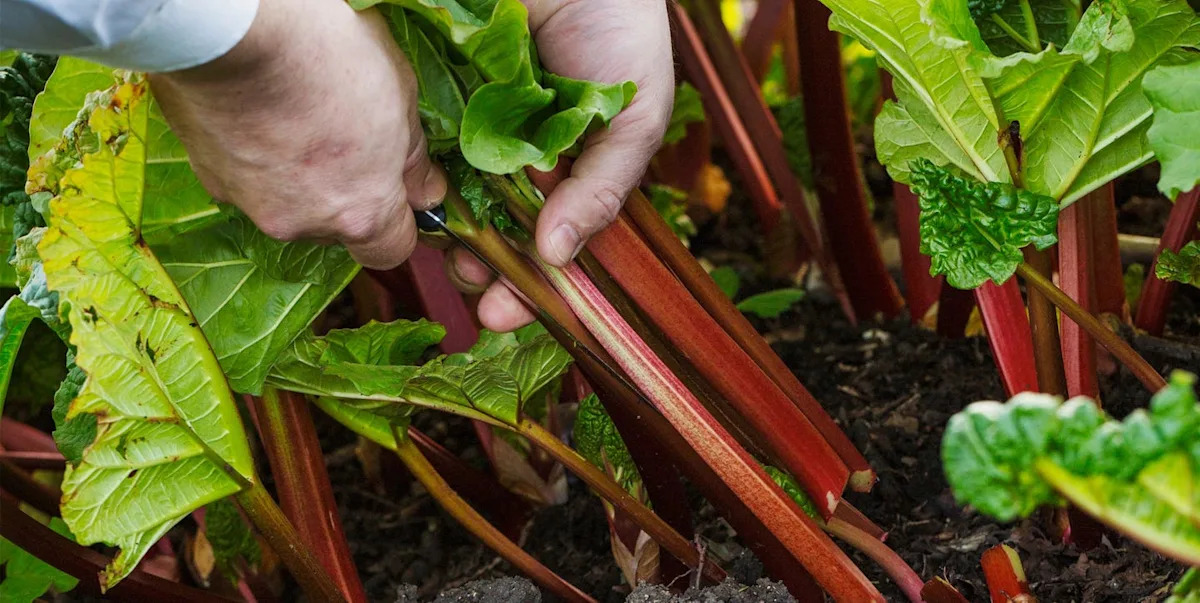
Now is the season for rhubarb. The luscious pinky-red stalks are ready to pick this month, from April through to early July.
But before you take your tangy harvest into the kitchen to stew and drizzle over ice cream or pancakes, lop off those leaves.
The leaves are inedible as they contain high amounts of oxalic acid that is toxic to both humans and animals, meaning only the stalks should be consumed (enjoyed both raw or cooked). The leaves are best placed on the compost heap where the oxalic acid will naturally break down as they decompose.
Rhubarb is a gardener’s favourite for its ease to yield a bountiful crop. It’s ever so easy to grow and requires very little nurturing, even for the most time-strapped of growers.
That said, you do need to wait a couple of years from first planting to reap the rewards as no crop should be cut in the first year and very few stalks in the second to help the plant bed in. Then, the ‘rhubarb rule’ for harvesting is to never pull out more than a third of the plants stalks.
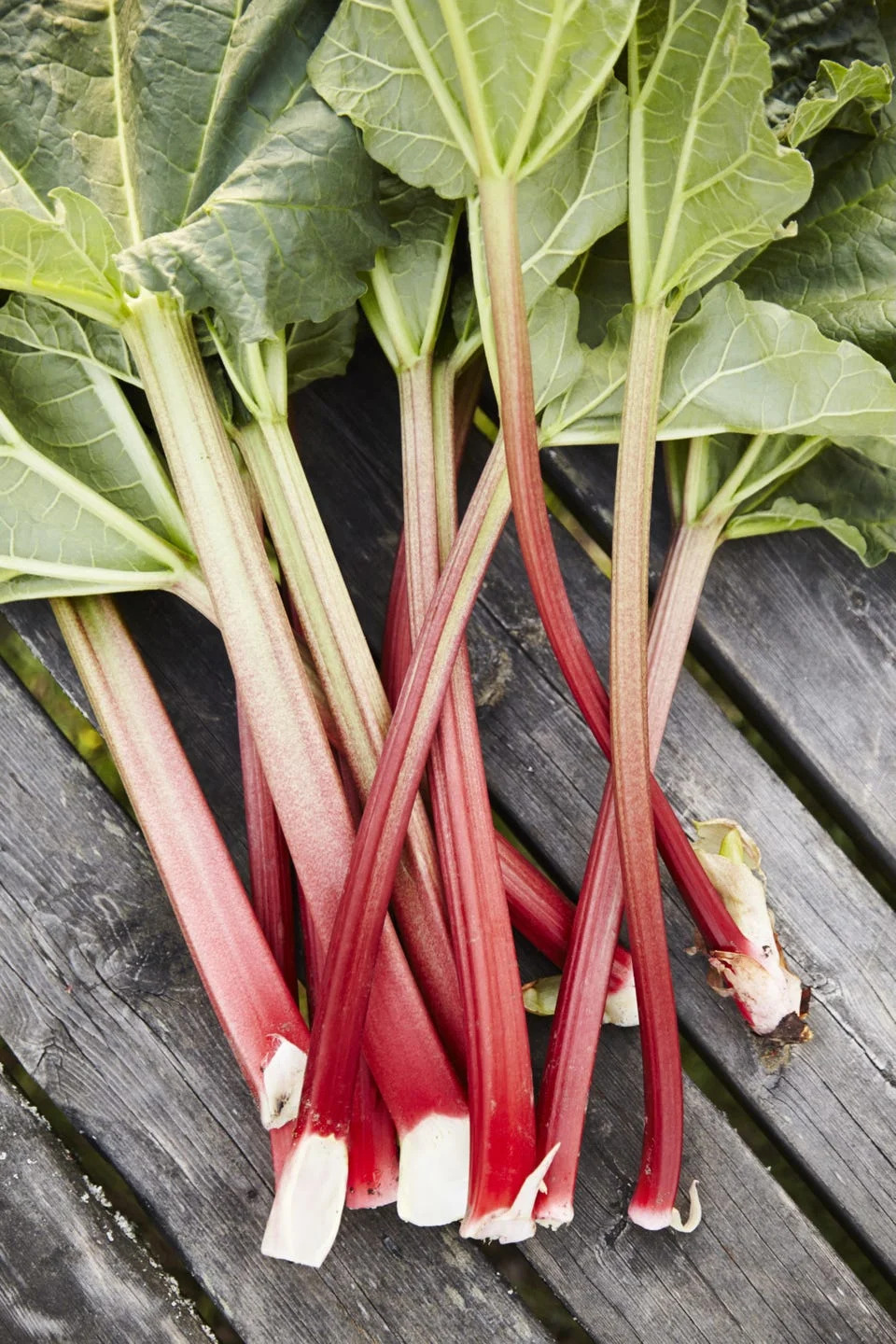
Photo Getty Images; Johner Images – Getty Images
This hardy perennial can be grown in ground soil, raised beds and even containers (just make sure it’s a large pot), as they do need a lot of room to grow.
Small holder and Country Living columnist Sally Coulthard says: “Rhubarb is heaven for a busy smallholder because it looks after itself and the same plant will keep on gifting you sustenance for years.
“Like me, rhubarb loves an open, sunny garden, but can cope with semi-shade. What it hates is being waterlogged, so you just need to make sure it’s sitting in free-draining soil. I’ve always grown my rhubarb from plants rather than seeds – I’m far too impatient.”
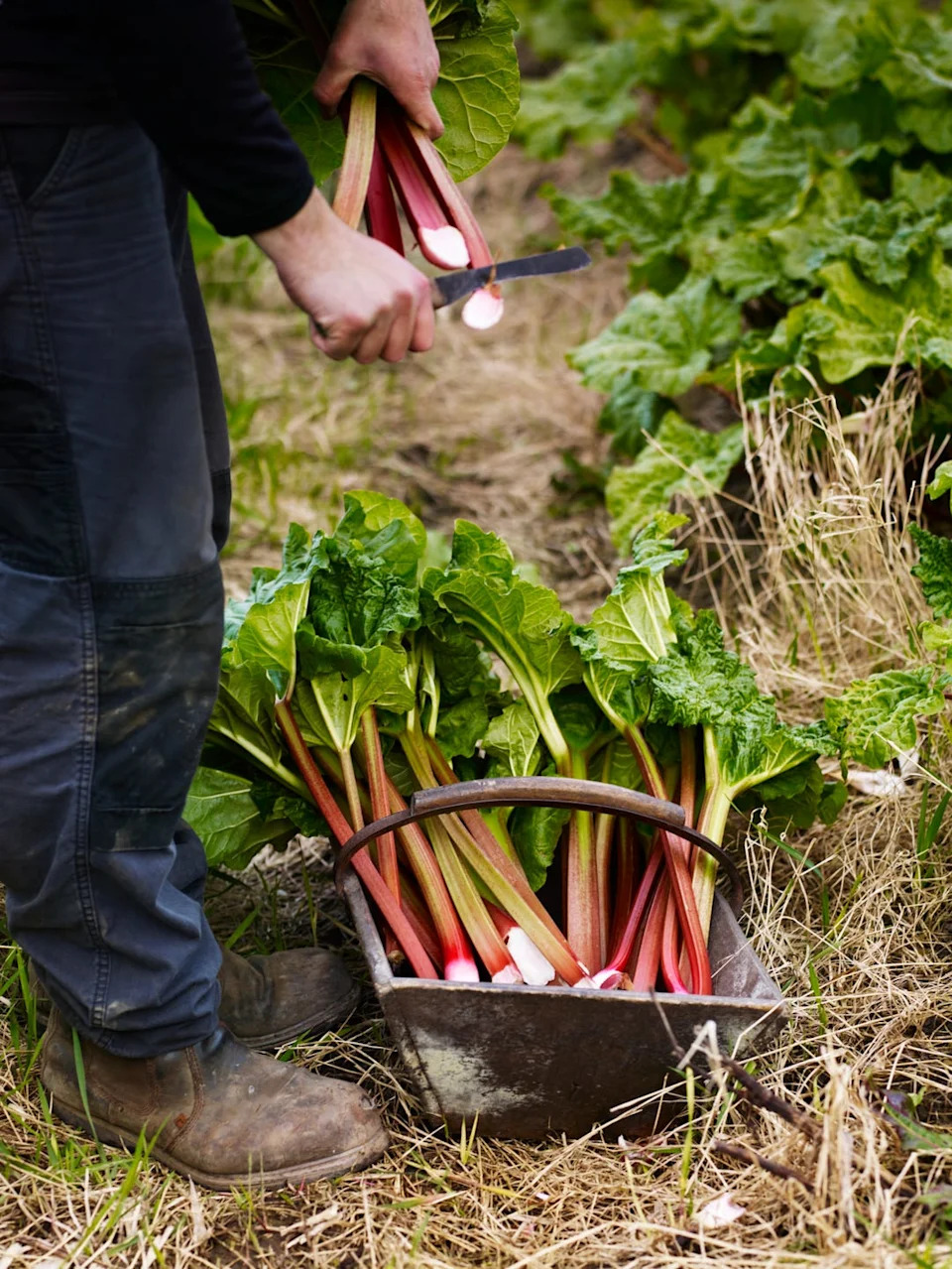
Photo Andrew Montgomery – Hearst Owned
While you’d be forgiven for thinking rhubarb is a fruit, for its use in plenty of desserts, it is in fact a vegetable and can add punch to both savoury and sweet dishes.
Sally continues: “Alongside everyone’s school favourite – rhubarb crumble – these blush-pink stalks also make amazing jellies, curds, drinks, chutneys, cakes and much more besides. Rhubarb also makes a zingy, mouthwatering accompaniment to fatty meats such as duck or pork, and oily fish such as mackerel. Even smothered in custard, it’s still good for you, providing a rich source of vitamins K and C”.
Learn more about how to grow rhubarb with Le Manoir’s gardener Nadya Pearson via our Plot to Plate YouTube series.
Filberts of Dorset Gardeners Hand Salve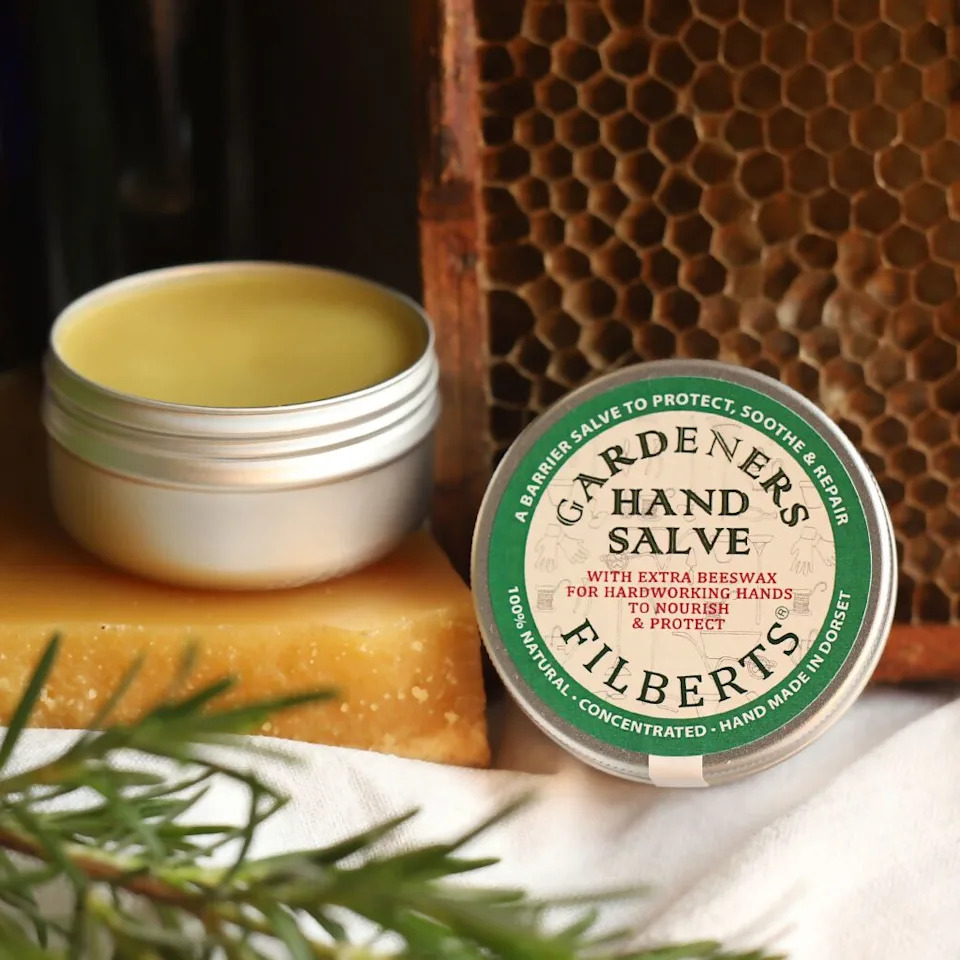
BUY NOW
Filberts of Dorset Gardeners Hand Salve
countrylivingshop.co.uk
£9.95
Haywards Garden Bee and Butterfly Water Stations, Garden Décor, set of three colourful bee water cups .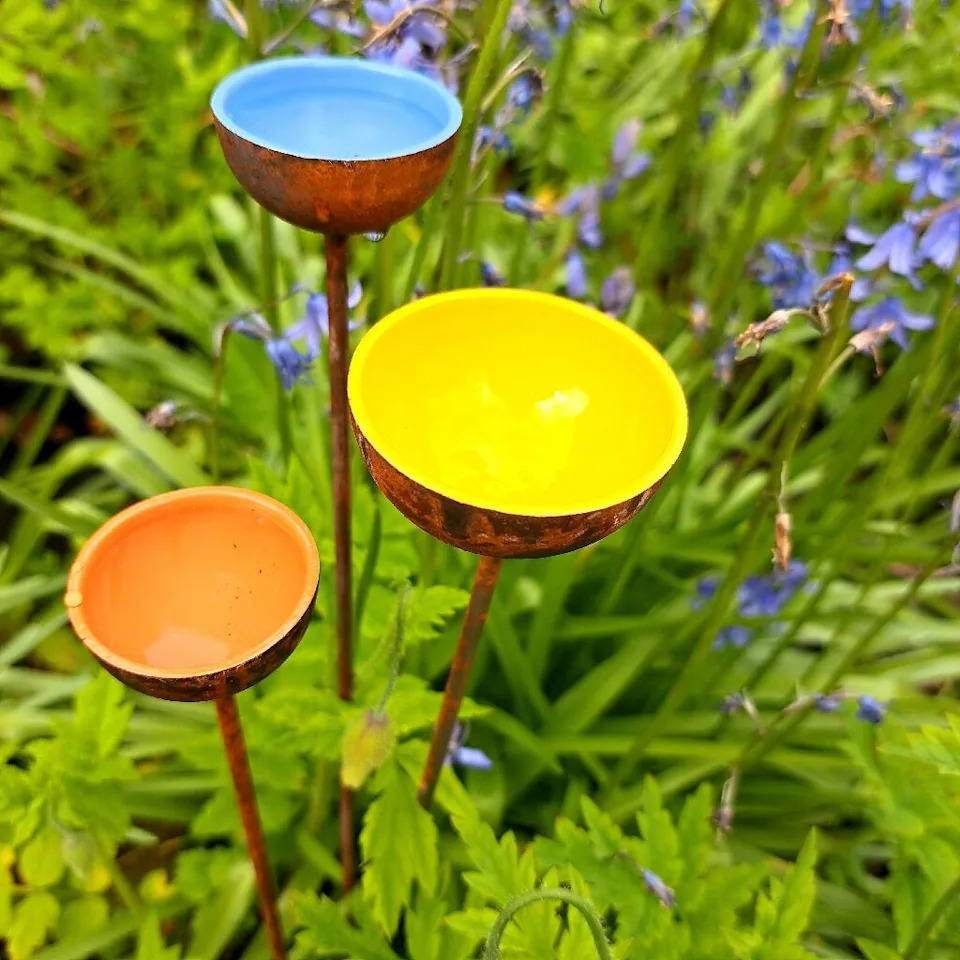
BUY NOW
Haywards Garden Bee and Butterfly Water Stations, Garden Décor, set of three colourful bee water cups .
countrylivingshop.co.uk
£30.00
Home Sussex Handmade Peg Apron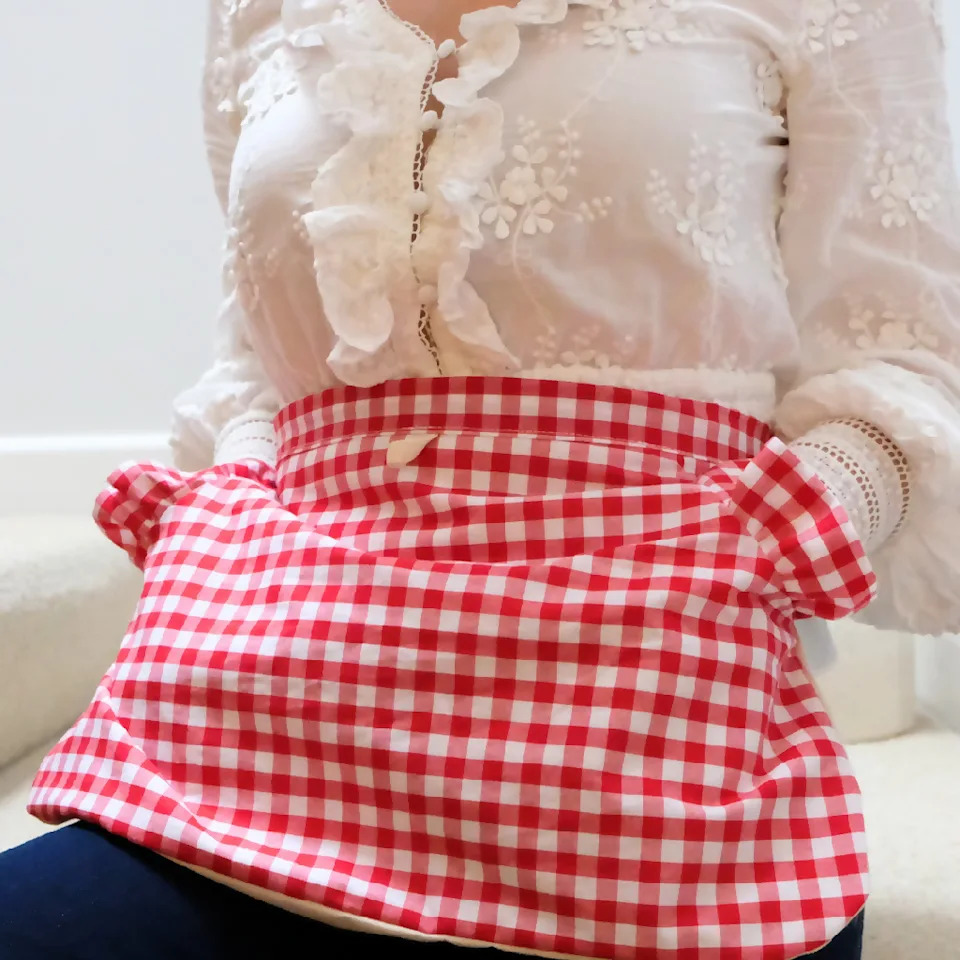
BUY NOW
Home Sussex Handmade Peg Apron
countrylivingshop.co.uk
£35.00
Painted Garden Label/Marker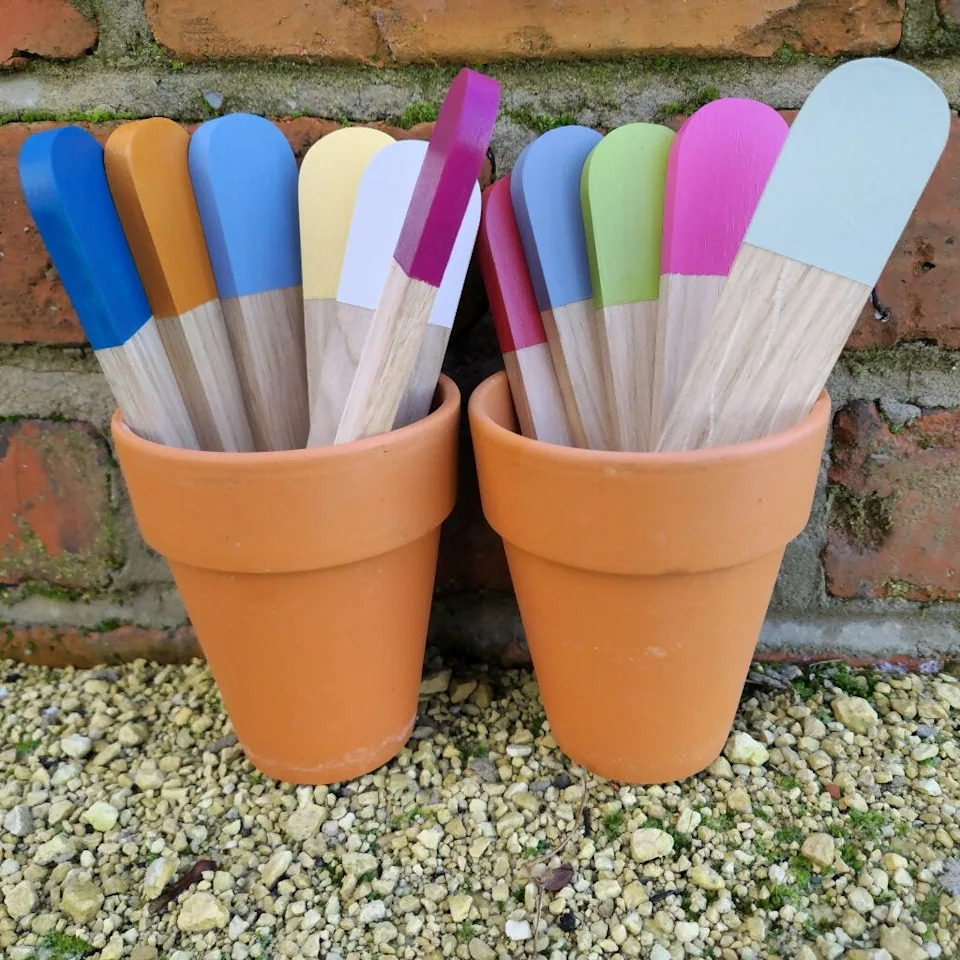
BUY NOW
Painted Garden Label/Marker
countrylivingshop.co.uk
£4.00
The Fae Potter Wild Bird Feeder ceramic hanging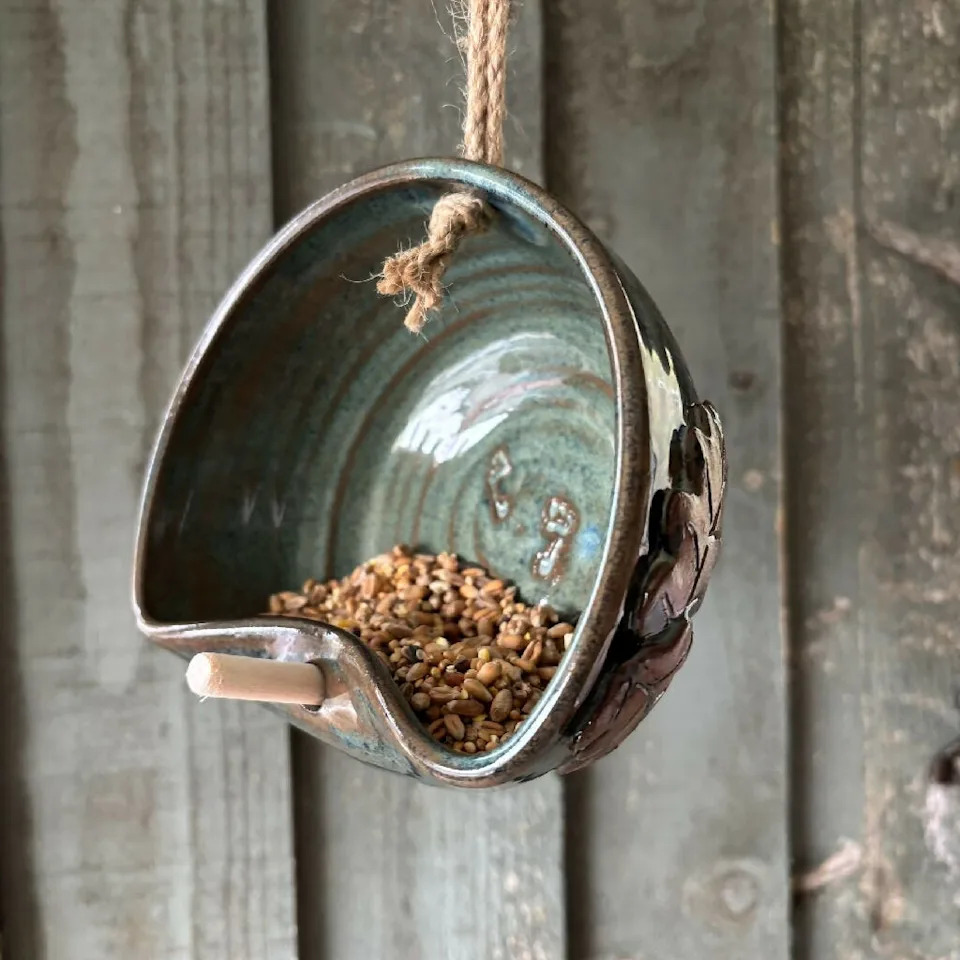
BUY NOW
The Fae Potter Wild Bird Feeder ceramic hanging
countrylivingshop.co.uk
£29.00
WhinnyPoo WhinnyPoo Box of 3 Plant Feed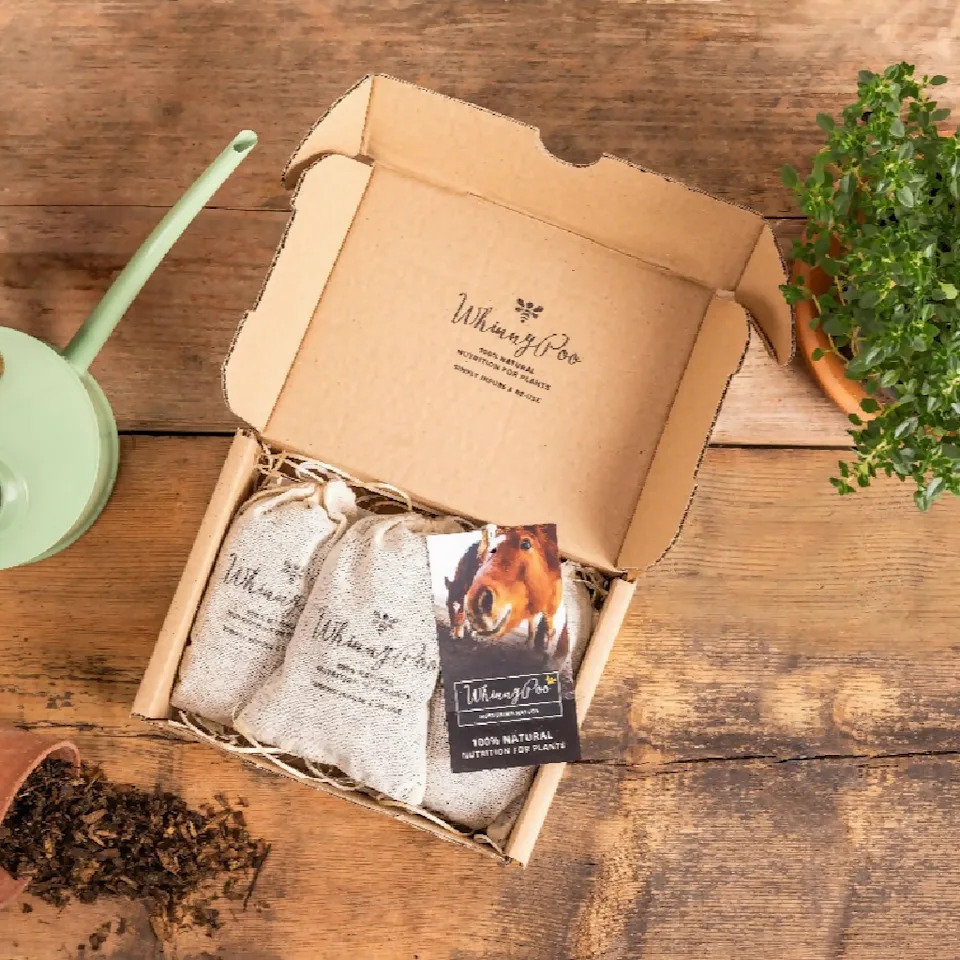
BUY NOW
WhinnyPoo WhinnyPoo Box of 3 Plant Feed
countrylivingshop.co.uk
£14.99
Comments are closed.