


These plants need to be carefully removed (Image: Getty)
As the weather warms up and people begin to get outside, experts are warning gardeners to keep an eye out for an invasive species spreading rapidly across the UK. Many people likely already have this plant growing in their garden and haven’t noticed but if they are left to spread they can wipe out native blooms.
The invasive plant is the Spanish bluebell – introduced as ornamental garden plants. However, now they quickly take over and outcompete the native English bluebells. Now they are one of the biggest threats to the native flowers. This is because they grow faster, produce more seeds and easily hybridise with other native plants, creating cross breeds that outcompete the native blooms.
READ MORE: ‘I’m a lawyer – do this first in a neighbour boundary dispute’
READ MORE: Gorgeous nature-inspired baby name making a comeback this year
Chris Bonnett, plant expert and founder of Gardening Express, said: “Spanish bluebells can spread more easily than our native species, so gardeners need to be aware of how quickly they can multiply.
“The biggest risk comes from gardens, where they may be planted for their beauty but can spread beyond boundaries through seeds, bulbs and garden waste if left unchecked.”
Native bluebells are a protected species and a vital part of the UK’s natural heritage, but once Spanish bluebells escape gardens, they can spread into nearby countryside and woodlands, making gardens a key battleground in protecting the native species.
Many gardeners don’t know the difference between the two, so are inadvertently helping the introduced species flourish.
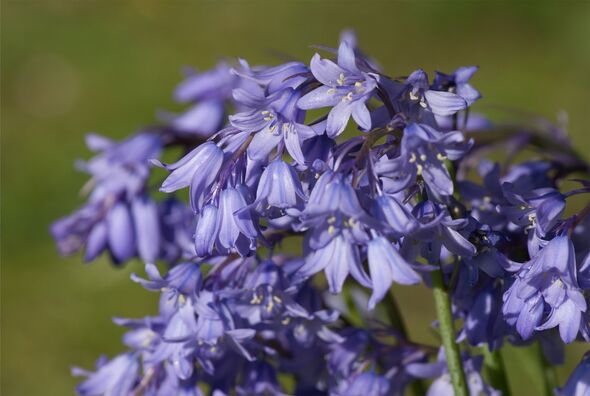
Spanish bluebells are slightly different to English ones (Image: Getty)
The two can be told apart by the difference in their shape. Spanish bluebells grow straight up, with flowers all over the stem, whereas native English bluebells droop in a curved shape.
There’s also a difference in colour – the Spanish versions are pale blue or lilac and can sometimes appear pink or white, but the English bluebells are a deep, violet colour. Native bluebells also smell sweet and strong, but Spanish bluebells have no scent.
Although Spanish bluebells are not on the Government list of invasive plants in England and Wales, they are considered invasive in Northern Ireland and the Republic of Ireland. In Scotland, it’s an offence to plant any non-native species in the wild.

English bluebells have a more drooped appearance (Image: Getty)
Chris said: “Gardeners play a crucial role in protecting native bluebells. Even a single garden population can establish in surrounding areas within a few years, so early identification and careful management can make a big difference.”
To help stop the spread of these invasive plants, you need to remove them carefully.
Ensure you dig out the entire bulb and dispose of it properly – never put them in compost or garden waste. Instead, bag the plants and throw them into general waste.
Comments are closed.