

Slugs and snails can be a real nuisance in the garden, but the expert shares effective methods to tackle them without resorting to harsh chemicals
Sophie Harris Senior Lifestyle Reporter and Ellen Jenne Senior U35 Spare Time Writer
07:43, 08 Apr 2026
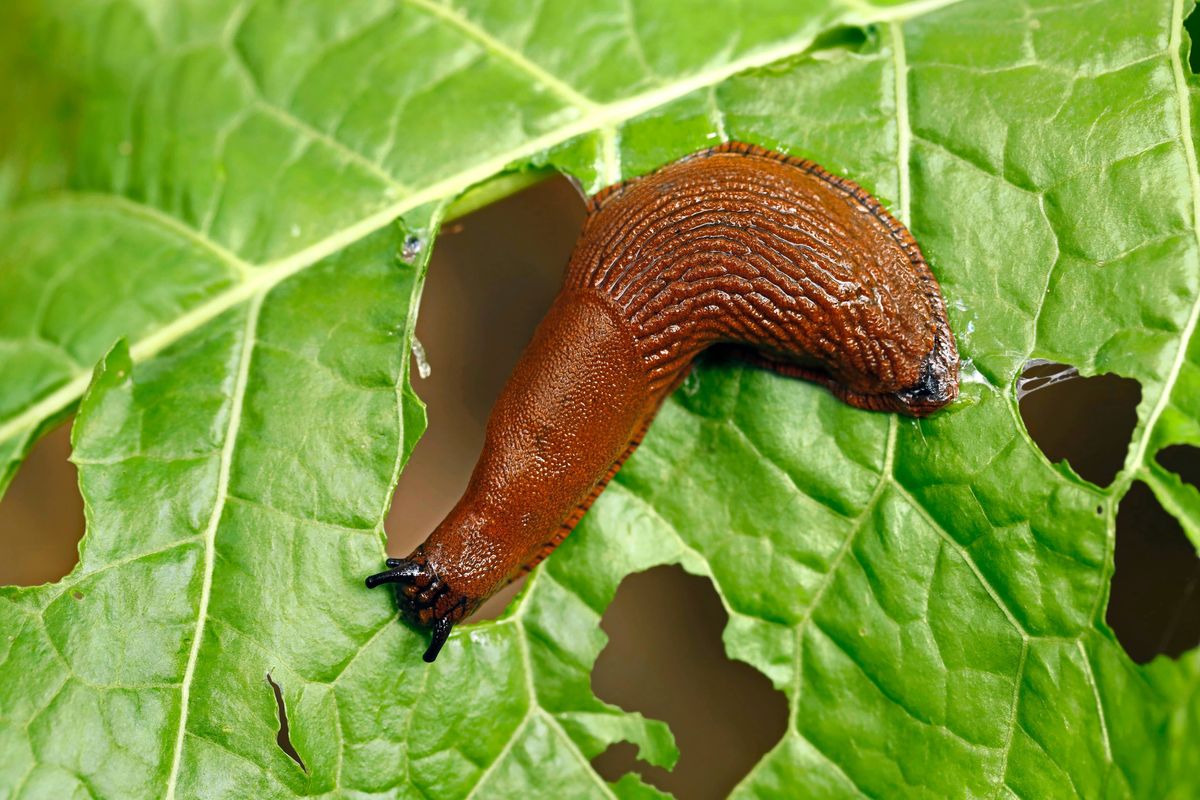
Slugs and snails can be a real nuisance in the garden, but the expert shares effective methods to tackle them without resorting to harsh chemicals(Image: Andreas Häuslbetz via Getty Images)
For countless gardeners, slugs and snails prove to be a persistent nuisance. From devouring seedlings to leaving unsightly trails, it often feels like an uphill struggle, particularly during the summer period.
While reaching for pellets to eliminate them might seem straightforward, this approach is strongly discouraged by horticultural experts, including Monty Don. In a blog post from April 2024, the renowned gardening authority revealed his approach to managing them in his own plot.
Monty said: “Slugs and snails are widely regarded as the gardener’s public enemy number one, but they are superb at recycling waste vegetative matter, and do not discriminate between a fallen leaf and a delicious young seedling.
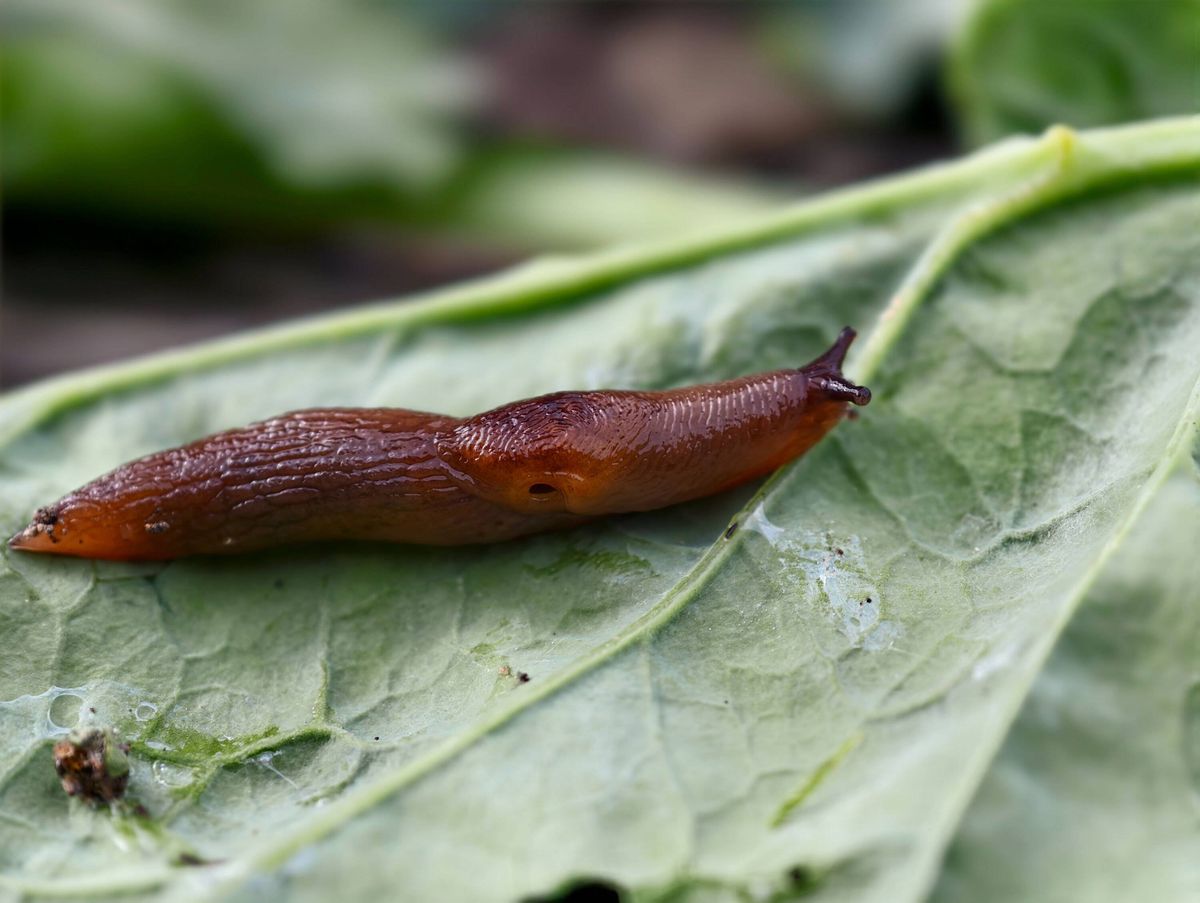
You won’t need to use harsh chemicals to get rid of slugs and snails this spring(Image: Getty)
“Slugs live largely underground in the soil and like damp conditions. Snails live above ground and love dark nooks and crannies such as old brickwork or a nice dry yew hedge, as well as clustering around the base of containers.
“Although there are over 30 species of slug in the UK, there are four main garden ones, and the biggest do not necessarily do the most damage.
“What you see is actually a tiny percentage of the population, and slug activity and densities of over 250,000 per acre are common.”
So what steps can a gardener take to maintain control? Firstly, Monty cautioned against deploying any slug pellets or chemical treatments that might endanger wildlife, reports the Express.
As an alternative, establish a compact, slug-proof cold frame or raised table where vulnerable young plants can be cultivated, while conducting daily inspections for slugs.
Monty added: “Do not feed plants more than is absolutely necessary and always feed the soil, not the plant.
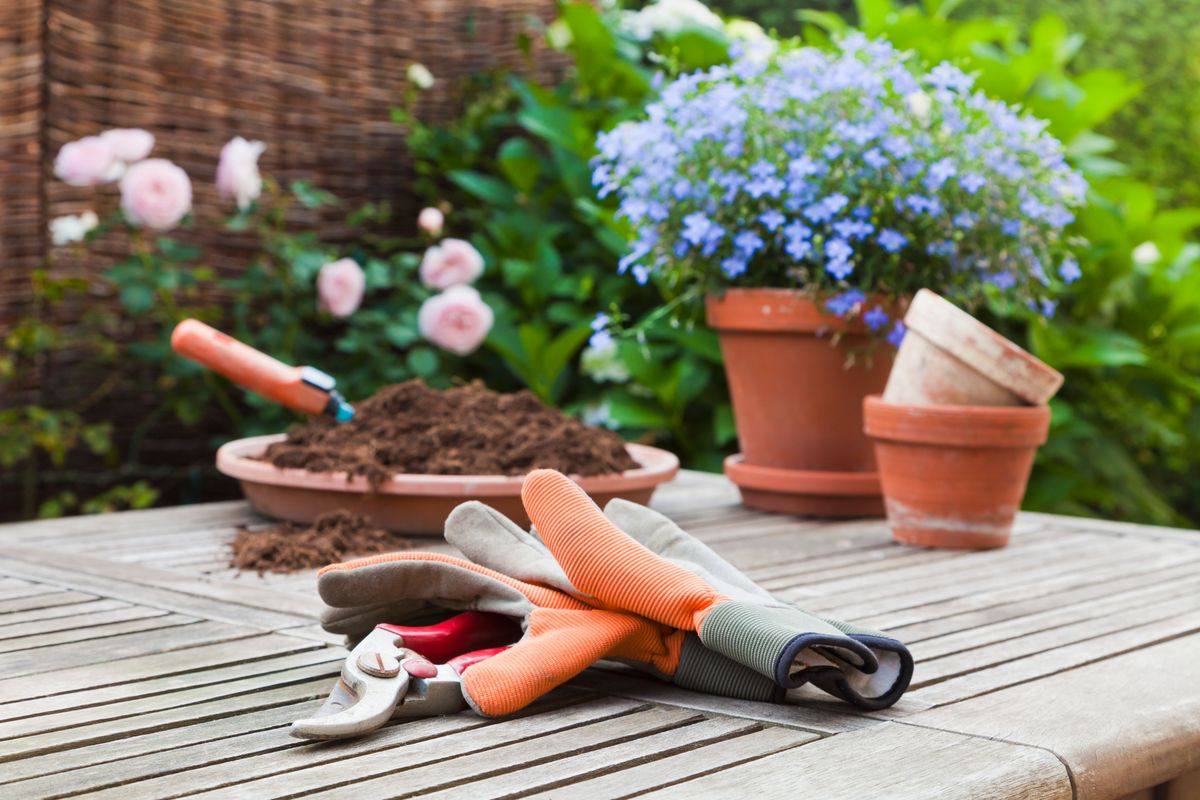
Place plants on raised tables in the garden to keep out of reach of slugs(Image: Getty Images)
“This will avoid a spurt of soft, sappy growth that slugs love. Without stressing them with sudden temperature or cultivation changes, grow your plants as ‘hard’ as possible, which means do not mollycoddle them.”
The celebrated horticulturalist also urges gardeners across the country to attract a diverse array of natural predators to their outdoor spaces.
Monty revealed that his own garden benefits from an abundance of thrushes, frogs, toads, beetles, centipedes, shrews and a handful of hedgehogs, all of which help him keep slug populations in check.
He added: “This needs plenty of cover, an avoidance of toxic chemicals, such as slug pellets, and a degree of tolerance for collateral damage.”
Comments are closed.