
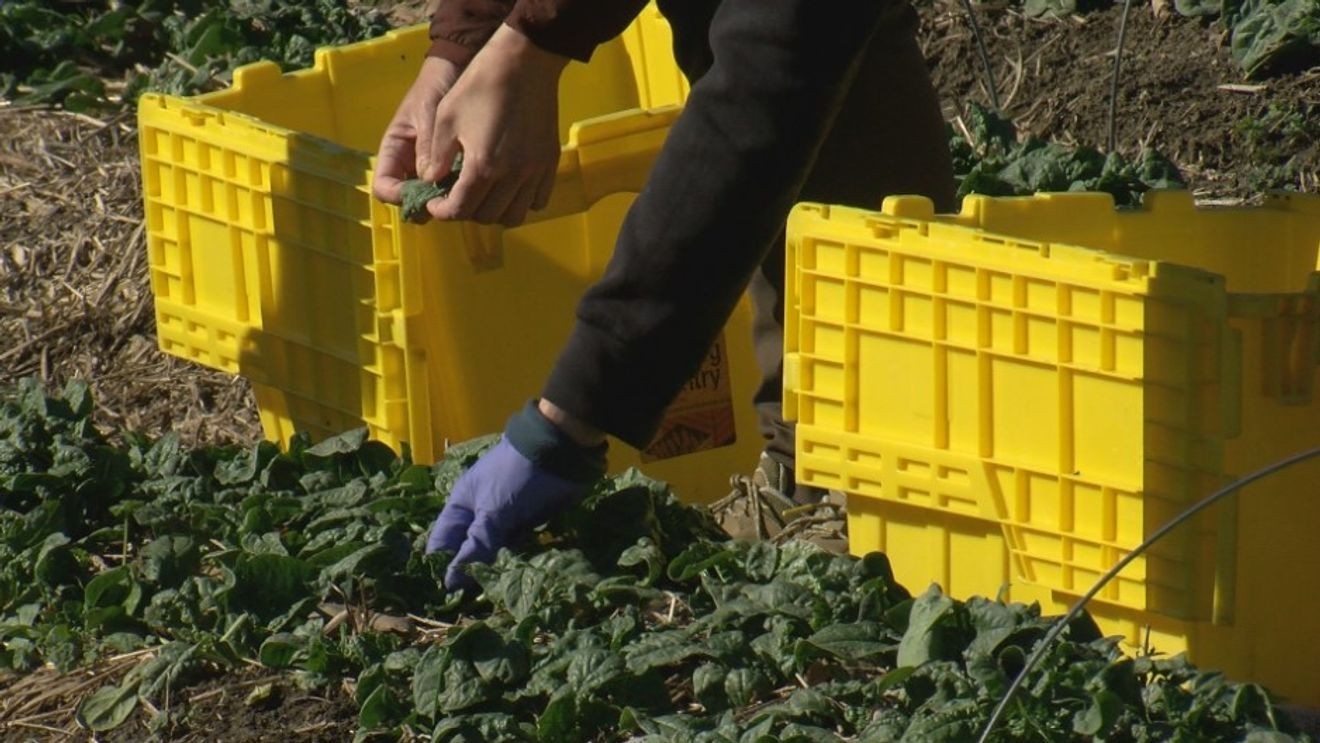
Columbia, MO. (KRCG) – In an effort to bridge the gap between home gardeners and those in need, The Food Bank for Central and Northeast Missouri’s Garden Giving initiative is reshaping how communities think about food waste and nutrition.
This program connects individuals with surplus produce to local hunger relief organizations, ensuring that fresh, nutritious fruits and vegetables reach those who need them most.
By donating excess garden harvests, participants not only help reduce food waste but also empower their neighbors to lead healthier lives.
The significance of Garden Giving extends beyond food distribution. Nutritious foods are known to boost energy levels, enhance concentration, and play a vital role in managing chronic conditions such as heart disease and diabetes.
By sharing fresh produce, community members contribute to a healthier future and foster long-term food security for all.
The program invites anyone with an abundance of homegrown produce to participate. Local partner agencies, including The Food Bank and various others within a 32-county service area, welcome these donations, creating a direct line of support for those in need.
For added convenience, the Fresh Food Connect app simplifies the donation process and by entering a ZIP code, users can easily locate nearby drop-off sites.
The app guides them through the donation process, allowing them to log their harvest and choose a convenient time for drop-off.
The impact of Garden Giving is evident through the experiences of various local contributors and beneficiaries.
Lily Chan, an interfaith garden coordinator, has been working with The Food Bank as a garden giver since 2009.
“It’s very satisfying to see people appreciate the fresh, nutritious vegetables we provide,” she shares, noting the joy that comes from donating organic produce grown with care.
Meanwhile, at Columbia’s Agriculture Park, farm manager Clint Shannon oversees a partnership with The Food Bank Market, where they cultivate over 30,000 pounds of produce annually.
Shannon emphasizes the importance of choice in food distribution, explaining, “The Food Bank Market operates like a grocery store rather than a typical pantry, allowing people to select what they need.”
Jennifer Layton, a neighbor who has relied on The Food Bank Market since 2018, reflects on her journey to utilizing these resources.
Initially hesitant, she discovered that the pantry offered more than just basic food items; it provided access to fresh, healthier options that her limited budget often couldn’t afford.
“I was living off boxed and canned foods, which aren’t healthy. The focus here is on getting fresh fruits and vegetables to people in need,” she explains.
Layton’s story highlights the stigma some feel when accessing food assistance, often believing they are taking away resources from those more desperate.
However, she reassures, “There’s always plenty to go around. This Market is an amazing resource for the community.”
As the seasons change, the garden continues to thrive, with plans for planting a diverse array of fruits and vegetables.
The ongoing feedback from community members ensures that the crops grown are those that meet the needs and preferences of local families.
Garden Giving is more than an initiative; it’s a movement towards nurturing community bonds and ensuring that everyone has access to nutritious food.
By participating, home gardeners can make a significant impact while helping to cultivate a culture of sharing and support within their neighborhoods.
For those interested in contributing, download the Fresh Food Connect app, find a local drop-off site, and share your harvest.
Comments are closed.