
 5 min read
Starting a garden is such a rewarding undertaking. Whether you’re growing a vegetable garden, nurturing a flower bed, or planting potted herbs, there’s nothing like watching your seedlings sprout, bloom, and beautify your yard. “Taking your garden from an idea to a seed to a seedling to a plant to a flourishing garden is one of life’s greatest pleasures,” says Jennifer Mooney, owner and designer of Paula’s Perennials in central Connecticut. Not to mention, spending time in the fresh air and sunshine is good for you! New and seasoned gardeners alike know the calming affect of digging beneath the dirt, smelling the fresh soil, and listening to the birds chirp whenever they tend to their gardens.
But before reaping the benefits of this hobby, you’ll first have to put in a bit of work: preparing your yard, building your garden, caring for your plants, and waiting patiently for the results. It might seem like a tedious, tiring process, but when you implement all the right tips and techniques, your plants will start to thrive.
Making common gardening mistakes, however, can sabotage your garden’s progress. So, to set yourself up for success, we consulted Mooney and Dianne Lawrence, the president of board of directors for Harris County Master Gardeners Association, who have listed and unpacked some of the most common beginner gardening mistakes to avoid, along with how to prevent (or fix) them.
JasonDoiy//Getty Images
Overestimating the Plot Size
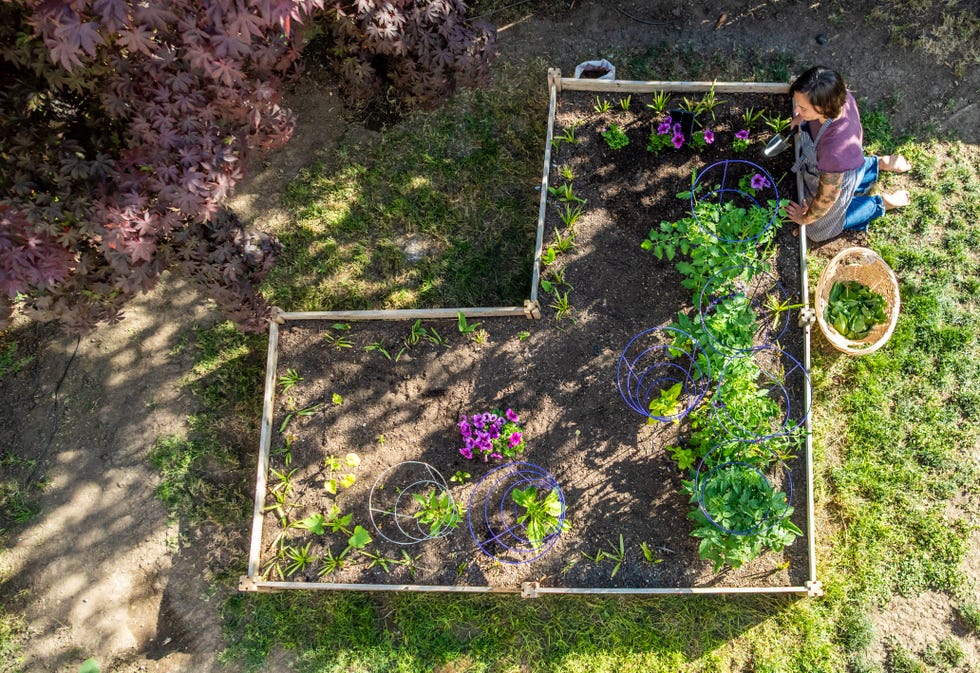
You might have big dreams for your garden, but starting small is the best way to execute them. If the plot size of your garden is too extensive, gardening will start to feel more like a chore than a fun pastime, so you’ll be more likely to throw in the towel. “Caring for a large garden can be overwhelming if you’re inexperienced,” Lawrence says. Since a larger plot of land means more vegetation, maintenance and potential issues will become more pervasive and intensive.
Instead of turning your garden into something overwhelming and unmanageable, carve out a smaller plot. For beginner gardeners, a four-by-four-foot or four-by-eight-foot raised bed is easiest to maintain, while a 10-by-10-foot plot is best for in-ground gardens. As your experience grows, you can always add on.
Neglecting Sunlight Needs
Sunlight is an essential nutrient for a majority of plants, whether you’re growing tomatoes, berries, thyme, or dahlias. However, when beginners map out the layout of their garden, they often overlook the importance of sunlight and focus instead on aesthetics. But growing your sunflowers and lavender in the shade will prevent them from reaching their full potential.
While some plants are shade-tolerant (think: flowering perennials and ferns), most need six to eight hours of direct sunlight to thrive—especially fruiting plants and flowers. Leafy greens and root vegetables can grow in partial shade (four to six hours of direct sunlight), but a bright source of light is still necessary. Assess how much sunlight each pocket of your garden gets before scoping out the best spot for planting.
Overcrowding Your Plants
As you brainstorm the blueprint of your garden, another common gardening mistake that beginners typically make is planting produce and blooms too close together. When a plot becomes overrun, the stressed-out plants start competing with one another for nutrients. Overcrowding also means reduced airflow, which can cause weak stems, stunted growth, and mold or mildew.
When starting your garden, double-check that your vegetation has enough breathing room. While the ideal spacing depends on the plant’s width, small plants like lettuce and herbs need two to 12 inches between them, medium plants like peppers and kale require 12 to 24 inches, and large plants like tomatoes and squash thrive with 24 to 36 inches of space.
Natalia Lebedinskaia//Getty Images
Growing Too Much Variety
Variety may be the space of life, but too much of a good thing is typically counterproductive. As a beginner, you might be tempted to buy every shiny new plant that catches your eye, but doing so can backfire, leading to overwhelm and burnout.
Instead of starting a large garden with every type of vegetable and flower imaginable, begin with a small container garden or a single raised bed. Sticking to one type of plant will also simplify the gardening project—then, once you understand its needs, you can expand. “To create a calm, orderly flow in the garden, a good rule of thumb is to plant in threes and repeat them along the border,” Mooney says.
Prioritizing One Season
Colorful flowers and fresh produce come to life in the spring, but many beginners fall into the trap of planting only spring-blooming perennials, according to Mooney. While your backyard might look full and vibrant during springtime, the grounds will seem sad and bare every other time of year.
Luckily, there are so many summer blossoms and fall blooms that are just as stunning as spring buds. Mix in perennials that flower at different times, and you’ll enjoy color and vitality from early spring until the first frost. Mooney advises planting three varieties in April, three in June, and three in July or August. “This way, your garden will have a continual succession of bloom,” she says.
Using Low-Nutrient Soil
A lot of beginners make the mistake of planting their annuals and perennials directly into nutrient-deficient dirt without paying attention to the soil quality. In order to grow healthy and happy plants, you’ll need to nurture them with nutrient-rich soil—otherwise, your vegetation might experience stunted growth, drooping foliage, or tiny blooms. “It doesn’t matter how good your plants are—if the soil is not well-drained and fertile, plants will not do well,” Lawrence says.
Before planting your flowers, shrubs, or crops, test the pH of your soil to determine what nutrients it needs. “Your local county agent will be a resource to analyze your local soil and tell you what is missing and how to improve it,” Lawrence notes. Then, add compost, organic matter, or a balanced fertilizer to give your garden a boost.
Anna Mardo//Getty Images
Watering Incorrectly
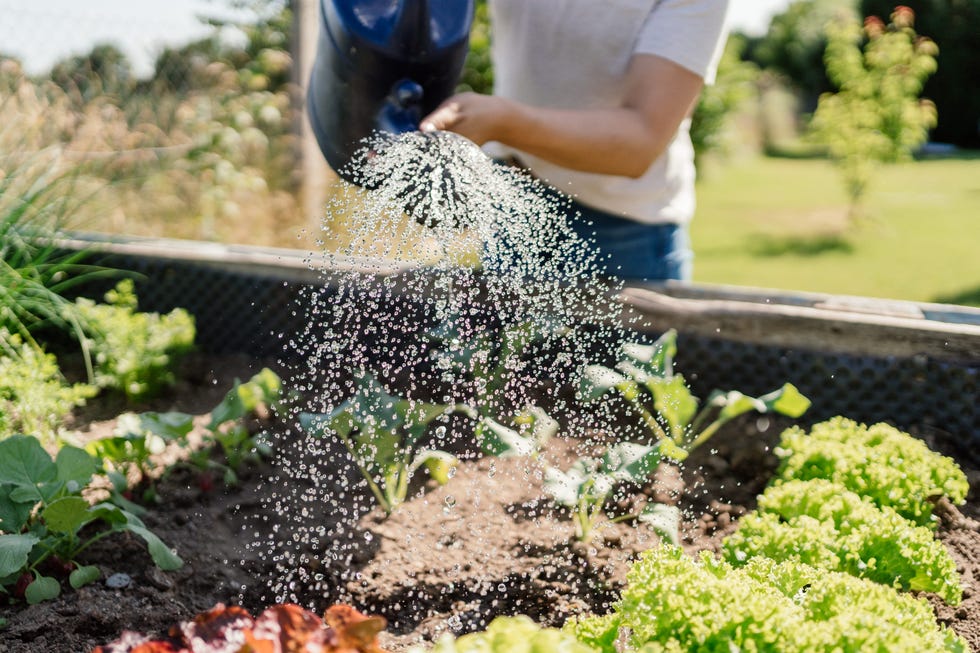
All plants get thirsty, so they crave a consistent source of water to stay healthy and hydrated. There is a sweet spot, however: It’s common for beginner gardeners to zealously overwater their plants or forget about their plants’ hydration needs altogether. But excessively watering plants can zap the soil of its oxygen and cause root rot, whereas insufficient water can dry out plantings.
How often you water your plants does depend on the season (spring and summer increases water needs, for instance), you can use your finger to assess when it’s time to soak your crops. “Always feel the soil at the roots of the plant to see how much water they need,” Mooney suggests. If the top one or two inches is dry, take it as your cue to grab the watering can or turn on the hose.
Forgetting to Layer on Mulch
After digging holes in the ground, planting your seeds, and packing the soil, you might think that all the prep work is done. Sprinkling on mulch, however, is an important step that many beginners overlook. A top layer of mulch helps retain moisture, ward off weeds, and regulate the temperature of the soil.
To help your plants grow big and strong, apply two to three inches of mulch on top of the soil. The best time to mulch your plants is generally mid-spring or late-spring, but you can also go about the process in autumn to protect the plants’ roots from freezing. Just be sure to avoid mulching your plants when the soil is cold or right before heavy rain.
More Tips to Perfect Your New Garden

Lilly Blomquist is the associate editor at The Pioneer Woman, where she writes lifestyle stories across a wide range of topics—including news, entertainment, holidays, food, and more.
Comments are closed.