

A simple trick can help fix a patchy lawn by firming soil and removing air pockets before sowing grass seed to ensure the perfect lawn ahead of summer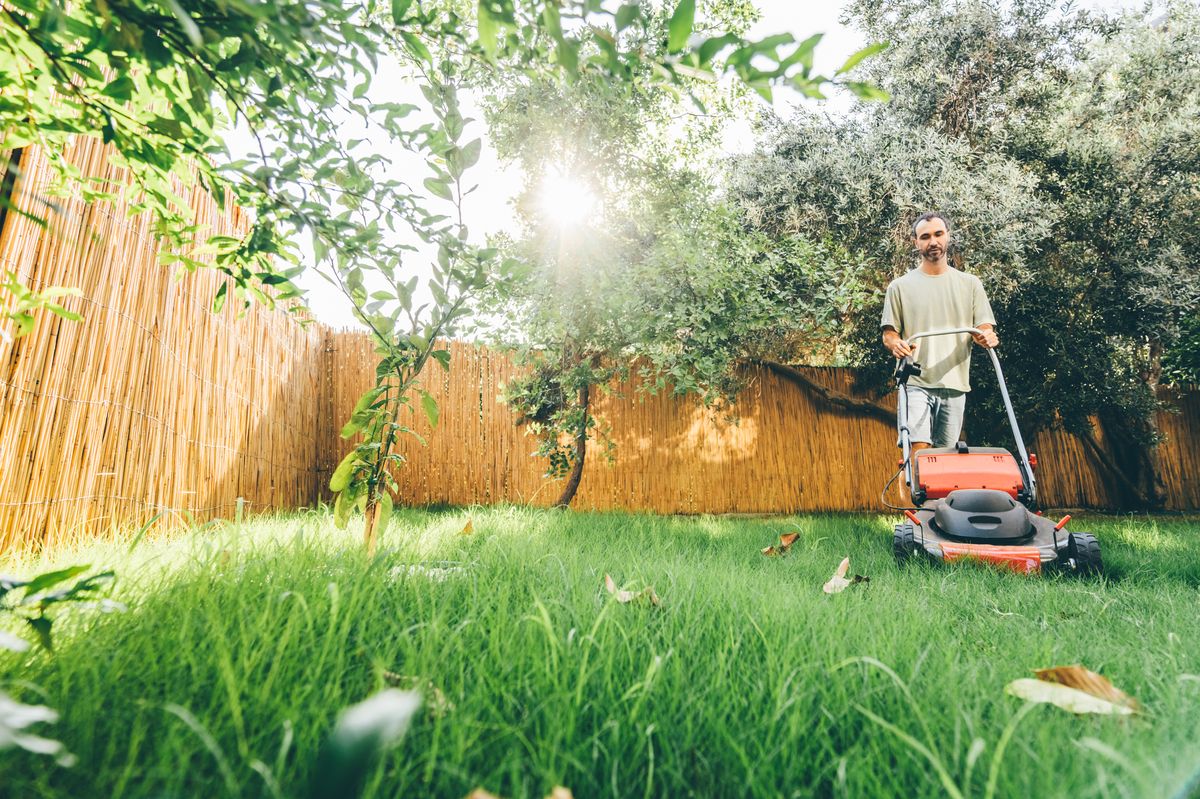
This is a secret hack for getting the perfect lawn ahead of summer
A patchy, tired-looking lawn after winter doesn’t necessarily mean you need to spend money on fresh turf or expensive treatments.
In fact, according to lawn experts, there’s a simple, completely free trick nicknamed the “penguin walk” that could help transform bare, uneven grass into a lush green surface just in time for the warmer months.
As soil temperatures begin to rise, now is widely considered one of the best times to sow new grass seed. Chris McIlroy, a lawn expert at The Grass People, says conditions are becoming ideal for regeneration, with spring offering the right balance of warmth and moisture to encourage growth.
The Royal Horticultural Society also highlights spring and autumn as prime seasons for establishing grass, explaining that seeding is both cost-effective and straightforward compared with laying new turf.
READ MORE: Unique riverside country home for sale – the views are insaneREAD MORE: Alan Titchmarsh’s pruning guide for trees and shrubs – when and how to trim
The simple trick can help ensure an even lawn
But before scattering any seed, preparation is key and that’s where the “penguin walk” comes in.
The penguin walk is a simple technique used to prepare soil before planting grass seed. It involves shuffling across the lawn in small, deliberate steps to compress the ground and eliminate air pockets beneath the surface.
“New seedlings need mild, moist soil in order to germinate, so waiting until temperatures are consistently around 8–10C is crucial,” McIlroy explained. “Also, check that there is no heavy rain forecast, as this can wash away seeds.”
The idea is to create a firm, even base so seeds can make proper contact with the soil – an essential factor for successful germination, Huffpost reports.
But before the penguin walk begins, it’s important to start with a clean surface. That means removing moss, dead grass, and any weeds that may compete with new seedlings for nutrients and space.
Once cleared, the technique can begin. Using short, shuffling steps, walk across the lawn in rows, ensuring the entire area is covered. This helps to level the soil and remove any trapped air pockets that could hinder seed growth.
After that, it’s time to sow. McIlroy recommends spreading grass seed evenly at around 30–35g per square metre for a completely new lawn, or 15–20g per square metre when overseeding existing bare patches.
For the most even coverage, he suggests dividing the seed into two portions: spread the first while walking lengthways across the lawn, then the second while walking widthways. This crosshatch pattern helps ensure no areas are missed.
Once the seed has been applied, light raking helps settle it just beneath the soil surface. Gently firming the ground – either by walking over it again or using a roller – improves seed-to-soil contact, which is critical for germination.
“Finally, water lightly and keep the soil consistently moist while the grass establishes,” McIlroy advises.
Patience is also important. New grass should be allowed to grow to at least five centimetres before its first cut. When mowing for the first time, use the highest blade setting to avoid damaging the young shoots.
READ MORE: People with cats and dogs urged to consider making important change at home
Comments are closed.