
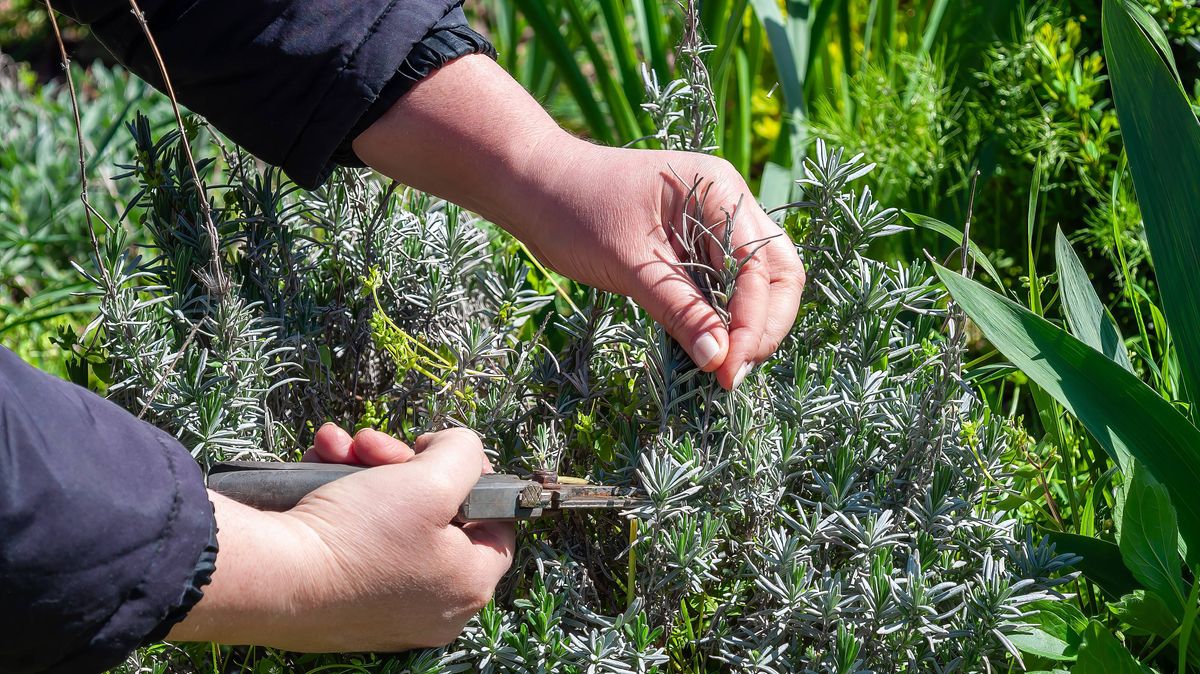
It’s not always easy to tell if everything is going to spring back to life
It’s not always easy to tell if everything is going to spring back to life in your garden(Image: Andrey Abryutin via Getty Images)
After the long, cold winter, it’s this time of year when we all start getting outside a bit more and seeing what jobs need doing in the garden.
But before you start shopping around for new shrubs and plants, you need to take stock of what you already have – and most importantly, what state they’re in.
Understandably our outdoor spaces aren’t looking their best and deciduous trees look dead in the winter with their stems bare of leaves.
Get MEN Premium now for just £1 HERE – or get involved in our WhatsApp group by clicking HERE. And don’t miss out on all the latest news and events for families with our Manchester Family newsletter HERE
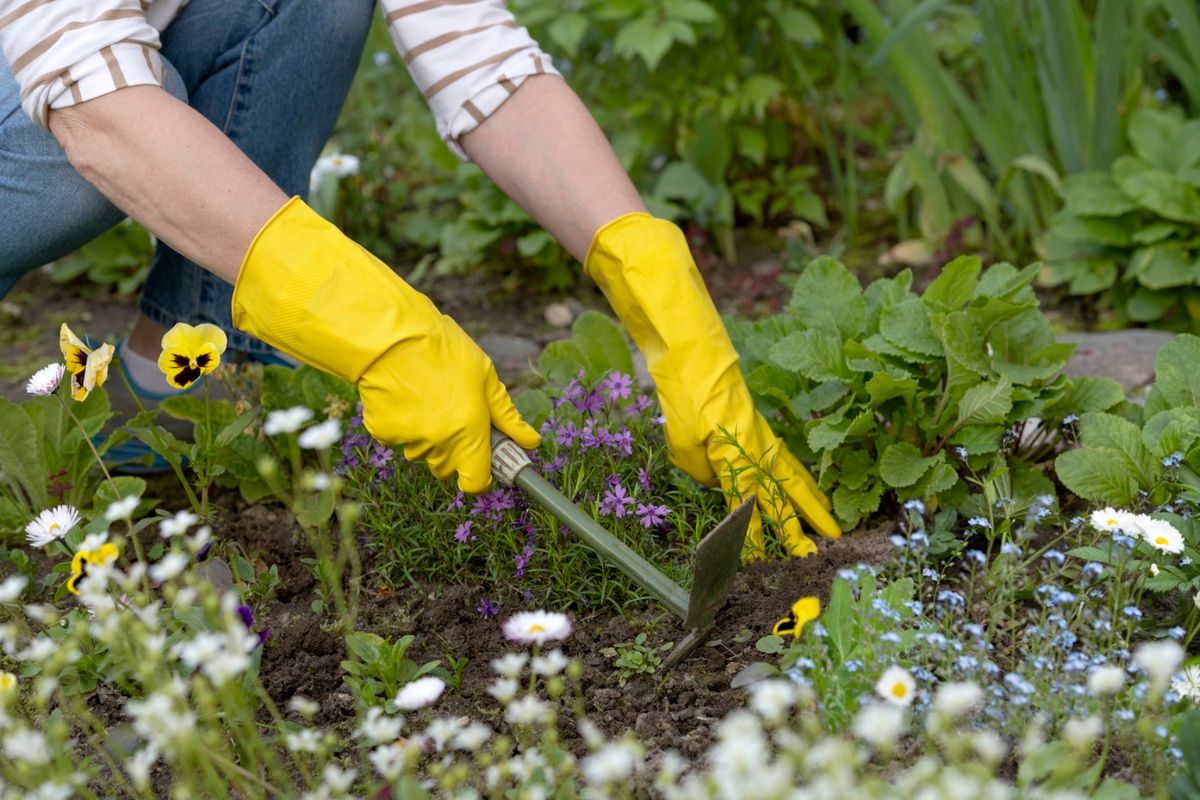
Plants that die within the first year ‘are most likely to have failed to establish'(Image: Getty Images/iStockphoto)
But how do you know if a tree or plant is definitely going to spring back to life?
Well, the Royal Horticultural Society has some expert advice on how to tell if a tree or shrub is dead. Gardeners are encouraged to take the following test:
Scratch the bark (the ‘scratch test’) on the shoots of your trees or shrub with your thumb nail or a penknife. A stem with green under the bark is alive; a stem with brown under the bark is dead. Living shoots also tend to have smooth, firm bark, whereas dead or dying shoots tend to have flaking, peeling or wizened barkWhere the shoots are dead at the tips, repeat the test on thicker wood to see if that is also dead. Where most or all of the upper parts of a plant are brown under the bark, the plant is most likely deadA final test is to scrape the bark of the main stem just below the soil line or on the roots themselves. If this appears dark in colour, especially with any sign of soft, rotting roots, then you can be confident your plant is dead.
Gardens need a lot of care at this time of year(Image: scu)
According to the RHS, plants that still show some signs of life (e.g. green under the bark or a firm rootstock) could be left for a few months or until spring to see if they improve.
“Where they continue to deteriorate or simply fail to come into growth in the spring, assume they are dead,” it states.
If you find that your plants are often struggling to thrive, the RHS also lists a number of reasons why plants or shrubs may fail, including waterlogged soil and planting too deep.
But plants that die within the first year ‘are most likely to have failed to establish’, meaning their roots will be dead or stunted.
It says ‘There is no inherent reason why a tree or a shrub kept in its pot should fail’, but ‘a plant in a container can be more at risk of certain problems’ such as being potted into a container that’s too large.
For more details see the website here.
Comments are closed.