
From the Northern Rivers Times News Desk
Autumn is one of the best times of year for gardening across the Northern Rivers. The intense summer heat begins to fade, the soil is still warm and rainfall often becomes more reliable. These conditions make it ideal for planting vegetables, herbs and fruit trees that will grow through winter and into spring.
However, many gardeners unknowingly make mistakes during this transition season that can reduce the productivity of their gardens. Avoiding a few common errors can make a big difference to the health and success of plants during the cooler months.
Leaving Old Summer Plants Too Long
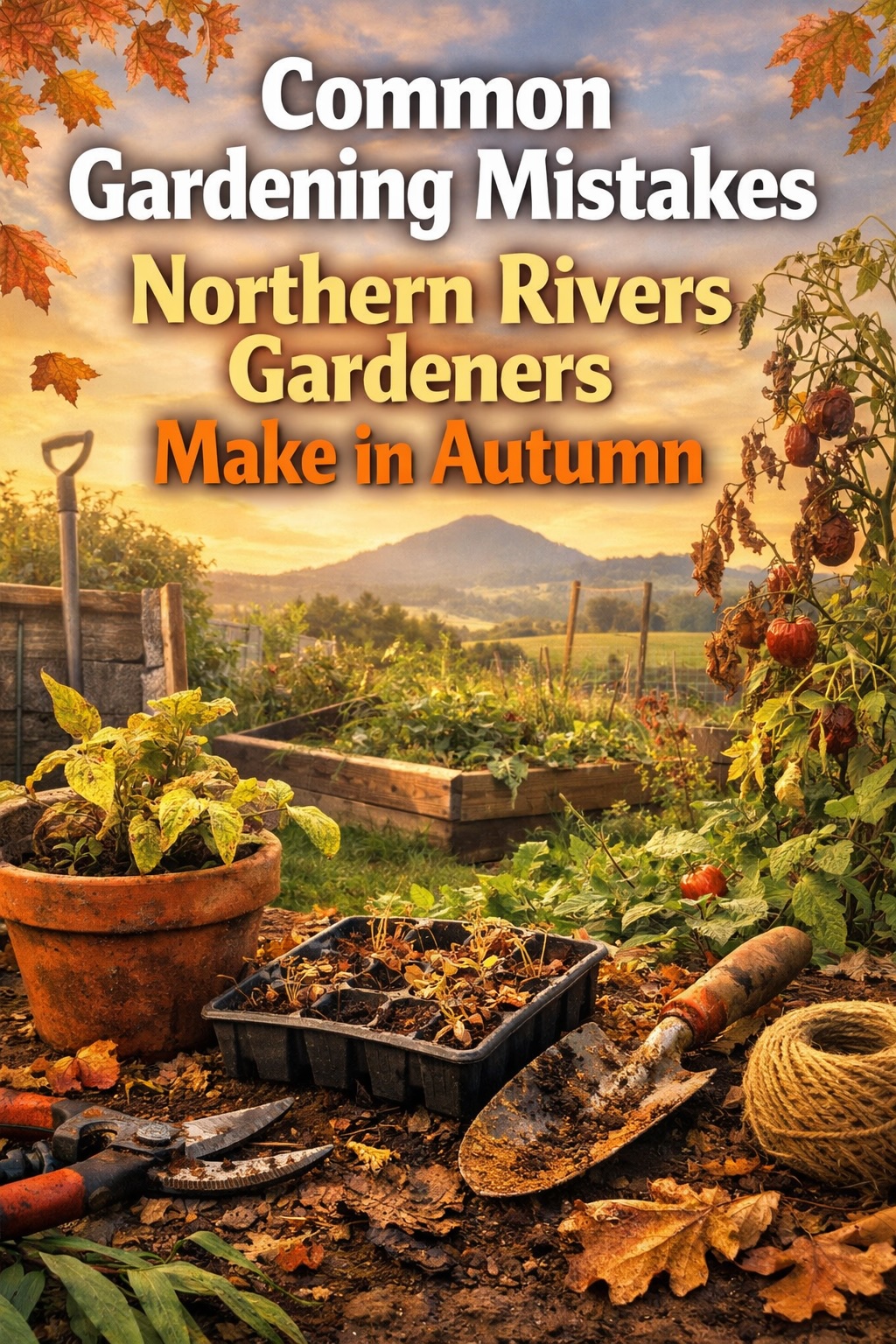
One of the most common mistakes is leaving exhausted summer crops in the garden for too long. Tomatoes, cucumbers, beans and zucchini often slow down or stop producing as temperatures drop.
Old plants can harbour pests and diseases that carry over into the next growing season. Removing tired crops and adding them to the compost bin helps keep the garden healthy and prepares beds for autumn planting.
Not Improving the Soil
After a busy summer growing season, garden soil can become depleted of nutrients. Planting new crops without improving the soil often results in poor growth and lower yields.
Adding compost, aged manure or organic fertiliser in autumn helps restore nutrients and improves soil structure. Healthy soil holds moisture better and allows roots to grow more effectively.
Planting the Wrong Crops
Another frequent mistake is continuing to plant summer vegetables too late into the season. Warm-season crops struggle as temperatures drop and daylight hours shorten.
Instead, autumn is the time to focus on cool-season vegetables such as broccoli, cabbage, cauliflower, peas, carrots and leafy greens. These crops thrive in the milder conditions and often produce excellent winter harvests.
Forgetting to Mulch
Mulch plays an important role in maintaining healthy garden beds, yet many gardeners skip this step. A good layer of mulch helps retain moisture, suppress weeds and protect soil from heavy rainfall.
Organic mulches such as sugar cane, straw or leaf litter gradually break down and feed the soil, improving its structure over time.
Overwatering Plants
While summer often requires frequent watering, autumn conditions are different. Cooler temperatures and shorter days mean plants need less water.
Overwatering can lead to fungal diseases or root rot. Watering deeply but less frequently is usually the best approach during autumn.
Ignoring Garden Pests
Although pest numbers generally decrease as temperatures cool, they do not disappear completely. Caterpillars, snails and aphids can still cause damage to young seedlings.
Checking plants regularly and dealing with pests early prevents larger infestations later in the season.
Failing to Plan Ahead
Many gardeners focus only on what to plant immediately without thinking about the months ahead. Autumn is the perfect time to plan winter and spring planting.
Simple steps such as crop rotation, spacing plants correctly and planning successive plantings can dramatically increase garden productivity.
A Season Full of Opportunity
For Northern Rivers gardeners, autumn offers some of the most enjoyable growing conditions of the year. By avoiding a few common mistakes and preparing garden beds properly, local gardeners can enjoy thriving vegetables, herbs and fruit well into winter.
With a little planning and care, autumn gardening can set the stage for a productive and rewarding growing season.
Comments are closed.