
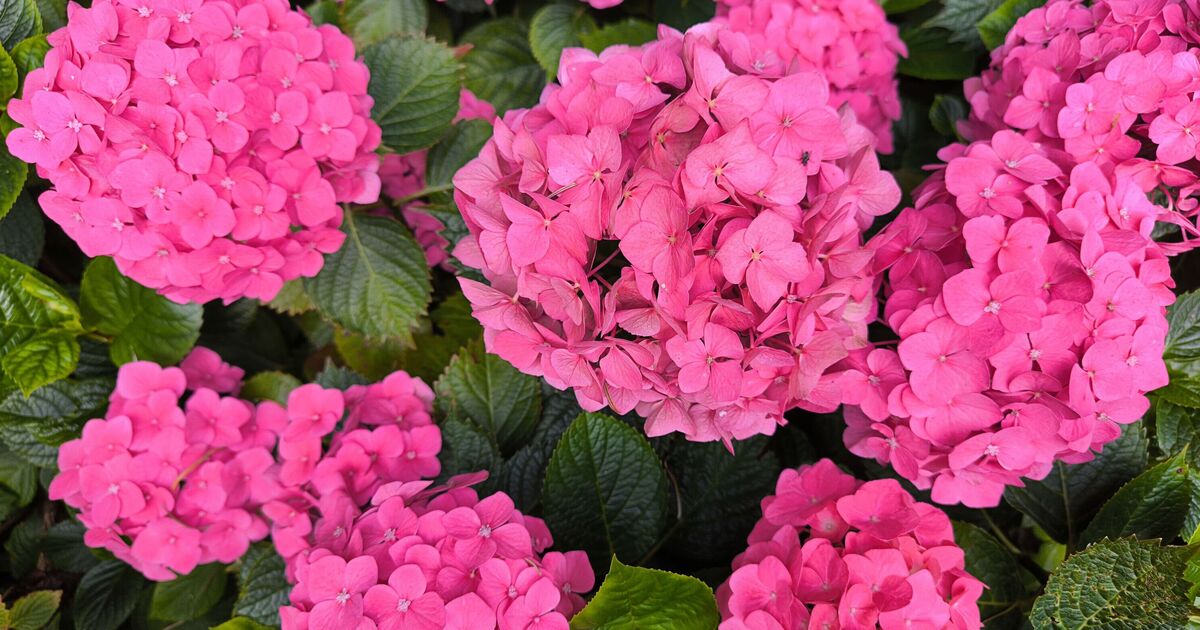
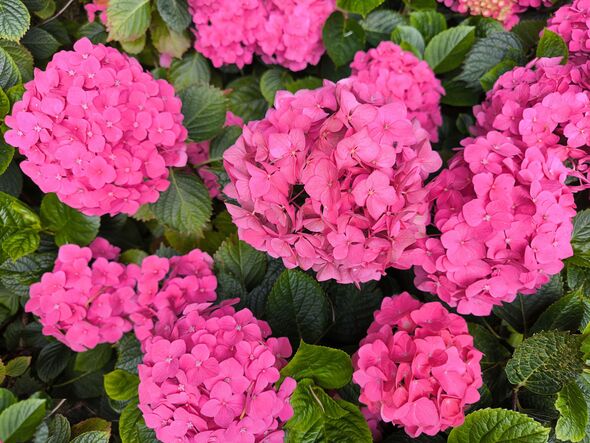
Hydrangeas will provide a ‘better flowering display’ if you do 1 job—time is running out (Image: Getty)
Pruning is an essential gardening task, done throughout the year to maintain plants, shrubs and flowers. Not only does it improve plant blooming, but it can also help keep them under control. When it comes to hydrangeas, pruning is often overlooked.
While each variety needs pruning at a different time of year, April is a great time to prune mophead and lacecap varieties. Climbing hydrangeas are pruned after flowering in the summer, so make sure to leave these now if you have them.
Read more: Monty Don shares top methods to deter slugs and snails
Read more: Roses will be fungal-free if sprayed with a natural item in spring
The Royal Horticultural Society (RHS) said: “Hydrangea flowers form mid-to-late summer on the previous year’s growth.
“Mophead and lacecap hydrangeas will bloom satisfactorily with little attention, but annual pruning encourages new, vigorous growth and a better flowering display.”
Gardeners who have full, round heads of large petals will have mophead varieties, whilst those with small flowers in the middle with an outer border of larger petals will have lacecaps.
To prune mophead hydrangeas, remove dead flowerheads and cut back the stems to the first strong, healthy pair of buds below the faded bloom.
The RHS said: “Lacecaps are hardier, and the faded flowerheads can be cut back after flowering to the second pair of leaves below the head to prevent seeds developing, which saps energy from the plant.”
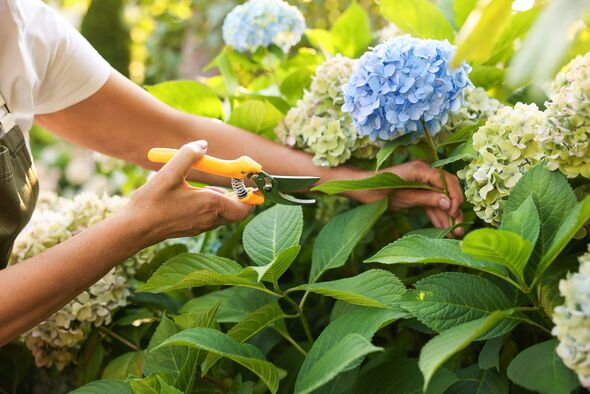
Pruning can help hydrangeas bloom better (Image: Getty)
If gardeners have established hydrangeas, Britons should cut one or two of the oldest stems at the base to encourage new growth.
The gardening experts added: “Overgrown or poorly shaped plants can be entirely renovated by cutting off all the stems at the base.
“However, this will remove all the flowers for that summer. The new stems won’t bloom until the following year.”
With climbing hydrangeas, it’s important to cut back any overly long shoots straight after they finish flowering. Most flowers are produced towards the top of the plant, so try to leave as much of this un-pruned.
The pros continued: “Established plants will tolerate hard pruning in spring, but extensive cutting back in one go is likely to reduce flowering for the next couple of summers.
“To avoid flower loss, stagger drastic pruning over three or four years, reducing the size of the plant gradually.”
Comments are closed.