
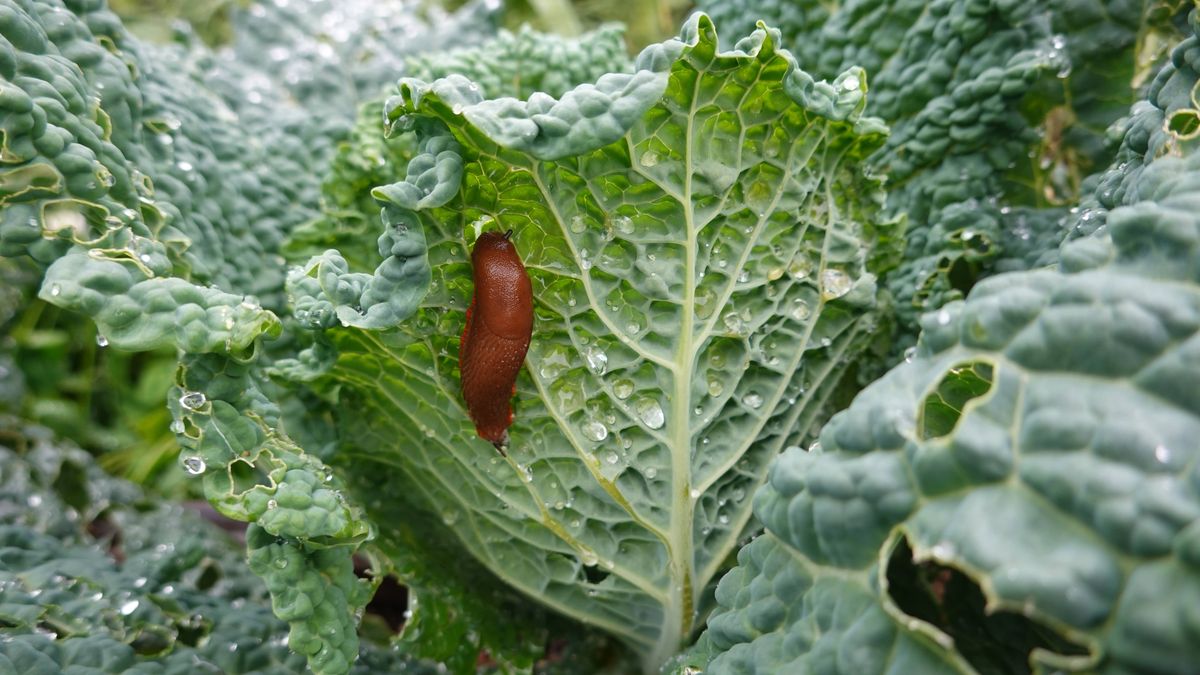
Slugs and snails can cause havoc in a garden, but there are ways to reduce the damage they cause to your plants. Gardener Simon Akeroyd shares one natural item that will keep them away
Alice Sjoberg Social News Reporter
15:55, 06 Apr 2026Updated 15:55, 06 Apr 2026
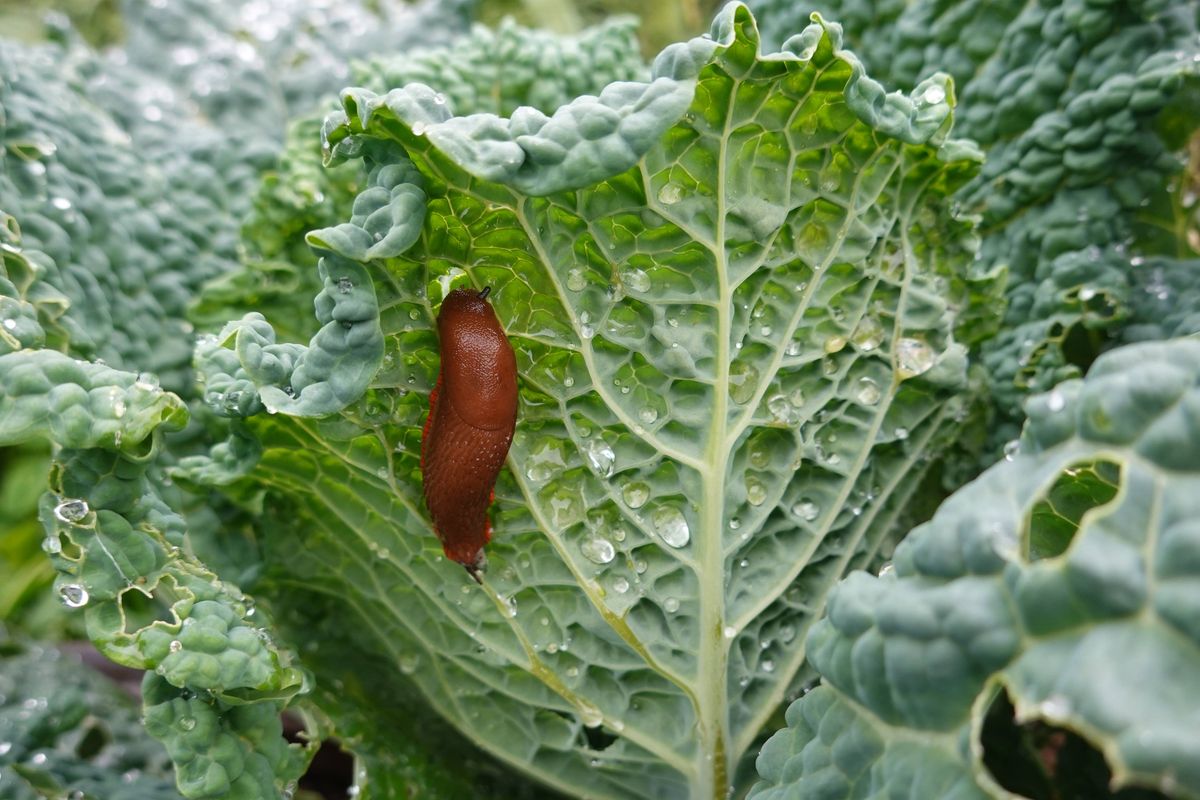
Many gardeners will dread slugs and snails coming to eat their crops and plants (stock image)(Image: Getty Images)
Now that spring has well and truly arrived, homeowners are spending increasingly more time outdoors tending to their gardens, whether it’s to soak up the pleasant weather, or to get stuck into planting new additions to their borders. However, introducing new plants brings with it the risk of some unwanted visitors.
One tiny creature can prove an absolute nightmare for passionate gardeners – the dreaded slug. From devouring lettuce heads to decimating young seedlings, they can wreak havoc wherever they roam. While slugs are present throughout much of the year, they pose a particularly significant problem during spring, when an abundance of fresh, young growth is readily available for them to feast upon.
Although completely eradicating them is virtually impossible, there are measures you can take to reduce slug numbers in your garden. Gardener Simon Akeroyd has revealed a straightforward trick to protect your plants from slug damage, and it needs just one natural ingredient.
“How to prevent slugs munching your plants,” he wrote at the beginning of his TikTok video, adding: “It’s frustrating finding your plants have been eaten by slugs. So here is a handy gardening hack to reduce slug damage.”
In his clip, Simon ventures into a densely planted area of his garden to search for thorn-covered twigs and sticks. “Cut lengths or thorny twigs, such as roses or brambles, and place these thorny sticks around the edges of your plant,” Simon explained.
Content cannot be displayed without consent
After locating some prickly twigs, he returned to his greenhouse, where he proceeded to cut the twigs into smaller sections to better position around his potted plants, ensuring every section of the plants were within the wall of twigs.
“Slugs would prefer not to slither over sharp thorns, which reduces the chances of slugs eating your plants,” Simon clarified, as he displayed his now slug-resistant plant.
In the post’s caption, he compared it to barbed wire, ‘just for slugs and snails’.
“To be fair, it won’t completely stop slug damage, as some are already in the compost or soil, while others are completely impervious to any barriers. But it will hopefully reduce the damage,” he stated, before wishing his followers ‘good luck’.
How to keep slugs and snails from eating your garden
According to the Royal Horticultural Society (RHS), slugs and snails are so plentiful in gardens that some feeding is inevitable.
They cannot and should not be eliminated, so focused management to protect especially vulnerable plants, such as seedlings and delicate young shoots on herbaceous plants, will deliver the best outcomes.
Some approaches to reduce slug and snail damage include selecting plants that are less appealing to slugs and snails. You could also transplant robust plantlets grown in pots rather than young fragile seedlings.
Gardeners can also venture out with a torch during the early evening to scout their garden for slugs and snails, relocating them to less vulnerable areas such as compost heaps or patches with hardier plants.
Alternatively, leaving them out in the open gives natural predators the opportunity to do the hard work for you.
Comments are closed.