

As the spring season arrives, there’s plenty to be getting on with in the garden – and your lawn is no exception.
As the spring season arrives, Alan Titchmarsh noted that there’s plenty to be getting on with in the garden
With spring now upon us, it’s time to turn your attention to lawn care. As temperatures rise, your grass enters a period of active growth requiring consistent maintenance and attention. The winter months, when grass conserved energy and focused on root development, are now behind us.
Come April, you’ll need to begin mowing your lawn regularly at the very minimum. But for a genuinely healthy lawn, there’s far more to tackle beyond simply mowing, and who better to seek guidance from gardening expert than Alan Titchmarsh?
On his YouTube channel Gardening With Alan Titchmarsh, the renowned expert has outlined three essential lawn tasks you “must do” in April to “make grass grow better”.
Alan opened the video by explaining: “Now you’ve probably already started to mow, but there are certain ragged areas that could do with a bit of attention.”
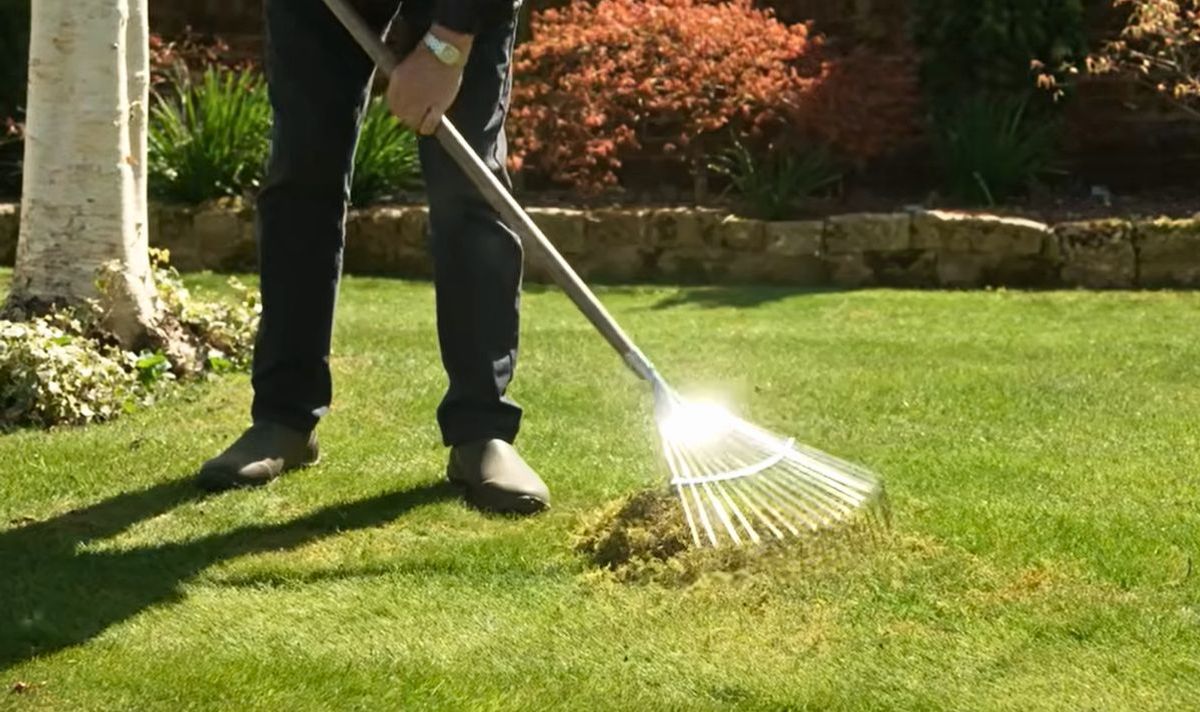
Now’s the time to get a wire-tooth rake and pull the moss out
Lawn care tasks for April1. Removing moss
Following the damp winter we’ve experienced, your lawn is likely riddled with moss. Therefore “now’s the time to get a wire-tooth rake and pull the moss out”.
Alan advised: “Just tear at it. Once it’s gone, the grass will get the air and light it needs to thrive.” April is an ideal month to tackle raking or light scarifying, as it’s commonly known.
There’s sufficient rain, sunshine and warmth for grass to bounce back relatively quickly, allowing you to reap the rewards of this process rather than risking damage and leaving your lawn in a sorry state.
Frequently referred to as “dethatching”, scarifying clears away built-up dead grass, moss, and thatch that prevents healthy grass growth. You may wish to treat weeds and moss prior to scarifying, meaning you can collect the dead moss and debris as part of the overall process.
2. Fix bare patches
Should you discover bare patches across your lawn, you can replace them with turf, though Alan favours “reseed the area” as “it’s much cheaper”.
To achieve this, Alan instructed: “First, dig up the compacted top layer of soil and add some decent quality topsoil. I then firm it in with my foot so it’s level with the earth around it. Then tease the soil with a fork before breaking open the new grass seed.”

Alan prefers to reseed bare patches in lawns, as “it’s much cheaper”
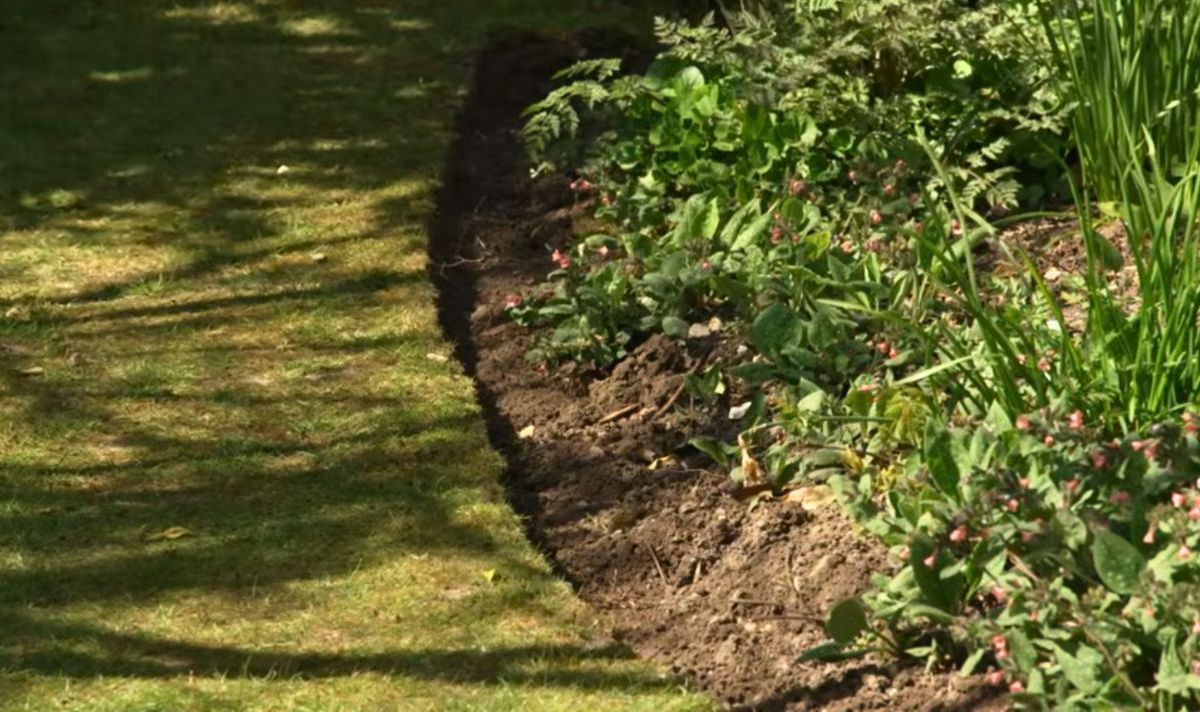
The final task is to have a look at the lawn edges to see whether they need attending to
He highlighted that various types of grass seed are available for different areas of the garden, with boxes frequently coming equipped with a handy dispenser.
Alan said, “Sow the seed quite thickly because birds are likely to get their share. I then tickle over the surface with a fork to mix the seeds with the soil. You can then water them in.”
3. Neaten lawn edges
The final step involves inspecting your lawn edges to determine whether they require attention. Should you need to create a “new crisp edge”, Alan recommends using a hosepipe to guide you.
He explained: “Take your hosepipe and lay it along the edge of the border as a guide. Then, use a half-moon iron, making sure you follow the line of the hose to create your new edge.
“Dig out the soil on the other side. And hey presto, you have a new edge and a crisper, more professional look to your lawn.”
Mowing tips
Alan also advised that, if you’re mowing at this stage, simply “make sure you don’t cut it too short”. He cautioned that it’s still relatively early in the season, and “cutting down to an inch is far better than cutting to half an inch”.
It’s also essential to remove your clippings once you’re done. Gathering them up means they “won’t clog up the grass” and “they’ll allow the air and the light to make the grass grow better”.
Comments are closed.