
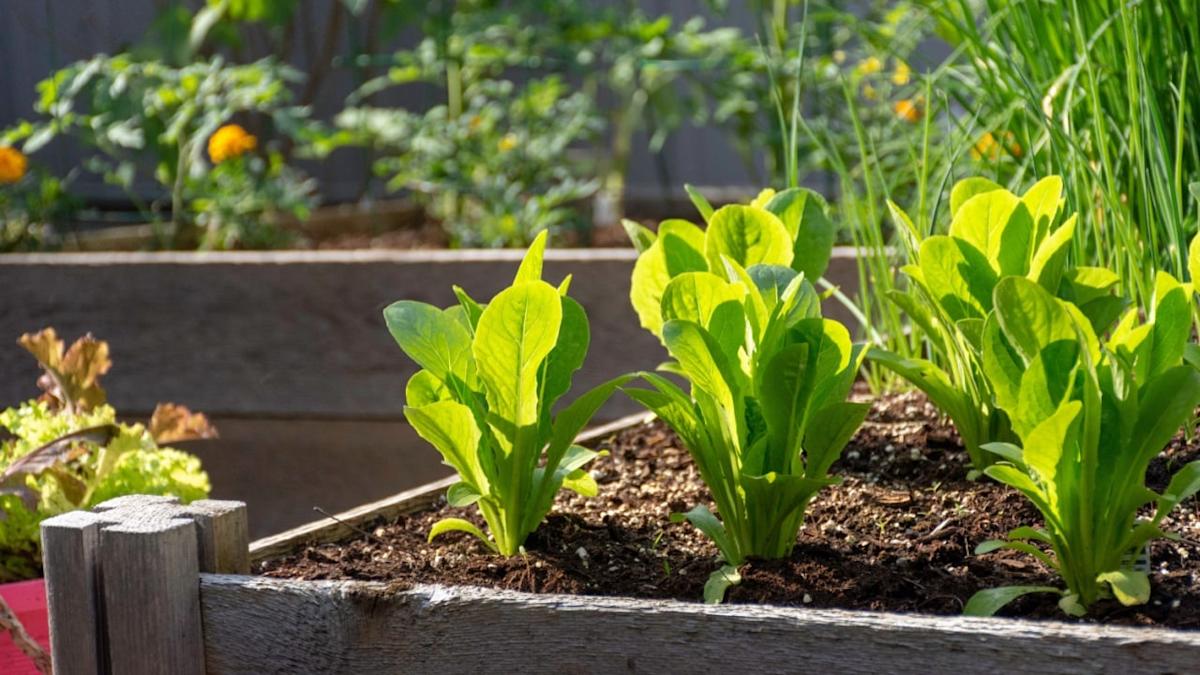
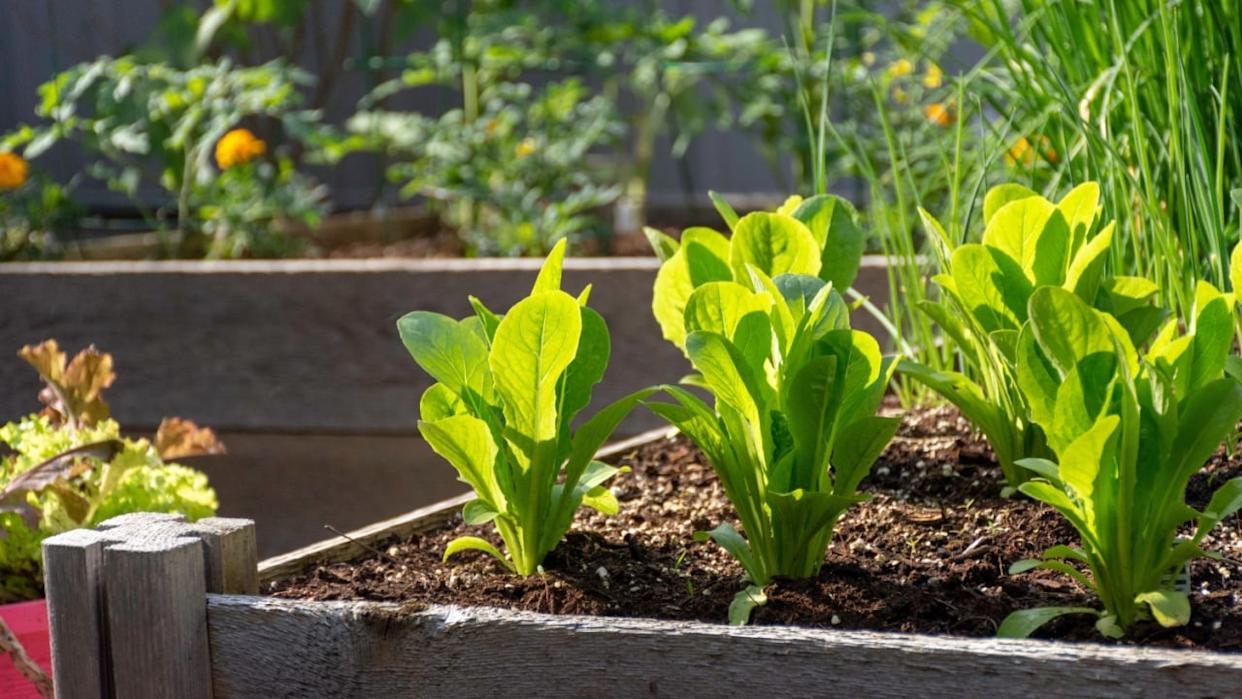
Image Credit: Shutterstock.
If you’ve ever stood over a weedy, overgrown row garden in August and thought, there has to be a better way — there is, and it’s been around since the Carter administration. Most gardeners are still doing things the hard way, and a single number explains why: traditional row gardening requires approximately 98% more labor than square foot gardening to produce the same amount of food.
That’s not a typo. That’s the finding of the Square Foot Gardening Foundation, and it’s the reason a growing number of home gardeners are quietly abandoning rows, buying a few boards, and never looking back.
If you’ve been meaning to try this method, the window to set it up before the growing season is open right now, and it’s easier than you think.
What Square Foot Gardening Actually Is (And Why Rows Are a Waste of Your Time)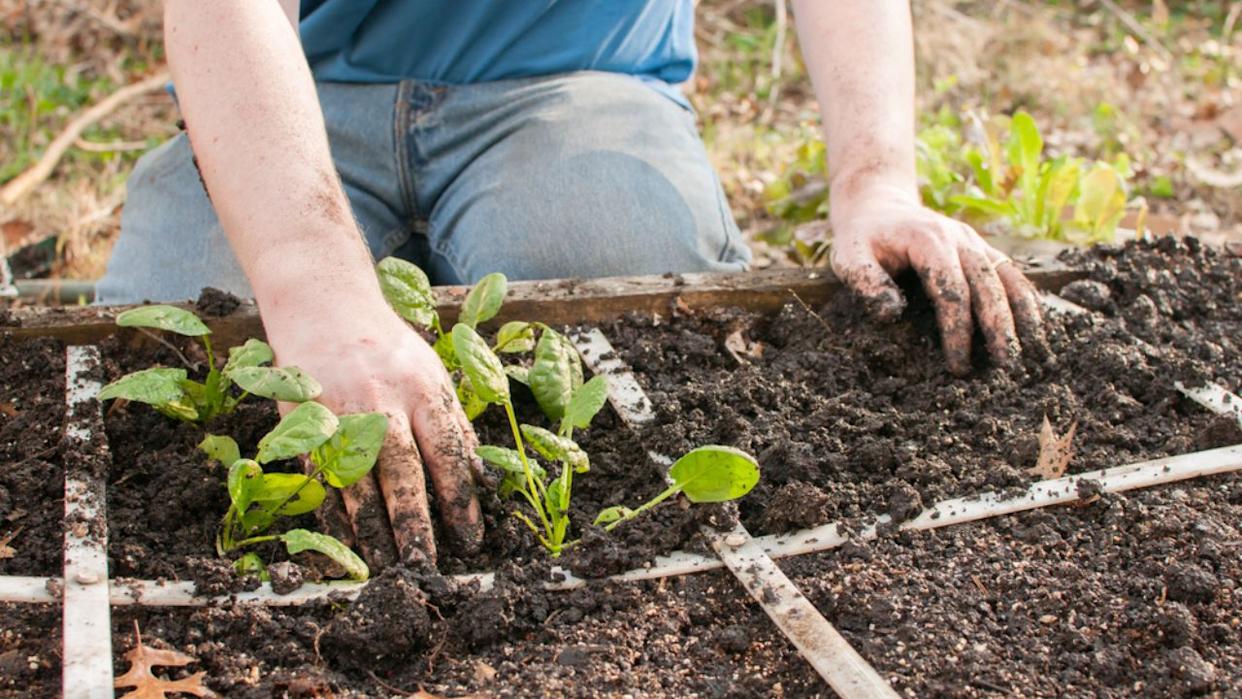
Image Credit: Shutterstock.
The story of square foot gardening begins with a retired engineer named Mel Bartholomew, who, in the 1970s, picked up vegetable gardening as a hobby and couldn’t stop noticing how inefficient it was. Row gardening was designed for large farms with tractors, not backyards with busy schedules. The rows were wide to leave space for machinery. The gaps between plants existed to allow walk-through weeding. None of it made sense at a kitchen-garden scale.
Bartholomew’s solution was elegant: build a raised box, fill it with excellent soil, lay a grid across the top dividing it into one-foot squares, and plant intensively within each square. The dense planting crowds out weeds before they establish. The raised bed eliminates soil compaction. The grid thinks for you.
The results are striking. According to the Square Foot Gardening Foundation, the method costs approximately 50% less than traditional gardening, uses only 20% of the space, requires just 10% of the water, and demands only 2% of the labor. That last figure is the one worth sitting with: the same harvest, from a fraction of the effort.
These are the 3 things every square foot garden needs before you plant a single seed.
The Box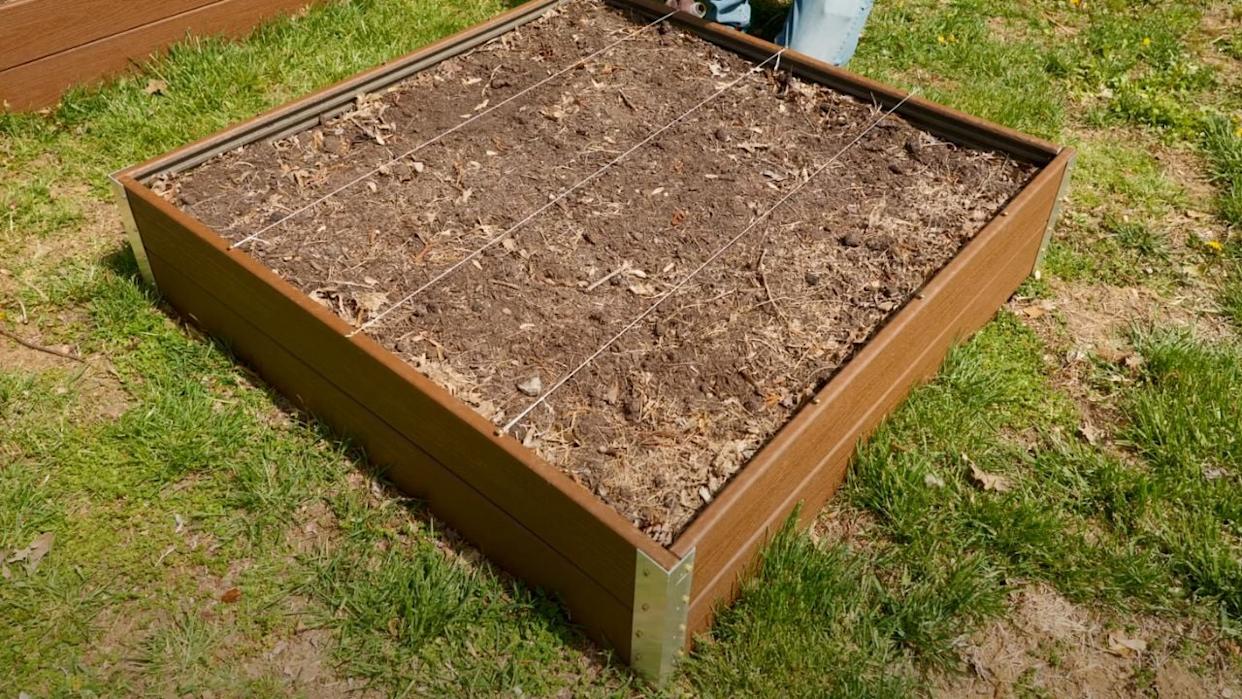
Image Credit: I Like To Make Stuff/Wiki Commons.
A standard square-foot garden bed is 4 feet by 4 feet, which is exactly the right size because the average arm can reach about 2 feet, meaning you can access every square from the outside without ever stepping into the bed. Compacting the soil is one of the most damaging things you can do to a vegetable garden; the raised bed design makes it structurally impossible. According to Better Homes and Gardens, the sides should be at least 6 inches deep, or 12 inches if you plan to grow root vegetables like carrots.
For lumber, cedar and redwood are naturally rot-resistant and long-lasting. Untreated pine or hemlock works well at a lower cost, though it will need replacing sooner. The team at GrowAGoodLife, which has been building square-foot beds since 2009, recommends rough-cut hemlock as a practical middle ground that holds up for roughly eight years in most climates.
Mel’s Mix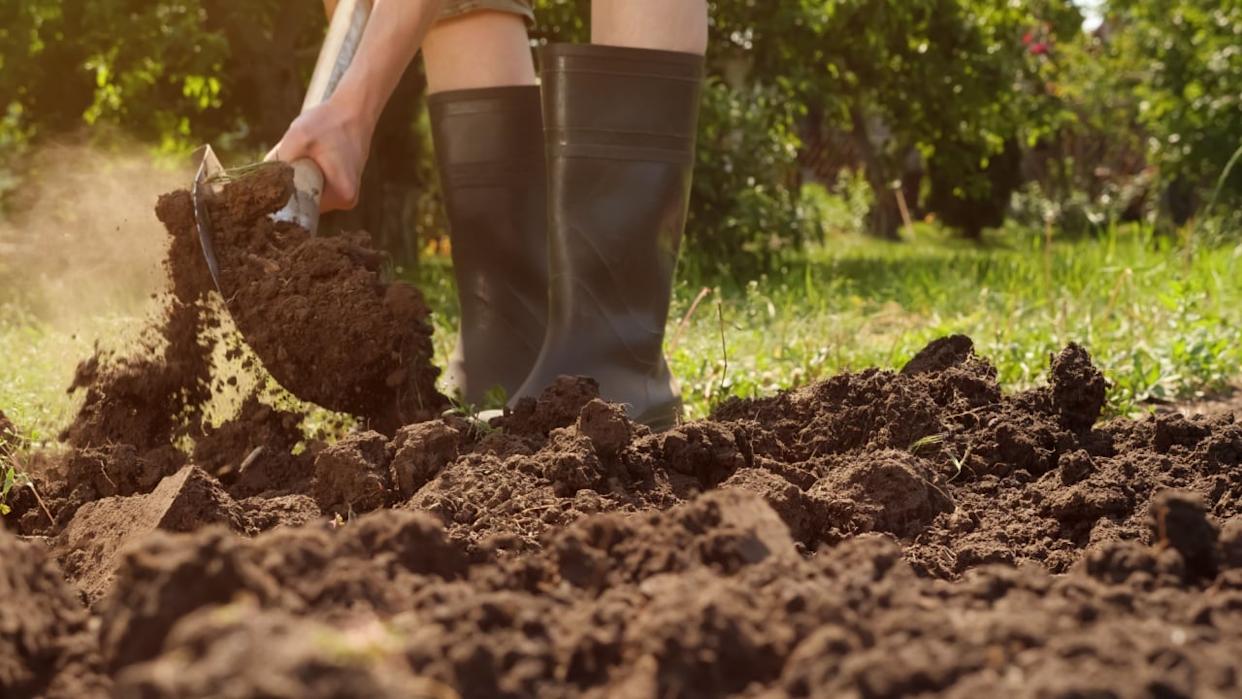
Image Credit: Shutterstock.
Ordinary garden soil doesn’t belong in a square foot garden. The classic growing medium, developed by Bartholomew and still recommended by the Square Foot Gardening Foundation, is equal parts coarse vermiculite, sphagnum peat moss or coconut coir, and blended compost from at least five different sources. Each ingredient earns its place: vermiculite aerates and prevents compaction; peat or coir retains moisture; blended compost delivers the nutrients and microbial life that feed plants intensively.
For gardeners looking for the sustainable modern update, coconut coir has largely replaced peat moss in the community. It performs identically, doesn’t strip non-renewable bog ecosystems, and is widely available at garden centers.
The Grid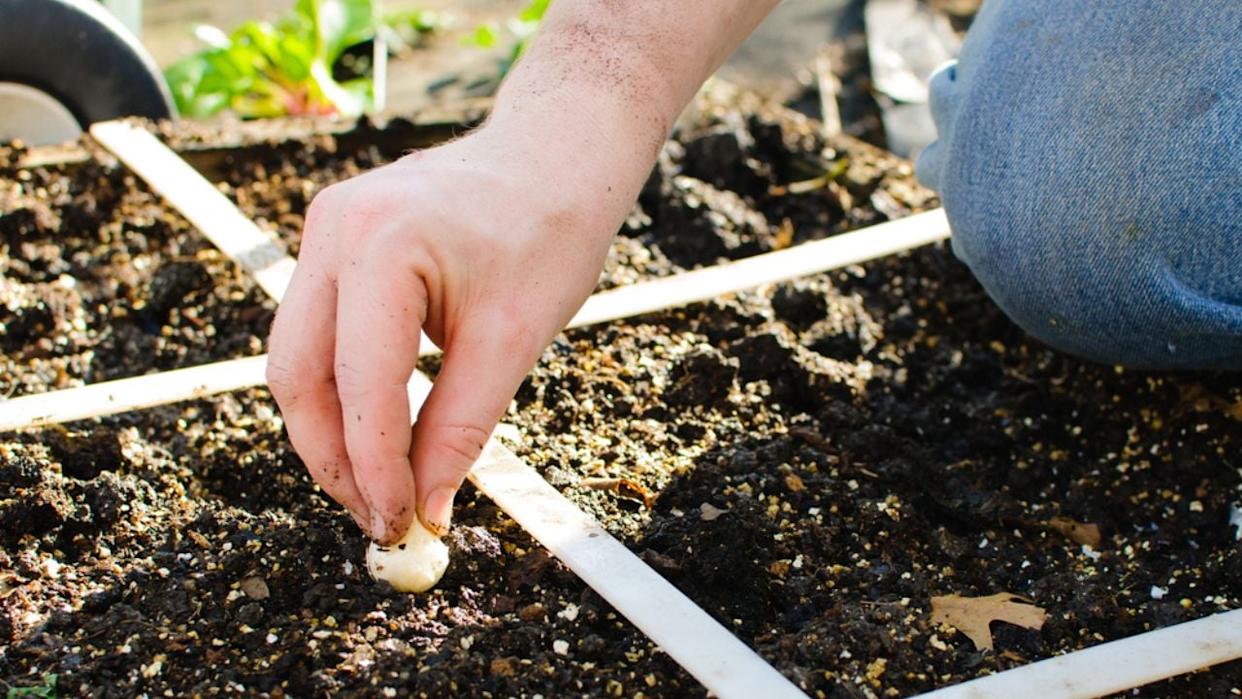
Image Credit: Shutterstock.
A permanent grid laid across the top of the bed is what separates square foot gardening from ordinary raised bed growing. “The grid lets you clearly see how to space your seeds and plants and keeps your garden looking neat and organized,” the Square Foot Gardening Foundation notes in its official method guide. It can be string, wooden yardsticks, bamboo stakes, or mini blinds; the material is irrelevant. What matters is that it makes every square visually distinct, which makes intensive planting intuitive rather than guesswork.
The 1-4-9-16 Rule: The Only Spacing Formula You’ll Ever Need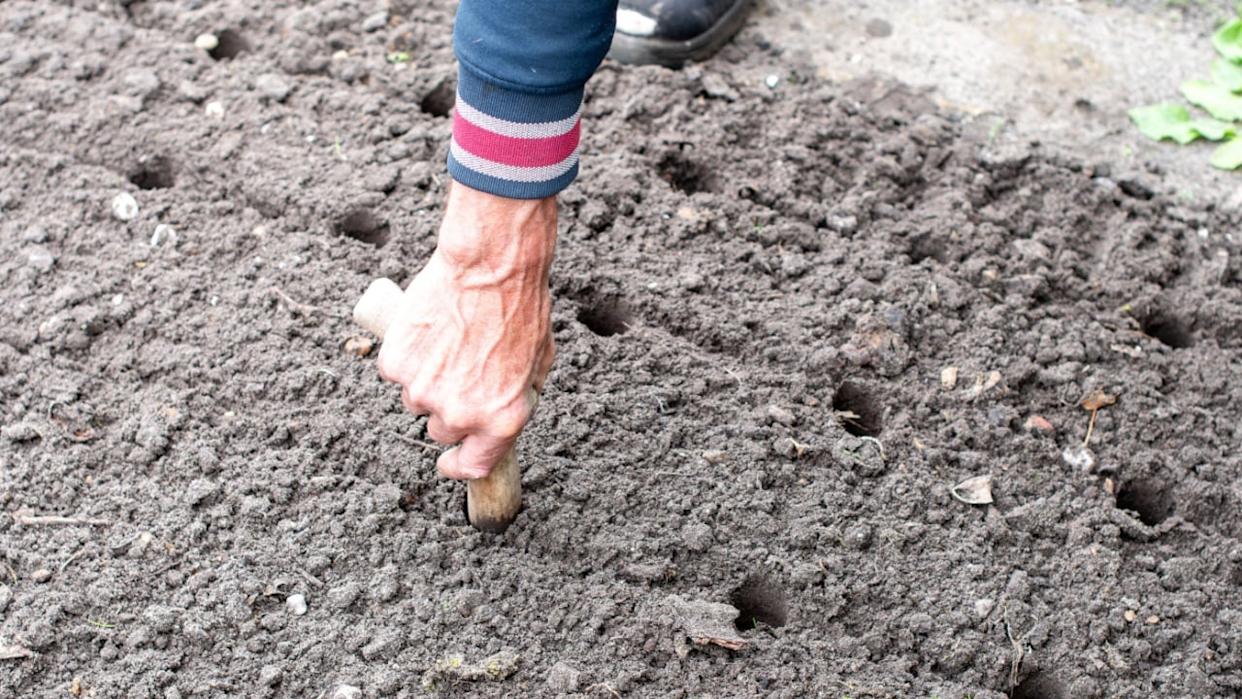
Image Credit: Shutterstock.
Here is the entirety of what you need to know about spacing in a square foot garden: large plants get one per square foot, medium plants get four, smaller ones get nine, and tiny crops get sixteen.
In practice, that looks like this: one tomato plant, one pepper, one head of broccoli, or one zucchini per square foot. Four plants of lettuce, basil, Swiss chard, or bush beans. Nine beets, spinach plants, or garlic cloves. Sixteen radishes or carrots. According to the plant spacing chart published by Garden In Minutes, which covers more than 60 common vegetables, the 1-4-9-16 framework applies consistently across the vast majority of crops home gardeners grow.
The one area where beginners reliably get confused is tomatoes. A single indeterminate (vining) tomato can be grown in one square foot, but only if you stake and prune it consistently throughout the season. As the Old Farmer’s Almanac explains in its SFG overview, bush (determinate) tomatoes require four squares per plant and need no staking, making them the more forgiving choice for a first garden. Know which type you’re planting before you put it in the ground.
How Much Food Can You Actually Grow in a 4×4 Bed?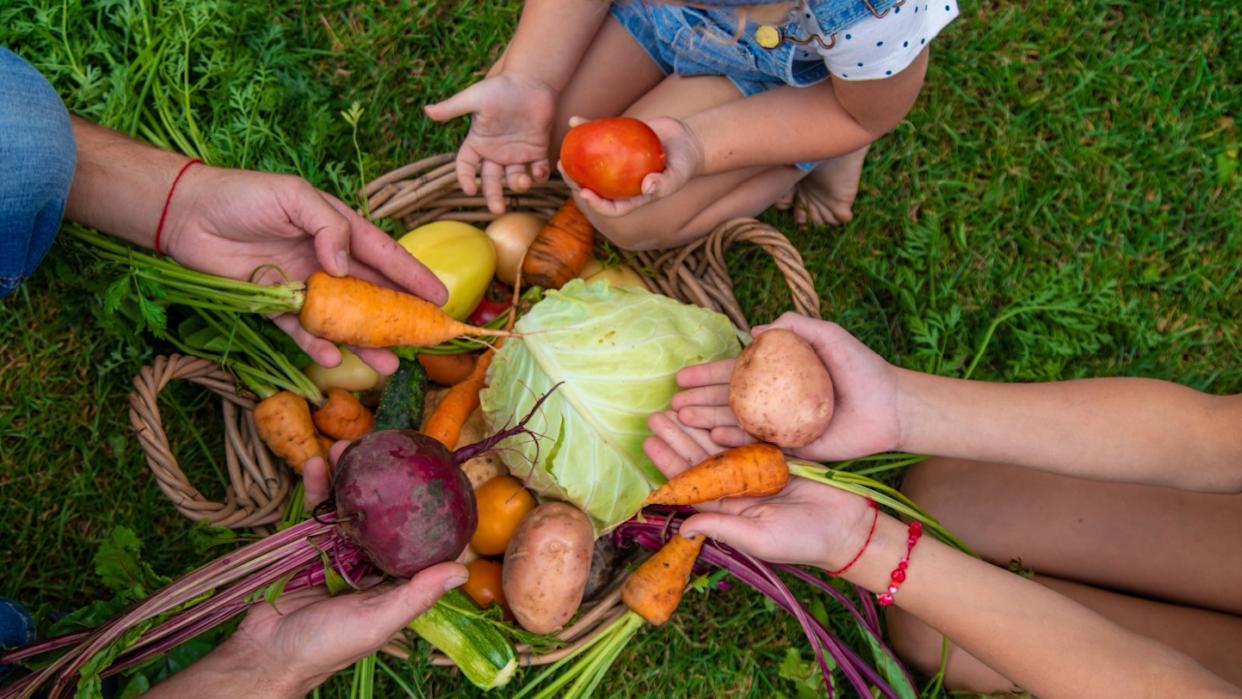
Image Credit: Shutterstock.
Here is the math that surprises most people: each square foot in a well-managed SFG bed can support three separate crops per year by rotating cool-weather spring plantings, warm-weather summer crops, and cool-weather fall harvests. That means a single 4×4 bed, all sixteen squares, effectively becomes 48 crop cycles per year.
A single square foot of lettuce, replanted three times per season, yields roughly three to four salad servings per planting. One square of radishes produces sixteen radishes in as little as three weeks. A single well-pruned cherry tomato plant can produce several pounds of fruit over the course of a summer. And according to the Square Foot Gardening Foundation, the method achieves all of this using just 20% of the space required by conventional row gardening.
The money-saving angle is real: a 4×4 bed built for roughly $100 to $150 in materials can yield hundreds of dollars in produce over a single season when planted thoughtfully. You don’t need a farm. You need sixteen squares and a commitment to replanting them.
Start This Weekend: How to Set Up Your First Bed Before March Ends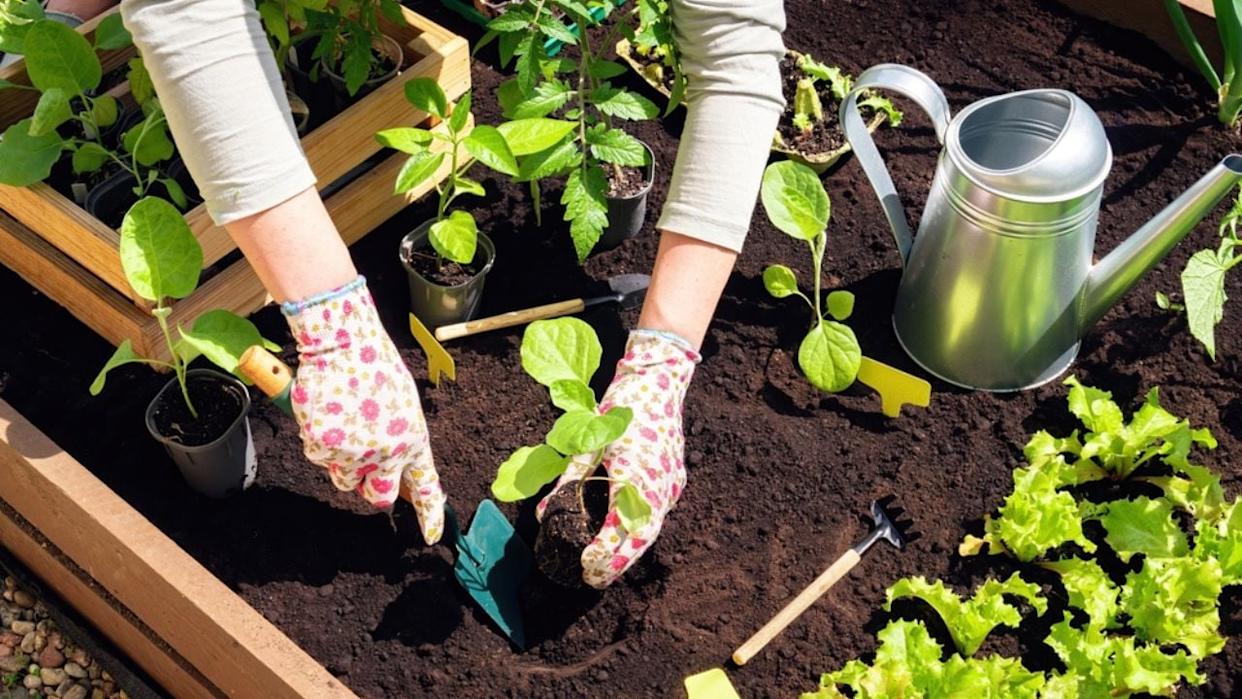
Image Credit: Shutterstock.
March is the ideal month to build your first square foot garden bed, because soil built now will have time to settle and warm before your first transplants go in. Here is the complete setup sequence:
Choose a site that receives six to eight hours of direct sun and has reasonable drainage. Cut or purchase four 4-foot lengths of untreated 2×6 lumber and screw them into a square frame. Place the frame on a layer of cardboard to smother any existing grass; the cardboard will decompose naturally within a season. Mix or purchase your growing medium (equal parts coir, vermiculite, and blended compost if making your own; a high-quality pre-mixed raised bed soil otherwise) and fill the frame to the top. Water the bed thoroughly to settle and hydrate the mix. Lay your grid, mark your 16 squares, and sketch a quick planting map before putting anything in the ground.
For April, begin with cool-weather crops that can go in before your last frost date: lettuce, spinach, peas, radishes, kale, and Swiss chard. Transplants of broccoli and cabbage can go in now in most of the country. Reserve two or three squares for tomatoes and peppers, which will transplant in after your last frost, usually four to six weeks from now.
This Is the Last Year You’ll Waste a Weekend on a Garden That Doesn’t Work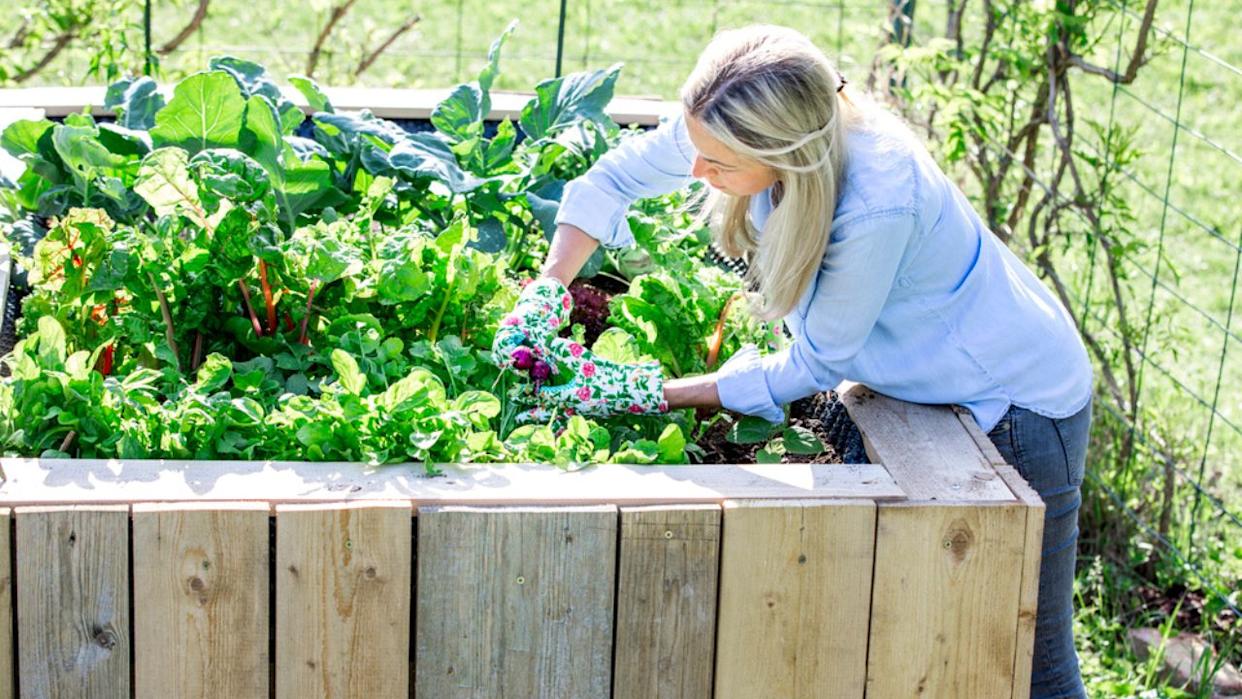
Image Credit: Depositphotos.com.
Square foot gardening has been solving the same problem since 1976: the vegetable garden that demands more than it gives. The method’s continued relevance fifty years later isn’t nostalgia — it’s proof. Intensive planting, excellent soil, and a simple grid system genuinely produce more food with less work than anything else available to a home gardener.
Start with one 4×4 bed. Fill it with things your family actually eats. Add compost every time you replant a square. And when the harvest surprises you — and it will — build another.
Read More
Plant these 10 companion plants with your tomatoes — and stop planting these 4
13 Plants That Grow Better (and Faster) Hydroponically — and Why March Is the Perfect Time to Start
Comments are closed.