
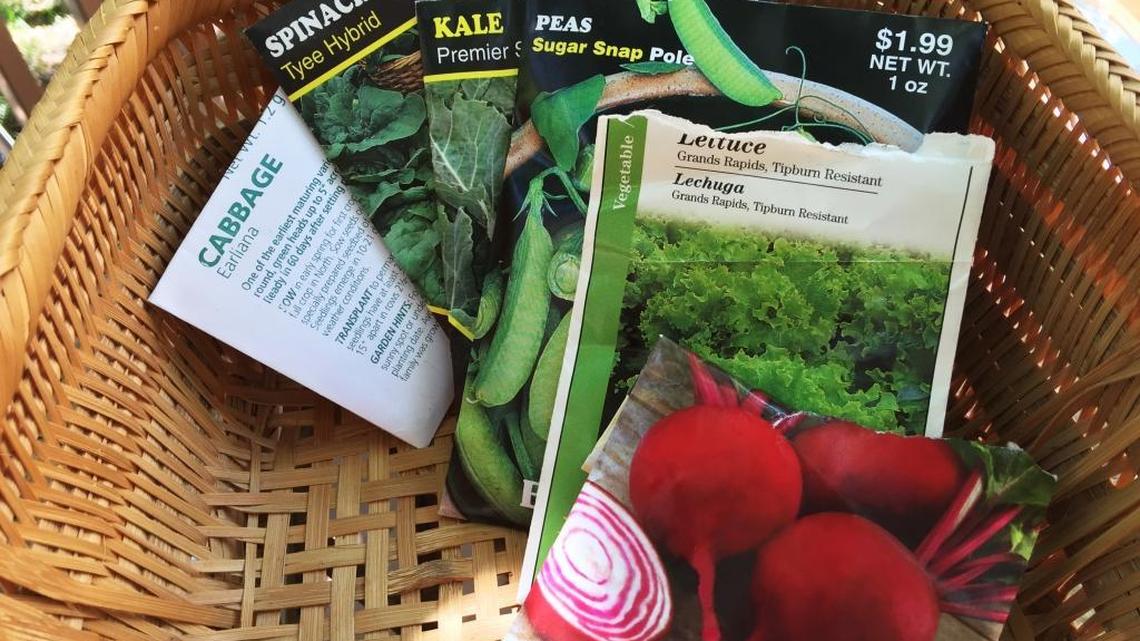
Spring is blooming in Boise, and it’s time to get your garden prepped.
Whether you’re hoping to grow fresh fruits, vegetables or flowers, it’s important to have a plan for your planting endeavors.
Here’s a guide to get your growing going in Boise this spring season:
What should I plant right now?
“Timing is everything in gardening,” Idaho Botanical Garden said on its website. “For Idaho gardeners, understanding when to plant is key to success.”
That means starting with so-called “cold-season crops” that go in the ground March to early May, the botanical garden said.
These plants are better suited for cooler weather that can occur before Boise experiences its final freezing temperatures of the year.
According to the National Weather Service, Boise will see its final “hard freeze”— when temperatures drop below 28 degrees — by Thursday, April 9.
The weather service added that cooler temperatures under 32 degrees can still be expected up until Friday, May 1.
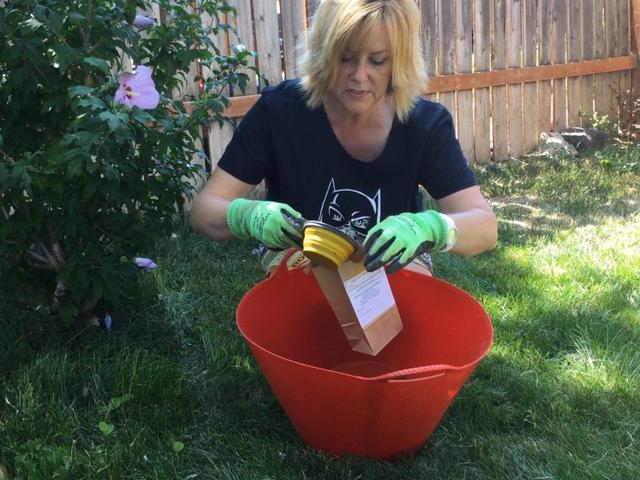 Mix up all of your soil samples in a plastic tub, then use a measuring cup to put 1 to 2 cups in bag that you will submit to the lab. Katy Moeller kmoeller@idahostatesman.com What should I plant in Boise in April and May?
According to the Idaho Botanical Garden Here’s what to plant in the Boise area from March to April:
PeasSpinachLettuceRadishesCarrots
Plant the following veggies and greens from April to Early May:
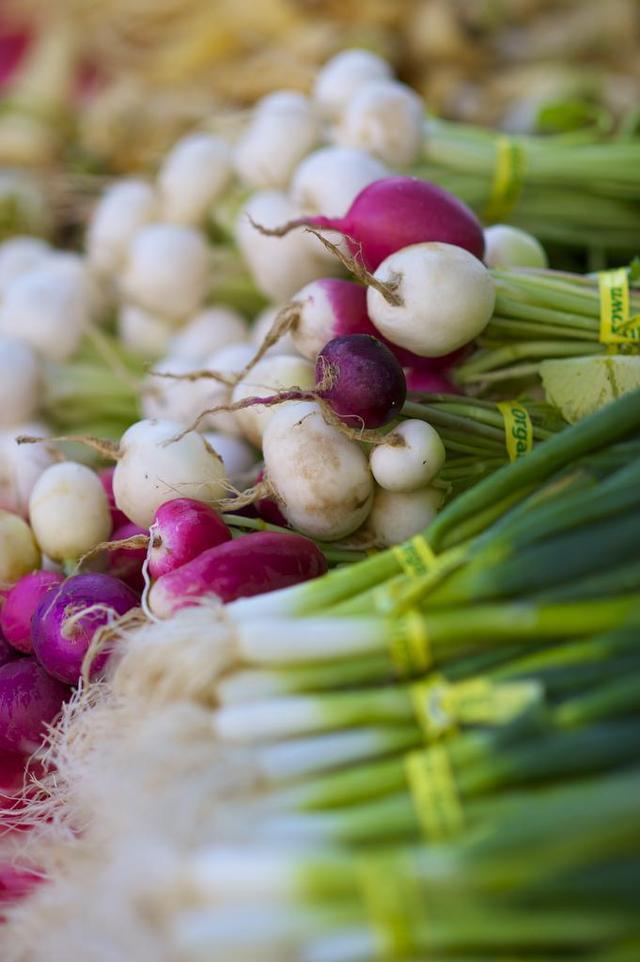
BeetsSwiss chardPotatoesOnions 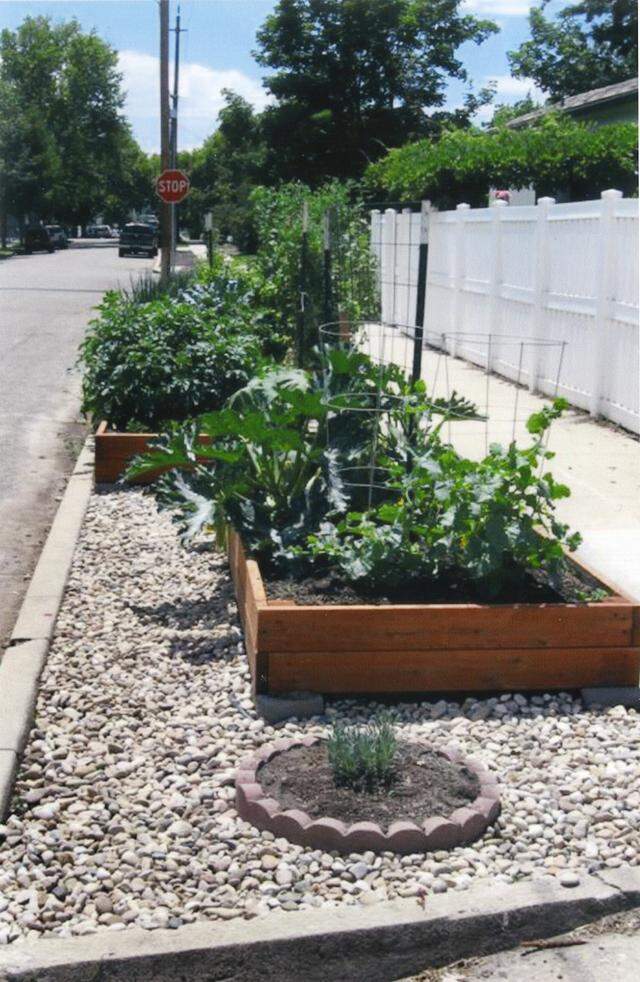 A garden in downtown Boise.
“By planting at the right time and choosing plants suited for Idaho’s climate, you’ll enjoy a thriving, resilient garden this season,” the Idaho Botanical Garden said.
The Old Farmer’s Almanac recommends planting mostly root vegetables, including parsnips and turnips, and leafy greens such as kale and arugula in early April.
Broccoli and cauliflower can also be planted in Boise in the early spring, according to the National Gardening Association.
What plants should I start indoors?
If you plan to grow your bounty from seeds, some crops prefer starting in a warmer climate, according to Franz Witte, a Treasure Valley landscaping and garden center company.
“Onions, leeks, broccoli, kale, cabbage, and lettuce are a few popular items that should all start indoors,” the company, which has locations in McCall and Nampa, said on its website.
However, seeds for root veggies should be planted directly outdoors since “they don’t like to be disturbed or transplanted,” Franz Witte said.
 How can I keep my soil healthy?
“To have healthy plants, you need healthy soil,” ZamZows, a Treasure Valley lawn and garden company, said on its website.
According to ZamZows, most Idahoans have a mix of sandy and clay soil, which can both cause problems in the garden.
The fix to this issue is mixing organic matter into your garden plots before you plant.
“As a rule of thumb, you will want to add one to two inches of composted organic matter to the top of your soil every year,” ZamZows said. “Compost will loosen clay soil, improving drainage and making it easier for roots to grow. It will also help sandy soil hold onto water.”
The Idaho Botanical Garden gives five tips for keeping your soil healthy:
Test your soil’s PH levelsAdd organic matterAvoid over-tillingUse mulch, or a crop cover later in the fallUse a yearly crop rotation schedule
ZamZows added that finding a sunny location, watering twice or three times a week, and adding extra micronutrients, nitrogen, phosphorus and potassium, can provide a strong foundation for a generous harvest.
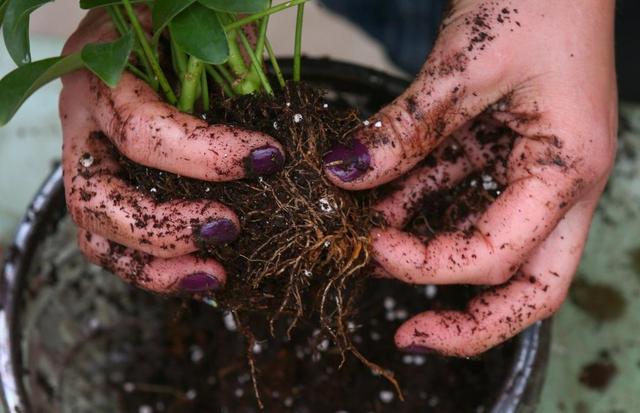 Don’t call it dirt — it’s a complex biosphere. Robert Cohen TNS What’s the best way to keep away weeds? Prevent pests and disease?
“If you are going to grow a garden, you are going to encounter some weeds,” ZamZows said. “There is no avoiding it. They will find a place to grow where you don’t want them.”
Using mulch can help suppress obnoxious weeds for a time, the landscape company said, but the best solution is spending time in your garden every day.
“Spending 10 to 15 minutes every day removing small weeds” can “keep the unwanted greenery from getting out of control,” ZamZows said.
To ward pests and disease, the gardening company recommends using organic sprays or Neem oil and regularly checking your plants for signs of infestation or illness.
Loading…
Related Stories from Idaho Statesman
Comments are closed.