
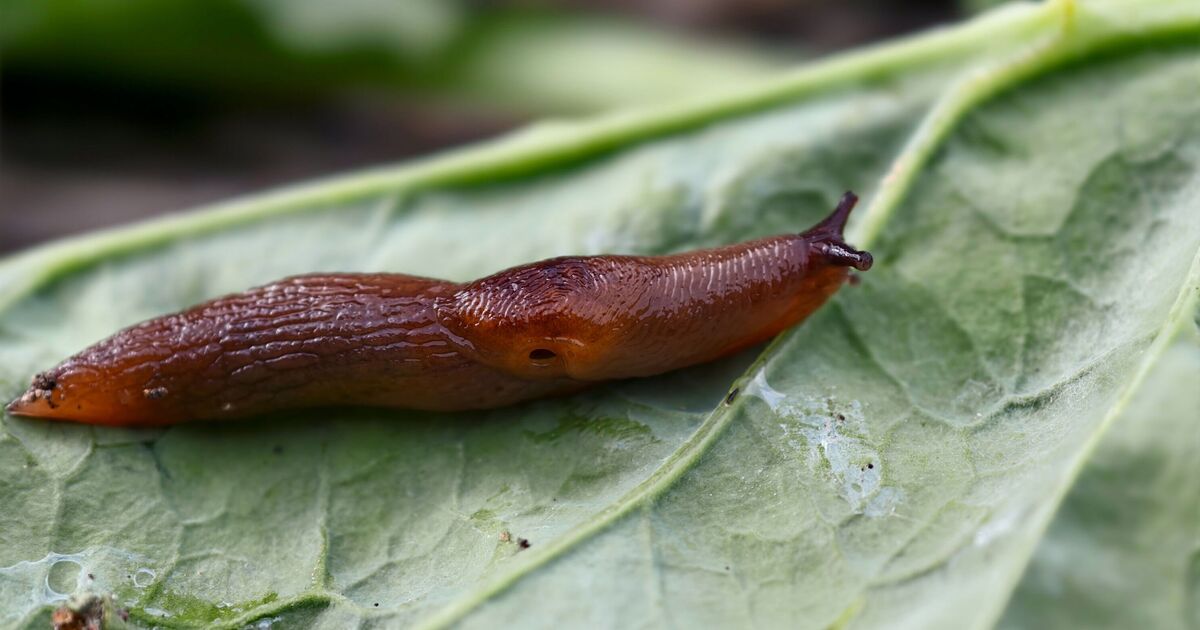

Monty Don shares top ways to deter slugs and snails without harsh chemicals this spring (Image: Getty)
For many gardeners, slugs and snails can be frustrating. From eating seedlings to leaving a trail, it can feel like a losing battle, especially in the summer months. While a simple solution may be to pop some pellets down to kill them, this isn’t advised by gardening experts, including Monty Don.
In an April 2024 blog post, the gardening expert shared how he handles them in his garden. Monty said: “Slugs and snails are widely regarded as the gardener’s public enemy number one, but they are superb at recycling waste vegetative matter, and do not discriminate between a fallen leaf and a delicious young seedling.
Read more: Five jobs to complete in April for a blooming summer garden
Read more: Keep cats, foxes and rats out of your garden with 39p natural repellent
“Slugs live largely underground in the soil and like damp conditions. Snails live above ground and love dark nooks and crannies such as old brickwork or a nice dry yew hedge, as well as clustering around the base of containers.
“Although there are over 30 species of slug in the UK, there are four main garden ones, and the biggest do not necessarily do the most damage. What you see is actually a tiny percentage of the population, and slug activity and densities of over 250,000 per acre are common.”
So, what can a gardener do to keep them under control? First of all, Monty advised against using any slug pellets or chemicals that could harm wildlife.
Instead, have a small, slug-free cold frame or table where you can raise tender young plants and check for slugs daily.
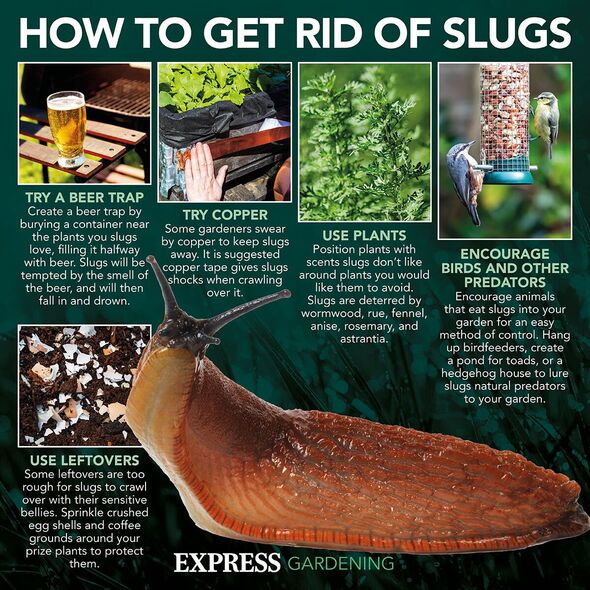
How to get rid of slugs (Image: EXPRESS)
Monty added: “Do not feed plants more than is absolutely necessary and always feed the soil, not the plant.
“This will avoid a spurt of soft, sappy growth that slugs love. Without stressing them with sudden temperature or cultivation changes, grow your plants as ‘hard’ as possible, which means do not mollycoddle them.”
As well as this, the gardening expert advises Brits to encourage a wide range of predators into the garden.
Monty explained that he has masses of thrushes, frogs, toads, beetles, centipedes, shrews and a few hedgehogs to help him keep slug numbers under control.
He added: “This needs plenty of cover, an avoidance of toxic chemicals, such as slug pellets, and a degree of tolerance for collateral damage.”
Comments are closed.