
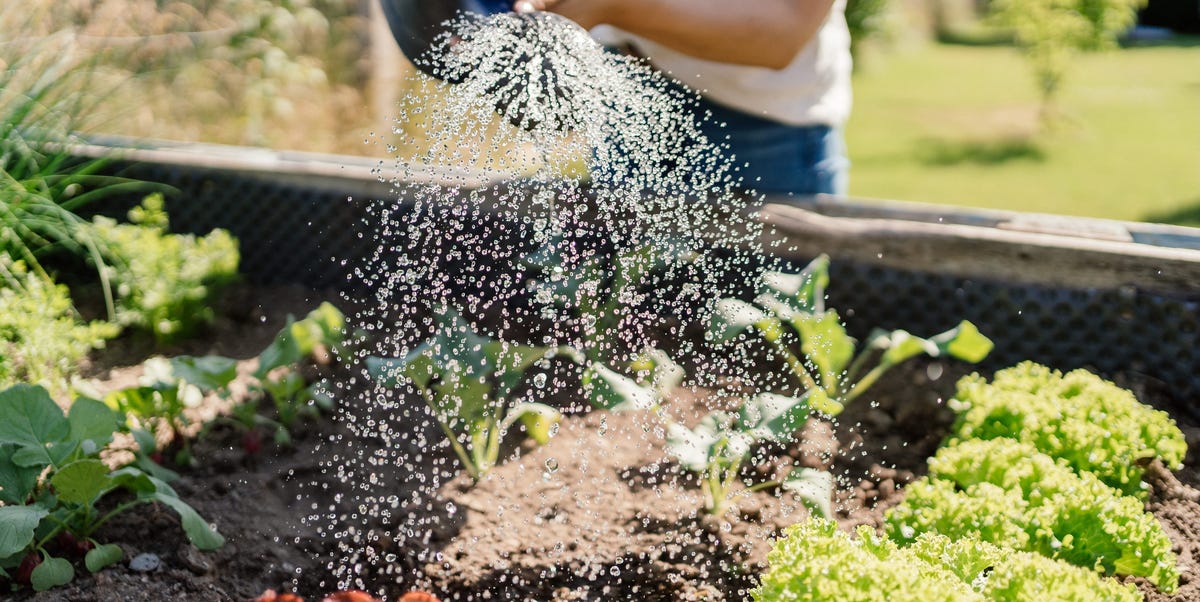
If you’re planning a vegetable garden this spring, there’s one key decision to make first: should you grow in raised beds or plant directly in the ground?
Both methods deliver healthy crops, but each comes with its own set of benefits and drawbacks.
“The biggest difference comes down to control,” says Eve Kerrigan, Content Creator at British Garden Centres. “Raised beds allow gardeners to manage soil quality, drainage and layout far more easily, while in-ground growing relies more on the natural conditions of your garden soil.”
So which is best? Here’s how the two compare.
Raised bed vs in-ground: what’s the main difference?
At its core, the choice comes down to how much control you want over your growing conditions.
Raised beds allow you to create your own soil mix and improve drainage, while growing in the ground means working with what you already have.
“If your ground is heavy, then you can get earlier crops, because a raised bed will be better drained and therefore warm up quicker in the spring,” explains Nick Hamilton, owner of Barnsdale Gardens.
Raised beds can also be more space-efficient. “It is also possible to grow more crops per m²,” Nick adds, “as raised beds will generally have a pathway every 1.2m, or so, while growing in rows in the ground needs space between each row.”

Jordan Lye//Getty Images
The benefits of raised beds
Raised beds are often seen as the easiest way to start growing vegetables – and for good reason.
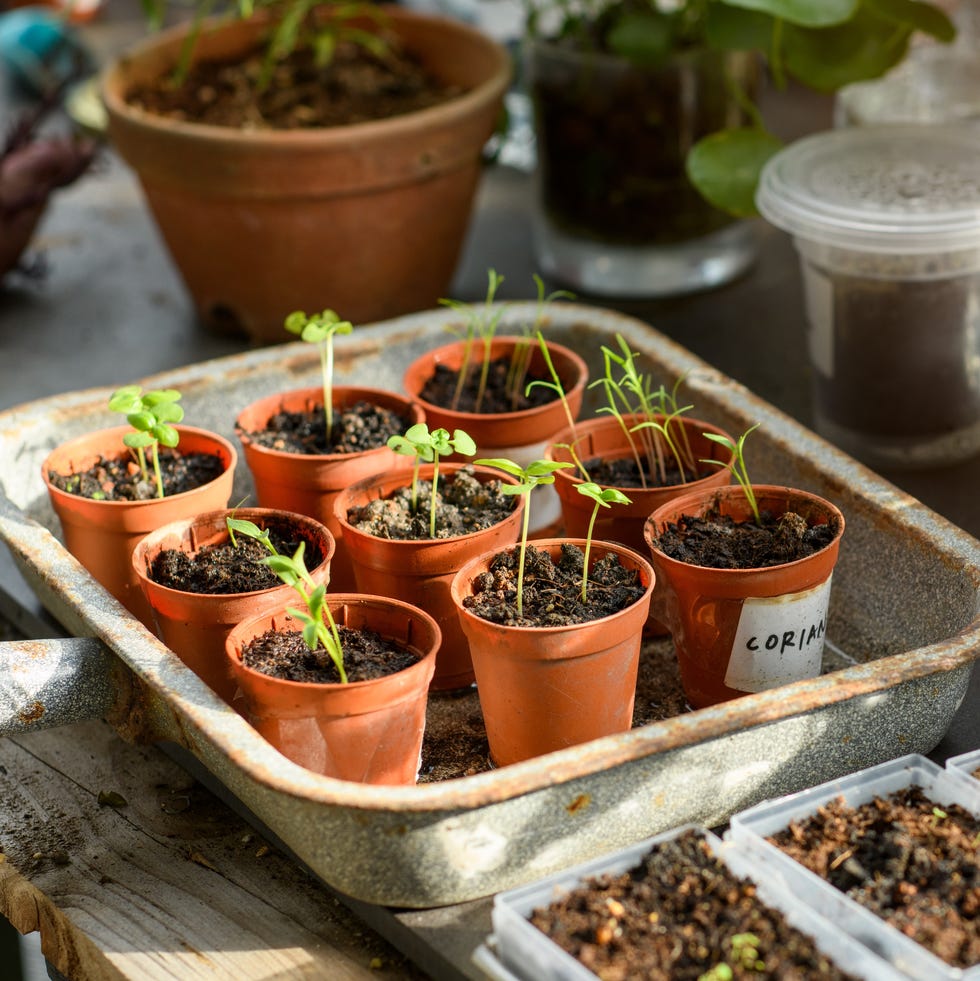
“Raised beds are a popular choice for good reason,” says Eve. “They warm up faster in spring, offer excellent drainage and make it much easier to create the perfect soil mix for healthy crops.”
They’re also practical to work with day-to-day. “They’re easier on the back and knees, make crop rotation simpler and help keep weeds under control — all big wins for busy or beginner gardeners.”
Nick agrees that they can boost productivity, especially early in the season.
“More crop per m² and the ability to get crops earlier when the prices in the shops are higher.”
The downsides of raised beds
While raised beds have plenty of advantages, they aren’t always the best fit for every garden or crop.
“The main consideration with raised beds is that they can dry out more quickly than beds at ground level, particularly during warmer weather,” says Eve, “so regular watering is important.”
They can also be limiting for certain vegetables. “It is not the premium way of growing all crops,” says Nick. “For example, if growing Brussels sprouts, you will need a 75–90cm spacing between the plants… Sweetcorn needs to be grown in a block… which again makes it not a suitable crop for raised beds.”
When growing in the ground is better
If you have good soil and plenty of space, growing directly in the ground can be the more practical option.
“In-ground growing is often the better choice if you have plenty of space and naturally good soil,” says Eve.
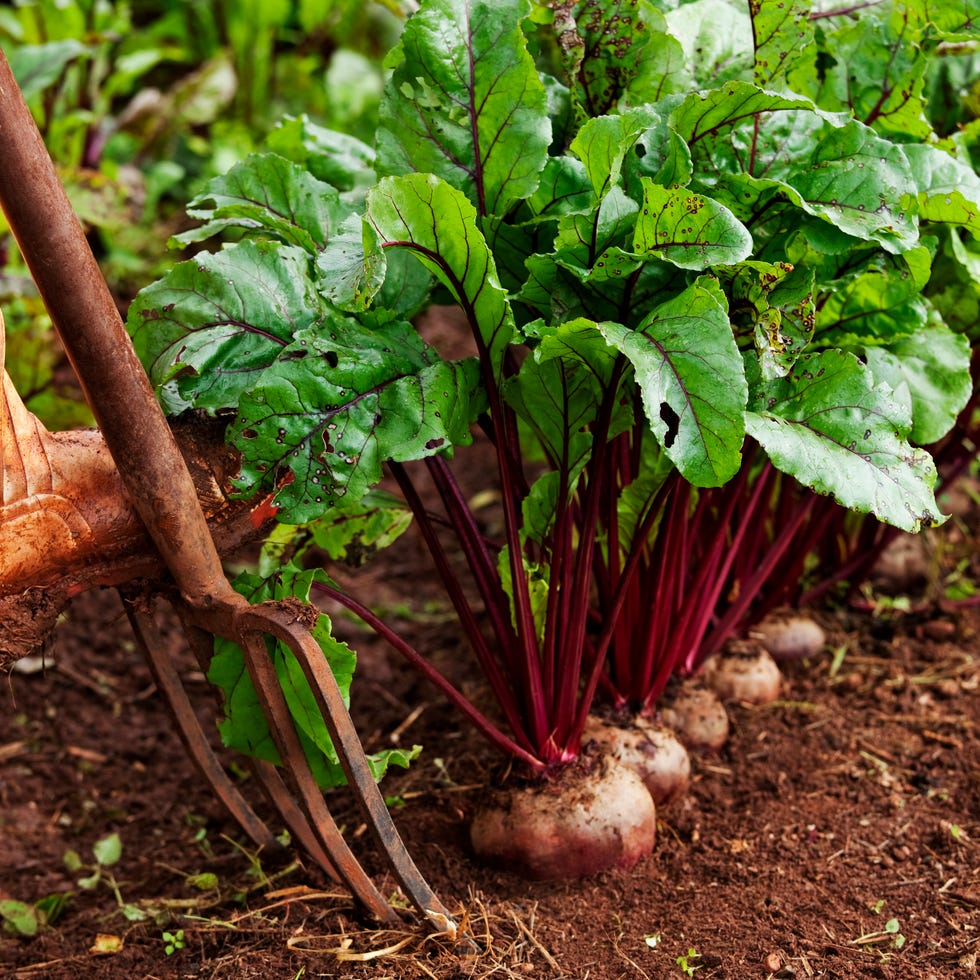
It’s particularly suited to larger crops and those that need room to spread. “Vegetables such as potatoes, sweetcorn, pumpkin and squash often perform better in the ground, where their roots have more room to spread and the soil stays consistently moist.”
Nick also points to flexibility. “Growing in open ground definitely gives more flexibility when space is required, certainly for crops such as courgettes, marrows and squashes.”
MoMo Productions//Getty Images
Which vegetables suit each method?
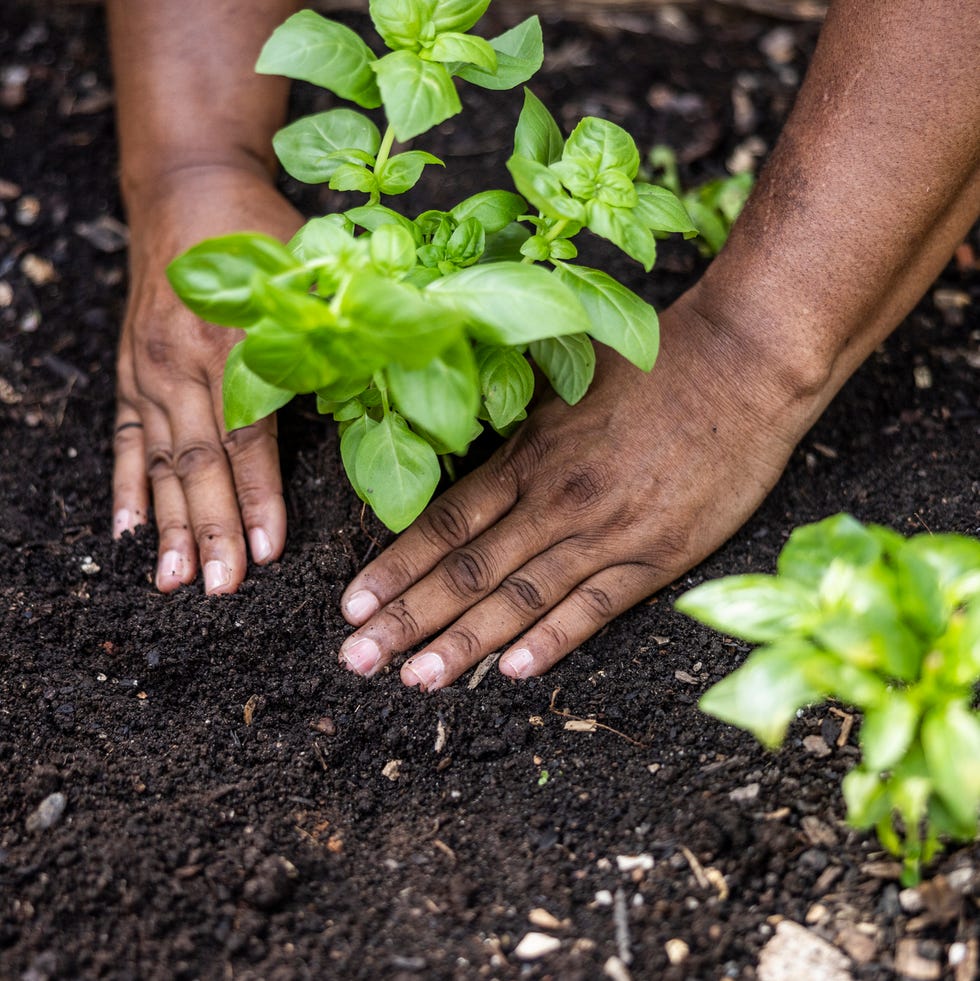
Some crops naturally lend themselves to one method over the other. “Raised beds are brilliant for crops like lettuce, salad leaves, carrots, beetroot and herbs, which benefit from loose, well-drained soil,” says Eve.
Nick highlights their usefulness for quicker crops. “For quick turnaround crops… they are much better suited to growing in raised beds and will give great value when grown early.”
Meanwhile, larger, more space-hungry vegetables are better suited to open ground, where they can spread more freely.
Which is best for beginners?
If you’re new to growing your own vegetables, raised beds are often the easiest place to start.
“For beginners or gardeners short on time, raised beds are often the easiest option,” says Eve. “They’re simpler to maintain, easier to weed and quicker to warm up, which helps plants get off to a strong start.”
Nick agrees, but notes that the right choice ultimately depends on your situation. “I would go for whatever you can use… I think for ease, then a raised bed would be the better option… while they are getting to grips with growing veg.”
Martin Harvey//Getty Images
So, which is better?
There’s no one-size-fits-all answer.
Raised beds offer greater control, quicker results and easier maintenance, while in-ground growing provides more space, better moisture retention and flexibility for larger crops.
Ultimately, the best option is the one that works with your garden, your soil and how you like to grow.
Gardening must-haves Filberts of Dorset Gardeners Hand Salve
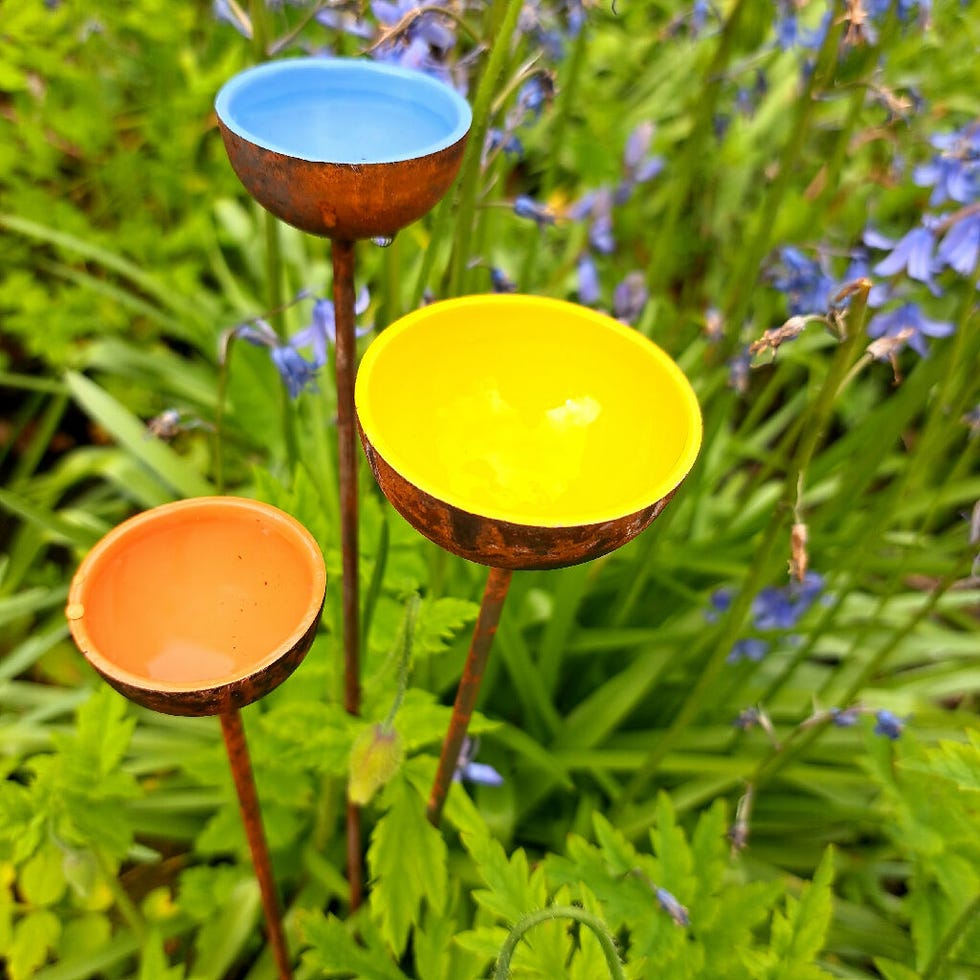 Haywards Garden Bee and Butterfly Water Stations, Garden Décor, set of three colourful bee water cups .
Now 17% Off
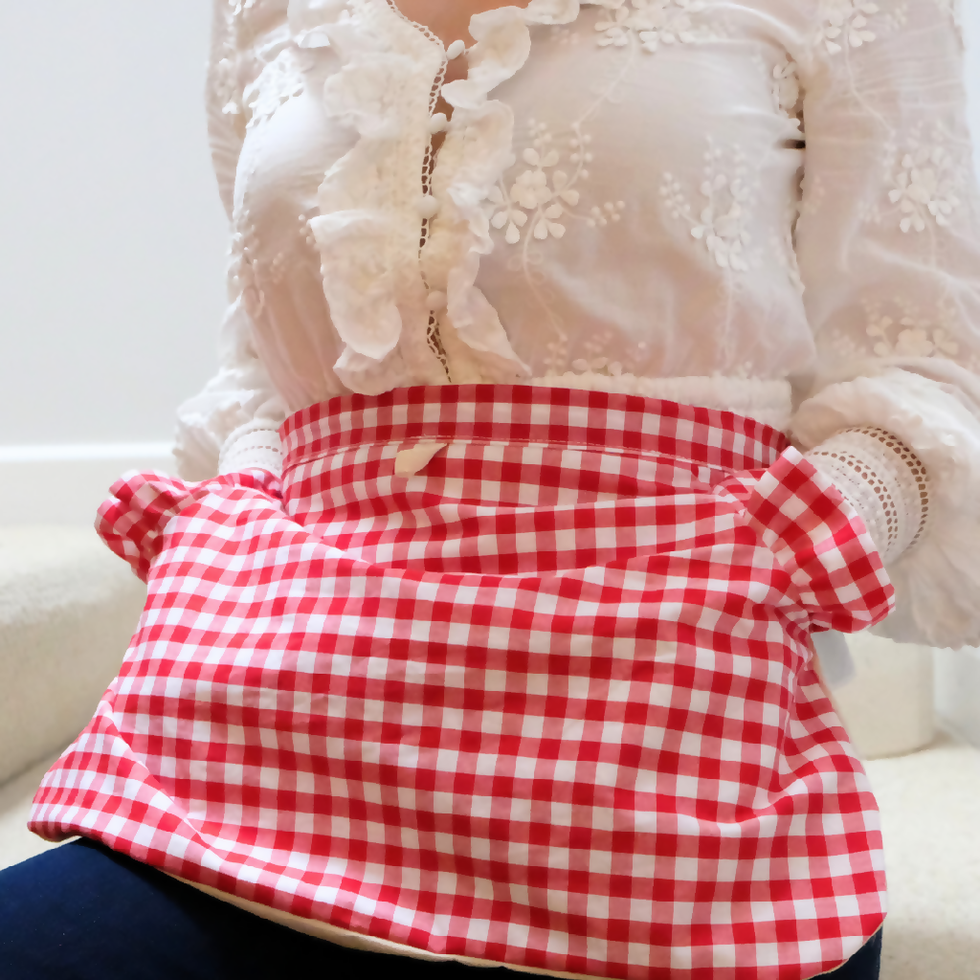 Home Sussex Handmade Peg Apron
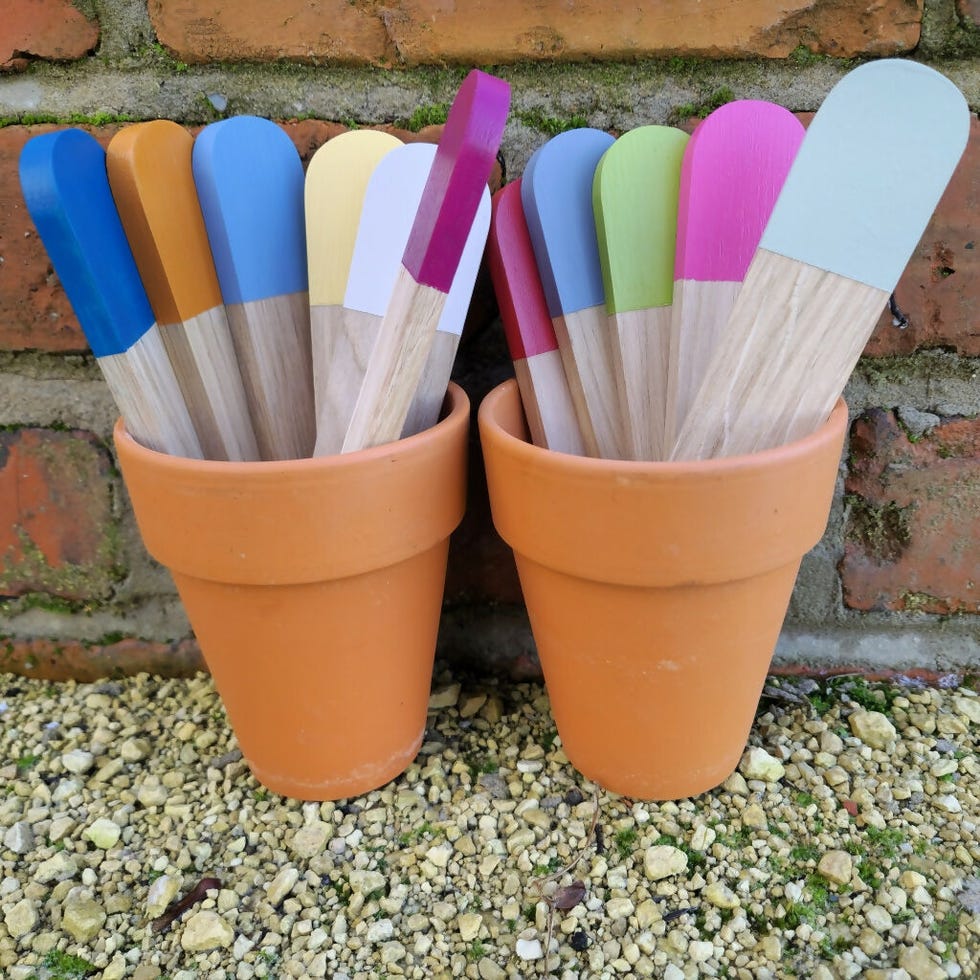 Painted Garden Label/Marker
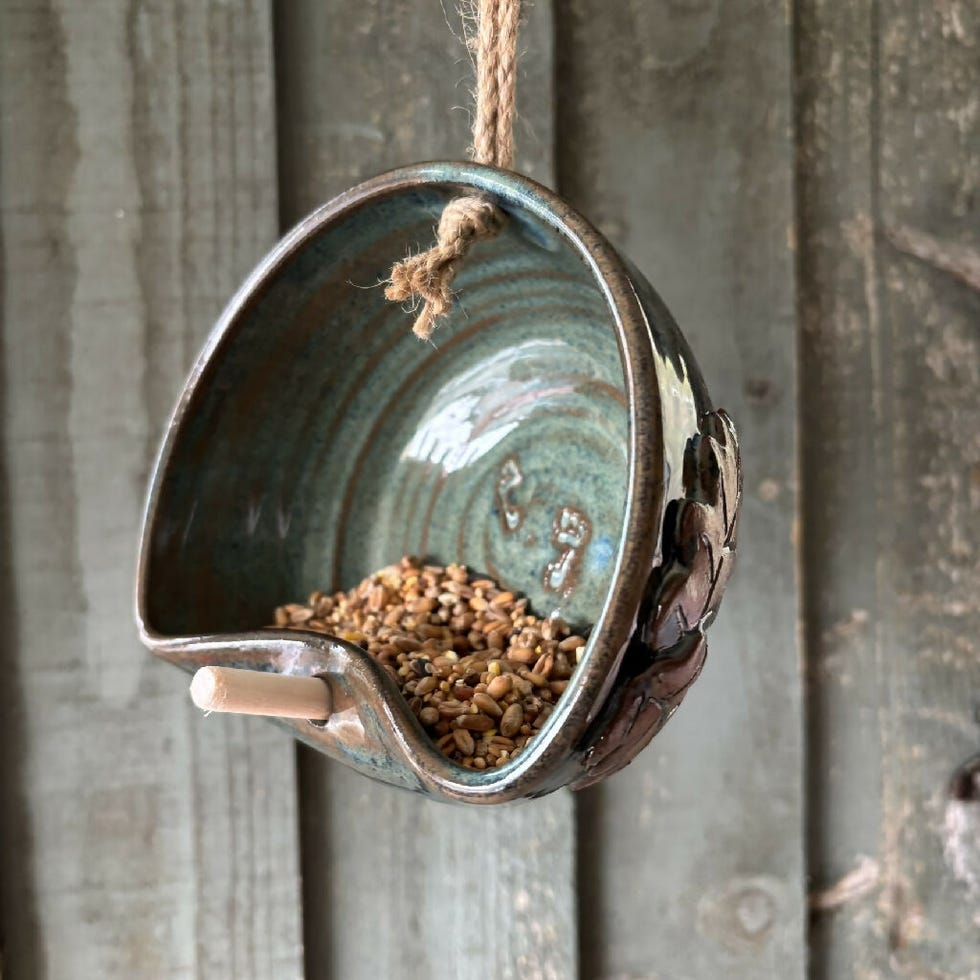 The Fae Potter Wild Bird Feeder ceramic hanging
 WhinnyPoo WhinnyPoo Box of 3 Plant Feed
Comments are closed.