
When it comes to all the imaginative ways you can design an outdoor space, the sky is the limit — literally. But designing a space that works well is a whole other story, and one that calls for a certain level of precision. Every small detail, from the distance between things to the sound of the surface beneath your feet, comes alive when the practical details have been properly thought through.
As for the latest garden trends, more and more of us are embracing outdoor kitchens, cold plunges, saunas, and fire pits that extend the time we spend outdoors. They’re fun and flashy features, sure, but designers warn it’s often the less obvious, and far more practical considerations that are going to make a way bigger difference to how you actually use your garden day-to-day.
From your walk to the sauna in winter, to designing dedicated ‘golden-hour’ seating or treating your house’s exterior as part of your garden backdrop, below, four design experts break down the details you might not have considered when designing your garden — but definitely should.
Article continues below
You may like
1. Think About How You’re Going to Get There
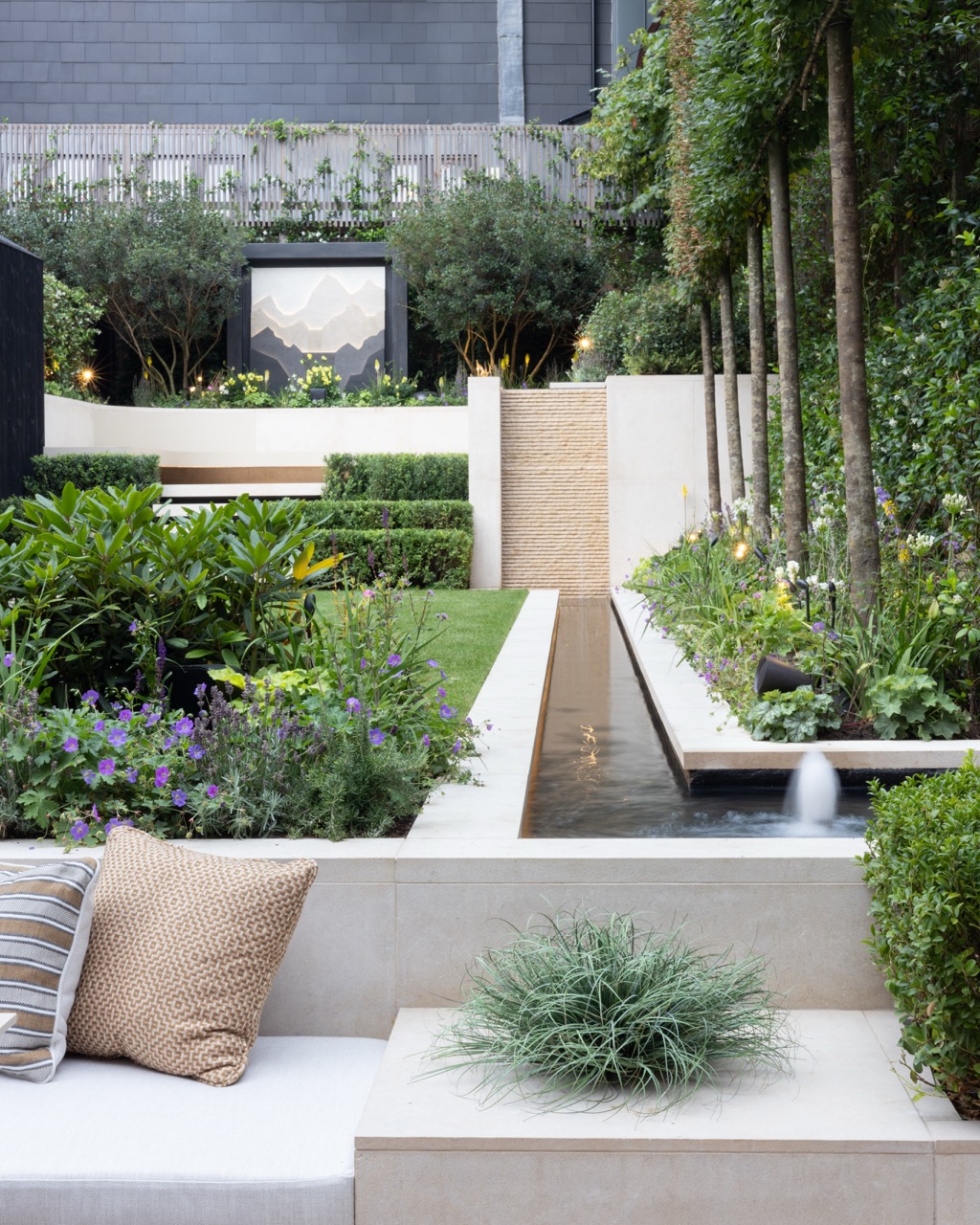
Neutral patios and trimmed lawns make the perfect textures for your ventures around the garden.
(Image credit: Design: Portia Fox)
When installing a feature like a home sauna or cold plunge, people will often carefully consider where it’s going to go and what it’s made from, but very few think about the path you’ll take to get there.
“The path of travel and entry sequence are just as important as the feature itself,” says designer Portia Fox. “You don’t want to be trudging through grass and mud on a winter’s day. A slip-resistant, well-lit access route is essential for year-round use, and storage for towels, robes, and shoes should be conveniently positioned close to the entry point.”
“Beyond the transition, it’s important to consider climate and orientation,” she adds. “Positioning a sauna or cold plunge to capture morning light can enhance the ritual of use, while natural shelter from prevailing winds helps make the space more comfortable throughout the year. Drainage and ground conditions are also critical, as you don’t want water pooling around high-traffic areas.”
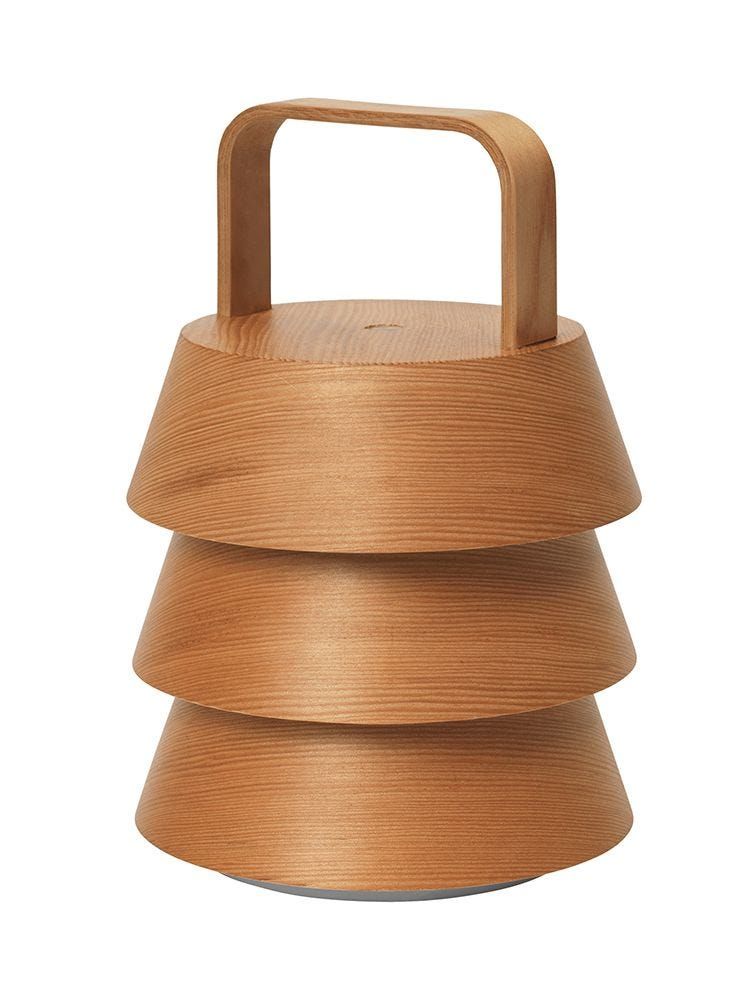
ferm LIVING
Luver LED Portable Table Lamp
You could use this pretty portable lamp to guide your way while still looking good.

Portia Fox
Interior Designer
The London-based interior design studio was founded in 2018 by creative director Portia Fox and managing director Paul Fox. The studio has built a global reputation for delivering elegance and quiet luxury.
2. Consider Where the Sun Hits Most

Brick pillars ground this tile table set for a serene summer dinner.
(Image credit: Dean Hearne. Design: OWN LONDON)
Positioning your outdoor dining table somewhere that’ll be in the shade when you want to use it is going to seriously limit how often you’ll sit at it. Understanding how the sun moves across your garden is critical to working out the best layout for your furniture.
Sabah Ashiq, director of architecture at OWN LONDON, says, “We analyze sun paths carefully before positioning seating, dining, or retreat areas. Morning coffee, afternoon shade, and evening gatherings all require different orientations,” she adds. “When you design in response to light rather than simply placing furniture where it feels obvious, the garden begins to feel intuitive and layered.”
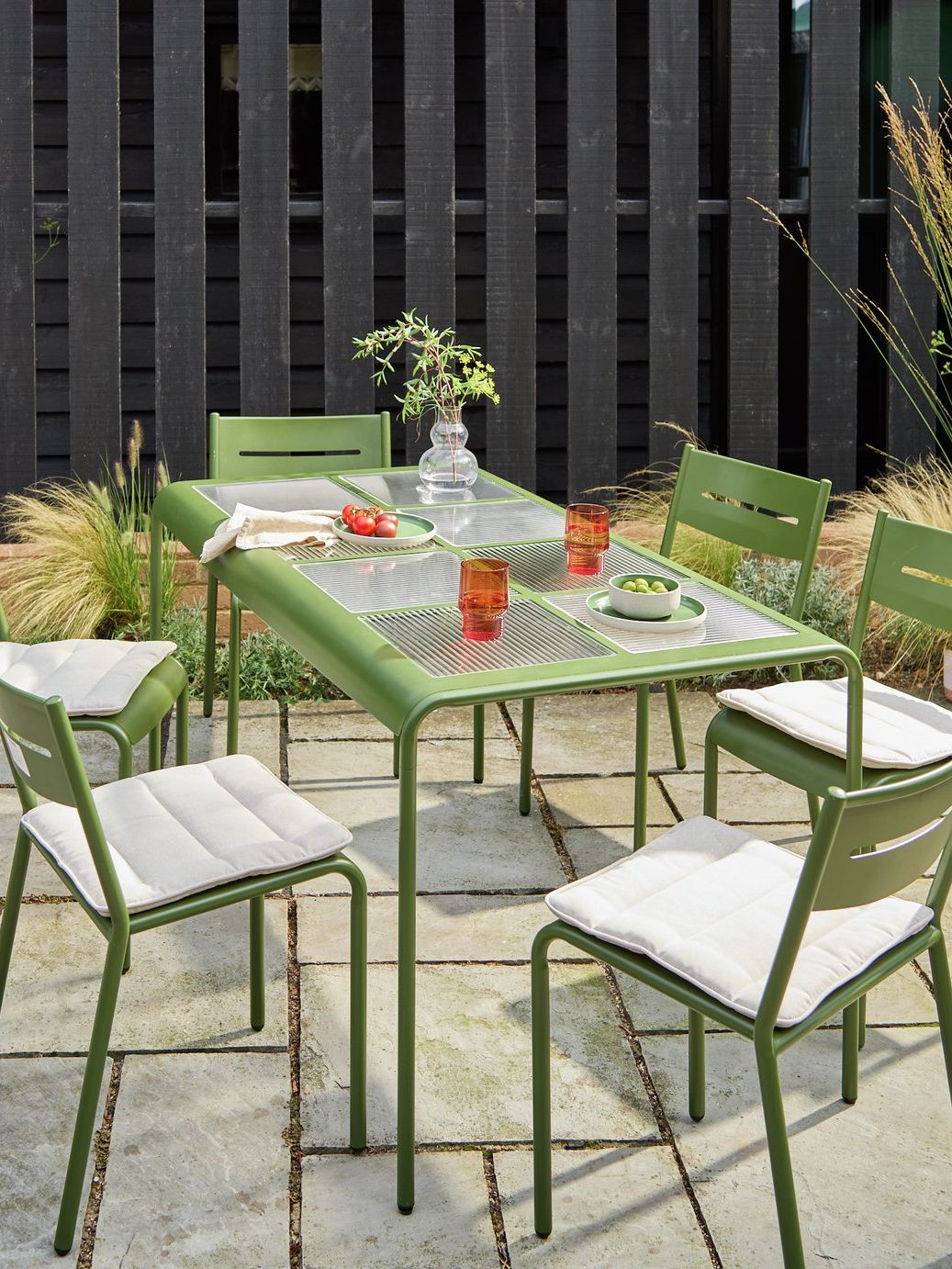
Habitat
Scandi 6 Seater Metal Patio Set in Green
This stylish outdoor dining table from Habitat would look great positioned in a sunny spot in your garden.

Social Links Navigation
Director of Architecture at OWN LONDON
OWN LONDON works between architecture, spatial palnning and property development. Sabah is a London-based architect, who has worked on projects such as Wembley Stadium and the London 2012 Olympic Stadium.
3. Think About How Your Space Sounds

This garden looks like it would sound like chirping sparrows and quiet footsteps.
(Image credit: Aaron Hargreaves. Design: Project London)
We all focus on the looks, but sound affects a garden more than most people realize — and in urban spaces, especially, it’s easy to overlook. But getting it right can be the difference between a garden that feels like a sanctuary and one that never quite lets you switch off.
Marcelina Janiszewska, head of design at Project London, likes to start with sound when designing an outdoor space. “Sound is an important design layer,” she says. “In urban settings, water features can soften background noise and introduce a sense of rhythm.”
What to read next
“Gravel underfoot creates a quiet sensory marker of arrival,” she adds, and “Even rainfall can be designed for, with rain chains or sculptural water catchment elements introducing movement and acoustic interest during a downpour, a principle long embedded in Japanese garden design,” she says.
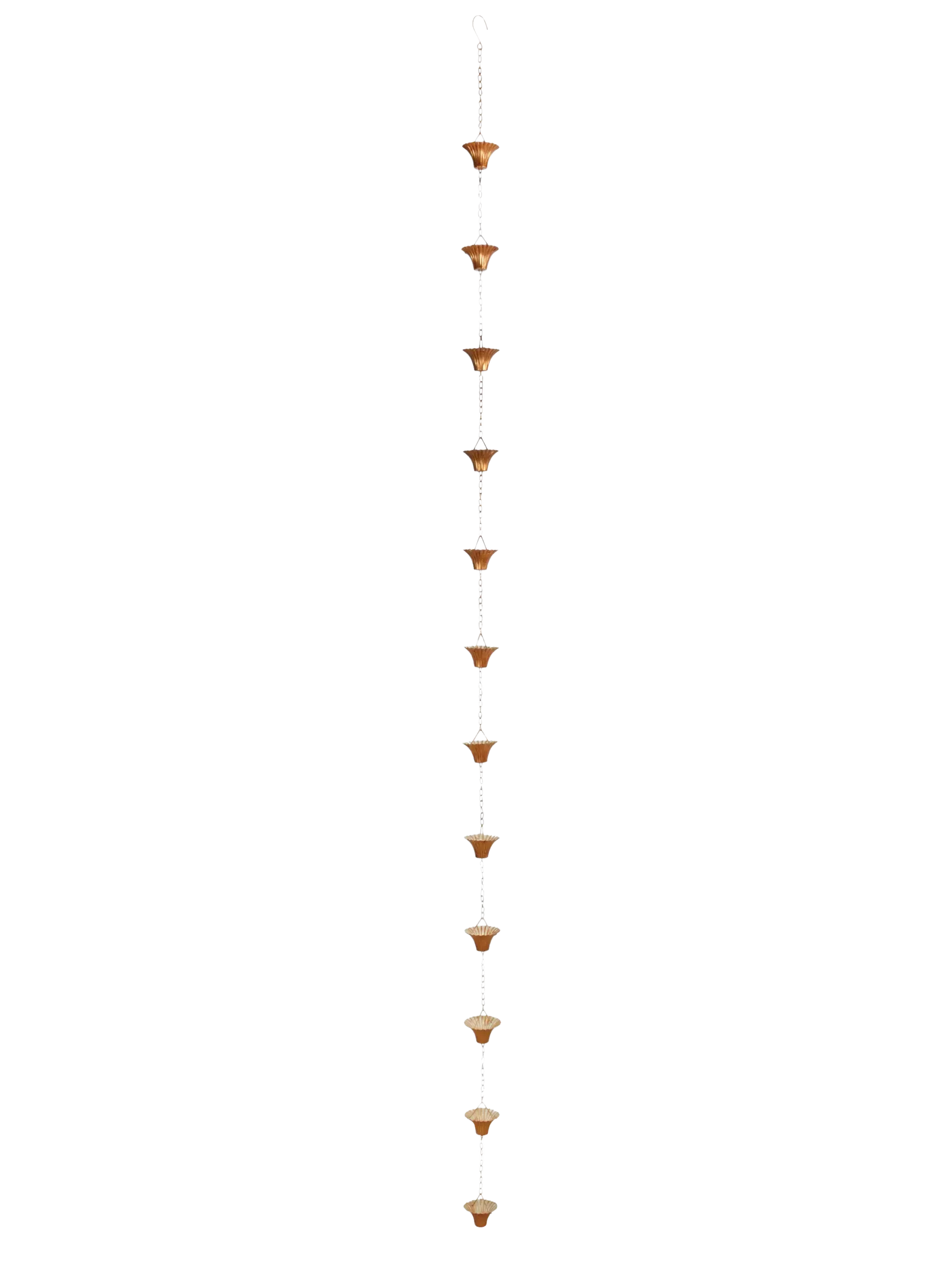
Fallen Fruits
Copper Plated Rain Chain
A rain chain looks so much prettier than a downpipe (especially this one), and the sound it makes can be so soothing.
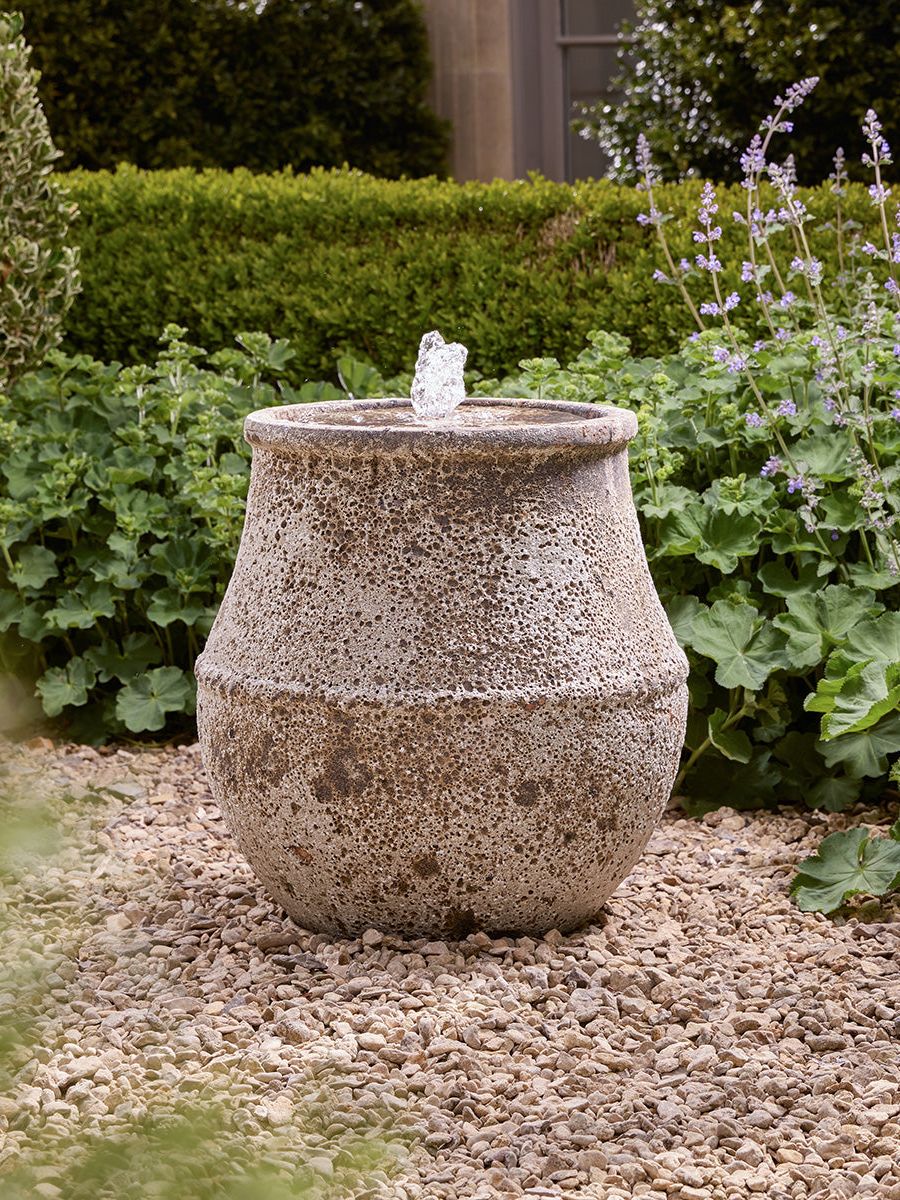
Gardenesque
Roux Ancient Stone Tall Water Feature
Water features are a wonderful way to create a peaceful backdrop in your garden, and it’ll cover the sound of traffic.
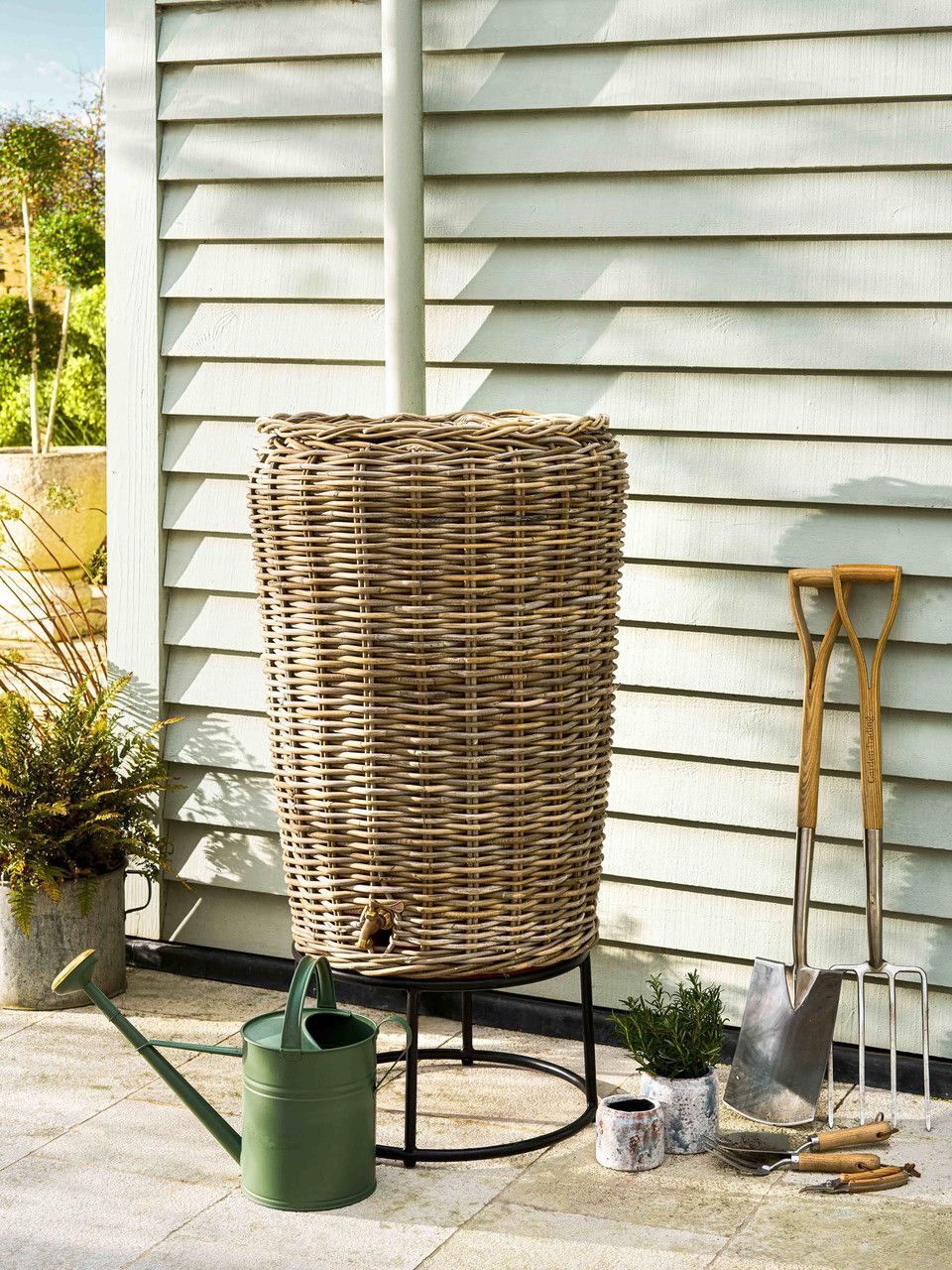
Garden Trading
Kingscote Rattan Water Butt
This water butt will carefully collect water, but look good while it does it, thanks to the woven rattan finish.
 Marcelina Janiszewska
Social Links Navigation
Head of Interior Design at Project London
Marcelina Janiszewska studied Interior Architecture and Design at Arts University Bournemouth and is a BIID Associate. Her award-winning portfolio spans Chelsea townhouses to Listed Marylebone apartments.
4. Prioritize Proximity to Your Home

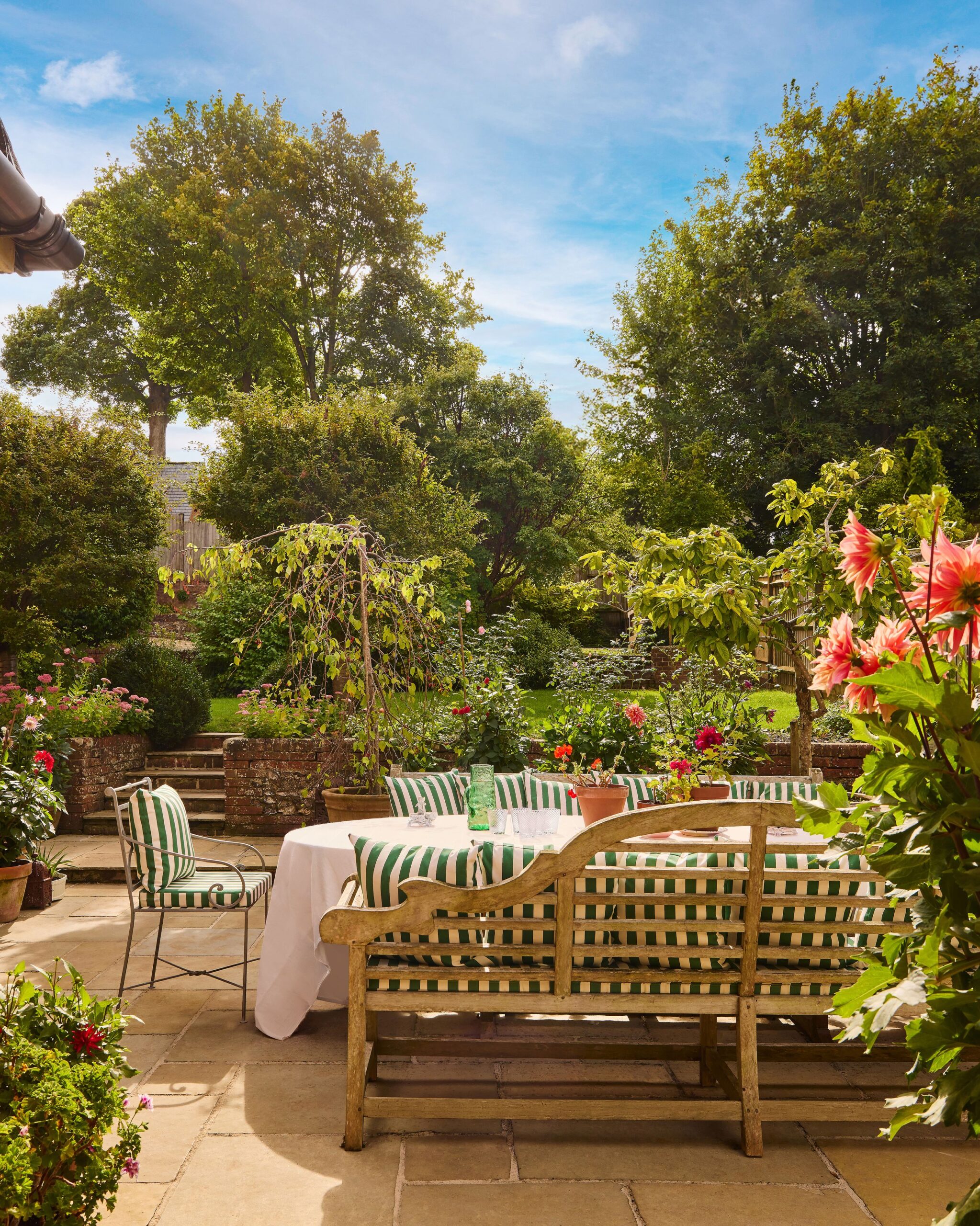
A perfectly placed outdoor dining area for a busy summer host.
(Image credit: Design: Emma Sherlock)
There’s nothing cool about having to make multiple trips between the garden and kitchen when hosting friends. It’s a classic pitfall in entertaining, but it doesn’t have to be that way.
Designer Emma Sherlock believes outdoor entertaining spaces often fail not aesthetically, but logistically. “Proximity is everything,” she says. “If the person cooking has to continually walk back and forth to the kitchen, the space hasn’t been properly considered.”
One of the first things she did in her own garden was create a terrace that linked her kitchen and an informal sitting room directly. “That physical connection completely transformed how we use the garden, food can move easily between inside and out, children can circulate freely, and the person hosting isn’t cut off from the rest of the party,” she explains.
The same goes for outdoor kitchens. “Outdoor cooking areas require equal practicality,” she adds. “A pizza oven or built-in barbecue should sit close enough to the kitchen for convenience, with adequate worktop space nearby for preparation and serving.”
“Even something as simple as planning where drinks will be positioned — so you’re not constantly going back indoors — makes entertaining feel seamless rather than stressful,” she adds.
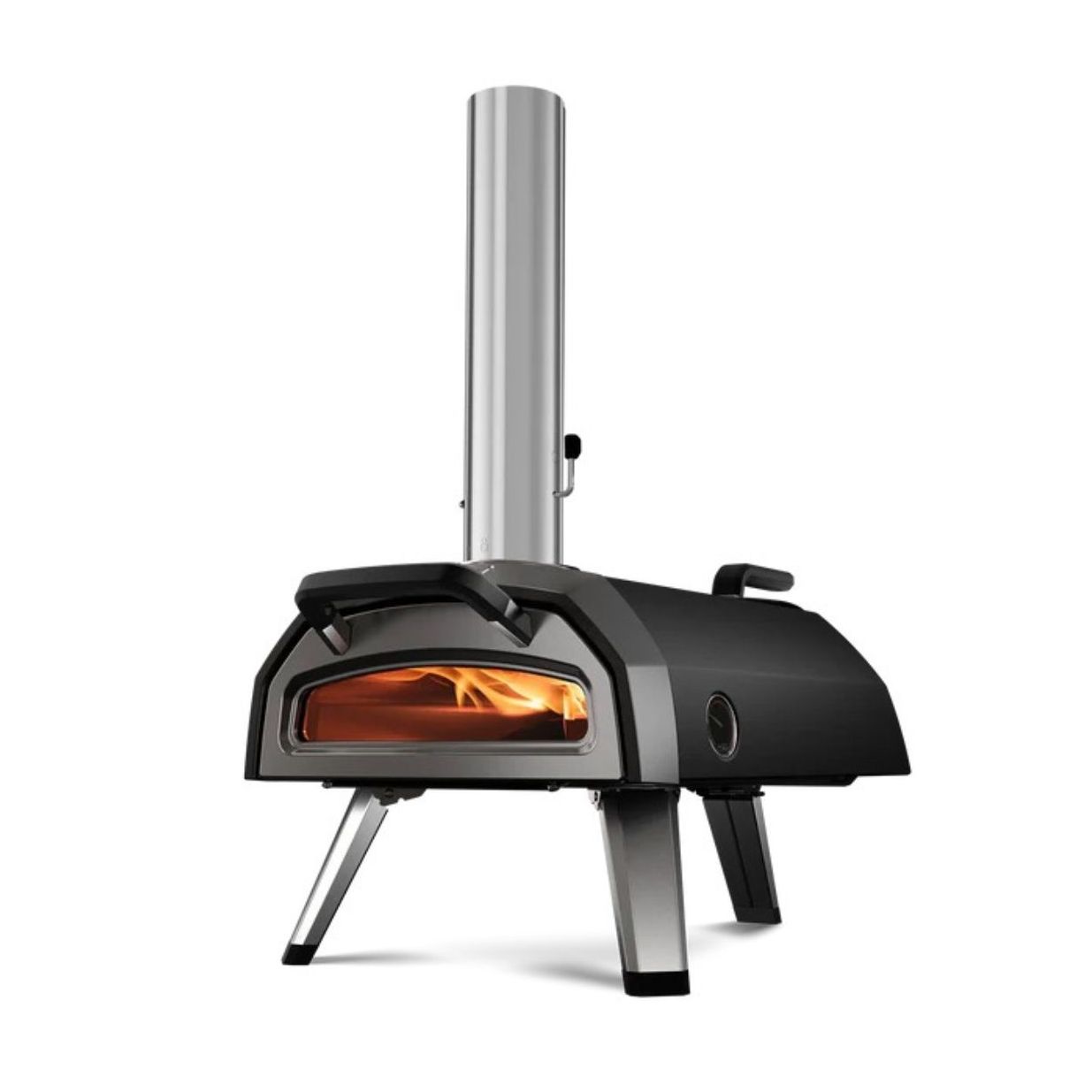
Ooni
Karu 2 Multi Fuel Portable Outdoor Pizza Oven
 Emma Sherlock
Social Links Navigation
Interior Designer
Emma Sherlock founded her Hampshire-based interior design studio in 2016. Using expertise from her career at Vogue and studies of fine art, architecture and history of art, Emma Sherlock’s design ensure a unique English style.
Designing a garden can be costly, so ensuring you make the right choices can feel like a lot of pressure. Something still doesn’t feel right? Make sure you haven’t made one of these common garden design mistakes.
Until then, make sure you’ve subscribed to Livingetc’s newsletter for more advice on how to bring the season into your home.
Comments are closed.