

A patchy, thin moss-infested lawn is one of the most common garden problems in the UK, but experts say it’s almost always fixable with easy spring task.
Gardeners who want greener and moss-free lawns must do 1 simple task in April(Image: MaYcaL via Getty Images)
A patchy, sparse or lacklustre lawn ranks among the most frequent issues facing UK gardeners, but the encouraging news is that it’s nearly always remedied without digging up anything, installing costly new turf or enlisting professional assistance. This month, gardening experts are encouraging homeowners to overseed their lawns.
Overseeding involves sowing fresh grass seed directly onto an existing lawn. According to specialists at Rolawn, this task represents “one of the most effective ways” to enhance density, colour and resilience without starting from scratch.
When executed at the optimal time with proper preparation, overseeding strengthens your lawn long-term and helps it withstand wear, weather and seasonal pressures more effectively.
The experts noted that lawns naturally thin over time due to foot traffic, drought, shade, soil compaction and seasonal changes, but overseeding helps counteract this natural deterioration.
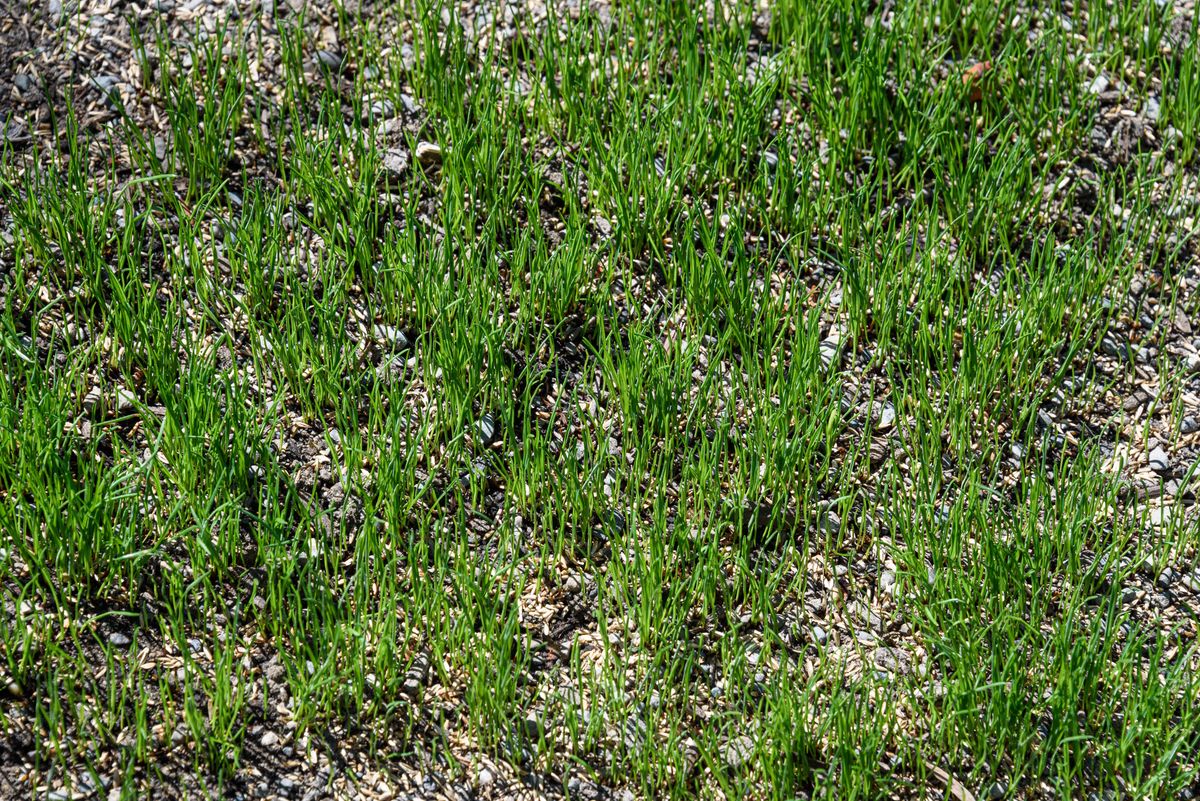
Overseeding is the process of sowing fresh grass seed directly into an existing lawn(Image: N8tureGrl via Getty Images)
The primary advantages of overseeding include creating “thicker” grass blades, “improving lawn colour” and “reducing the opportunity for weeds and moss to establish”.
According to professionals at Fantastic Gardeners, “the best time to overseed in the UK” is spring, particularly April.
During this month, temperatures remain moderate and rainfall is likely. This proves beneficial as seeds require moisture to germinate.
How to overseed your lawn in April
Begin by trimming your lawn to roughly 25mm to ensure the seed can reach the soil. Then, scarify your lawn using a garden rake or a powered scarifier to eliminate thatch and surface debris. This step is vital for successful seed-to-soil contact.
Next, aerate the lawn by spiking it with a garden fork to a depth of about 150mm at intervals of approximately 300mm. This enhances drainage and root growth.
If your lawn hasn’t been fertilised in the past four months, now’s the time to feed it. Evenly distribute the seed across the lawn. To save time and help incorporate it into the surface, you can mix the seed with lawn topdressing.
Keep the area damp. If there’s no rainfall, lightly water after two or three days to stop the seed from drying out.
If necessary, use netting or garden fleece to shield seeded areas from birds. Once shoots start to emerge, remove the protection. For at least seven to 21 days while the seedlings take root, try to limit foot traffic.
For the initial few mows, increase the cutting height to around 50mm, then gradually lower it back down to 25mm. At any one time, never cut off more than a third of the grass blade length.
Comments are closed.