

Tulips are a popular spring flower, but they can start to droop in a vase after just a few days – luckily, there are several hacks that can help to keep them perky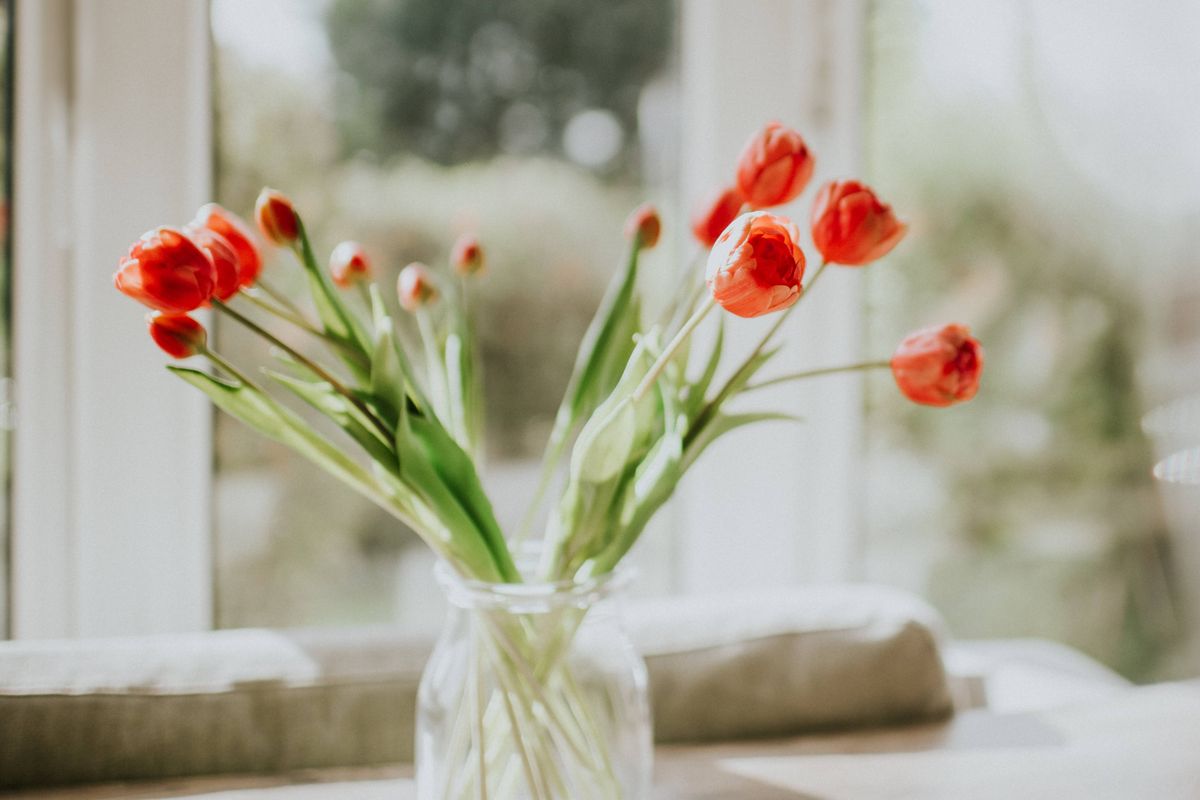
Tulips can droop quite quickly (stock photo)(Image: Catherine Falls Commercial via Getty Images)
Tulips are among the most iconic of spring blooms, but their lifespan in a vase is disappointingly brief. Whether you’ve received a bouquet as an Easter gift or treated yourself to brightening your home this spring, there’s a good chance tulips feature prominently.
These eye-catching flowers are particularly beloved at this time of year, typically blooming from late March through to mid-May, meaning their season is now well underway. The trouble is, tulips tend to deteriorate quickly once displayed in a vase indoors.
They can begin drooping within just a few days, and while they’re not technically dead at that point, they certainly lose much of their upright elegance and visual appeal.
Fortunately, there are measures you can take to revive your flagging tulips. Numerous old wives’ tales and questionable tricks circulate online claiming to restore tulips using everyday household items – but how many of them genuinely deliver results?
One social media gardening expert decided to put three of the most widely shared methods to the test across six days, determined to discover whether any could truly rescue her tulips – and the results left her astonished.
Bethany Naccarato, a trained master gardener, arranged tulips across four separate vases. One contained plain water as a control, another a splash of vodka, a third held a penny, and in the fourth, she pierced a small hole through the top of each tulip. After monitoring them for six days, one method emerged as the undisputed champion.
The pin trick
For the pin approach, Bethany inserted a sewing pin through the tulip’s neck, positioned directly below the petals. She then removed it, creating a tiny puncture through the stem.
Content cannot be displayed without consent
This method is designed to improve airflow within the tulip’s stem, enabling it to absorb water more efficiently. Air pockets can stop your tulips from drawing up sufficient water to maintain their firmness, so the pin puncture releases that trapped air.
The penny trick
For the penny approach to be effective, you need to use a penny containing copper. In the UK, pennies minted after 1992 are manufactured mainly from steel with a copper plating, while pennies produced before 1992 are crafted from a bronze alloy containing 97% copper. Either coin will do the job since both still feature copper, though locating an older penny may produce superior outcomes.
Bethany explained: “The penny method works because the copper in them is anti-fungal and anti-microbial. It helps to keep the water cleaner so there’s less to gunk up the stems of your tulips.”
The vodka trick
If you’re willing to sacrifice a measure of vodka, adding it to your tulips could help revive them. Bethany suggested that vodka is believed to possess anti-microbial and anti-fungal properties as well, similar to the penny. She explained this should likewise help maintain cleaner water, ensuring your tulips receive a superior quality beverage.
Results
In a follow-up video, Bethany disclosed the outcomes of her experiments and discovered that one of the vases had actually delivered even poorer results than the control vase containing plain water alone.
She revealed the vodka hadn’t worked whatsoever, dubbing it the “biggest loser” of all her trials. The flowers were nearly touching the table due to severe drooping, and the stems were extraordinarily floppy.
The control test secured third position as it performed slightly better than the vodka. In the second spot was the penny, with the tulips maintaining some rigidity in the stems and foliage. But the “clear winner” was the pin technique.
Bethany explained: “For our big and very clear far and away winner: the pin method. That’s right, putting one tiny air hole using a pin under the petals of your tulips can give you tulips that stand up nice and tall and strong. This method far and away outlasted any of the other most commonly recommended ways to keep your tulips upright.”
In a third video, Bethany merged the pin technique with the penny method by piercing her stems and dropping a penny in the water. When compared in another experiment, the vase that employed both techniques performed considerably better than either of the tests individually, so if you have some loose change, it’s definitely worth attempting!
Comments are closed.