
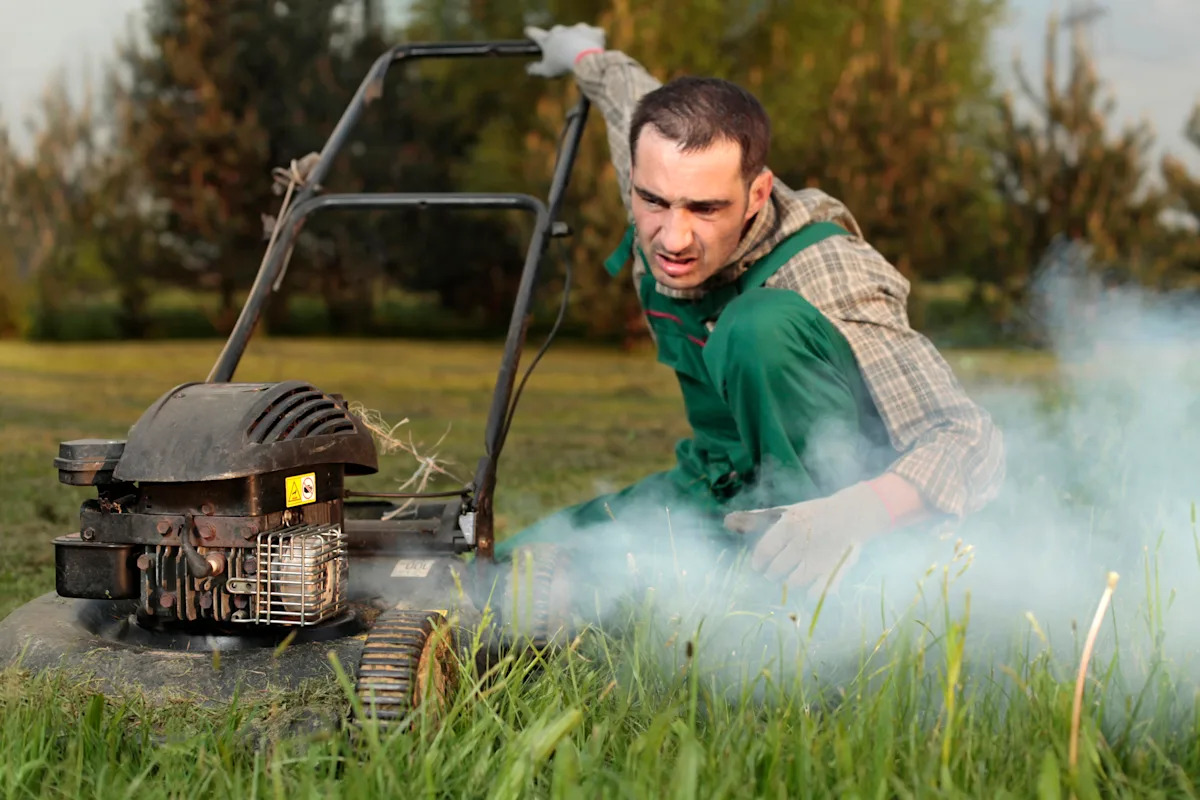
Spring is finally here, meaning the days are getting a little longer and the sun is starting to warm temperatures up across Canada. As the seasons change, you might be tempted to start deep cleaning your home, prepping your garden or thinking about giving your lawn a fresh start for summer.
But before heading outside and putting that green thumb to work, it’s a good idea to sharpen your tools, clean your premises and plan ahead. Not doing so could create landscaping problems you don’t want or worse — cause unnecessary havoc on your property.
Read ahead for the worst lawn care mistakes you should avoid this spring. Plus, keep scrolling to see some of the best products worth picking up for proper grass maintenance throughout the warmer months.
Biggest lawn care mistakes you can make1. Avoiding a lawn mower tune-up
Before you start navigating any garden care or landscaping for the season, it’s worth taking the time to get your lawn mower ready before putting it to work. Firstly, walk around and inspect your machine to check for any cracks, leaks or corrosion that needs fixing. Then, clean off any dust or dirt that accumulated on the lawn mower while it sat idle over the winter, and scrape the underside of the machine if necessary.
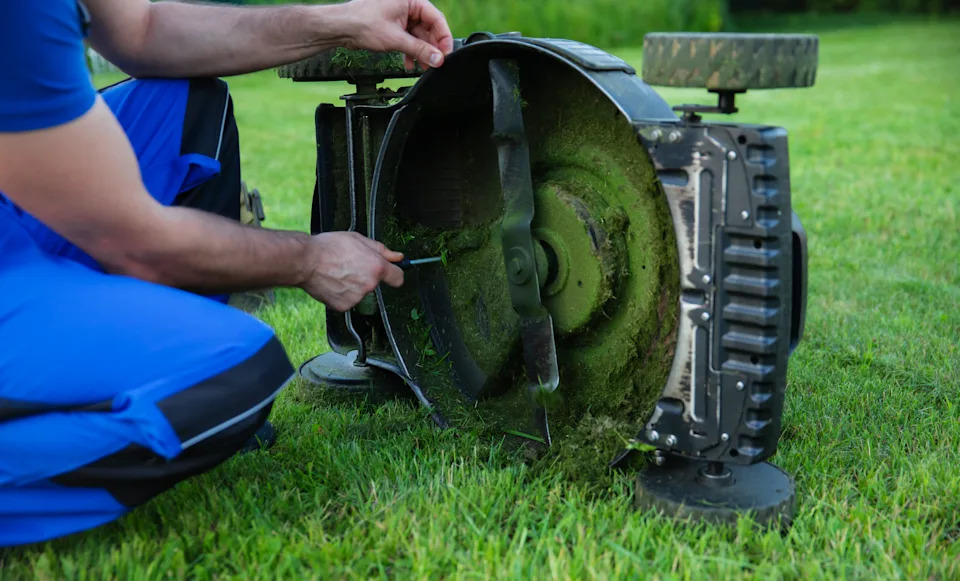
Regularly cleaning your lawn mower deck is essential to preventing lower performance and dull blades. (Getty Images)
(Povozniuk via Getty Images)
If you want your lawn mower to remain economical and high-performing, you’ll also want to consider refreshing some of its parts. Each year, swapping out its spark plug can ensure it starts up quickly each season. Changing any air or fuel filters will also help it run smoothly, and sharpening or replacing the blades will improve efficiency and ensure a smooth cut.
Once you’ve finished working on the outside of your lawn mower, start refilling what’s inside. Firstly, start the season with a fresh batch of oil to ensure proper maintenance. As your last step, fill your lawn mower’s fuel tank and, according to The Home Depot, consider warming it up in the sun for a couple of hours so it’s easier to start.
2. Not cleaning up your yard
Winter can be long, and that means lots of leaves, branches or other dead foliage might be scattered across your lawn, preventing the grass from growing. Take a walk around your property and collect any debris that has surfaced after the snow has melted.
Then, scrape over your yard using a rake. This will help you collect any old leaves and dead grass, leaving you with a fresh space to work with.
3. Forgetting to aerate the soil
The Home Depot recommends aerating your lawn’s soil in early spring. This process — which is essentially taking out small soil plugs from your yard — helps your lawn breathe. It’s not always necessary, but it can help air, water and nutrients reach the grass’s roots more easily.
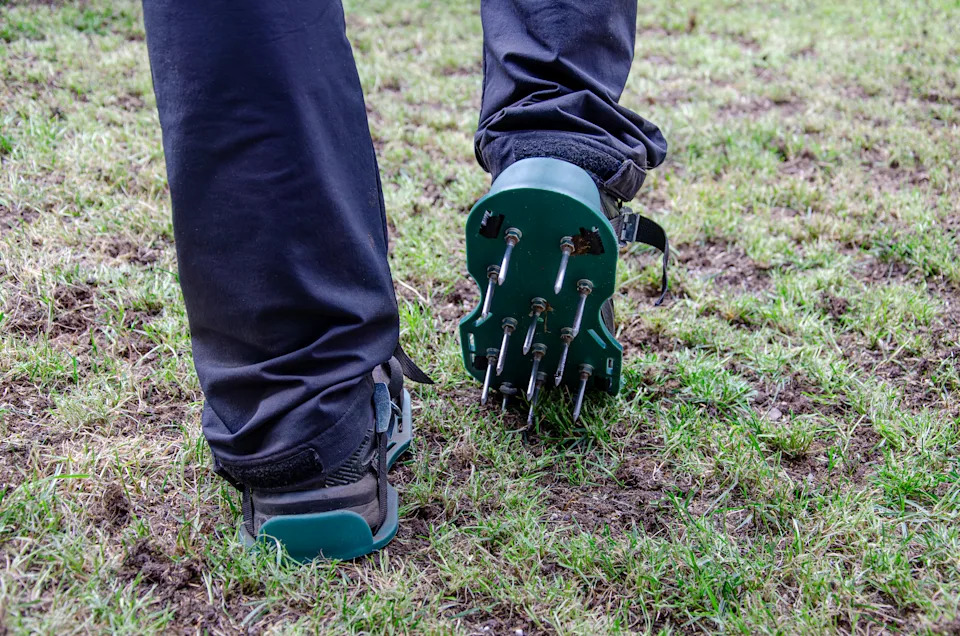
You can aerate your lawn by using aerator rollers or spiked foot tools that attach to your shoes. (Getty Images)
(Nadja Abele via Getty Images)
If you’re in doubt about aeration, the City of Calgary suggests you might want to consider the process if your lawn is heavily used and the ground is hard and compact; the thatch layer is in excess of a half inch; or you have heavy clay soil. Keep in mind that over the winter, compacted soils may be loosened by earthworm activity and freezing and thawing cycles.
4. Not overseeding your lawn
Around mid-April to early-May, fill out your lawn’s bare or thin areas by overseeding. This is a great way to thicken turf and improve your yard’s health ahead of the hotter summer months. According to The Home Depot, overseeding can help your lawn crowd out weeds and resist insects and diseases.
To do so, buy grass seed suited to your property’s conditions. Make sure you read the label of the product you’re using, and spread the seed with a handheld spreader.
5. Skipping a slow-release fertilizer
Using a slow-release fertilizer that feeds the grass over several weeks ensures you’ll have a healthy lawn during the warmer months. These nutrients are essential to helping your lawn grow, and you’ll want to make sure you’re using a fertilizer that’s suited to your climate.
6. Staying away from pre-emergent weed control
Weeds can be a tricky obstacle when it comes to maintaining a lush lawn throughout the spring and summer. Scotts Miracle-Gro advises that spring is the best time to apply pre-emergent herbicides, especially in regions where weeds can become more prevalent as temperatures rise.
Ensure you read the label of the product you’re using, and plan to do this every year, as the herbicide typically only works for around three months.
7. Skipping a proper watering plan
If you’re growing new grass seeds, you’ll need to stay vigilant with your watering. The Home Depot indicates that grass seeds need direct sunlight and regular moisture to sprout, which can take up to three weeks. You’ll want to water the areas with new seeds daily, ensuring the area stays moist but not wet, or else you risk drowning any new plants.

Avoid watering your lawn at night, since it’ll likely stay wet, creating an ideal environment for disease to spread. (Getty Images)
(Catherine Falls Commercial via Getty Images)
Once the grass seeds begin to sprout, you can cut back on watering. When your lawn is established, you can water deeply with one inch of water each week. A good rule of thumb is to water your lawn once or twice per week during warm, dry summer conditions.
8. Mow your lawn irregularly
Once your grass surpasses three inches, it’s time to break out the lawn mower. Normally, you can expect to mow your lawn once a week, but some yards might need more maintenance than that. Other lawns can go up to two weeks before needing to be trimmed.
It’s also best to always avoid cutting off more than one-third of the grass blade. If you’re taking off more, you can stress the grass and make it more vulnerable to disease.
When’s the best time to start mowing your lawn?
Starting to prep your lawn too early in the season can be a mistake. In Canada, the proper timing will depend on where you live and local weather conditions.
In most cases, you should wait until the snow has melted, the ground has thawed and temperatures are consistently above freezing during the day. In most provinces, this usually occurs between late March and early April. If you’re in a colder area of the country, you might want to wait until May or early June.
Overall, it’s best not to start too early or too late. As March rolls around, it’s a good idea to start keeping an eye on your local weather forecasts and pay attention to your soil’s temperature.
Let us know what you think by emailing us or threading us @yahoocanada. Follow us on TikTok, WhatsApp and Instagram.
Comments are closed.