
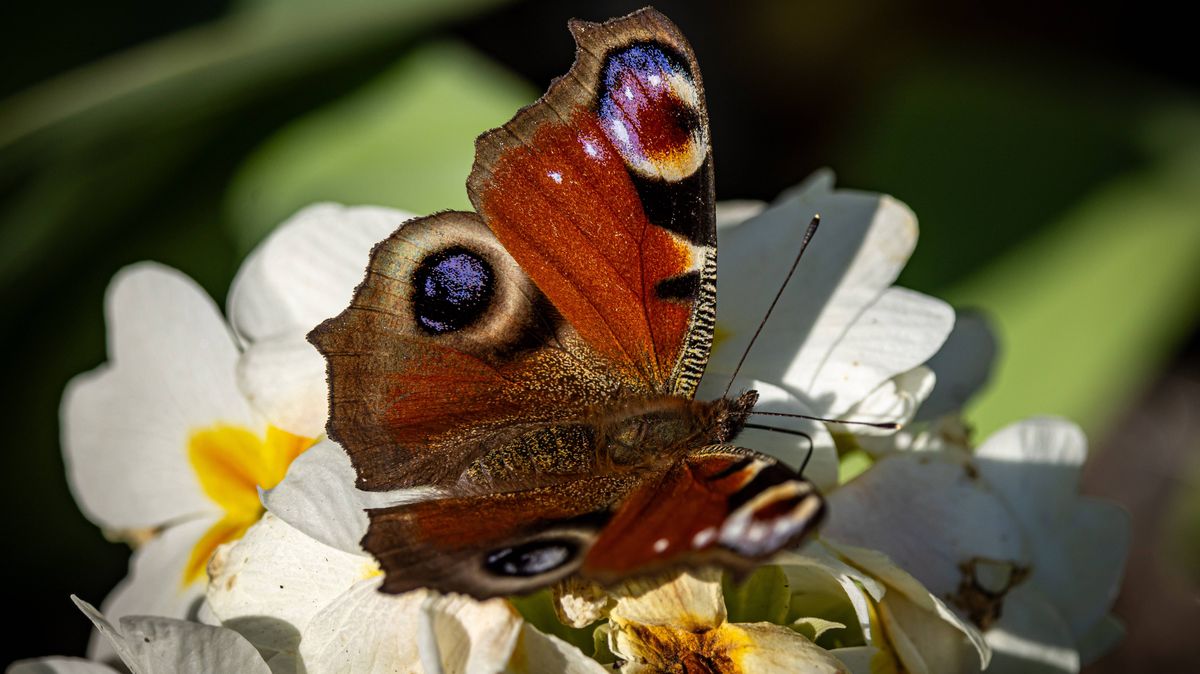
Gardening enthusiast Amy Chapman, who is best known as ‘In The Cottage Garden’, has urged people to add one plant to their garden this month as it helps to save butterflies and bees
Alice Sjoberg Social News Reporter
14:43, 04 Apr 2026

Amy said that butterflies and bees love this specific flower (stock image)(Image: Lemanieh via Getty Images)
A gardening expert has encouraged people to add one particular plant to their gardens this month to provide a crucial early spring food source for butterflies and bees. While they’re often dismissed as irritating, buzzing pests, bees play a critical role in our ecosystem. They’re essential for global food security, ecosystem health and biodiversity, pollinating approximately one-third of the food we consume.
With spring now upon us, they’ve already begun emerging ahead of the warmer months. However, food sources remain scarce at this early stage of the season. One of the simplest ways to assist is by establishing an insect-friendly space filled with nectar and pollen-rich flowers – any size will make a difference.
Amy Chapman, a garden enthusiast known as ‘In The Cottage Garden’ to her 522,000 Instagram followers, has encouraged people to add one specific plant to their gardens to offer a valuable food source for butterflies and bee flies.
“If you only plant one thing in the garden this month, it should be Primroses,” Amy said in her video.
Content cannot be displayed without consent
She continued: “These humble flowers are an essential nectar source in early spring, providing a vital food for insects like brimstone butterflies, small tortoiseshell butterflies, and even bee flies.”
In her post’s caption, she noted that combining these with sweet violets, heather and pulmonaria will also help establish a flourishing wildlife sanctuary in your outdoor space.
She continued: “In the UK, gardens support over 50% of the country’s butterflies, amphibians and reptiles! So it’s crucial that we make these spaces as wildlife-friendly as possible.”
While Primroses provide an excellent food source for insects, some also attribute magical properties to them. According to folklore, eating a Primrose could grant you the ability to see fairies, while placing a bouquet on your doorstep could ward off evil spirits and negative energy.
Amy also noted that they’re an ancient Woodland indicator plant, suggesting that spotting them in nature could signal you’re in an exceptionally rare habitat. However, they’re also remarkably straightforward to cultivate in your own garden.
“Primroses are widely available to buy and so easy to grow. So why not plant some in your garden, and you might even see some fairies,” Amy said.
How to grow primroses
Primroses should be planted during early autumn or spring in partial shade with moist, well-drained, humus-rich soil, positioning them 10-30 cm apart. They flourish in borders, beneath shrubs, or in containers, favouring dappled light and cooler conditions. Water the flowers generously after planting and maintain consistently moist soil.
The RHS has warned, however, that they struggle in highly chalky (alkaline) soil or in ground that is susceptible to drying out. Adding organic matter can help improve soil conditions. The blooms will also fail to flower in heavy shade.
Although primroses are perennial, meaning they’ll return year after year, they tend to produce their finest display in their first year, so it’s worth considering replacing them each year for the most spectacular, vibrant blooms.
Comments are closed.