
Do you know what the limestone said to the geologist? Please don’t take me for granite.
Luckily, most of our garden soils aren’t that rocky. Soil and gardening go together like a hand in a leather pruning glove, and nothing is more important to spring gardening than the temperature of our soil.
Warm, sunny days in early spring are encouraging after a long winter, but Mother Nature still holds the cards, and I don’t trust her. Gardeners have been down this road too many times to fall for her flattery, only to be zapped by early May frosts.
Instead of relying solely on a few sunny days and pleasant temperatures to gauge our planting, which can lure us into false gardening starts, soil temperature can be a reliable partner in determining when the planting season can commence.

In Northern climates, spring often looks ready before it really is. It doesn’t matter how gorgeous a stretch of spring weather is, plants won’t grow and seeds won’t sprout until the soil warms to a certain threshold.
Roots and newly planted seeds live in the soil. That’s their world, and until the soil environment warms, not much will happen. They’ll sit and wait.
That waiting can cause problems. Seeds can rot and plants can be irreversibly stunted in soil colder than their preferred temperature range.
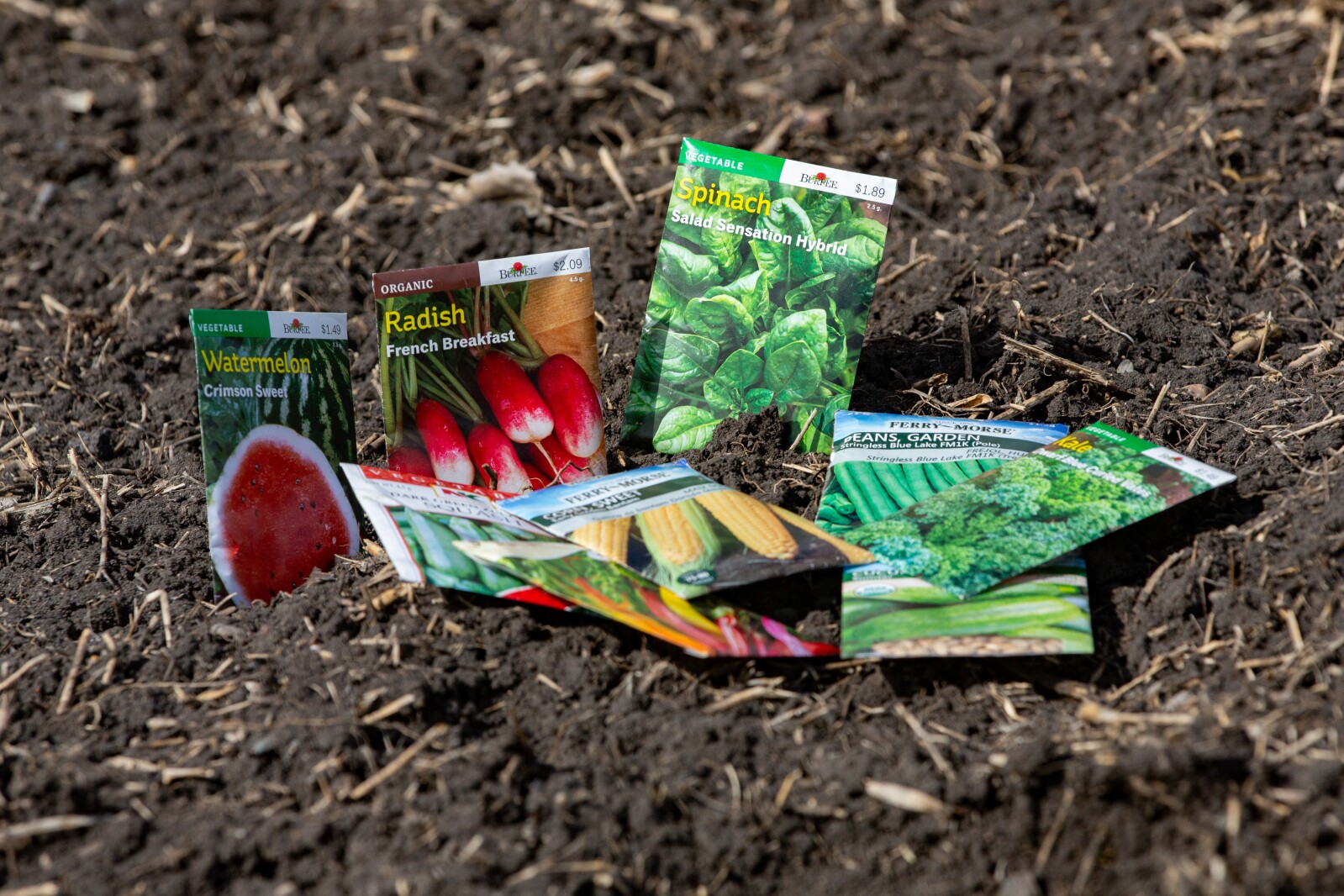
Different crops have different minimum soil temperatures required for germination and growth. Crops referred to as “cool-season,” such as pea, spinach, lettuce, kale, onion and radish are tolerant of cool soil, sprouting in soil temperatures in the 40 to 50-degree Fahrenheit range.
That’s why these crops are the first we can safely plant, often in April. Once they begin growth, the plants also tolerate frost.

Soil temperature can be checked with a soil thermometer.
Chris Flynn / The Forum
Crops termed “warm-season” are a different story. Beans, corn, cucumber, squash, pumpkin and melons require soil temperatures that exceed 55 to 60 degrees Fahrenheit. Tomatoes and peppers like it even warmer.
Instead of getting a jump on spring with early planting, these crops can be set back. In cold soil, seeds of warm-loving crops often germinate slowly and unevenly. Some can rot before sprouting. Seedlings might come up weak and struggle from the start.
These same soil temperature principles apply to transplants. We can set out tomato or pepper plants during a warm spell in early May, but if the soil is still cold, they won’t grow, even if air temperatures remain above freezing.
Warmth-loving transplants can be permanently stunted or stressed while their roots languish in soil that hasn’t reached a consistently warm temperature.
Cold soil slows root development, and without active roots, plants can’t take up nutrients effectively from the soil. Transplants often turn yellow and sometimes purplish, depending on which nutrients are tied up in the chilly soil.
That’s why planting early doesn’t always mean harvesting early, unless we’re planting cool-loving crops. A tomato planted in cold soil on May 10 might be overtaken and surpassed by one planted three weeks later in warm soil.
Old-timers had the wisdom of experience when they commonly delayed planting their gardens until Memorial Day, which until 1969 was always May 30.
There are easy ways to monitor soil temperature. Soil thermometers can be ordered online or found at garden centers. Food thermometers can be used, if the temperatures on their scale go low enough.

Clear plastic can raise soil temperature.
Chris Flynn / The Forum
A useful online soil temperature tool is the North Dakota Agricultural Weather Network (NDAWN) site, which charts daily soil temperatures at many sites around North Dakota and Western Minnesota. Visit
https://ndawn.ndsu.nodak.edu/deep-soil-temperatures.html
for more information.
Soil warms more slowly than air, especially after a long, cold winter which freezes soil solidly and deeply. Bare soil tends to warm faster than mulched soil, and raise beds heat faster than ground-level gardens.
One way to speed up soil warmth is with clear plastic as a surface mulch for heat-loving crops like watermelons and muskmelons, based on research done at North Dakota State University in the 1970s.
Clear plastic mulch can also be used to hurry along a plant or two of tomatoes or peppers for earlier harvest. Tips for using clear plastic can be found at my NDSU blogsite:
https://yardandgardenguide.org/2018/05/04/use-plastic-mulch-for-earlier-tomatoes-and-melons/.
Soil temperature affects other yard and garden processes besides vegetable crops. Grass seed, such as Kentucky Bluegrass, needs spring soil to warm to 55 to 60 degrees for germination.
Crabgrass, the wide-bladed weedy grass that plagues many lawns, begins to germinate when spring soil temperature approaches 50 degrees. Crabgrass-preventing products must be applied and moisture-activated before soil reaches that threshold to kill crabgrass seeds as they sprout.
Comments are closed.