

An expert has urged gardeners to check their rhubarb crops in April and do one simple task to get delicate, tender pink stems ready for an early harvest
Anyone growing rhubarb needs to do 1 important task in April for tastier results(Image: Westend61 via Getty Images)
Beyond introducing vibrant crimson and deep emerald hues to your outdoor space, rhubarb is generally considered a simple, low-maintenance perennial crop. Rhubarb normally produces abundant yields with minimal effort and thrives in various environments, and there’s an ingenious method known as forcing that can speed up the cultivation process.
Forcing rhubarb involves cultivating the vegetable earlier and more quickly to produce sweeter, more colourful stalks.
According to Rachel Cole, gardening expert and seed manager at Mr Fothergill’s, these should be almost ready for harvesting.
She advised, “If you’re looking for an early harvest of rhubarb, often referred to as ‘forcing’ rhubarb, now is the time to keep a close eye on your crop.”
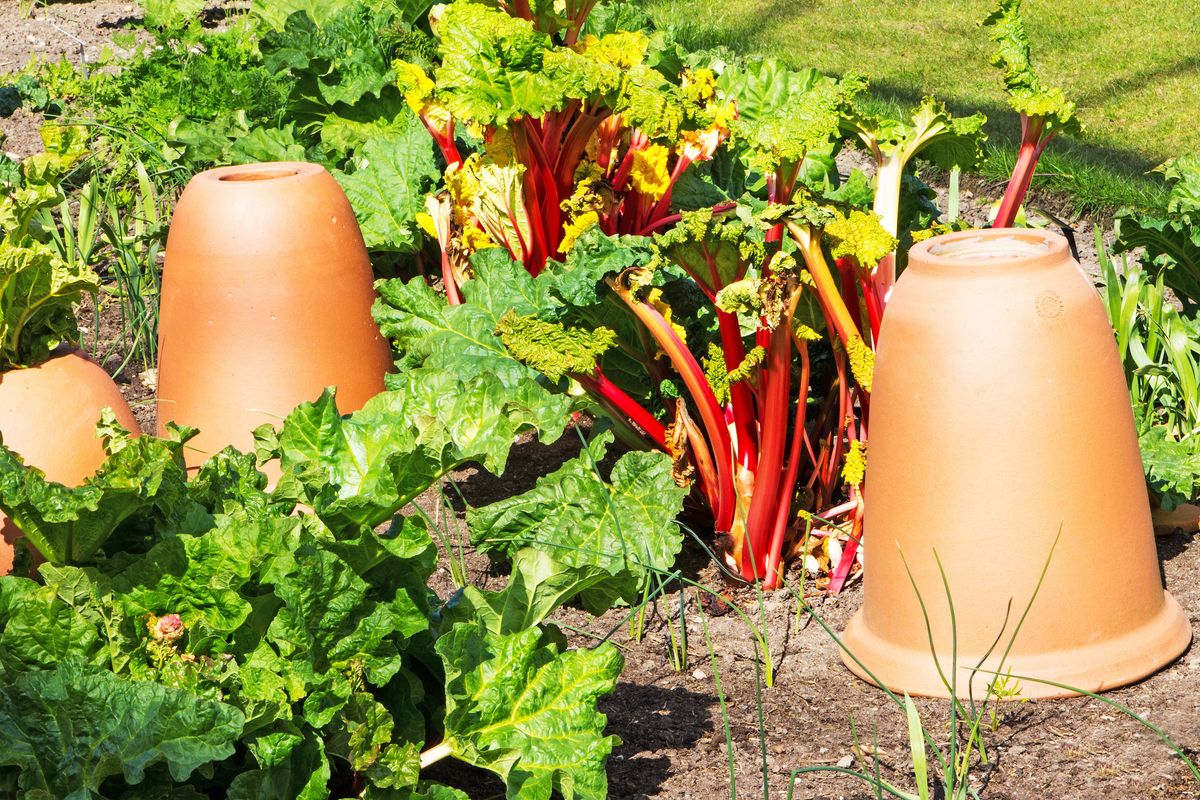
Gardeners must cover rhubarb roots with forcing pots or large flowerpots(Image: Andrew Calverley via Getty Images)
Rachel instructed, “Check them every couple of weeks and make sure the roots remain covered with forcing pots or large flowerpots. This will help the stems develop that delicate, tender texture and light pink hue.”
Typically, rhubarb is ready to harvest after seven to eight weeks of forcing.
During this time, the plant receives no light whatsoever, mimicking underground conditions. As a result, the stems grow more quickly, are considerably more tender, and lack their usual green colour, which explains the brighter and sweeter produce.
If you’ve still got a few weeks left to force your rhubarb, Rachel urged gardeners not to overthink the care of their plants. She said, “Rhubarb is quite happy if you water occasionally and keep the roots covered. Do this, and you will be able to pull lovely, sweet and tender pink stems.”
The seed specialist recommended that “early crops can be harvested right now if they are looking good”, including those forced from January. Your rhubarb is ready to pick once the stalks measure at least 25cm (10 inches) long, not including the leaves.
At this point, “you can be sure they’ll have that signature sweet-tart flavour that makes rhubarb a firm favourite in the kitchen”, said Rachel.
Should your rhubarb not yet be ready for harvesting, keep up with regular watering and promptly remove any flowering shoots that appear.
Those growing unforced rhubarb can start harvesting from April, typically in the second year after planting.
Rachel said, “Good post-harvest care is essential for a strong, healthy rhubarb crop. Once you’ve finished harvesting – usually by June or July – apply a liquid feed to replenish the plant’s energy.
“For even better results, mulch your plants in January or February to improve overall plant health and set yourself up for an abundant crop the following year.”
Comments are closed.