
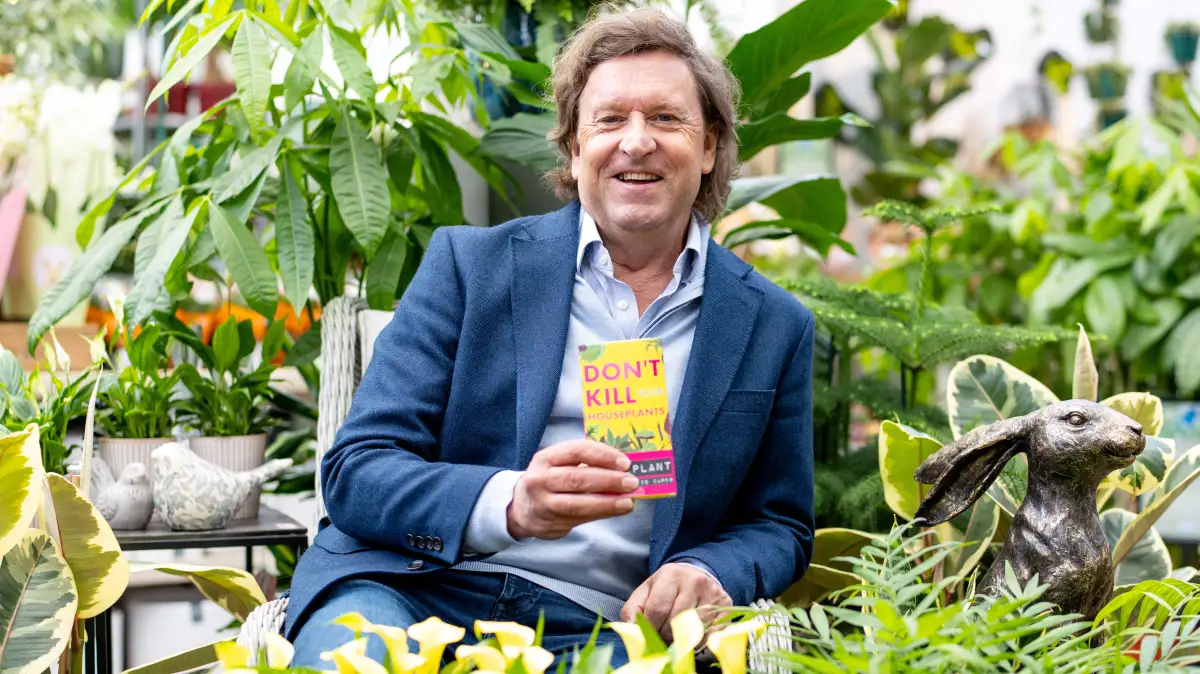
Bluntness can get you a long way in business. “Wonderful country house, shit garden centre,” Alan Roper, boss of the Blue Diamond garden centre group, recalls writing to Henry Herbert, the late Earl of Pembroke and Montgomery, in 2001.
The earl, whose family owns the Wilton House estate near Salisbury, Wiltshire, replied promptly: “I agree with you Alan, let’s meet.”
At the time, Roper was only two years in as retail director of Blue Diamond. Fast forward to today and it is the largest garden centre group in Britain with about 4,700 employees and 52 garden centres on the mainland and Channel Islands. From humble beginnings as an unknown minnow on the Isle of Guernsey, the company now generates almost £400 million in annual turnover and has surpassed even Dobbies, the sector’s household name, in size.
“[Herbert] took me round his house and we kind of got on. So we agreed on a management deal,” Roper recalled. Within a few years the Wilton House garden centre had swung from a £200,000 loss to a £300,000 profit and the relationship continued to this day with the earl’s son, William.
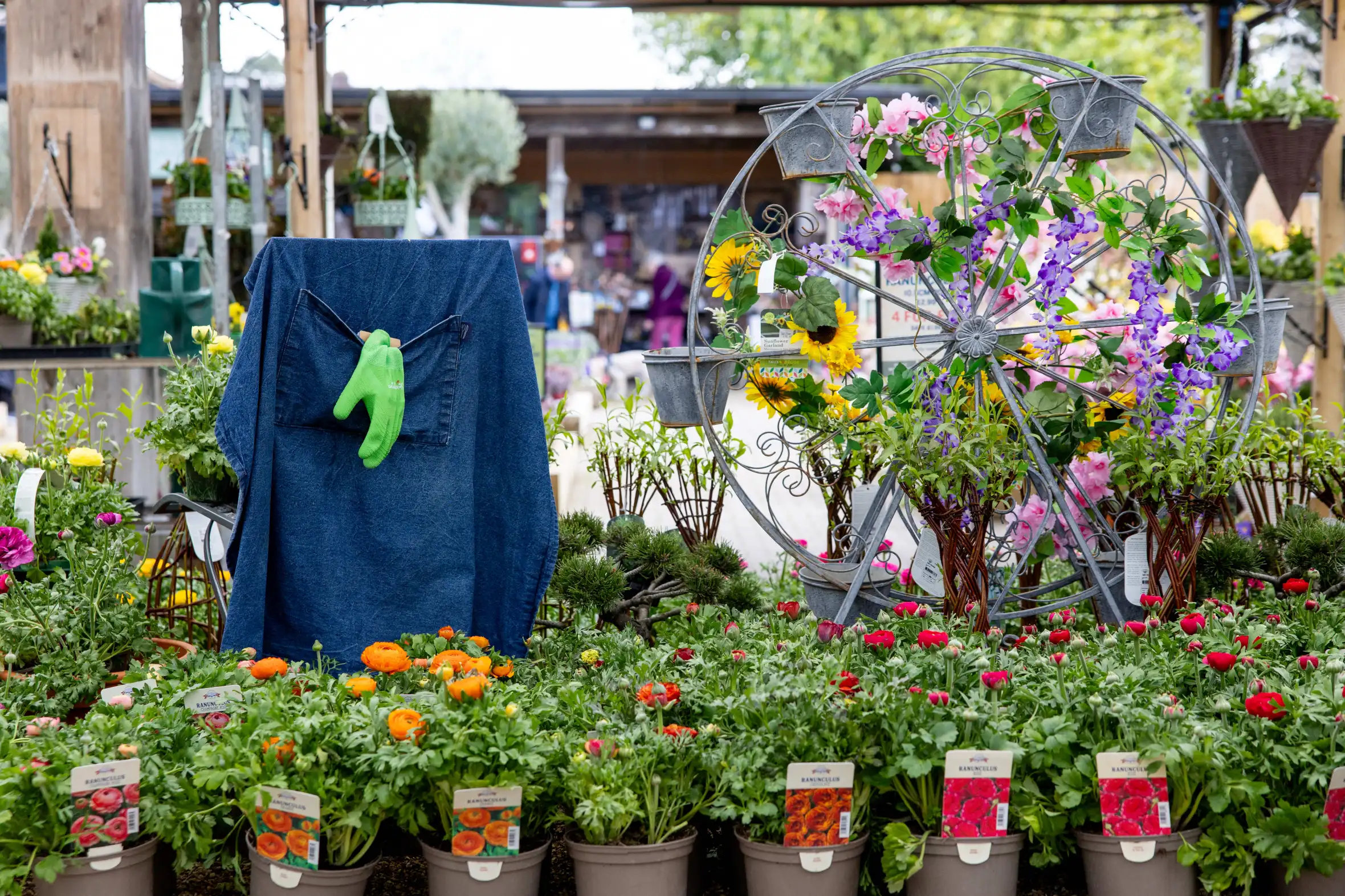 The Van Page garden centre in HertfordshireToby Shepheard for The Times
Roper, 64, now managing director, is as straight-talking as they come: a no-nonsense dealmaker with a long pedigree in horticulture. He has pulled off a rare trick at Blue Diamond; while rivals like Dobbies and Wyevale withered under private equity ownership, the company has found success by snapping up struggling garden centres without gutting the heritage. Founded in 1904 as the Fruit Export Company, it remains locally owned and managed on the Isle of Guernsey with hundreds of private shareholders.
We are on a whistle-stop tour of one recent acquisition, the Van Hage garden centre in Great Amwell, Hertfordshire, which Blue Diamond bought from the Van Hage family in 2022. It has a long history stretching back to a post-war wave of Dutch horticulturalists whose nurseries influenced the UK market, yet losses were mounting at the time of the sale.
First on the checklist was revamping the culture and Roper is a big proponent of the 80:20 rule – perhaps a cliche but one “ignored at your own peril.” He waves over a passing employee: “Megan’s our youngest g con [garden centre speak for head of operations], 26 years old, your first day was on Monday?” “It was,” she agrees, darting off quickly.
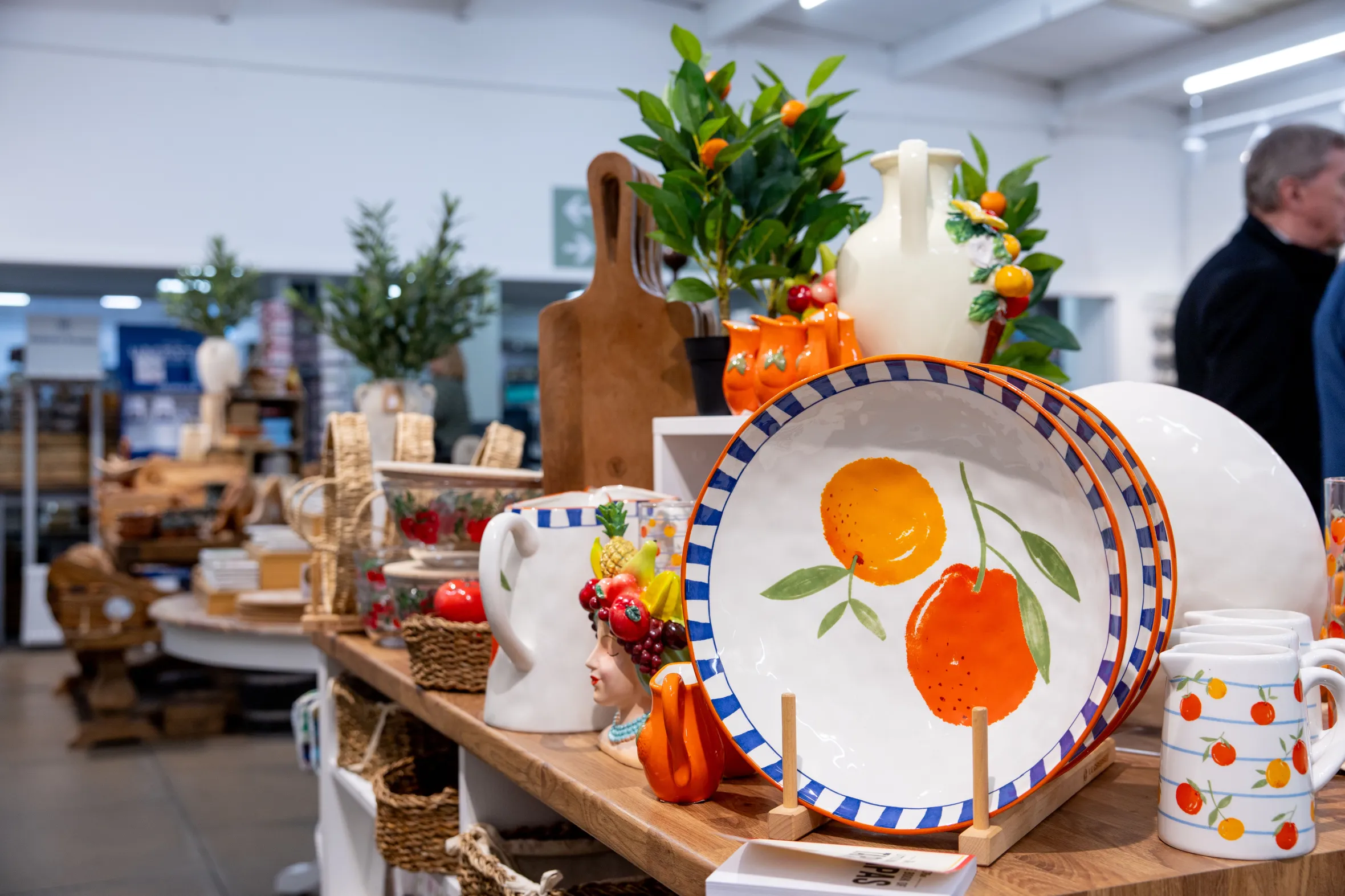
Most of the store has been refurbished and the layout includes a large cafe, a home decor and wellness store, and furniture and fashion sections with designs made in-house. Roper dislikes the idea of “scorch earthing” the history, apparent in his decision to retain the Van Hage family name.
Outside the weather is wet and windy and the businessman picks up some fallen plant pots as he guides us to the best-selling Hebe Heartbreaker – an evergreen shrub with leaves that flush bright pink in colder weather. Every plant’s profit is measured individually and the company now uses artificial intelligence to help crunch the numbers.
 Toby Shepheard for The Times
There is an elephant in the room, however. Negative sentiment has clouded Britain’s garden centre sector in recent times amid rising costs, unpredictable weather and troubles at Dobbies and Wyevale.
Dobbies, which is owned by the United States-based investor Ares Management, completed a major restructuring last year that saw 465 jobs cut and 18 of its 71 garden centres closed alongside six “little Dobbies” stores. Wyevale, once the largest garden centre chain in the country, was dismantled and sold off in pieces by the private equity firm Terra Firma beginning in 2018.
Roper is clearly infuriated by press headlines declaring “the death of the garden centre”, believing the problems are symptomatic of mismanagement at a few as opposed to a wider downturn. He blasts “arrogant” corporates and outside investors, who he argues prioritise expansion without a proper understanding of the intricacies of the industry. “It’s the detachment that annoys me. It’s just a detachment and an arrogance,” he says.
“It started with Wyevale, which turned into like a Dyson vacuum. It just hoovered up: a £1 million centre, a £4 million centre. They had no strategy except that they loved seeing the number of garden centres go up. It never ends well.”
Dobbies, meanwhile, has changed hands numerous times over the years. It was bought by Ares from the private equity firms Midlothian Capital and Hattingdon Capital in 2023, who had in turn acquired the business from Tesco for £217 million about 7 years before. Operating losses narrowed to £22.2 million from £94.6 million in its latest accounts covering the year ending February 2025.
The figures for the wider sector paint a mixed picture. According to the Horticultural Trades Association, sales rose 9 per cent last year on the year before with about 203 million visits made to garden centres across the country. The average British adult made 3.6 trips to garden centres across the period, with spending on garden retail at £9 billion.
Sales growth, however, failed to keep pace with rising business costs and 45 per cent of British garden centres said their revenue position was weaker than budgeted.
And while trading this year has gotten off to a “fair start”, with sales up 5 per cent in January and February, there are difficult months ahead with costs set to worsen as the Iran war increases energy bills for businesses and shoppers alike and disrupts global fertiliser supplies. The sector is already grappling with higher employment costs after the Labour government increased national insurance contributions and the minimum wage.
“We’ll have a shock in October because that’s when our energy contracts are up for renewal. Until then we’re protected,” Roper said. “There’s an element of you have to accept it. Fortunately we were successful last year but you have to hope that one day, one year, you’ll have a better government and stability.”
The crucial spring season is just getting underway, bringing with it increased demand for seeds, bulbs and plants and higher footfall as the weather improves. In challenging times, many still rely on a visit to the local garden centre for a pick-me-up.
“I’ve traded through recessions, true recessions, and you can trade through it. Garden centres have always had that kind of gift, or slight protection from economic shocks.”
Comments are closed.