
It’s the year of the bat at the RHS Chelsea Flower Show, and it’s about time. We all love garden birds and hedgehogs, not to mention the ultra-fashionable bees and butterflies. Bats, however, still seem to put the wild into wildlife. We can blame Dracula for that, but things are changing.
“If you go out on your patio at dusk with a gin and tonic, you will probably see a bat. You just haven’t looked up at night, you know?” says Melanie Hick, who has designed the Nocturnal Garden for the Bat Conservation Trust (which, inevitably, will be called the Bat Garden).
I had bats in my Bakewell garden but, other than an unfortunate “bat in the bedroom” incident, I wouldn’t say I ever saw them properly. What I observed at dusk were dark streaks flitting and flying up and down across the garden. I looked (sneakily) for where they spent their days roosting but never found them. Now I wish I’d bought a bat detector to find out more.
Hick and I have gone to Whitstable on the northern Kent coast to talk bats with Shirley Thompson, aged 91. She is the author of the only book on the subject, Bats in the Garden, published in 1989, which she says is now out of date. She hates the word “expert”, preferring “enthusiast”, but the fact is that she knows more than almost anyone on the subject.
 From left: Shirley Thompson, author of Bats in the Garden and Melanie Hick, who designed the Nocturnal Garden for the Bat Conservation TrustVIKKI RIMMER
“Remember, it’s insects you’re trying to attract, not bats,” she says. “The insects are a step to the bats.” Some of the best plants for attracting insects are the umbellifers, such as fennel, with their flat tops. “I like to think of them as landing platforms,” Thompson says.
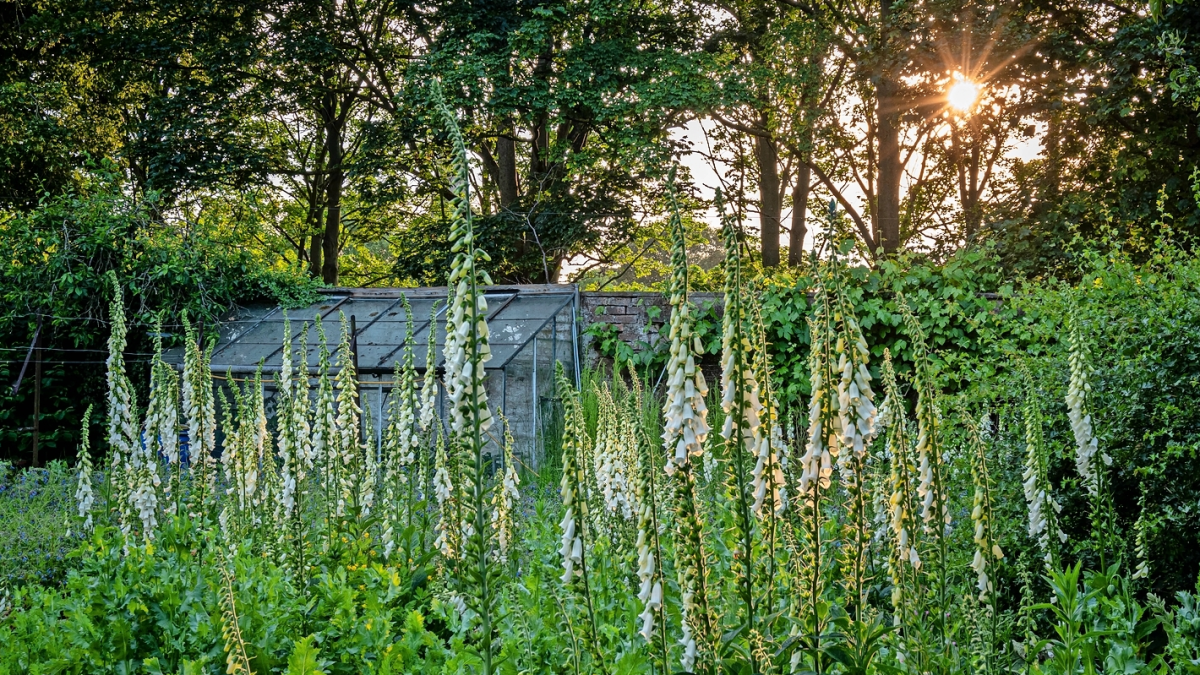
When planting for insects at night it’s important to stagger the heights of the flowers and also to provide some night-time glamour. “When you’re thinking of flowers at night, your tall, pale flowers will attract insects,” Thompson says. “If you go out in the evening and you’ve got white flowers in the garden, they glow, don’t they?”
Hick is from Melbourne in Australia and grew up visiting the local “flying foxes” or fruit bats. These are large (“the size of a cat”) and very noisy. But our UK bats are insectivores and the most common, the pipistrelle, is small and could, with its wings folded, fit into a matchbox. “Isn’t that amazing?” Hick says. “When you see it fly, it’s sparrow-sized.”
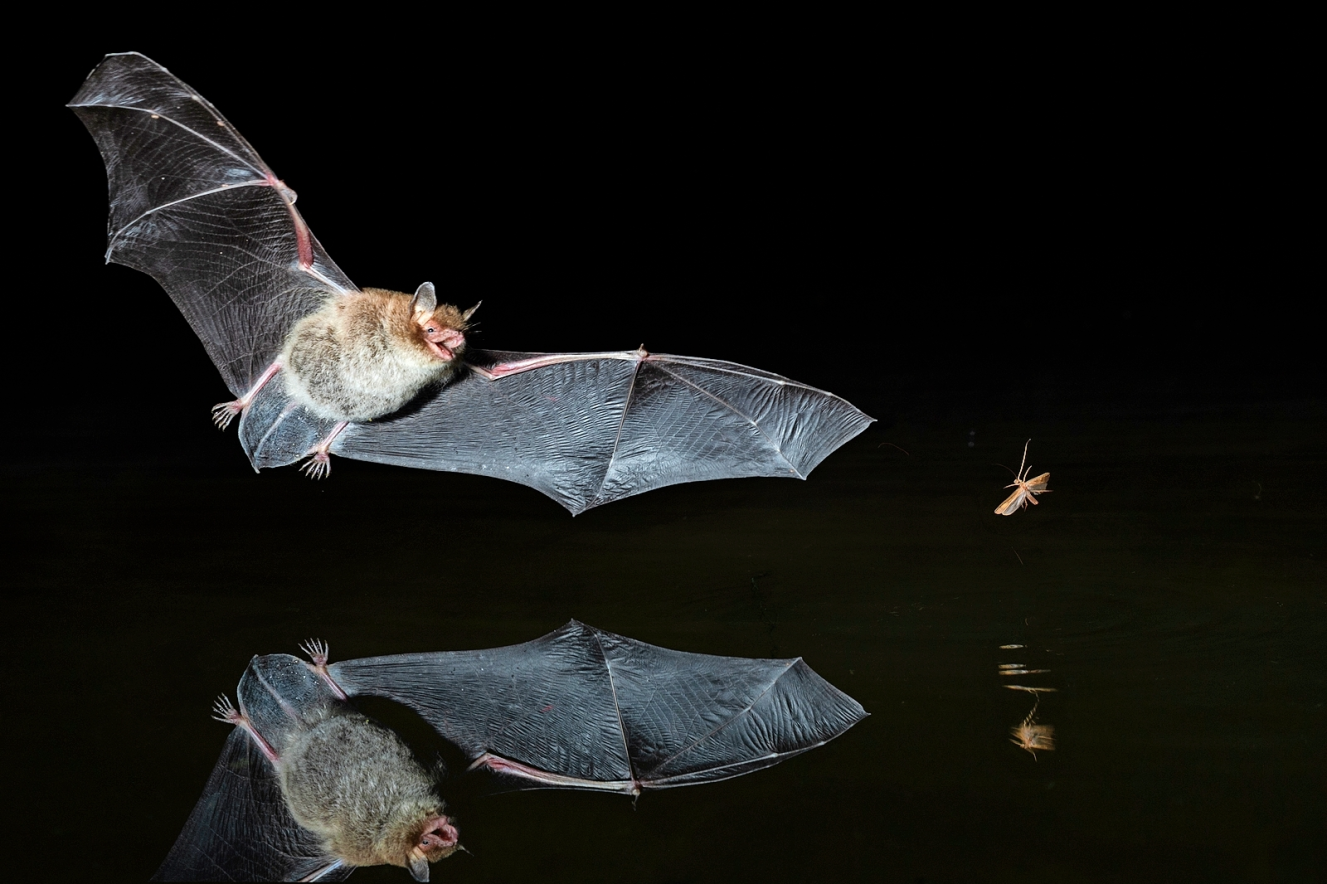 There are multiple ways to encourage bats to your garden PAUL COLLEY
Bats are part of the garden night shift which most of us don’t experience often. “People haven’t thought enough about their garden at night,” Hick says. “They think about gardening in the day. All those garden TV shows are filmed in the day. It’s all very well lit. But the garden comes to life at night. It’s lovely. This is the garden’s second act.”
There is no doubt that bats (but no vampires, I am reliably informed) already live in the grounds of the Royal Hospital Chelsea and some may be planning a flit-through of “their” garden. Thompson is thrilled with the idea that bats are finally being accepted and even championed here. “Well, you know, it’s Chelsea!” she says.
How to create your own bat garden
Add water
It doesn’t need to be a grand water feature as a small still pool will do. Even a jar lid with water on a windowsill will attract insects.
Light carefully
It’s key to use downlights as uplighting interrupts the lifecycle of insects. Use a timer to keep it dark when you go to bed.
Plant for night-time appeal
Think insect banquet, with flowers of different heights, colour and scent. These include herbs such as marjoram and borage, daisies and cosmos, umbellifers such as fennel and false bishop’s weed (Ammi majus) and flowers with long pollen tubes such as honeysuckle and purple top (Verbena bonariensis). Tall, pale and night-scented options include evening primrose, hemp agrimony and night-scented stock.
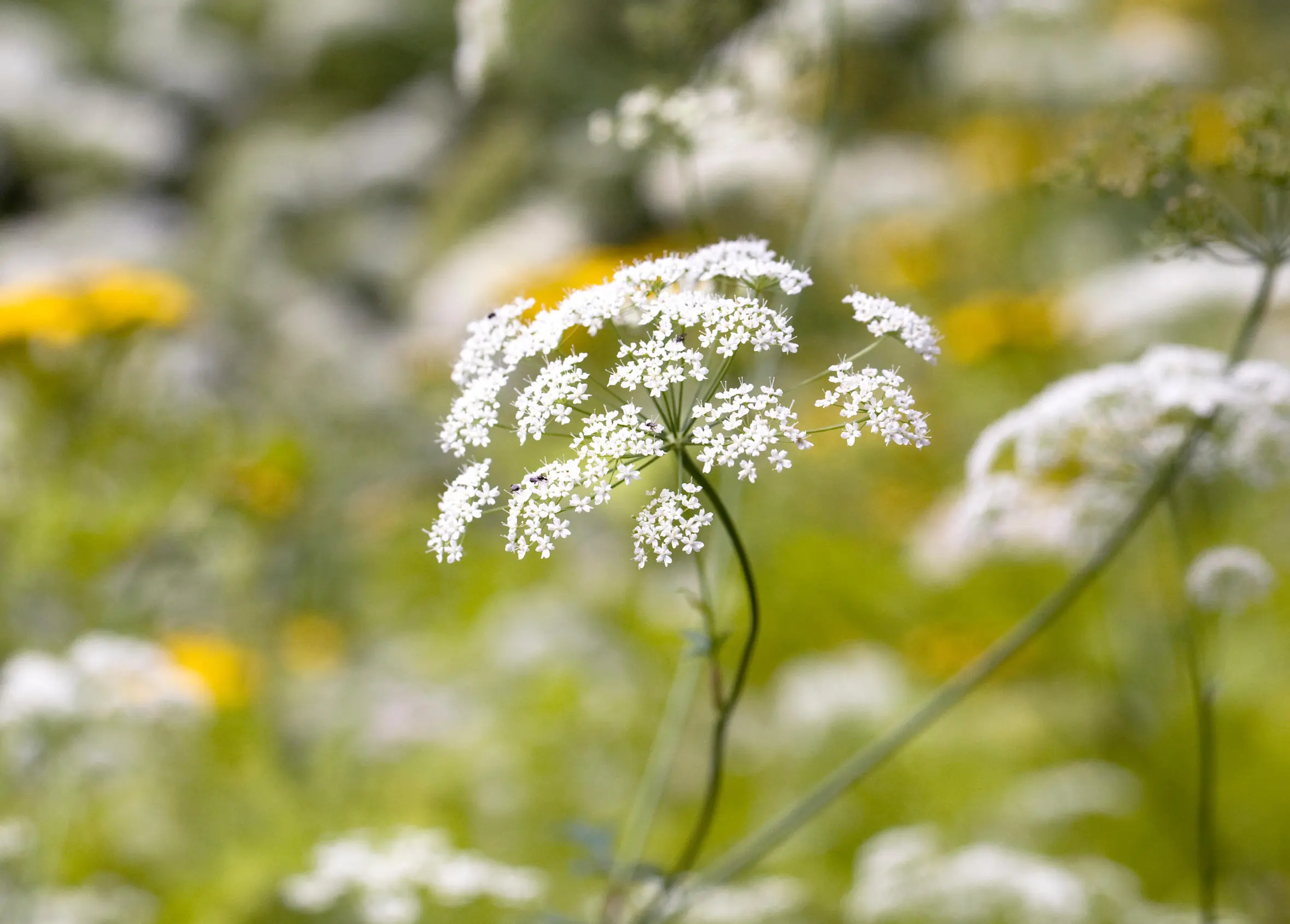 Ammi majus flowersAlamy
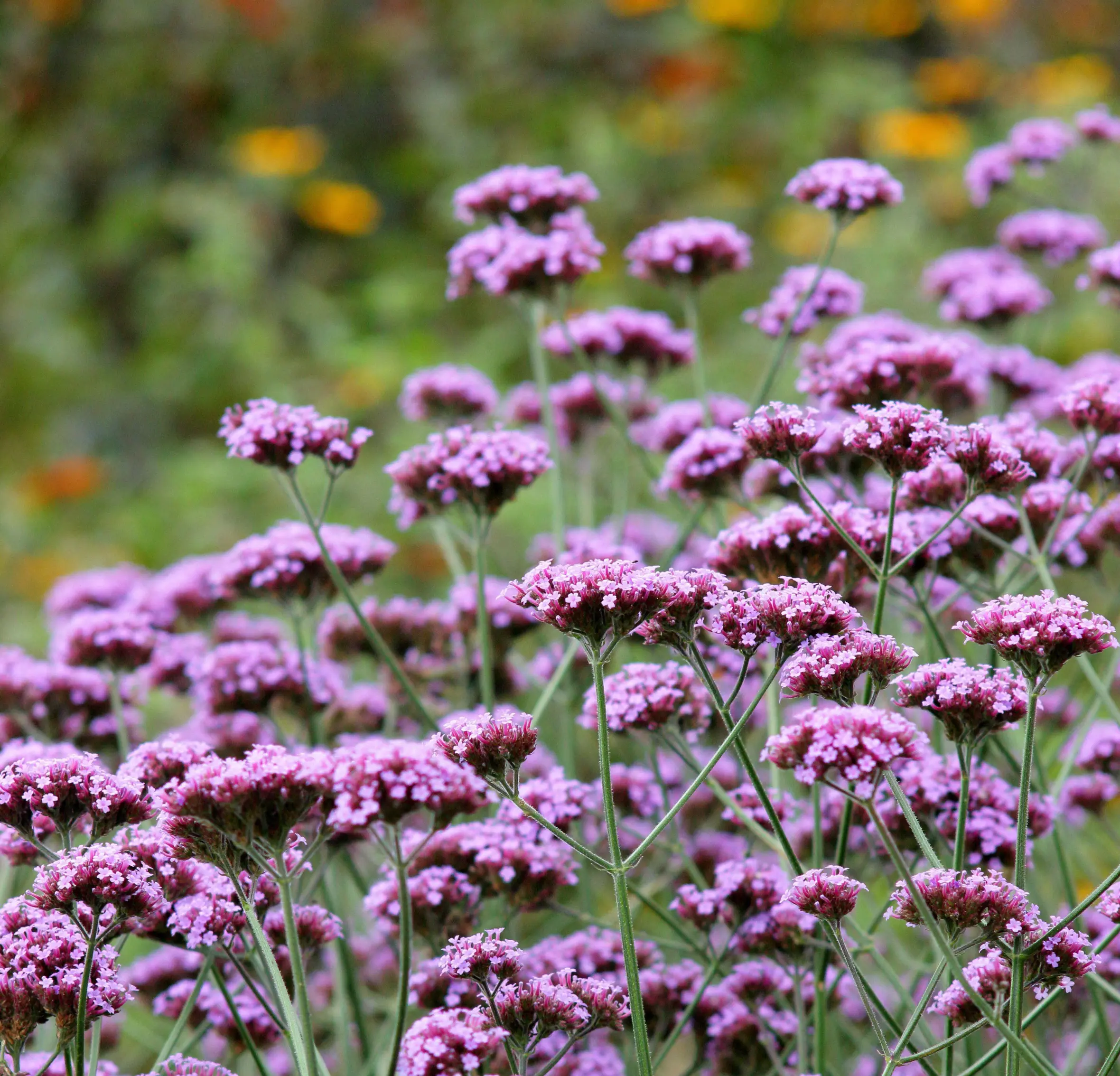 Verbena bonariensisAlamy
Offer a roost
Bats love nooks and crannies but you can provide hotel accommodation in the form of bat boxes.
Buy a bat detector
These devices make bat calls audible for us. They come in all levels of complexity but most people start off with the relatively basic heterodyne ones.
Know your bats
The most common of the UK’s 19 species are:
1. Brown long-eared
Come out after dark and usually fly very close to trees. Slow and hovering.
2. Pipistrelles
Three species (common, soprano and the more rare Nathusius). Most likely to be in your garden. Emerge at sunset and have an erratic flight pattern.
3. Noctule
Emerge early, just as it starts to get dark. About the size of a starling with long, narrow wings.
Comments are closed.