
US GARDENERS should beware of common grocery items that should never be offered to birds.
Our feathered friends bring a welcome splash of color to backyards, while providing excellent pest control and pollinating plants, but we have to protect them.
Sign up for The US Sun newsletter
Thank you!
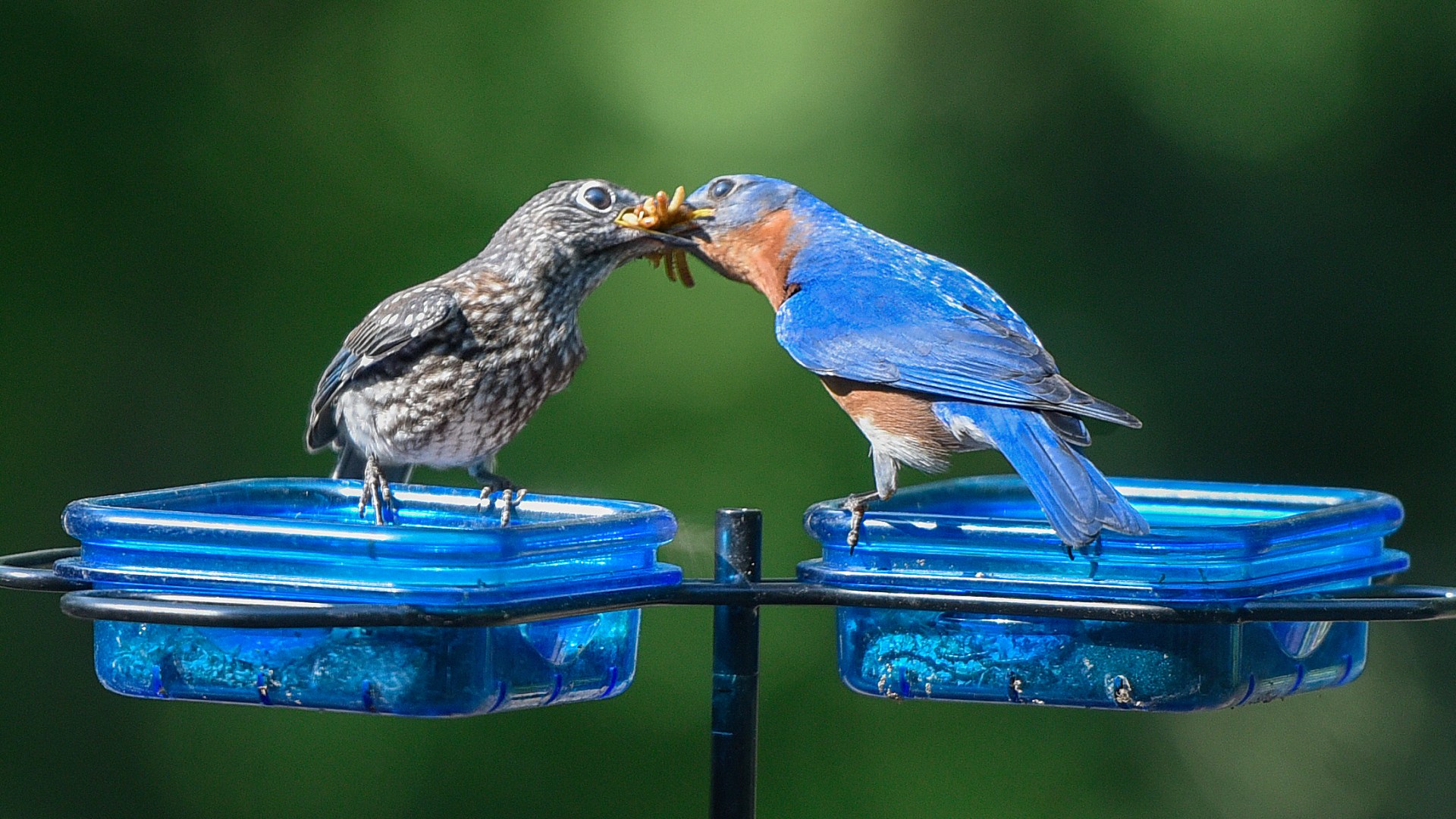
A male bluebird feeds its baby a beakful of mealworms while perching carefully on a feederCredit: Getty
Americans enjoy welcoming birds into their gardensCredit: Getty
Many property owners in the US enjoy the sight and sound of birds chirping in their garden.
But it’s important these winged visitors aren’t hurt while we attempt to help them with the provision of additional food when they are nesting or migrating.
“Our yards can be vital habitats, and following a few simple guidelines can help create a safe haven where birds can flock, feed, nest, and rest,” said the American Bird Conservancy (ABC).
Meanwhile, an absolute must-have in your birdfeeder – sunflower seeds.
CUPBOARD CURES
Baking staple found in kitchen cabinets keeps common pests out of gardens
PERFECT TIMING
Exact time gardeners should water their lawns to prevent damage post-winter
Striped or black oil seeds will work and are healthy for birds, but black oil seeds with very thin shells are good for all seed-eating birds as they have high fat content, perfect for building a strong winter coat.
Here are three common items you’ll find in your kitchen that – surprisingly – should NOT be fed to birds:
Bread
Don’t include “junk food” like bacon grease or bread products, recommended the University of Nevada, Reno.
Bread provides little to no nutritional value to birds.
Plus, an improper diet can cause metabolic bone disease in all birds, which can result in extreme pain and fractures.
“Don’t ever feed them bread, popcorn, crackers, cat food or dog food,” said Carolina Wildlife Center.
Not only is bread unhealthy for birds, it will attract mice and rats to your feeders, warned Martha Stewart‘s website.
The other problem with constantly feeding bread is that it risks attracting invasive species such as starlings and house sparrows.
These compete for nest sites with native birds like chickadees, bluebirds, and woodpeckers, according to bird expert Julie Zickefoose.
Sparrows dining at a bird feeder in a gardenCredit: Alamy
Old birdseed
Birdseed of any type or mix is a good choice.
But, don’t offer seed mixes which are damp, feel slimy, smell musty or have expired and are old or stale and spoiled.
That’s because they can quickly become rancid and grow mold – which results in dangerous toxins that can kill your feathered friends.
Birdseed can go off in just a few weeks, or last for up to six months, said Birdwatching Daily.
The website suggested throwing out any birdseed still present after three days, and replace it with fresher, new food.
A Siskin and a Goldfinch battle over a garden feederCredit: Getty
Seeds and nuts for people
You’d assume that humans and birds could dine on the same seeds and nuts.
But, the human version often has unhealthy additives such as flavorings, salt, oils and preservatives which could harm birds.
“Salt can cause excessive thirst, dehydration, kidney failure, and even death,” said ABC.
“It’s best to provide birdseed sold specifically for wild birds and to plant and grow native plants that provide beneficial food sources as seeds, fruits, and berries.”
Bird-Friendly Garden Tips
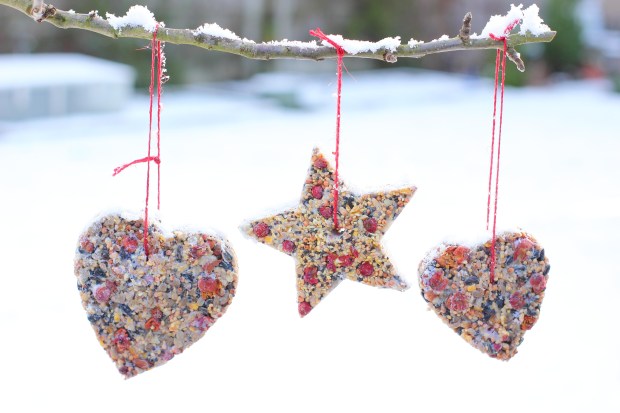
1. Put out a bird feeder:
Put out foods that birds would commonly find in nature, like pine nuts or black-oil sunflower seeds
Other favorite seeds include: safflower; nyjer or thistle; white proso millet; shelled and cracked corn;goldend/red millet; flax
Place feeders in locations not easily access by predators or too close to windows
Be sure to regularly clean out your feeders and sanitize them to reduce the potential for spreading disease
2. Birds need access to clean water to drink
3. Plant native plants:
Native plants support native insect populations
Birds are so dependent on caterpillars as a food source, they also need the native plants
4. Feed with appropriate products:
Nectar feeders attract hummingbirds and orioles.
Suet can be offered in metal cages for woodpeckers, nuthatches
and insect-eating birds.
Birds that don’t feed on seeds can be offered dried mealworms in special feeders
Comments are closed.