
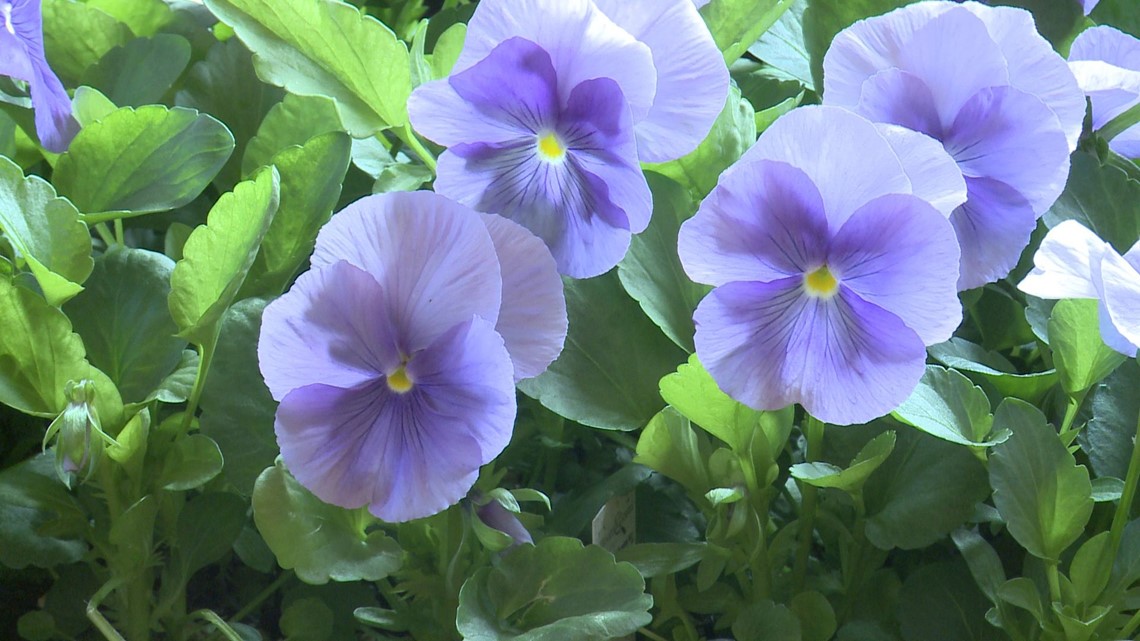
It’s a popular myth: Don’t start planting until after Mother’s Day. It’s not true. There are many cool-season plants that can be planted now.
DENVER — Forget everything about the unwritten rule about waiting until after Mother’s Day to plant your spring and summer garden.
The Mother’s Day myth only works for some plants. To find the best time to plant your garden, it’s important to understand the difference between cool-season plants and warm-season plants.
Before the last freeze
Cool-season plants can take the cold, even a moderate freeze, but what they can’t take is heat. You’ve got to get those plants going in the cool weather before May.
So what can — and should — you plant in March and April? All the plants that need cool weather to develop properly.
Ornamental plants that can be planted early in spring include pansies, sweet alyssum, annual dianthus and ornamental kale. Seeds of bachelor buttons, nigella, sweet peas, California poppies and larkspur can be sowed, as they need a chill to germinate.
Cool-season crops that can be planted early include peas, cabbage, kale, cauliflower, radish, spinach and lettuce. In a few more weeks in April you can sow seeds of beets, carrots, chard and other leafy greens such as arugula and cilantro.
After the last freeze
Warm-season plants, such as tomatoes and marigolds, are completely different than cool-season plants.
Plants like tomatoes and marigolds will not survive a freeze and will stunt if planted in cold soil. Those are the plants that you should wait to plant until around Mother’s Day.
The date itself is actually irrelevant. Nighttime temperatures should stay above 50 degrees and the soil should be warm.
Because spring weather is notoriously unpredictable, keep sheets and frost cover fabric handy in case of a drastic cold snap. Just a little effort makes it possible to enjoy the cool-season plants. If you wait, it’s too late.
More Proctor’s Garden
Comments are closed.