
Image Credit: Shutterstock.
You built the raised bed. You filled it with soil. You planted everything that looked good at the nursery — and somehow, the harvest was underwhelming.
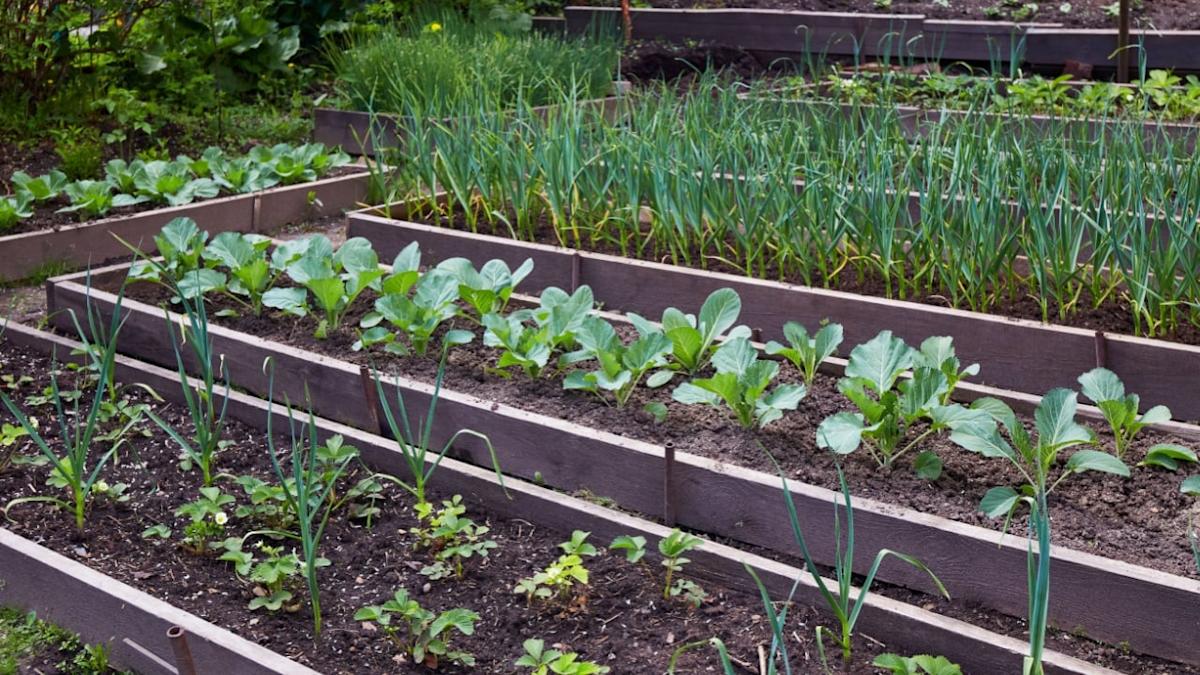
Here’s what most gardeners don’t realize: a raised bed isn’t just elevated dirt. It’s a specialized growing system, and it rewards certain crops dramatically while quietly punishing others.
March and April are the months to get this right. Spring planting season is opening now, and the choices you make in the next few weeks will determine what you’re harvesting all summer long.
The Raised Bed Advantage — And Why Plant Selection Is Everything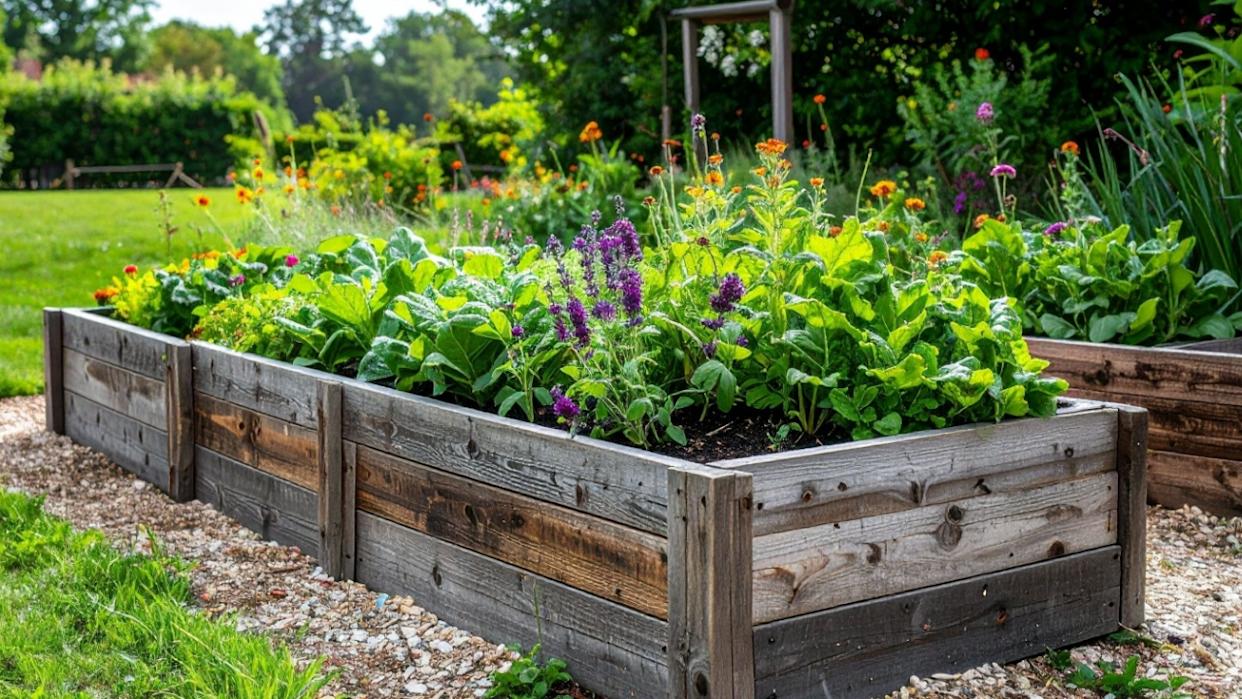
Image Credit: Shutterstock.
Raised beds do several things that in-ground gardens simply can’t match. The soil warms up earlier in spring, drains freely after rain, stays loose and uncompacted because you never walk in it, and can be custom-blended to suit almost any crop. According to the University of Minnesota Extension, raised beds are especially valuable in areas with contaminated, compacted, or clay-heavy native soil, giving gardeners complete control over growing conditions from the ground up.
But that control only pays off if you’re planting the right crops. Raised bed space is premium real estate, and certain vegetables exploit its advantages in ways that will genuinely surprise you. Research in intensive planting methods shows that a well-planted raised bed can produce significantly more food per square foot than traditional in-row garden planting, but only when the plant list is chosen with intention.
Here are 13 vegetables that absolutely thrive in raised bed gardening.
1. Tomatoes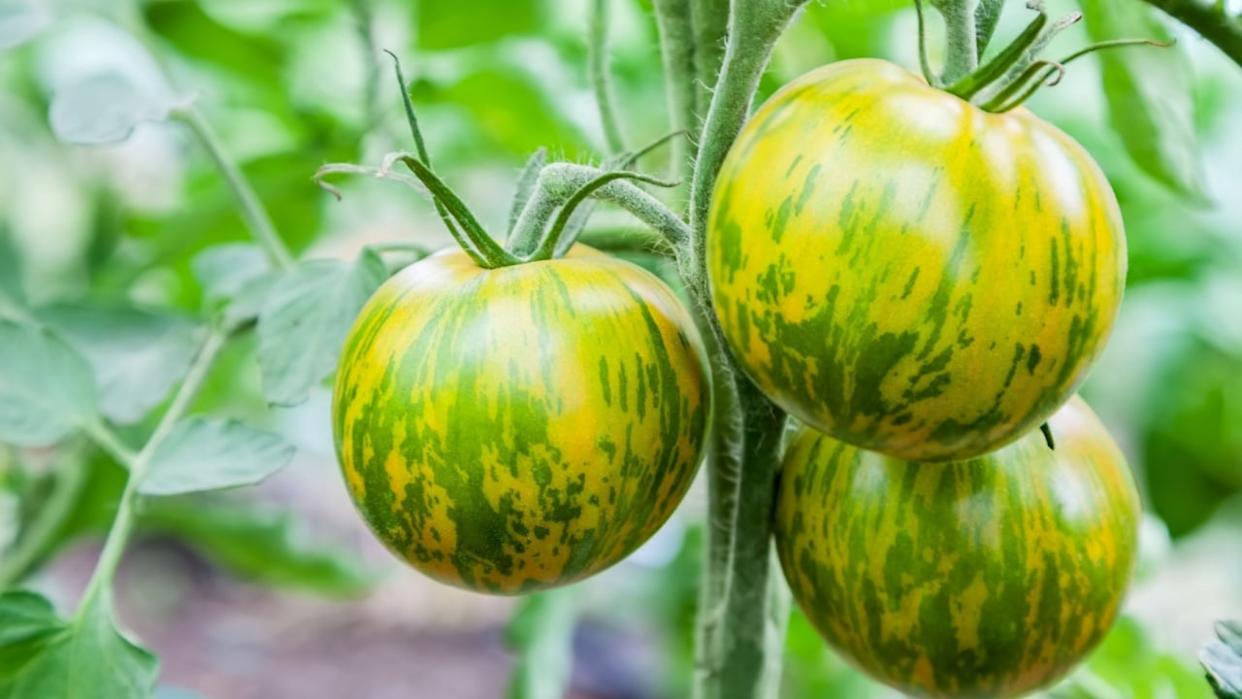
Image Credit: Shutterstock.
Tomatoes are the quintessential raised-bed crop. “It’s best if they are planted in a well-structured raised bed so that moisture quickly drains away,” says Adrienne Roethling, plant expert and former garden director for Paul J. Ciener Botanical Garden, in Martha Stewart Living. A bed raised at least 6 inches keeps the lower stems from sitting in wet soil, dramatically reducing the rot that plagues in-ground tomato plantings. For raised beds, choose compact determinate varieties unless you have a very sturdy trellis system in place.
2. Peppers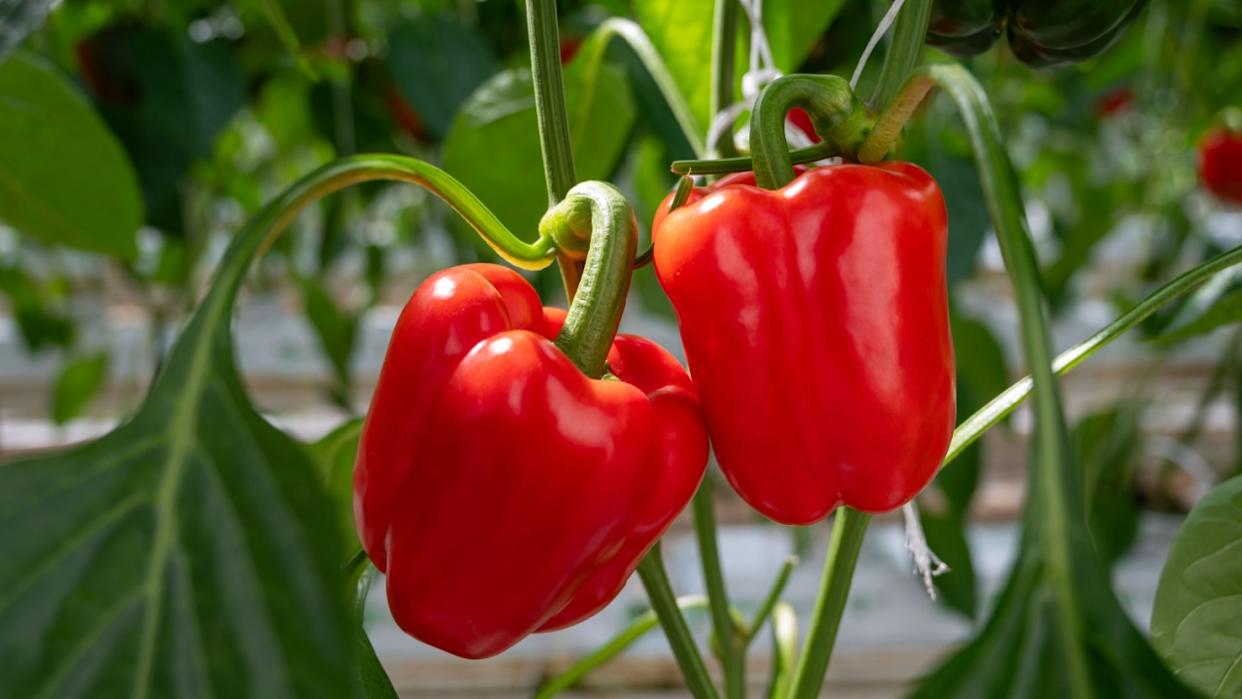
Image Credit: Shutterstock.
Sweet and hot peppers have a reputation for being difficult, and in cold, wet, in-ground soil, that reputation is earned. In a raised bed, the story changes completely. The soil warms several weeks earlier than native soil, and peppers respond with rapid, vigorous growth from the moment they go in. Savvy Gardening notes that gardeners in northern climates who switched peppers from in-ground to raised beds describe it as “a game-changer.” Plant after your last frost date and mulch with straw to hold the warmth.
3. Carrots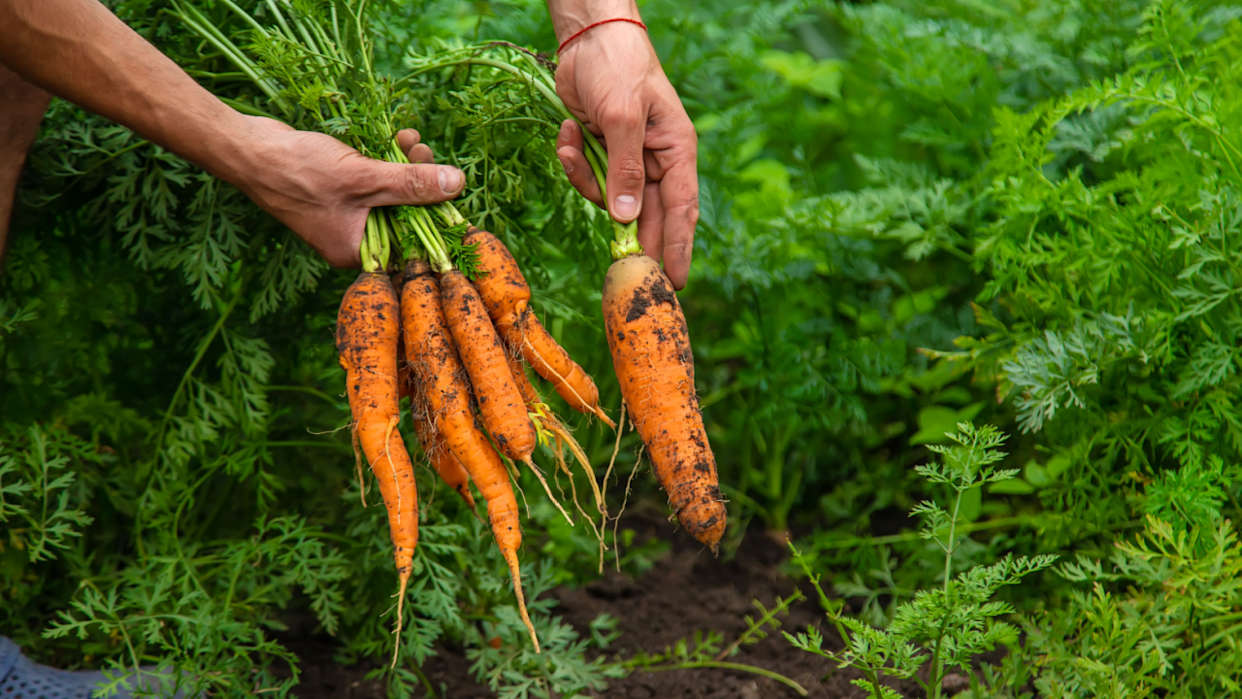
Image Credit: Shutterstock.
Loose, stone-free, deep soil is all a carrot asks for, and raised beds deliver it consistently. In clay or rocky native soil, carrots fork, bend, and stunt. In a well-prepared raised bed with at least 12 inches of depth, they grow long, straight, and sweet.
“Raised beds are ideal for carrots because they provide loose, rock-free soil, allowing roots to grow long and straight without deformities,” says Carrie Spoonemore, co-creator of Park Seed’s From Seed to Spoon app, as quoted in Real Simple. Varieties like Imperator types need 12–18 inches of depth; shorter Chantenay and Parisian types work fine in shallower beds.
4. Beets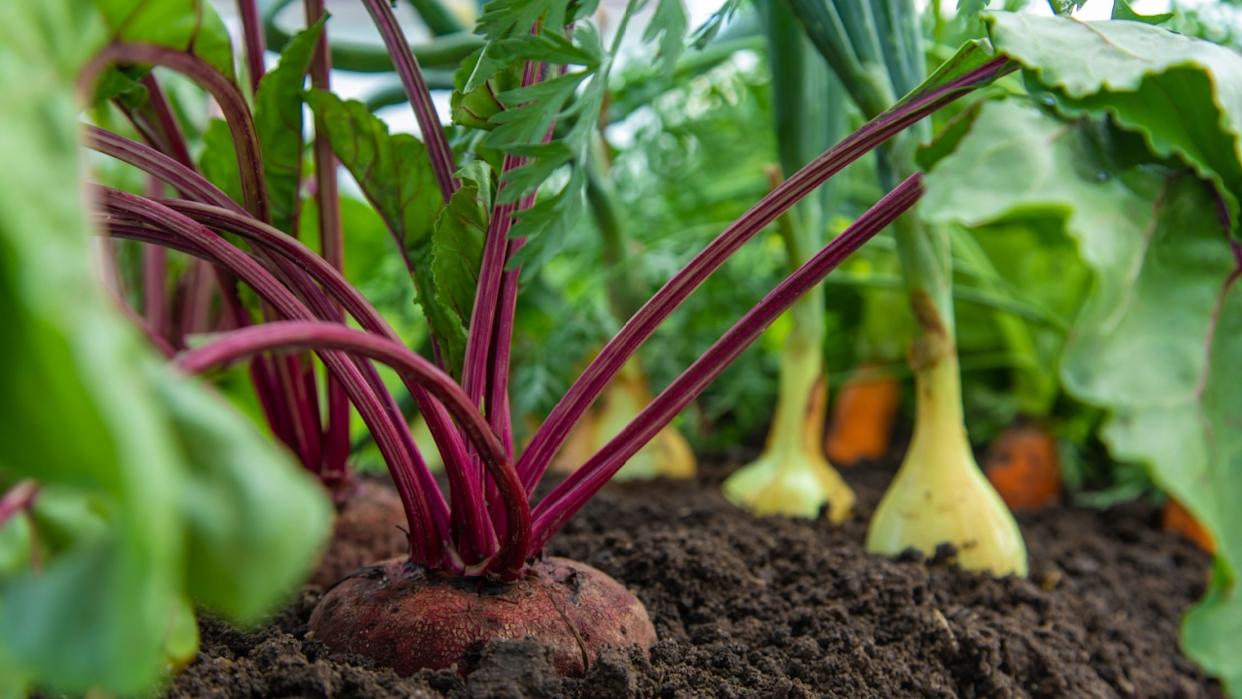
Image Credit: Shutterstock.
Beets are one of the most underrated crops for raised beds. They’re a genuine two-for-one: the roots are sweet and earthy, and the greens are among the most nutritious vegetables you can grow. Both reward the loose, deep soil of a raised bed. According to Real Simple, beets thrive in raised beds because the “loose, deep soil is ideal for growing root vegetables,” and they appreciate consistently moist, well-draining conditions. Expect harvest in 50–70 days.
5. Cucumbers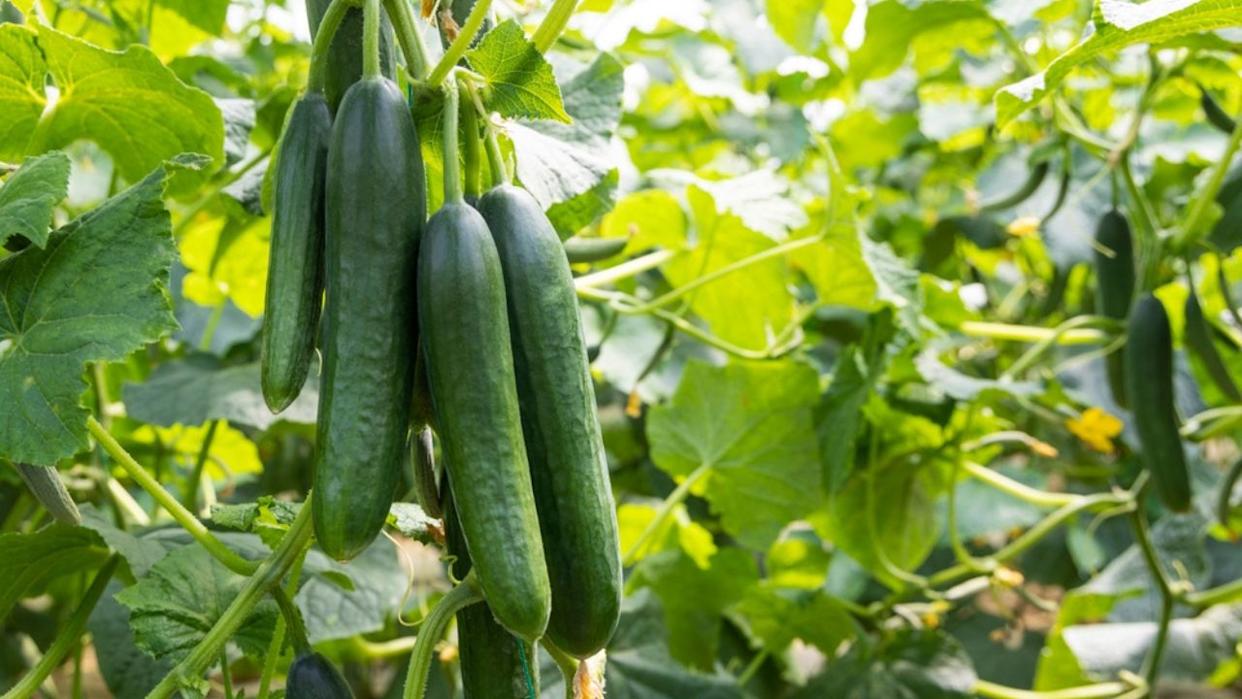
Image Credit: Shutterstock.
Cucumbers germinate faster in the warmer soil of raised beds, and when trained up a trellis at the back of the bed, they reward you with straighter fruits, better air circulation, and dramatically easier harvesting. Real Simple notes that cucumbers are an excellent beginner crop in raised beds; “the most complex part of growing this fruit is the added trellis.” Bush varieties can be left to spill over the bed edge if vertical space is limited.
6. Bush Beans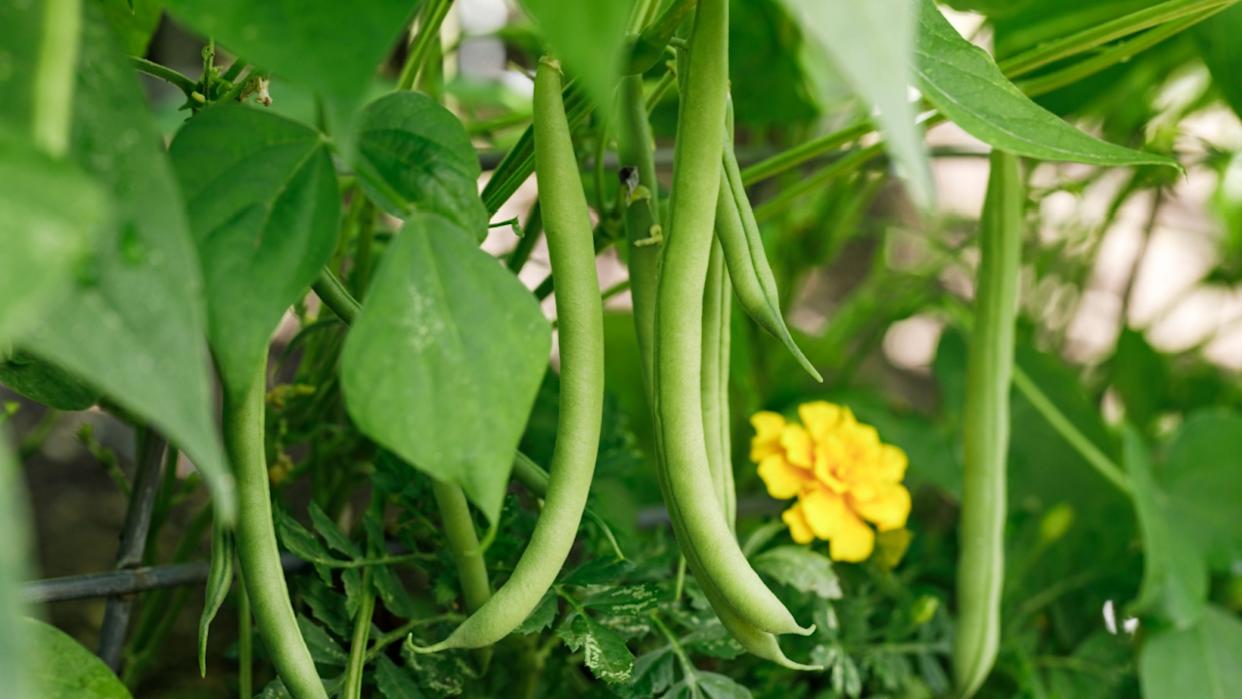
Image Credit: Shutterstock.
Few crops offer the instant gratification of bush beans in a raised bed. Most varieties go from seed to harvest in just 45–55 days, and the warm, well-draining soil helps seeds germinate reliably rather than rotting in cold, wet ground. Savvy Gardening recommends succession sowing every three weeks from late spring through midsummer for a continuous harvest all season long.
7. Leafy Greens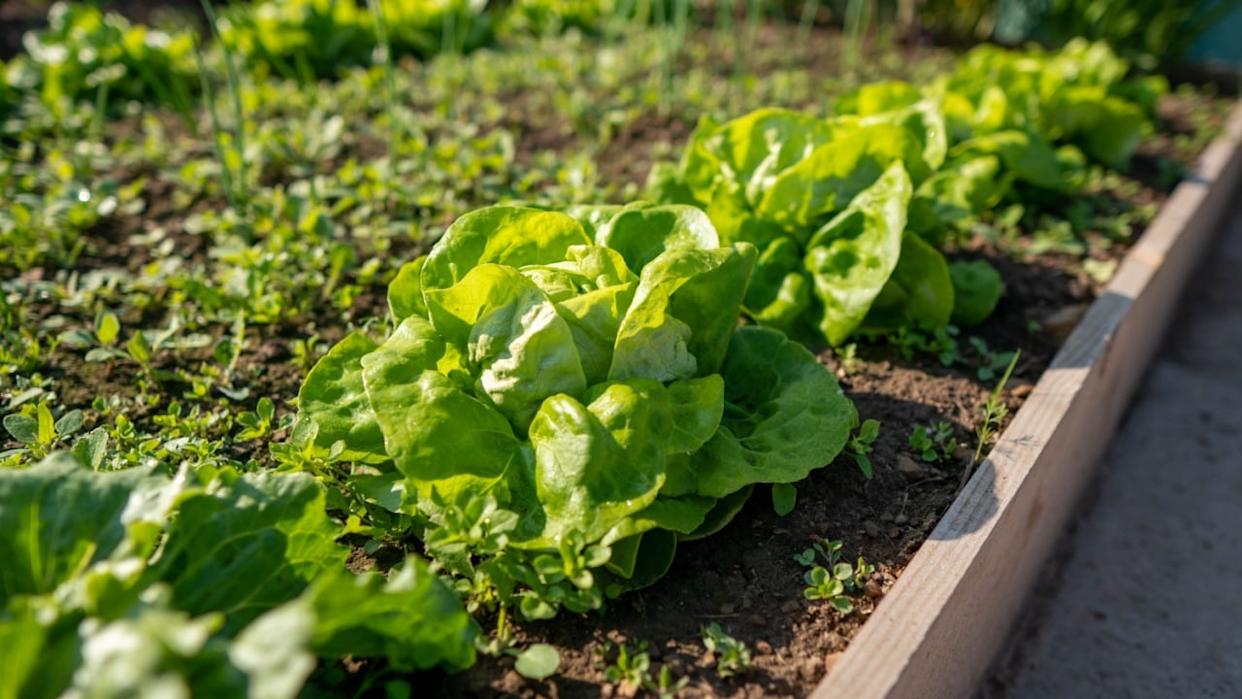
Image Credit: Shutterstock.
Lettuce, kale, arugula, spinach, and Swiss chard are ideal raised bed crops at both ends of the season. They’re compact, fast-growing, and perfectly suited to cool temperatures, which means you can get them in the ground in March, weeks before your last frost date. According to the University of Minnesota Extension, cool-season greens like lettuce and spinach can be planted as soon as raised bed soil is workable in early spring, well ahead of anything planted in-ground.
8. Radishes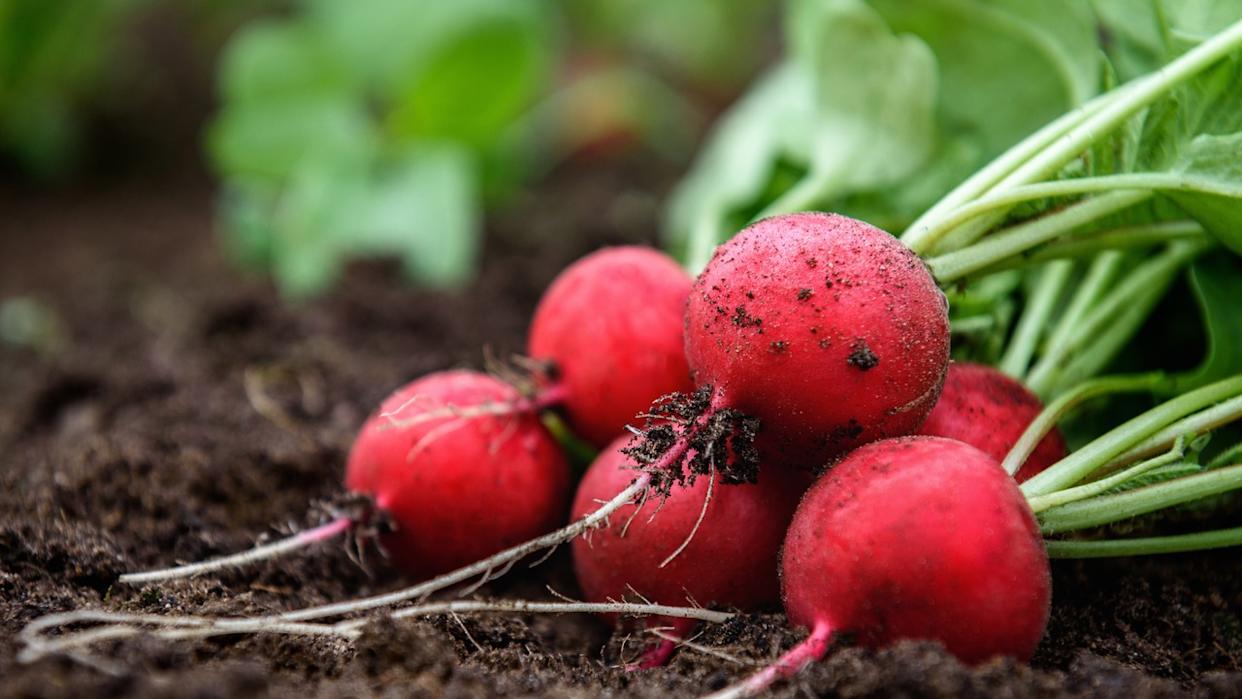
Image Credit: Shutterstock.
Radishes are the fastest crop in any raised bed. Classic French Breakfast radishes are ready in as little as 21 days from seed. They’re excellent for filling gaps between slower crops, marking rows, and giving beginning gardeners an early harvest win. The loose soil of raised beds lets radish roots swell without obstruction.
9. Onions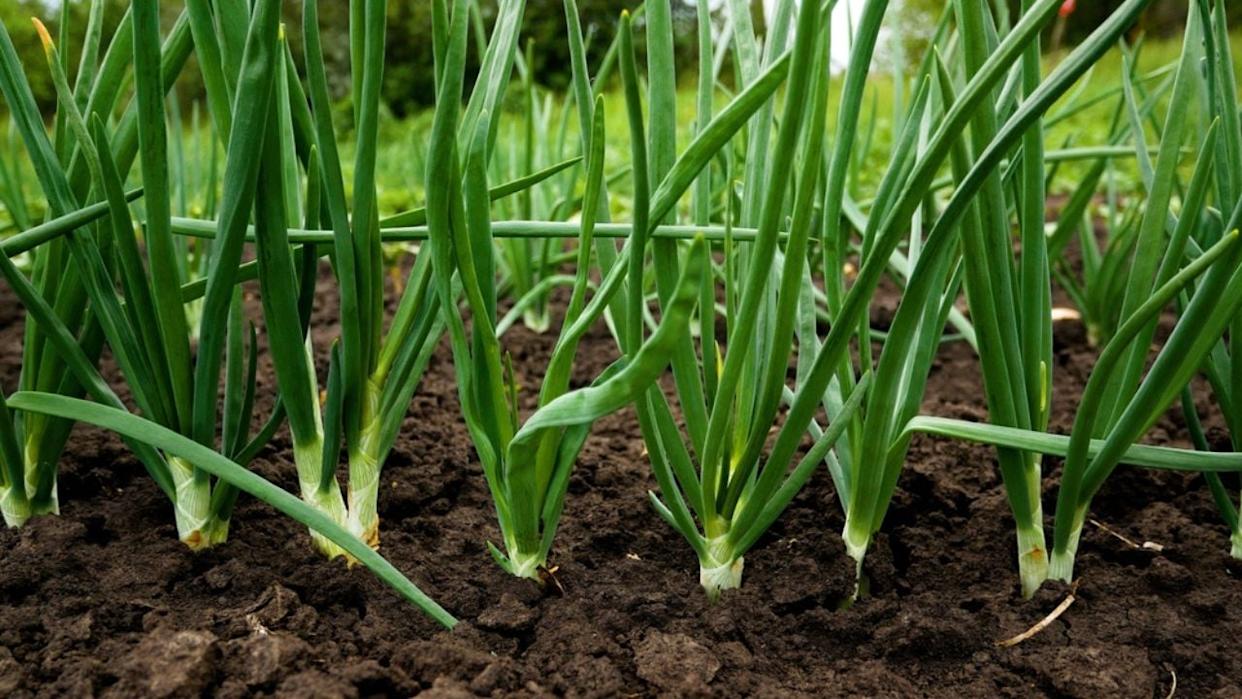
Image Credit: Shutterstock.
Onions dislike compacted soil intensely, and the loose, freely draining growing medium of a raised bed is precisely what they prefer. Savvy Gardening recommends enriching raised bed soil with an inch or two of compost before planting sets or seedlings 6 inches apart in early spring.
10. Eggplant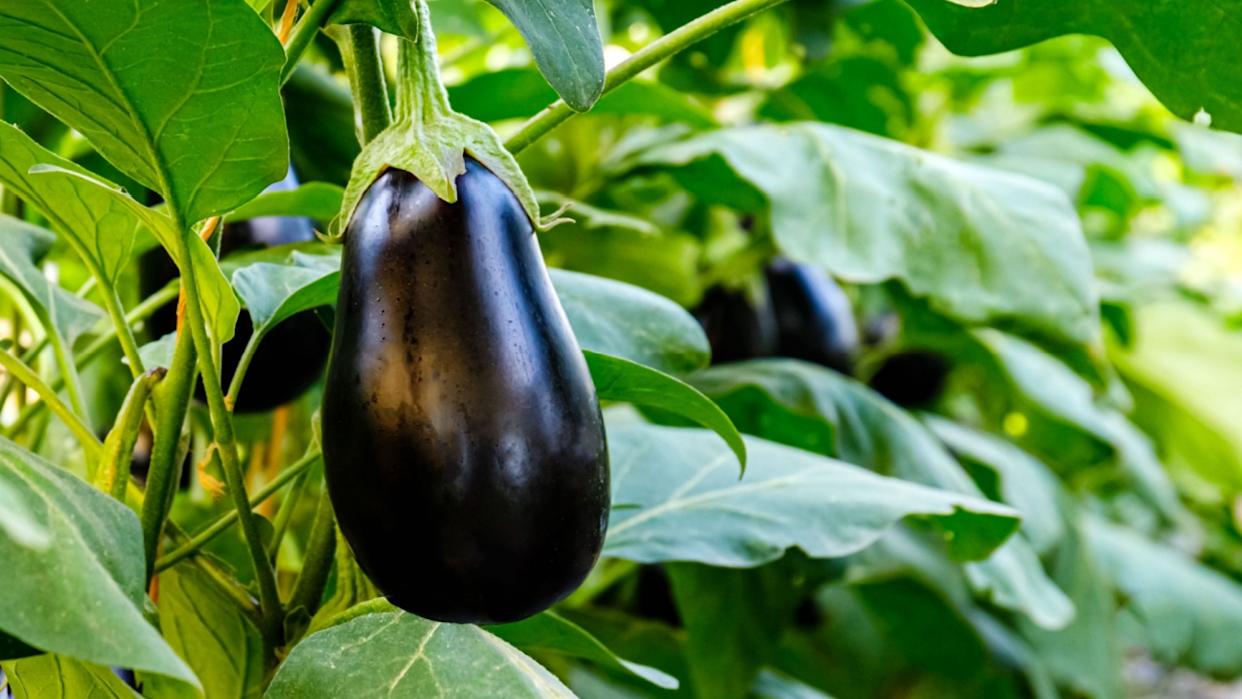
Image Credit: Shutterstock.
Eggplant is the most cold-sensitive member of the nightshade family. Planted in cold, wet soil, the seedlings simply sit and sulk. In a raised bed that has been warming since early spring, eggplant transplants establish quickly and respond with vigorous growth and abundant fruit. “The heat-loving plants appreciate the warm, well-draining soil in a raised bed,” notes Savvy Gardening.
11. Strawberries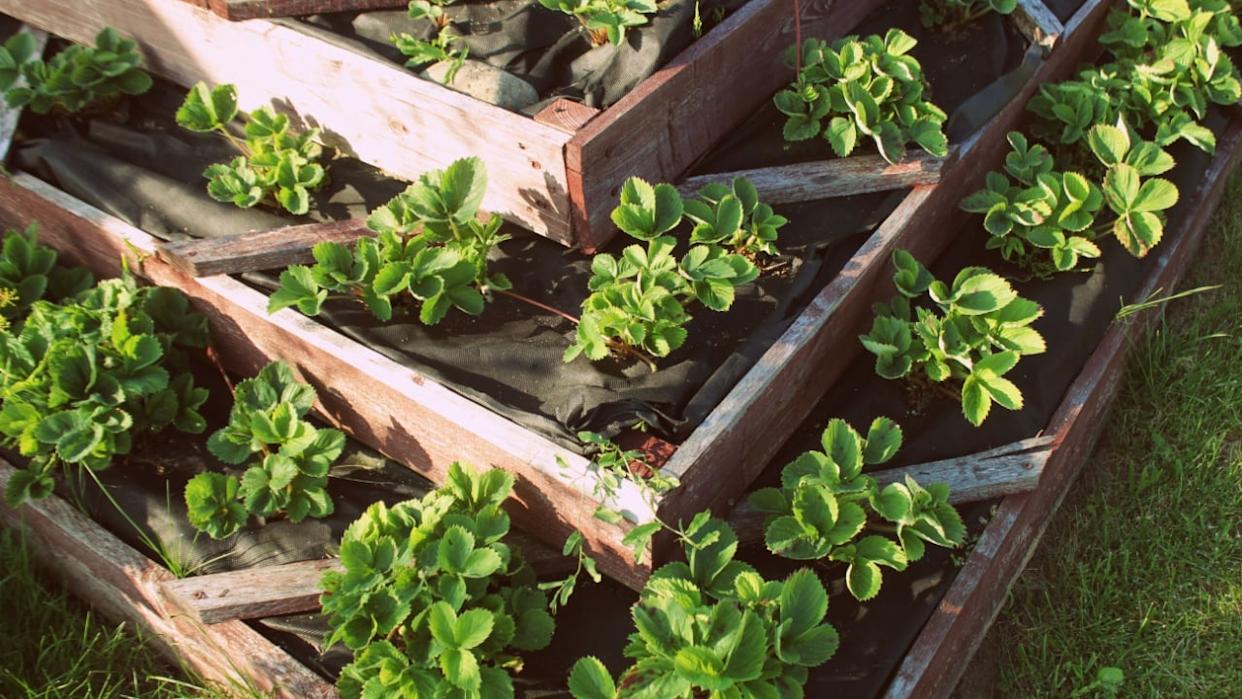
Image Credit: Shutterstock.
Strawberries may be the most foolproof fruit for raised beds. Better drainage prevents the crown rot that kills strawberries in heavy soil, the elevation keeps fruits clean and easy to spot, and the bed walls contain runners to a manageable area. The Old Farmer’s Almanac notes that Cornell University recommends raised beds for strawberries, specifically on wet sites and for ease of picking.
12. Zucchini (Bush Types Only)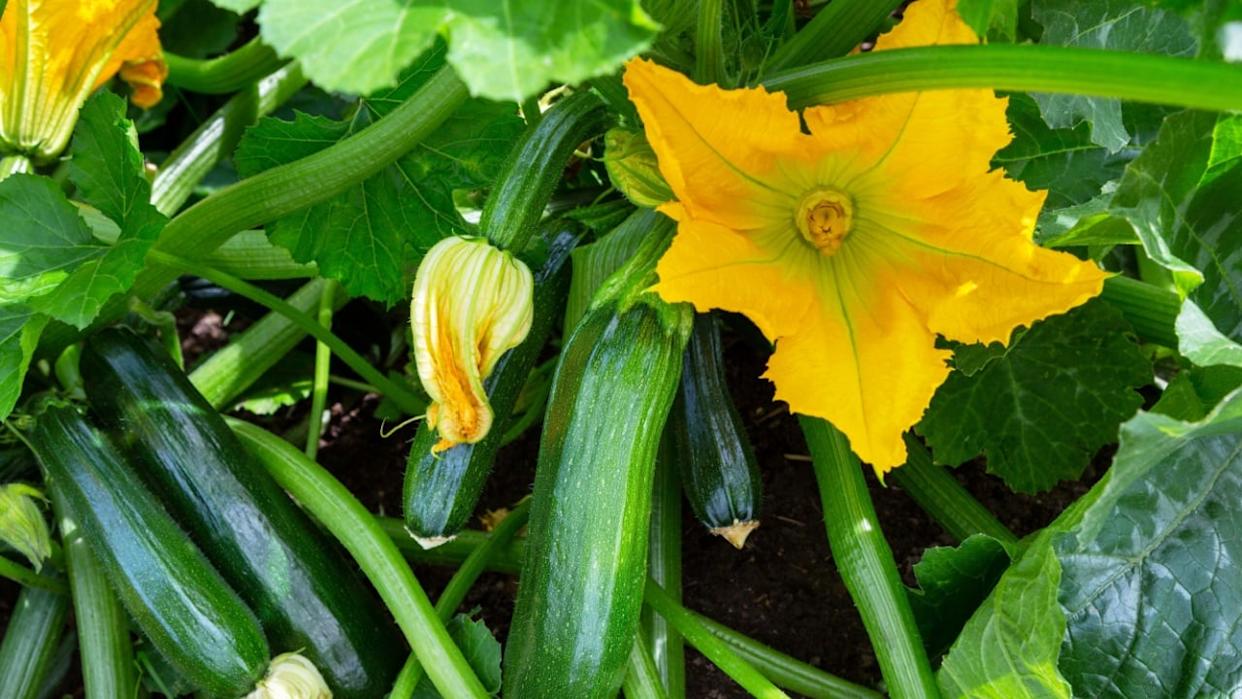
Image Credit: Shutterstock.
A well-chosen bush zucchini variety is enormously productive in a raised bed, but the key phrase is bush type. Vining zucchini and winter squash will escape the bed, shadow everything nearby, and produce fruit you’ll have to hunt for on the ground. Give bush zucchini 2–3 feet of space, harvest fruits when they reach 4–6 inches, and expect more than you bargained for.
13. Herbs (Rosemary, Thyme, Sage, Basil)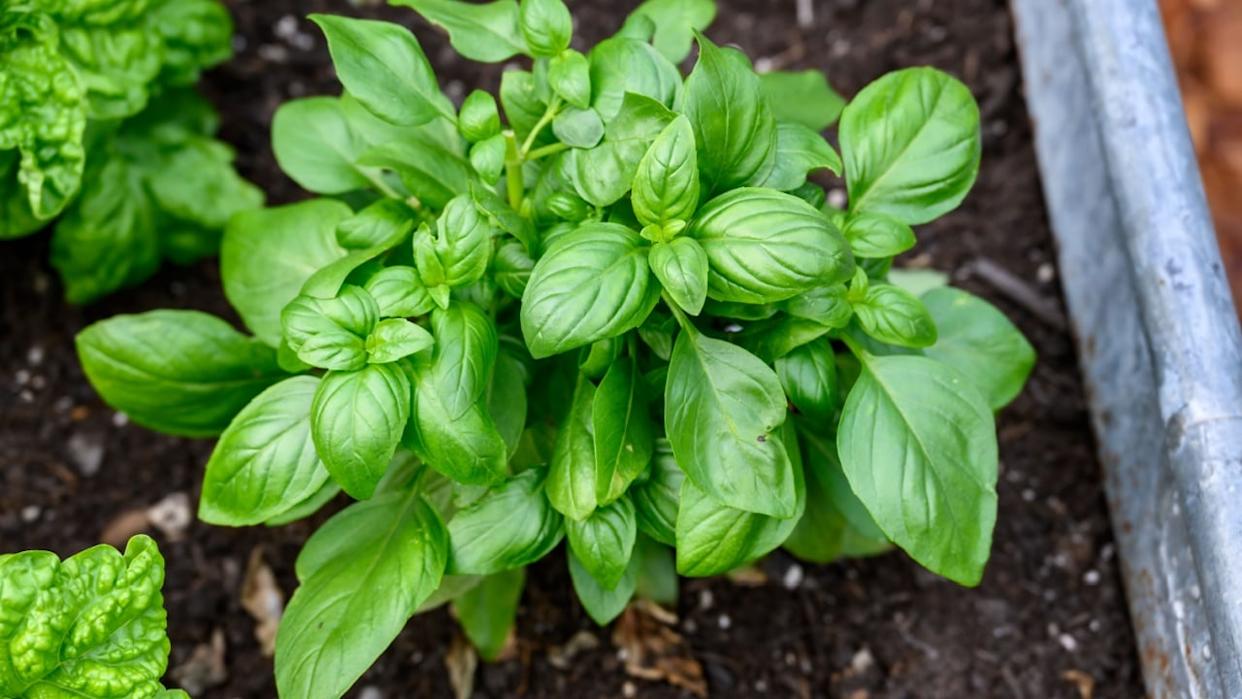
Image Credit: Shutterstock.
Mediterranean herbs were practically designed for raised beds. Rosemary, thyme, sage, and lavender all require excellent drainage and suffer in cold, wet winters, exactly the conditions raised beds prevent. “Lavender will remain evergreen, grow very well in most regions, and perform as an ornamental accent,” says plant expert Adrienne Roethling for Martha Stewart. Plant them along the bed edges, where the soil tends to dry out fastest, and let them spill over the sides.
A Few Rules for Getting the Most Out of Every Square Foot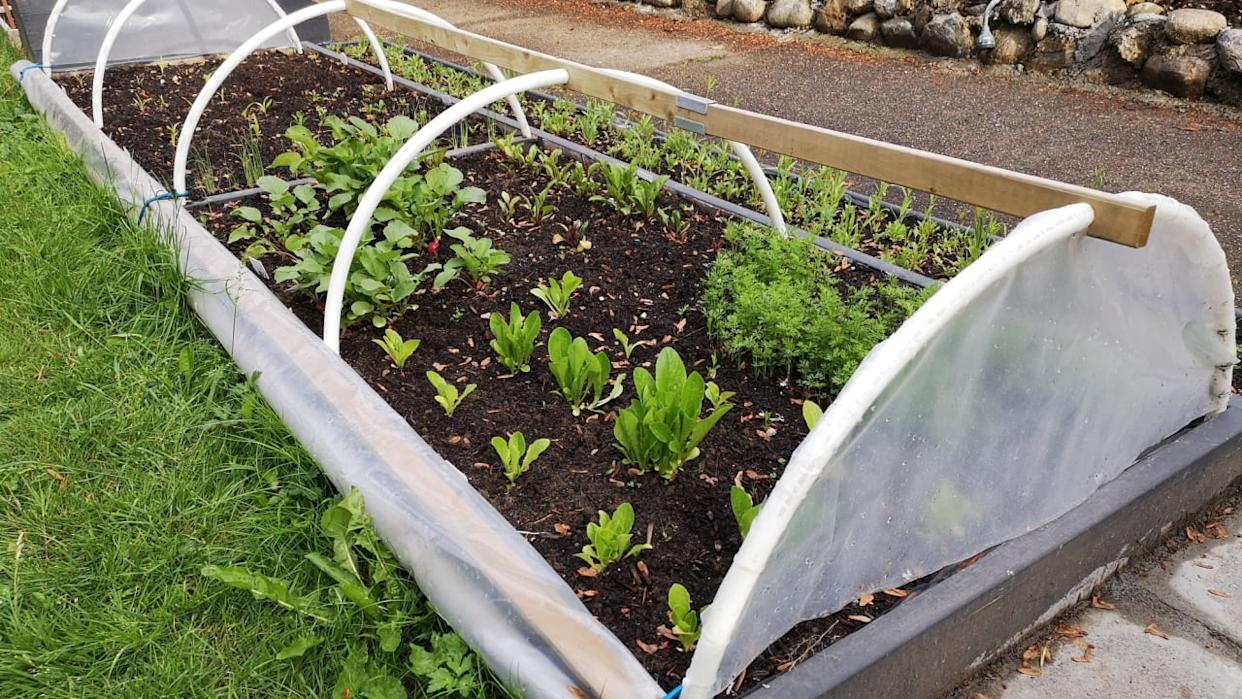
Image Credit: Shutterstock.
Get the soil right first. The University of Minnesota Extension recommends a mix of roughly two-thirds quality topsoil and one-third plant-based compost as the foundation for raised bed soil. Potting soil alone drains too fast and lacks sustained nutrition. If possible, buy quality compost in bulk by the cubic yard, which is significantly cheaper per volume than bagged product.
Match bed depth to your crops. Leafy greens and herbs can thrive in 6–8 inches of soil. Root vegetables, tomatoes, and peppers need at least 12 inches. The deeper the bed, the more crop options you have.
Use vertical space. A trellis at the back or center of a raised bed turns cucumbers, pole beans, and snap peas into vertical crops that free up ground-level space for smaller plants underneath.
Don’t plant nightshades with brassicas. Kale, broccoli, and other brassicas can inhibit the growth of tomatoes, peppers, and eggplant when planted in the same bed. As Kevin Lenhart, design director at Yardzen, notes for Real Simple, “Brassicas such as kale can inhibit the growth of nightshades.” Keep these plant families separated.
Start in March. Cool-season crops, including leafy greens, radishes, onions, beets, and snap peas, can go into the ground right now, before the last frost. Getting an early start is one of the best advantages raised beds offer; don’t wait until April to use them.
The Right Plants Make All the Difference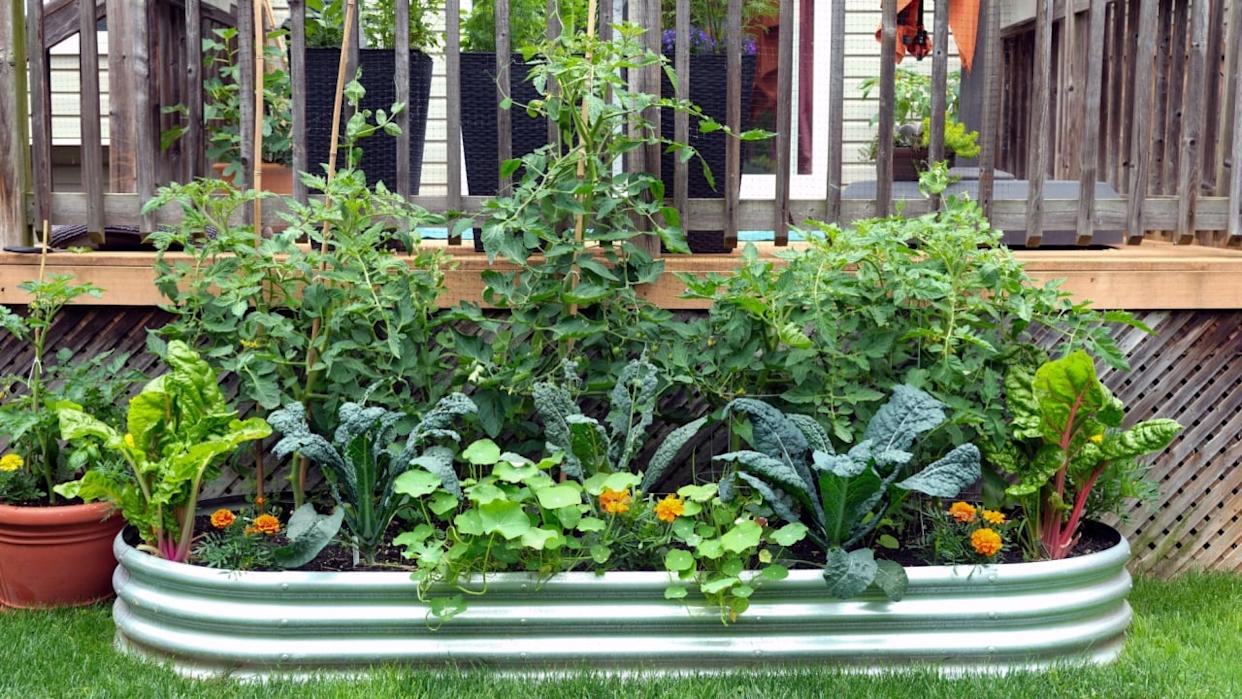
Image Credit: Shutterstock.
A raised bed filled with the wrong crops is just an expensive planter box. A raised bed filled with the right ones is one of the most productive small spaces a home gardener can create. You don’t need to grow everything; you need to grow the right things, in soil that’s built for them, starting now while the season is still opening. Pick five or six crops from this list, get them in the ground this month, and see what a well-chosen raised bed can actually do.
Read More
Do these 12 raised garden bed tasks before March ends, or lose your head start
12 vegetables to direct sow in the garden right now in March
Comments are closed.