
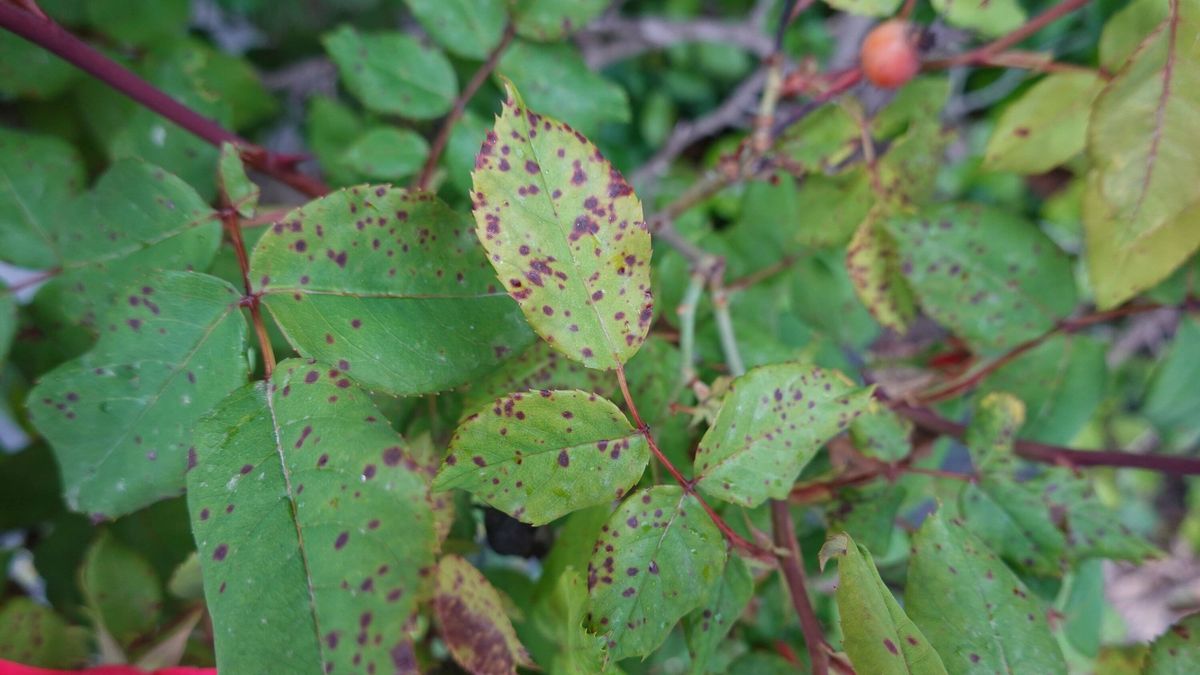
Gardeners say a natural item can help prevent black spot disease on roses, and even get rid of it
Sophie Harris Senior Lifestyle Reporter
12:30, 02 Apr 2026

Black spot is the most serious rose disease(Image: Getty)
Roses require substantial care in spring to ensure their proper growth and health. In the coming weeks, gardeners should also keep a close eye on their leaves for any signs of disease or pests. The combination of warmer weather and rainfall creates ideal conditions for black spot disease, a fungus that spreads through water.
The Royal Horticultural Society (RHS) identifies black spot as the most severe disease affecting roses. Symptoms include black patches on the leaves, with surrounding leaf tissue turning yellow.
Milk is most effective when exposed to sunlight, as it creates an environment less conducive to fungus and can also form a thin layer that prevents spores from adhering to the plant.
Other gardening enthusiasts have endorsed this method, while some have suggested using baking soda as an alternative.
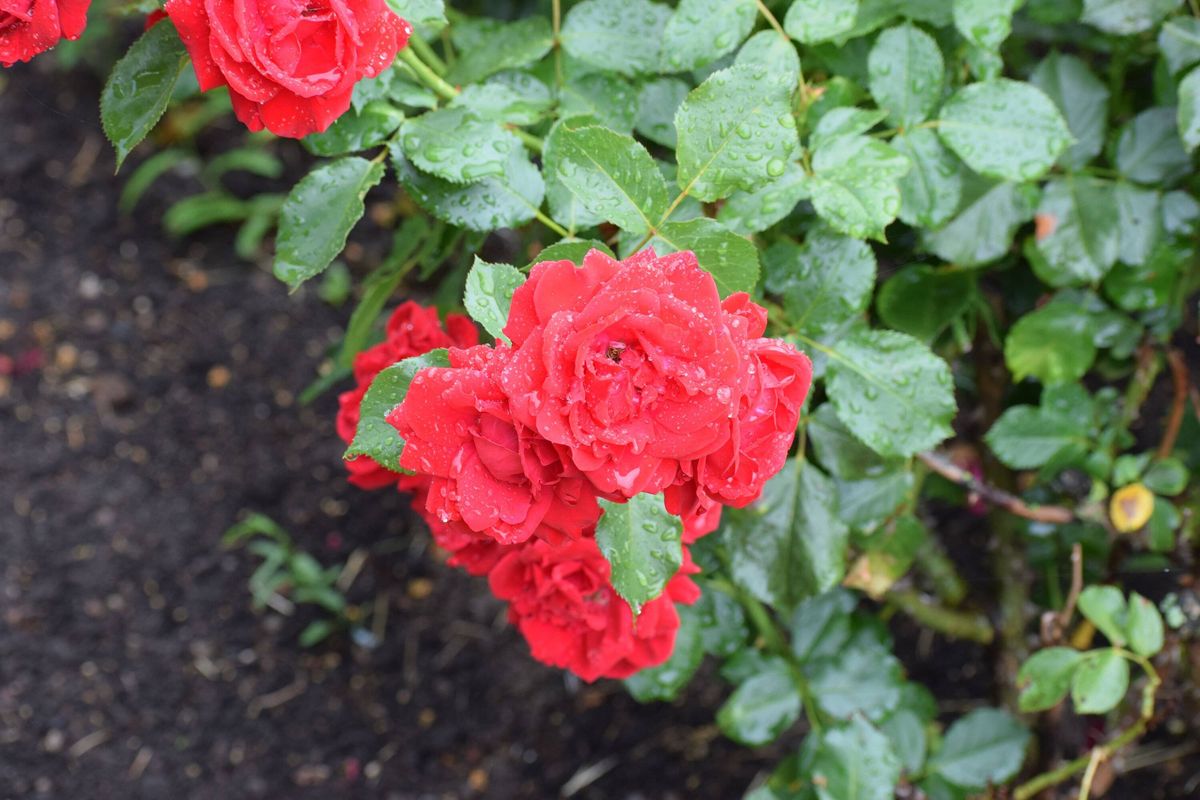
Roses will have ‘green glossy’ leaves and be fungal-free if sprayed with this natural item(Image: Getty)
Lou Deane commented: “I use my nearly empty milk cartons. Fill them up with water and empty onto the roses at least once a week,” reports the Express.
The RHS also advocates non-chemical control, which can commence in autumn by leaf collection.
They advised: “If practical, pick off and dispose of any leaves that remain on the plant over the winter months. Prune out all stem lesions in spring before leaves appear.
“These actions will help delay the onset of the disease, but are of limited value because spores are bound to blow in on wind-blown rain from elsewhere.”
Roses afflicted with the disease are unlikely to yield any blooms, and those that do may be small or malformed.
There are numerous methods to manage the disease, including natural approaches.
Karen Powell shared a photo of her flourishing pink rose on the Gardening Hints and Tips Facebook page.
The caption read: “Here’s how your rose will look when you control black spot with diluted milk.
“Water it at the base every two weeks. It gives nice green glossy leaves. It also helps feed them.”
While this might seem odd, cow’s milk is rich in natural proteins and enzymes that possess antifungal properties capable of eliminating spores.
Comments are closed.