
Image Credit: Shutterstock.
If you’ve been waiting until Memorial Day to plant your perennials, you’ve been handing away the best advantage spring has to offer. April is the sweet spot serious gardeners know about — and most beginners miss entirely.
Cool soil temperatures, consistent spring moisture, and mild days give new perennials something summer simply cannot: a stress-free window to push roots deep before the heat arrives. According to horticulturist David Salman of Waterwise Gardening LLC, “Cool temps are ideal for planting perennials,” because they put their energy into building robust root systems rather than fighting to survive. Plants established in April come back bigger, bloom longer, and need far less coddling in the years ahead.
This month, the planting window is open. Here are 15 perennials worth getting into the ground before April ends, and a few things to know so they actually thrive.
Why April Is the Secret Weapon for Perennial Success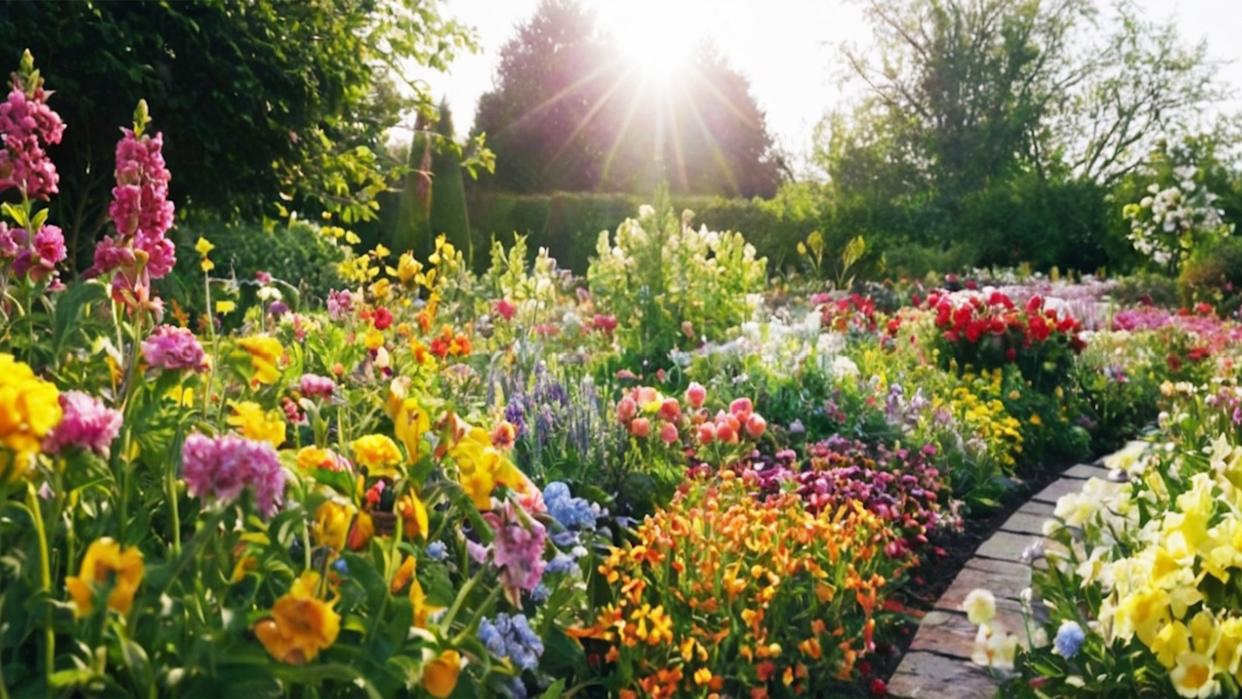
Image Credit: Shutterstock.
Most gardeners think of spring planting as something that happens after the last frost. But perennials, unlike tomatoes and basil, actively prefer cool soil. When temperatures hover between 45°F and 65°F, perennial roots extend outward rapidly, anchoring the plant before the demands of summer bloom set in.
Here’s the surprising fact that experienced gardeners rarely mention aloud: a perennial planted in April can develop two to three times the root mass of the same plant installed in June, according to Colorado State University Extension research on cool-season establishment. That root advantage translates directly into drought tolerance, bigger blooms, and a plant that bounces back after summer heat stress without missing a beat.
The other April advantage is moisture. Spring rain and snowmelt do the watering work for you, reducing the need for the daily hose-dragging that newly planted perennials demand in hot weather. Plant in April, and nature does the heavy lifting.
Here are 15 perennials to plant in spring right now that work across a wide range of growing zones, thrive in typical backyard conditions, and deliver color from late spring through fall.
1. Purple Coneflower (Echinacea)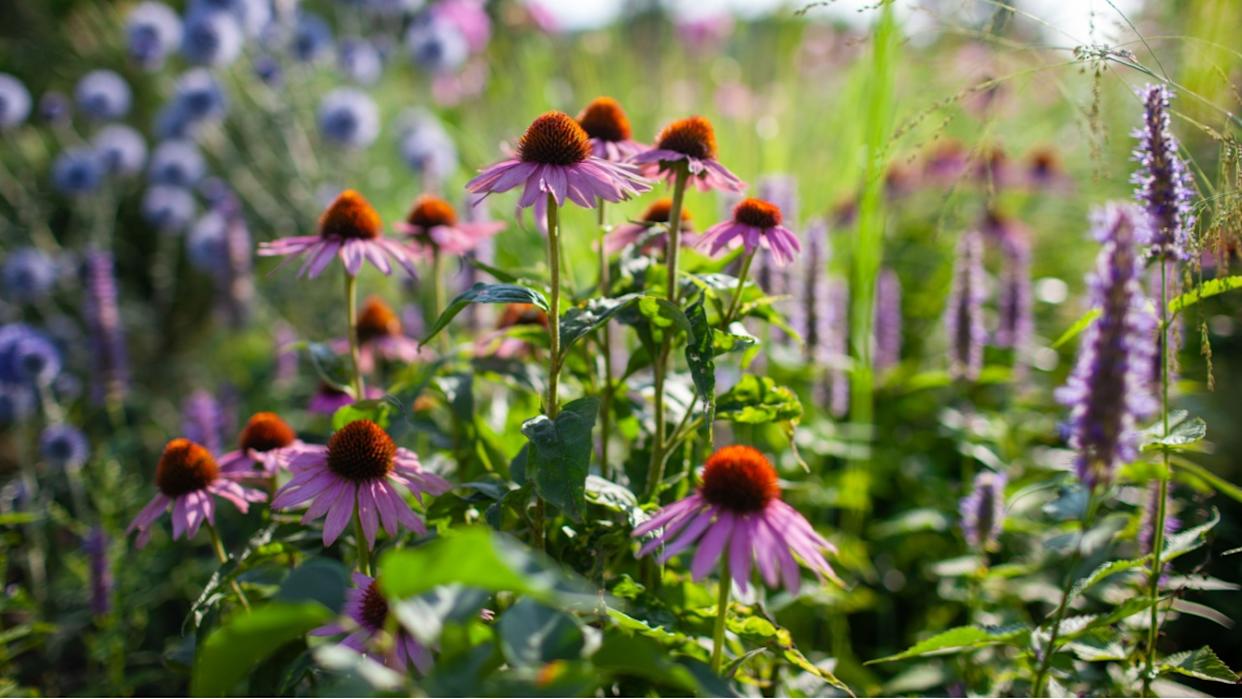
Image Credit: Shutterstock.
One of the hardiest, most forgiving perennials you can grow, coneflower thrives in full sun and tolerates drought once established. Its rayed blooms in pink, purple, yellow, and orange attract butterflies and bees from midsummer through fall.
Plant in well-drained soil and leave the seed heads standing for winter birds in Zones 3–9.
2. Black-Eyed Susan (Rudbeckia)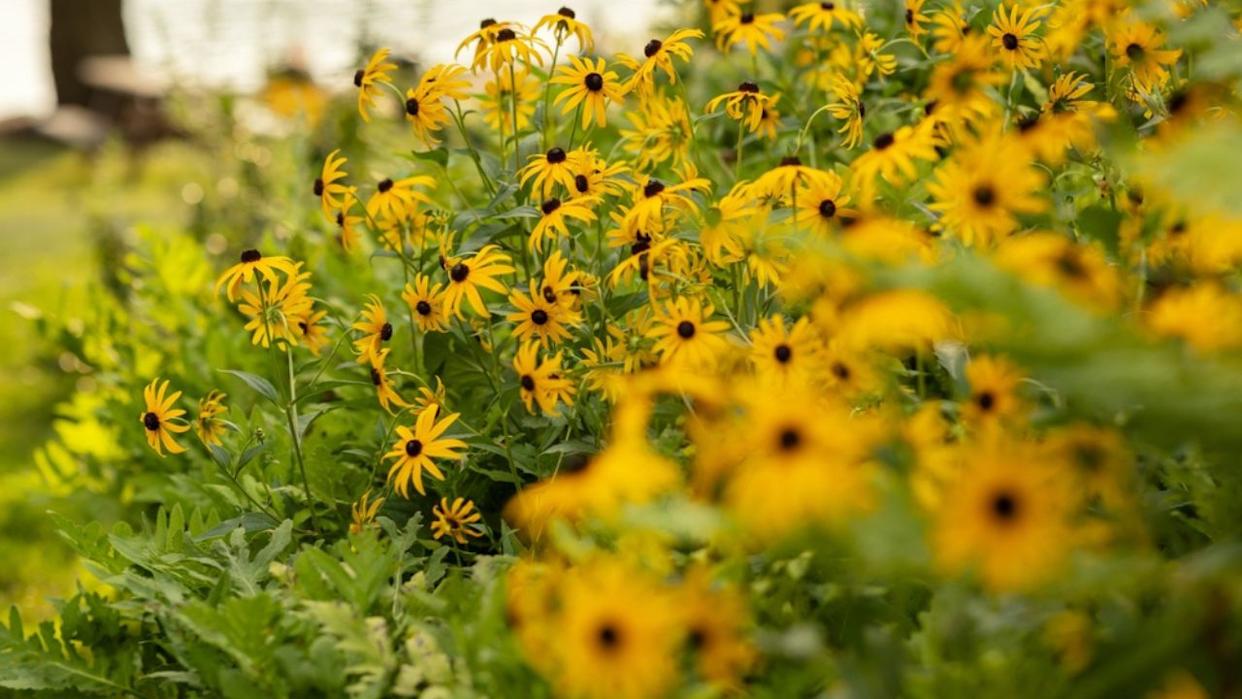
Image Credit: Shutterstock.
This prairie native fills the mid-to-late summer gap when many spring perennials have finished their show. Sunny yellow blooms with dark centers rise on three-foot stems and hold up beautifully as cut flowers. It self-seeds gently over time, so one plant becomes a colony.
Black-eyed susan thrives in Zones 3–9.
3. Catmint (Nepeta)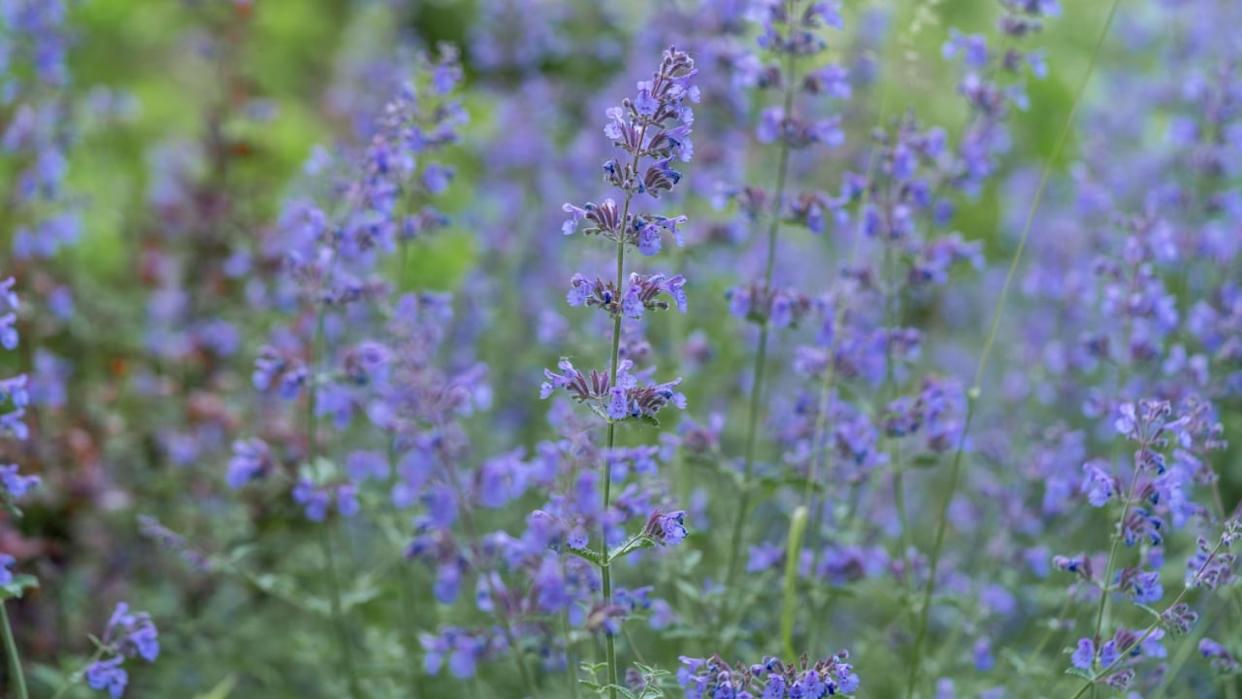
Image Credit: Shutterstock.
Few perennials punch above their weight like catmint. Soft purple-blue blooms appear in spring, and if you shear the plant back after the first flush, it rebounds with a second wave in late summer.
Deer-resistant, drought-tolerant, and beloved by bees, it does well in Zones 3–9.
4. Peonies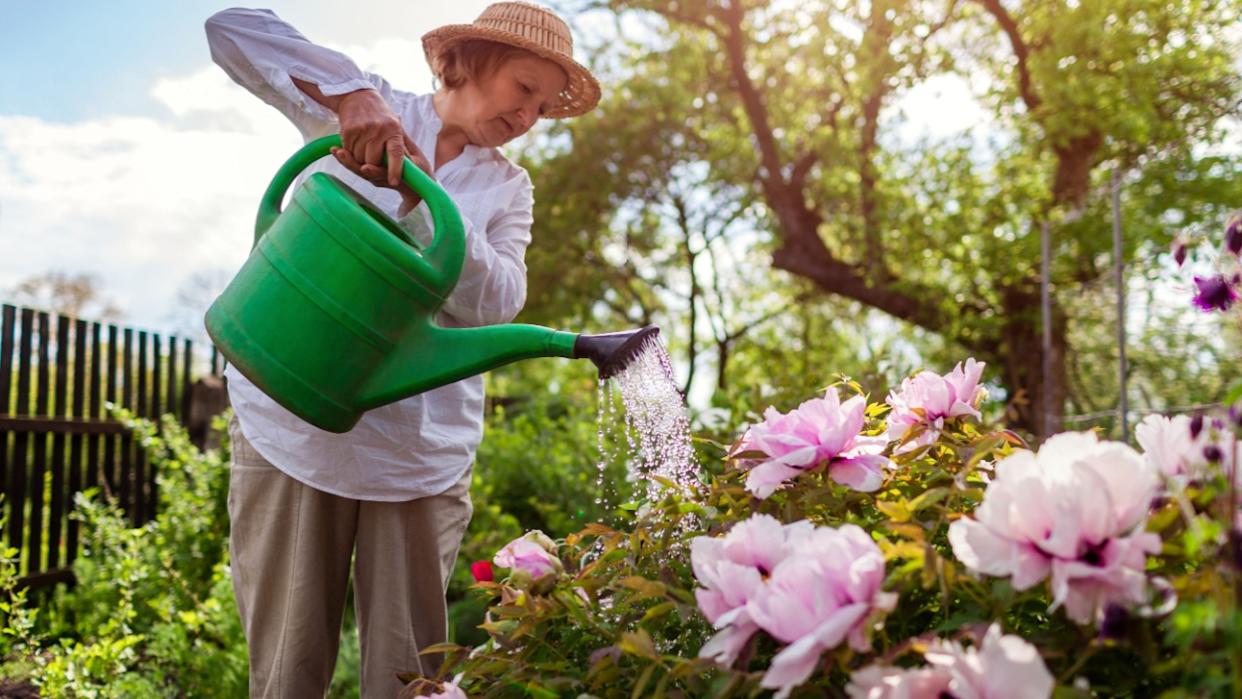
Image Credit: Shutterstock,
Peonies are famously long-lived. A well-planted peony can bloom happily for decades with almost no intervention. Big, fragrant blooms in red, pink, white, and coral arrive in late spring. The key is planting the eyes no more than one to two inches below the soil surface; too deep and they’ll never bloom. Peonies thrive in Zones 3–8.
5. Creeping Phlox (Phlox subulata)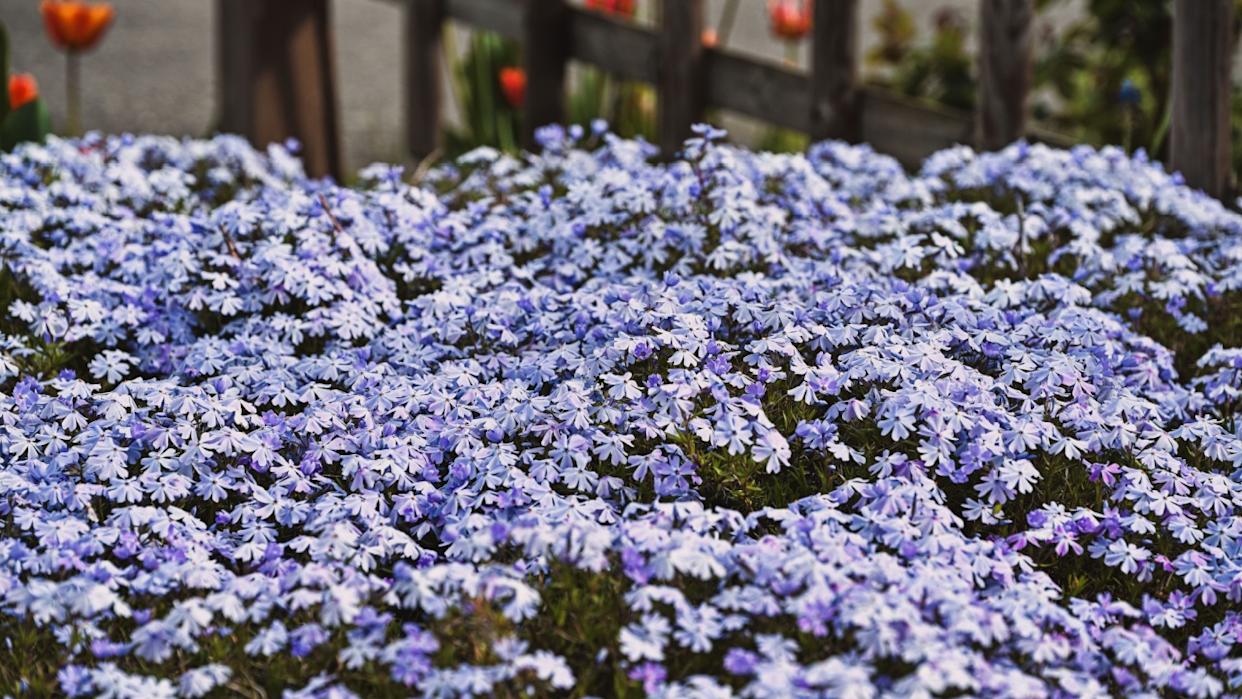
Image Credit: Shutterstock.
A spring workhorse for slopes, rock gardens, and sunny edges. Creeping phlox forms a dense mat of fine foliage and explodes into a carpet of pink, white, or purple in early spring. Once established, it requires almost no care and stays evergreen through mild winters. Creeping phlox grows well in Zones 3–9.
6. Yarrow (Achillea)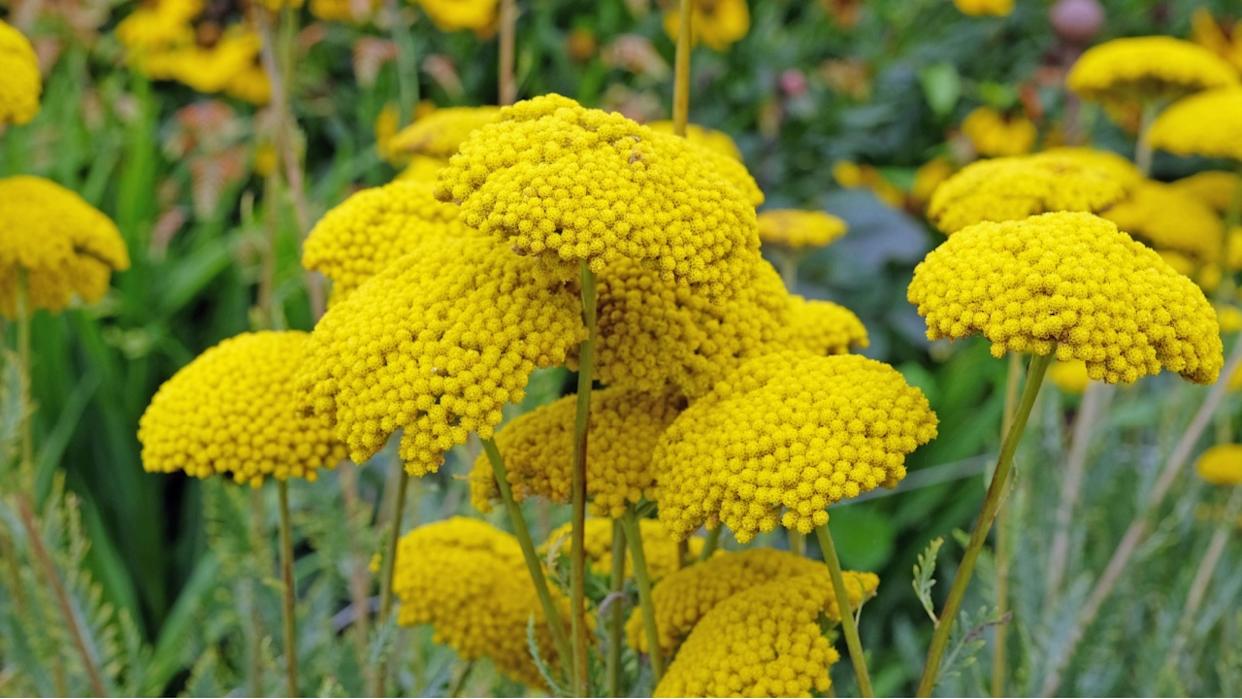
Image Credit: Shutterstock.
Yarrow is the perennial that laughs at poor soil and dry spells. Its flat-topped clusters of flowers in yellow, white, red, and salmon bloom from early summer through fall and make excellent cut or dried flowers. A staple of cottage gardens and pollinator patches alike in Zones 3–9.
7. Salvia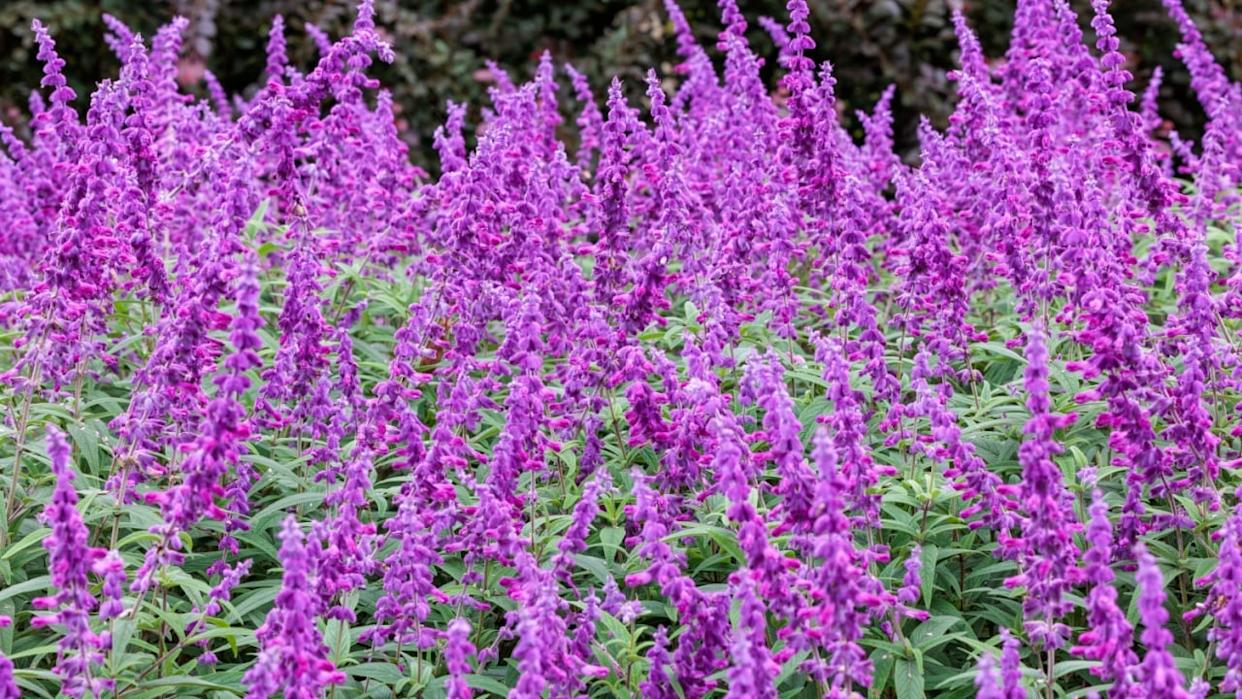
Image Credit: Shutterstock.
Perennial salvias are among the longest-blooming plants you can grow, with spikes of blue, purple, or scarlet flowers that hummingbirds and bees find irresistible. Plant in full sun with good drainage, and they’ll reward you with color from late spring until hard frost. Grow in Zones 4–9, depending on variety.
8. Bee Balm (Monarda)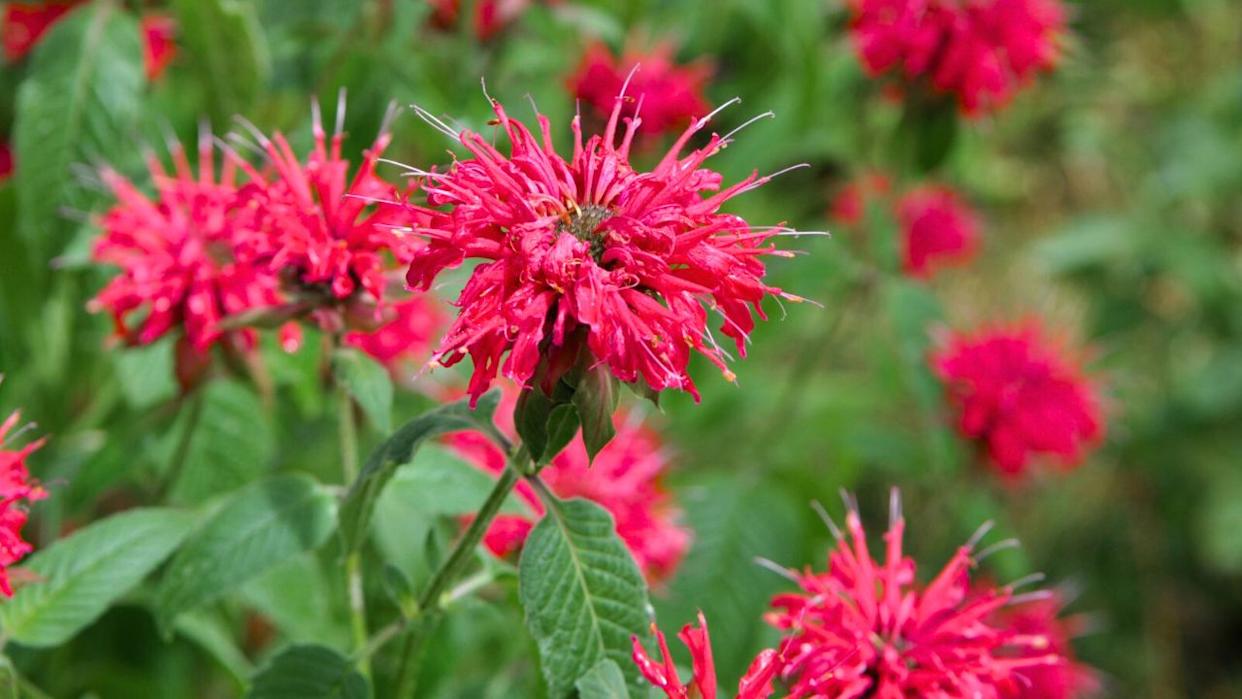
Image Credit: Deposit Photos.
Bee balm’s shaggy, tufted blooms are a magnet for hummingbirds, bees, and butterflies from midsummer onward. It thrives in moist, fertile soil and can spread enthusiastically, so give it room or divide it every few years to keep it tidy. The fragrance alone is worth growing it across Zones 4–9.
9. Columbine (Aquilegia)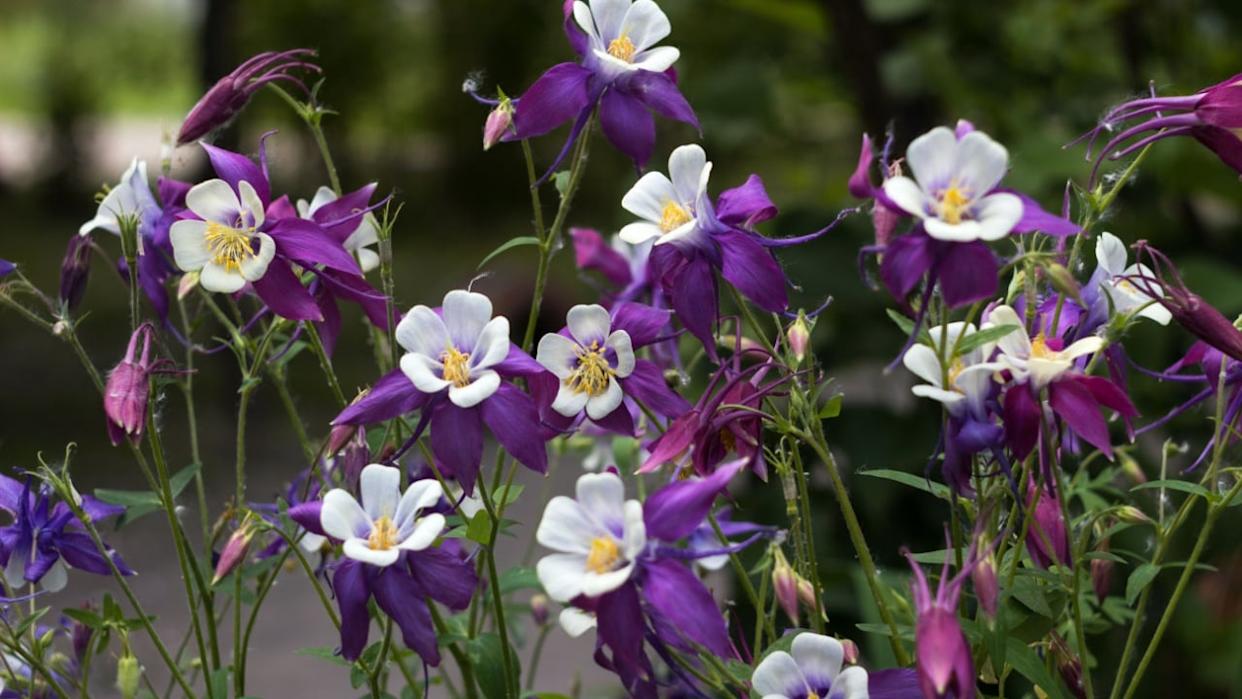
Image Credit: Shutterstock.
One of the first spring bloomers, columbine produces delicate, spurred flowers in a remarkable range of colors — red, yellow, pink, purple, and bicolor combinations. It self-seeds freely and tolerates both sun and part shade, making it one of the most adaptable perennials for mixed borders. Columbine thrives in Zones 3–9.
10. Blazing Star (Liatris)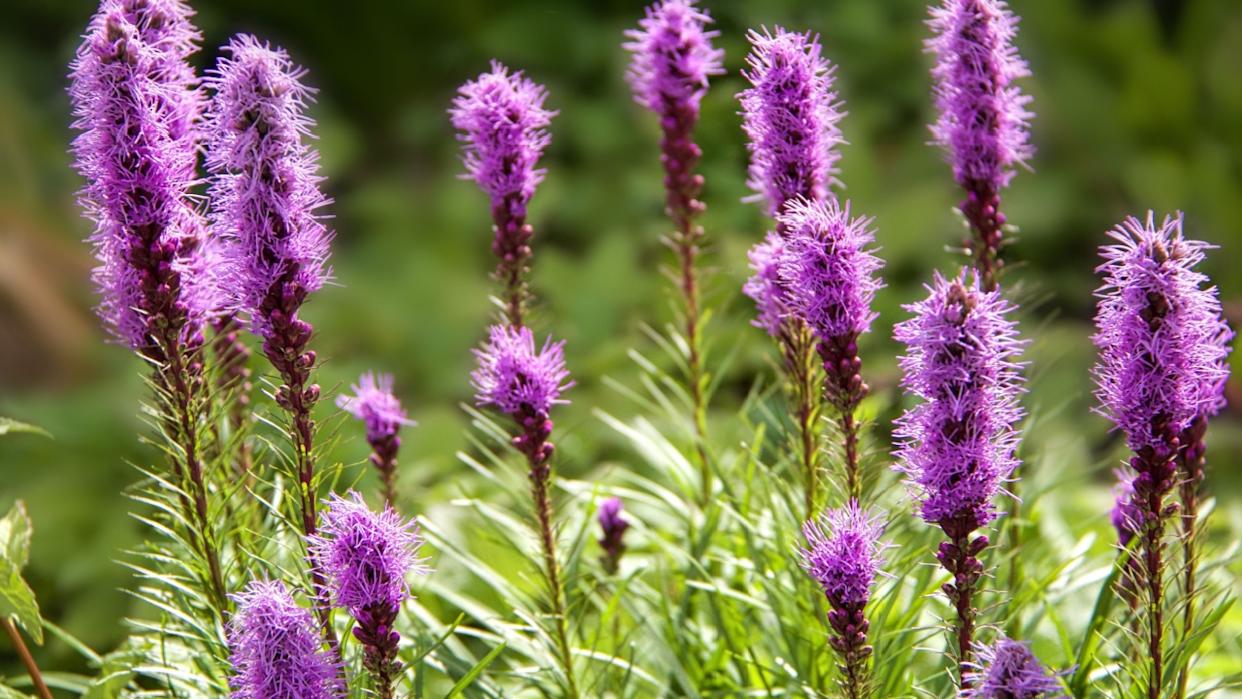
Image Credit: Shutterstock.
An often-overlooked native prairie plant, blazing star sends up dramatic spikes of vivid purple in late summer, precisely when many other perennials are winding down. It’s drought-tolerant once established, attracts monarch butterflies, and adds strong vertical interest to any border. Blazing star grows well in Zones 3–8.
11. Russian Sage (Perovskia)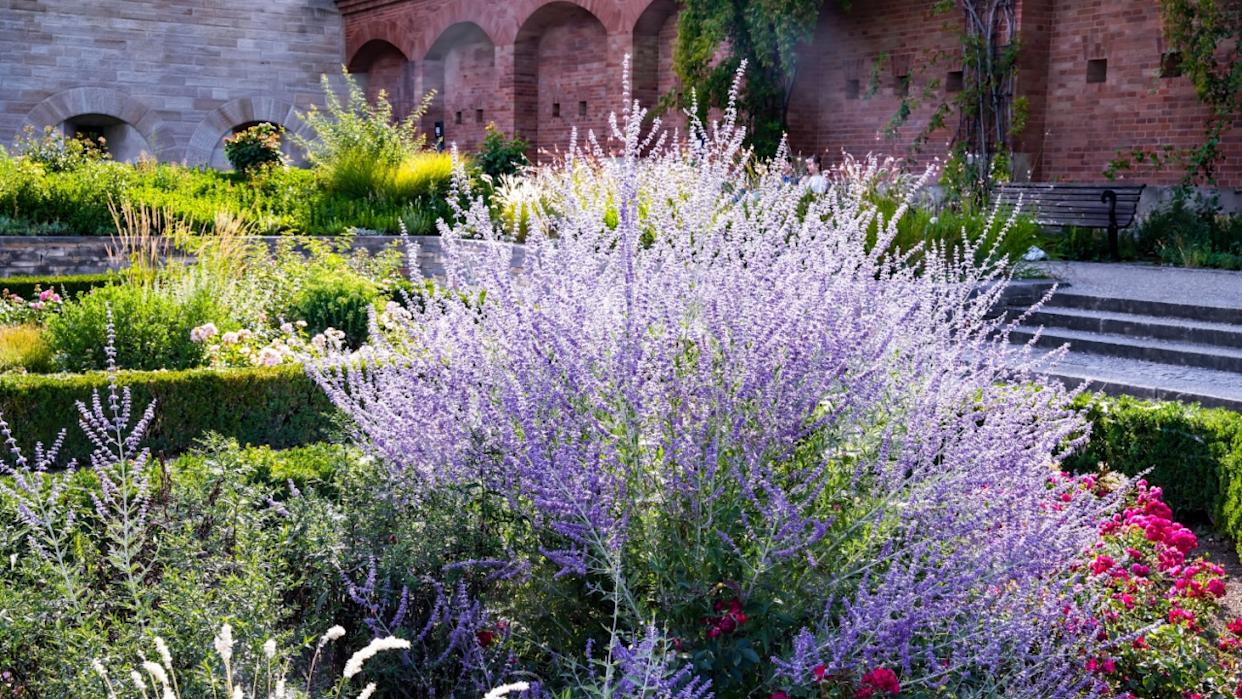
Image Credit: Shutterstock.
For late-season color when gardens start to look tired, nothing beats Russian sage. Its airy wands of lavender-blue flowers and silvery foliage persist from midsummer right through fall frosts. Plant in a hot, sunny spot with well-drained soil and largely ignore it. Russian sage thrives in Zones 4–9.
12. Coreopsis (Tickseed)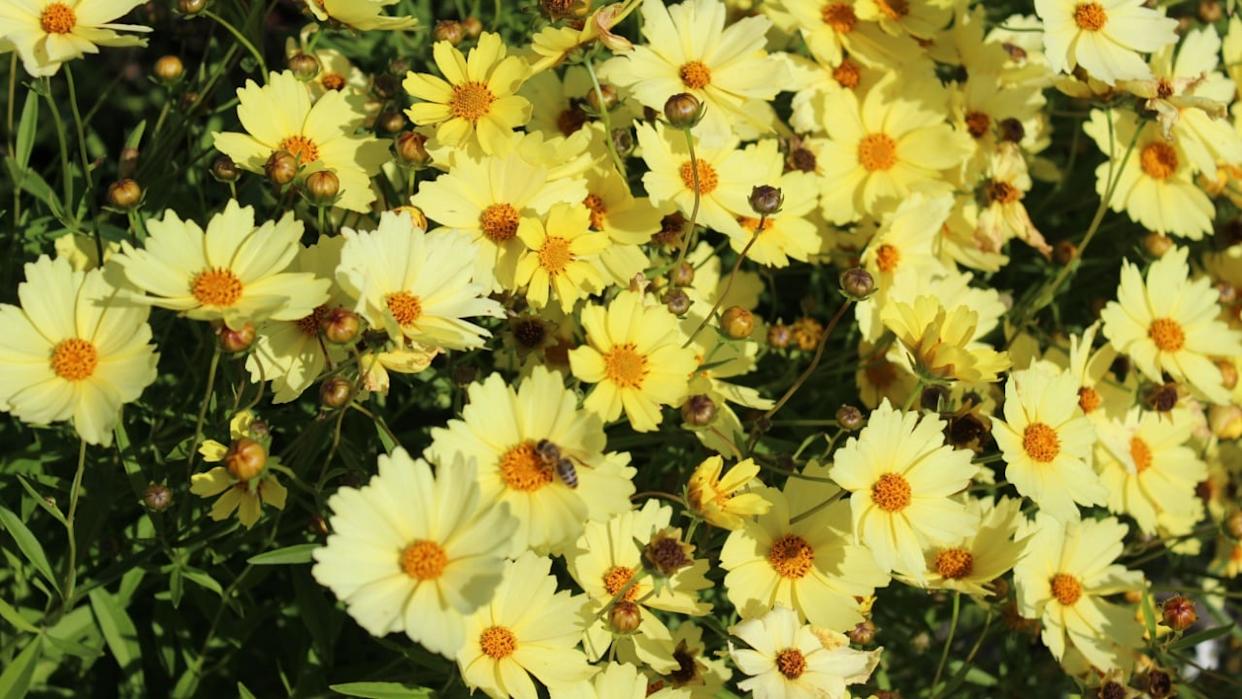
Image Credit: Shutterstock.
Coreopsis is one of the easiest perennials that blooms from spring through fall, producing cheerful daisy-like flowers in yellow, orange, and pink from early summer until the first frosts. Deadhead regularly for the biggest shows, and don’t stress over soil quality — coreopsis prefers it lean. Plant coreopsis in Zones 3–9.
13. Baptisia (False Indigo)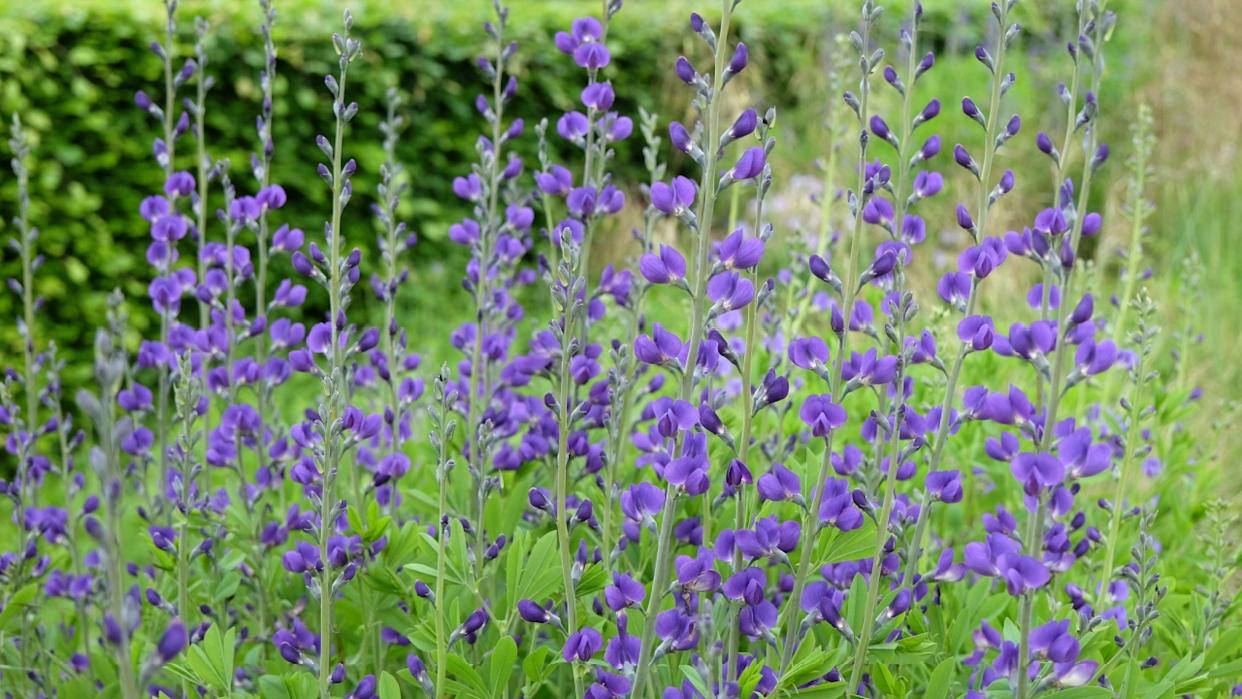
Image Credit: Shutterstock.
A structural powerhouse for the back of borders, baptisia produces indigo-blue (also white or yellow) spires of pea-like blooms in late spring, followed by attractive seed pods through fall. It takes a couple of years to establish, but once it does, it requires nothing from you and gets better every year. Baptisia thrives in Zones 3–8.
14. Asters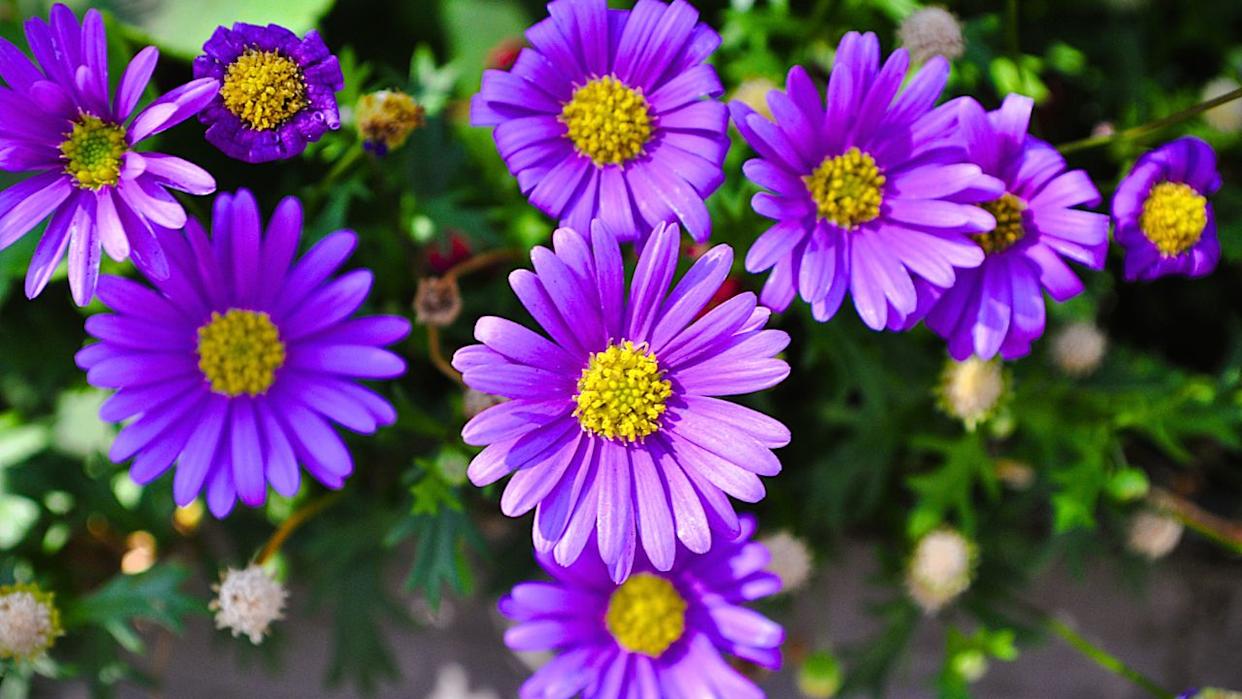
Image Credit: Shutterstock.
Plant asters now and they’ll spend the whole summer quietly growing into handsome mounds before unleashing a spectacular finale of purple, lavender, pink, and white blooms in late summer and fall. Asters are also one of the last great nectar sources for migrating monarchs.
Asters thrive in Zones 3–9.
15. Goldenrod (Solidago)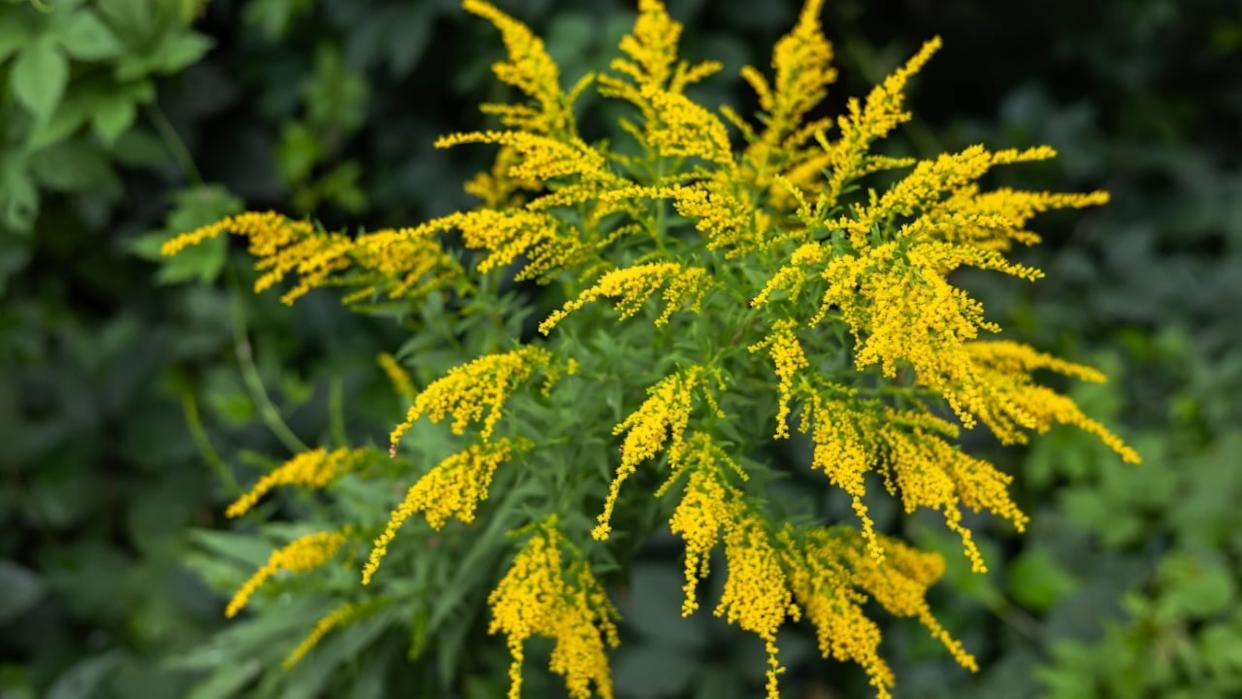
Image Credit: Shutterstock.
Goldenrod has an undeserved reputation for causing hay fever (that’s actually ragweed — goldenrod is innocent). Its golden arching plumes appear in late summer and fall, supporting more pollinator species than almost any other native plant.
Easy, dramatic, and completely underused in home gardens across Zones 3–9.
The One Mistake That Kills April-Planted Perennials
Image Credit: Shutterstock.
The biggest error gardeners make in April is planting greenhouse-grown perennials directly into the ground without hardening them off first. Nursery plants have been coddled under controlled conditions and aren’t prepared for full sun, drying wind, and temperature swings. Give newly purchased perennials four to seven days outside in a sheltered spot before planting, gradually exposing them to more sun each day.
The second most common mistake is planting in waterlogged soil. If your beds haven’t dried out from spring rain or snowmelt, wait. Digging in wet clay compacts it, damaging soil structure in ways that linger for years. Give it a few days, then test: grab a handful of soil and squeeze. If it crumbles when you open your hand, you’re good to plant. If it forms a tight ball and holds shape, wait.
According to the garden experts at Better Homes and Gardens, “perennial plants are often more expensive than annuals,” which is all the more reason not to waste them on poor conditions. A little patience in April sets up years of success.
How to Give Your Perennials the Best April Start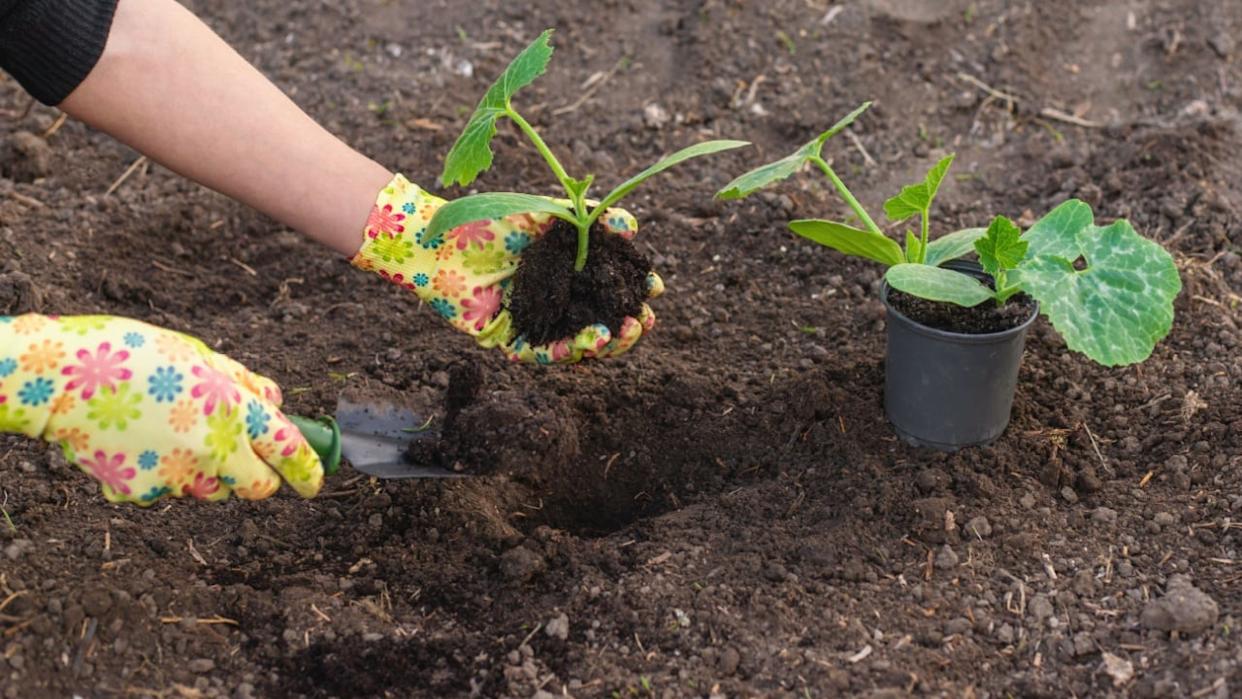
Image Credit: Shutterstock.
Loosen the planting area and work in an inch or two of compost before putting anything in the ground. Water thoroughly at planting, then apply two to three inches of mulch to hold moisture and protect roots from late-season temperature swings. For the first few weeks, water every day you don’t receive rain — young perennials have underdeveloped roots that can’t yet pull moisture from depth.
Place taller plants like baptisia, Russian sage, and goldenrod toward the back of borders, medium growers like coneflower and bee balm in the middle, and low spreaders like creeping phlox and coreopsis at the front. April is the rare moment when you can actually see the full canvas before the foliage fills in, so take a few minutes to plan heights and bloom times before you put the first shovel in the ground.
One last thing: resist the urge to deadhead everything immediately. Let your perennials spend their first season establishing roots rather than producing seed. Next year, they’ll reward you with bigger, bolder growth than you thought possible.
A Garden Worth Coming Back To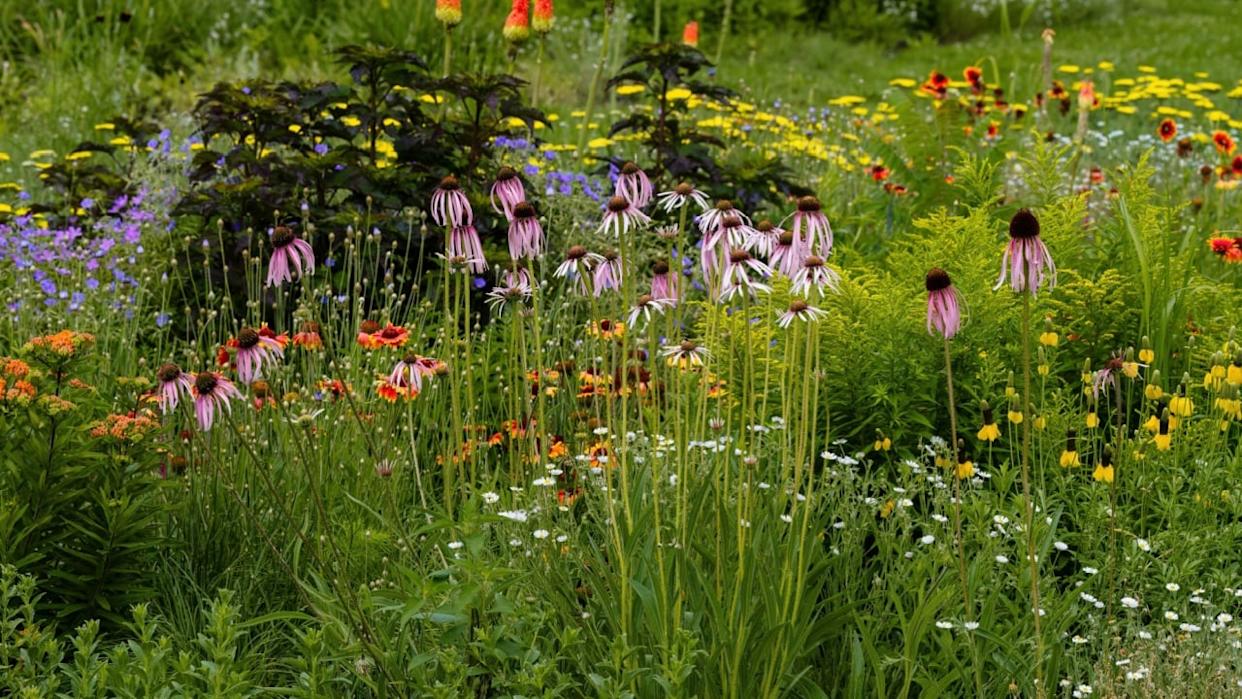
Image Credit: Shutterstock.
A perennial garden is a long game, and April is where the best hands are dealt. The plants you get in the ground this month will be unrecognizable in size and vigor by next summer. They ask only for a decent start and a little patience.
Plant something this weekend. The window won’t be open forever.
Read More
Plant these 10 companion plants with your tomatoes — and stop planting these 4
13 Plants That Grow Better (and Faster) Hydroponically — and Why March Is the Perfect Time to Start
Comments are closed.