

Not only do our gardens burst into life in spring, but our houseplants also wake up. One plant give some attention in April is your rubber plant (Ficus elastica). From pruning to encourage fuller growth, to fertilizing, and cleaning its foliage, there’s much to be done this month to set your rubber plant up for a productive season.
I’ve been growing my rubber plant for a few years now (I actually have a variegated rubber plant, like this from Lowe’s), and the one thing to always boost its growth is pruning in spring, alongside adjusting care for the warmer and brighter conditions. In fact, neglecting to do these things in April can result in minimal growth for the season.
Article continues below
You may like
1. Prune Your Rubber Plant
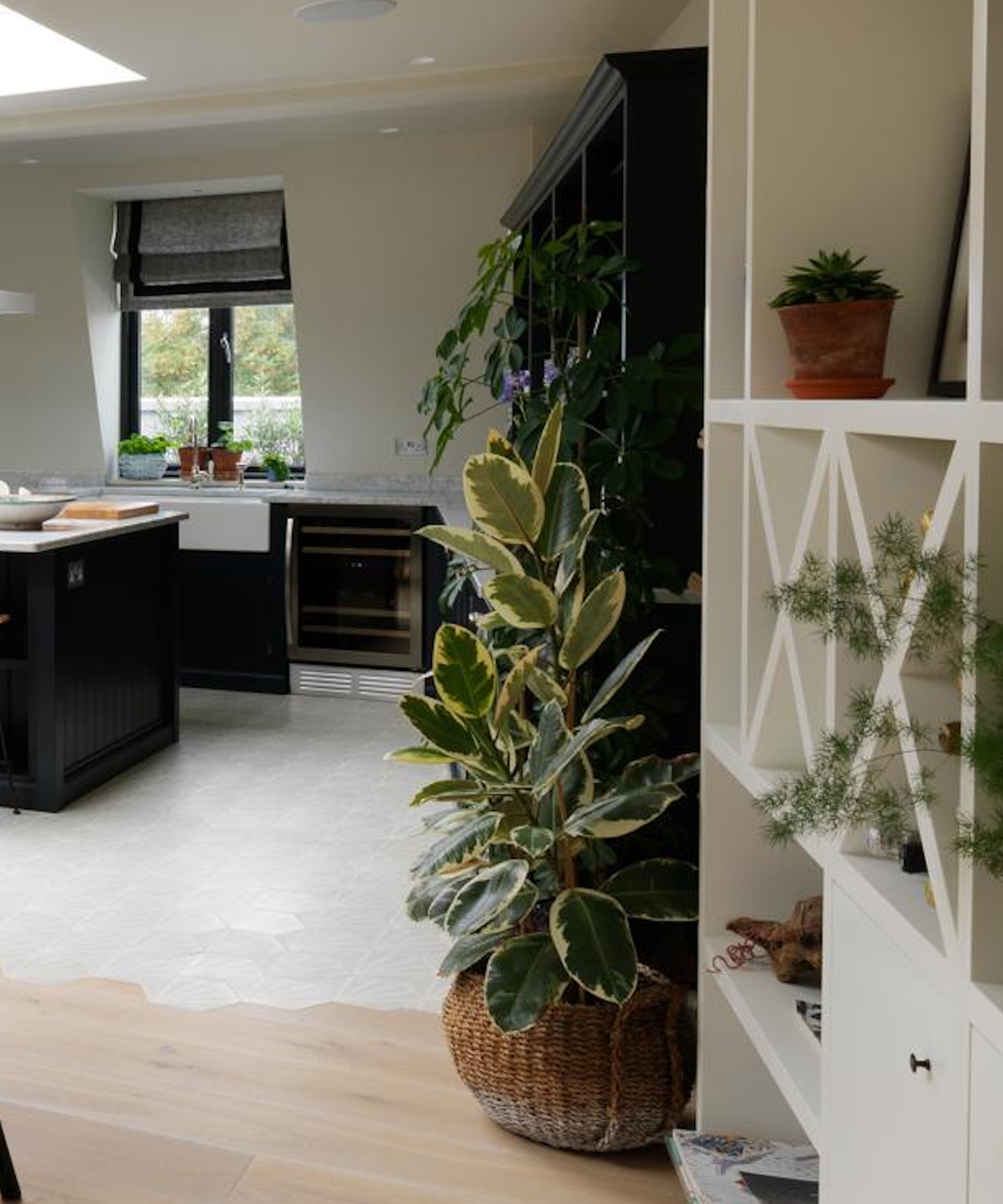
‘Tineke’ is a variegated rubber plant with beautiful cream-green foliage
(Image credit: Future)
If you want to make your rubber plant bushy, pick up your pruning shears (I find bypass pruning shears, like these from Amazon, are best for the thicker stems of a rubber plant).
By pruning your rubber plant above a leaf node on the main stem, you can encourage outward branching. In the long-term, it encourages fuller, lateral growth, rather than just upward growth.
When doing this, you should follow the one third pruning rule to ensure you don’t send your plant into shock and stunt its growth.
Don’t throw away the top piece of stem you throw away, either. You can pop it in potting soil to propagate your rubber plant. I like to use a rooting hormone (like this rooting hormone powder on Amazon) for these plants, as they’re woodier and slower to establish.
2. Start Fertilizing Your Rubber Plant
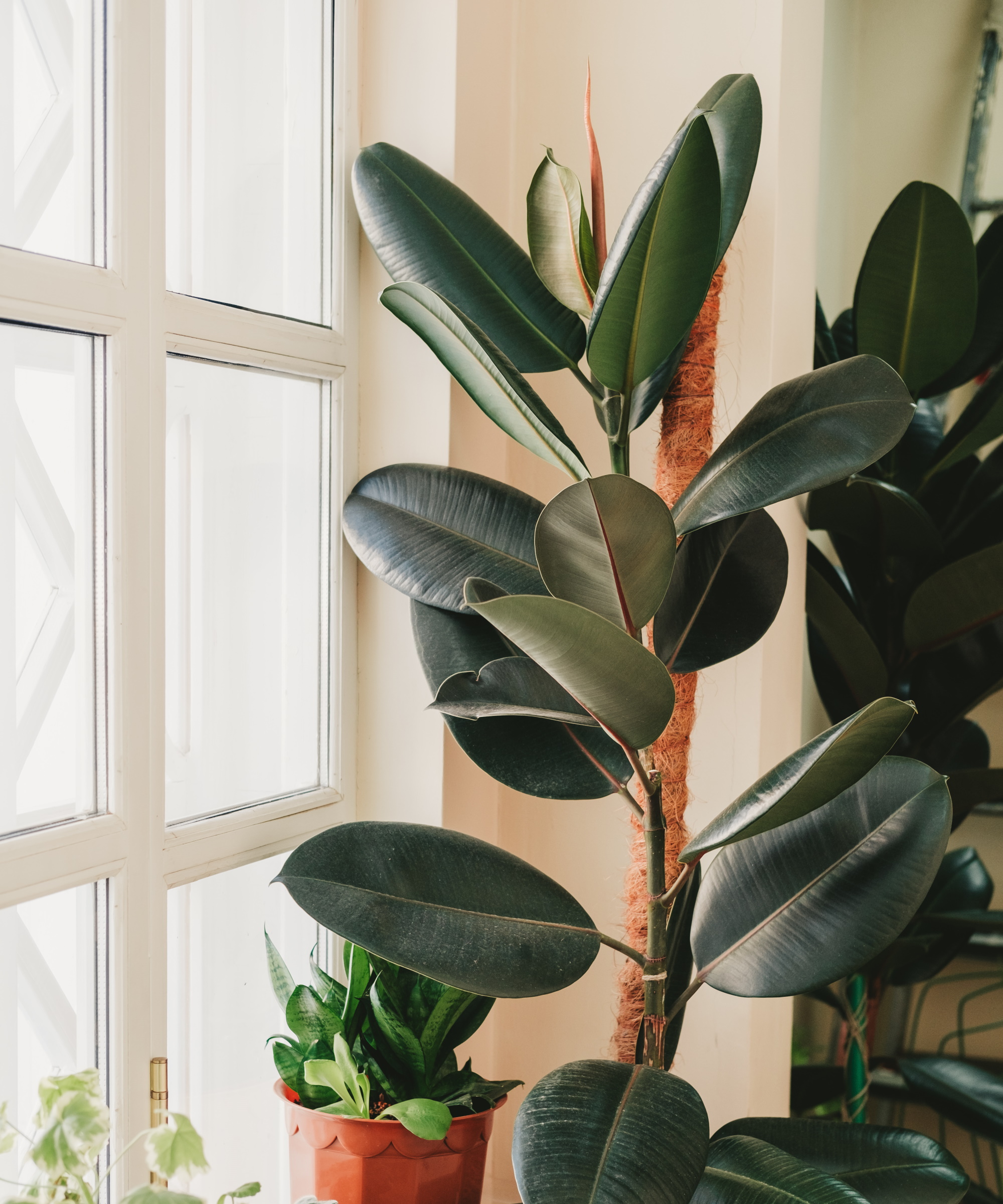
Rubber plants grow from spring to summer, and start entering dormancy in fall for winter
(Image credit: Elvira Kashapova via Getty Images)
As soon as I see signs of life in my rubber plant in spring, I pick up my houseplant fertilizer (this one at Walmart is a good choice).
Rubber plants are heavy feeders, so the essential plant nutrients in the soil deplete quickly during the active growth season.
By topping up with fertilizer every 4-6 weeks during spring and summer, you can support the growth it’s putting on and the energy it’s using up.
What to read next
Take care not to overfeed your rubber plant, however. This might cause root burn, which can give your rubber plant brown, crispy leaves.
3. Clean Your Rubber Plant’s Leaves
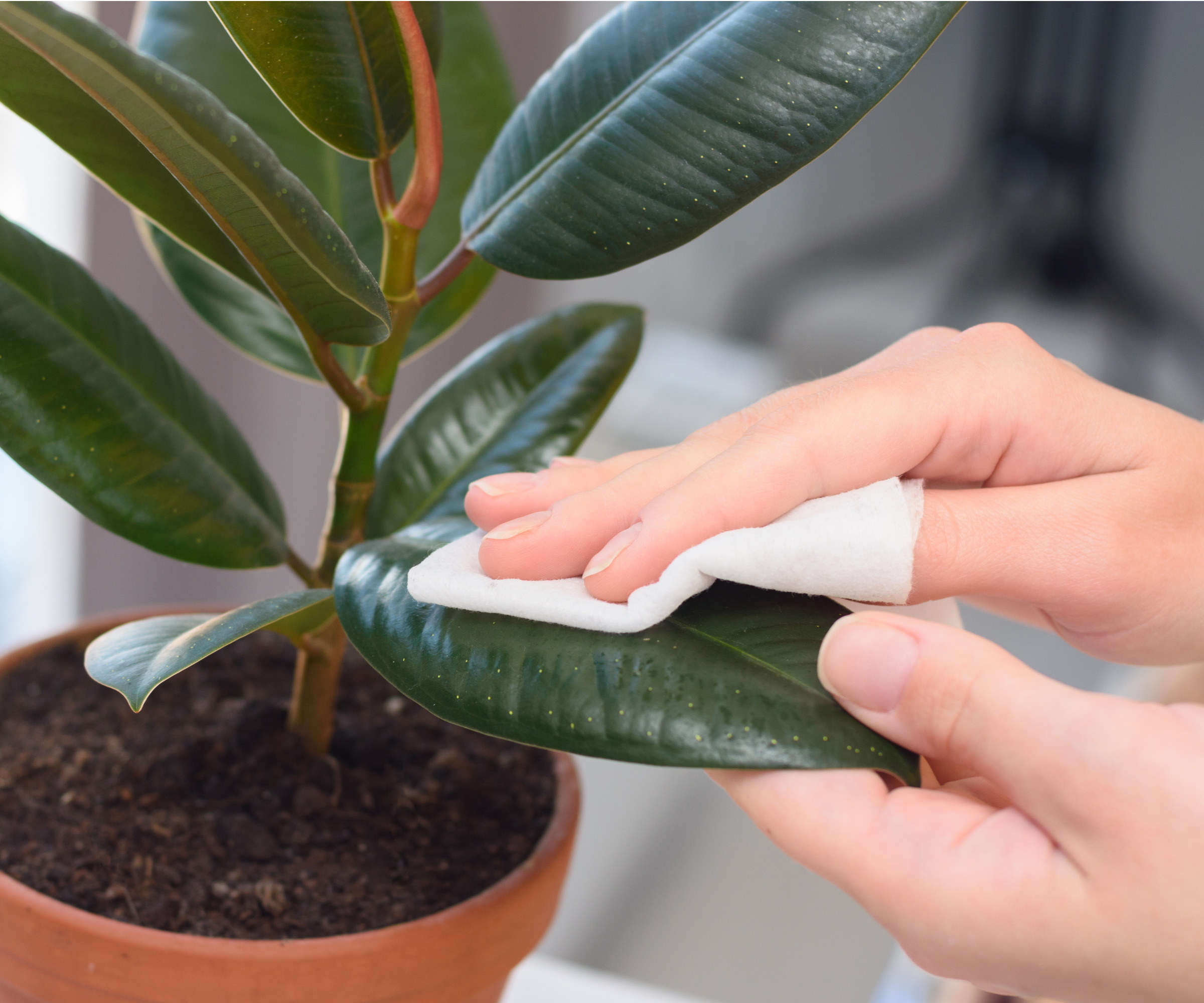
You’d be surprised at how much dust houseplants collect
(Image credit: Madhourse via Getty Images)
I love my rubber plant for its large paddle leaves, but this is also somewhere dust gather quickly.
It’s important to clean your houseplant leaves and not leave the dust on the foliage. It can block the pores and hinder essential plant processes, like photosynthesis, impacting growth as a result.
It’s also key to keep foliage clean to keep common houseplant pests away, including spider mites and thrips who thrive in these conditions.
I use houseplant dusting gloves (like these from Amazon), but you can also use a microfiber cloth to gently wipe your rubber plant’s leaves.
4. Increase Watering Your Rubber Plant
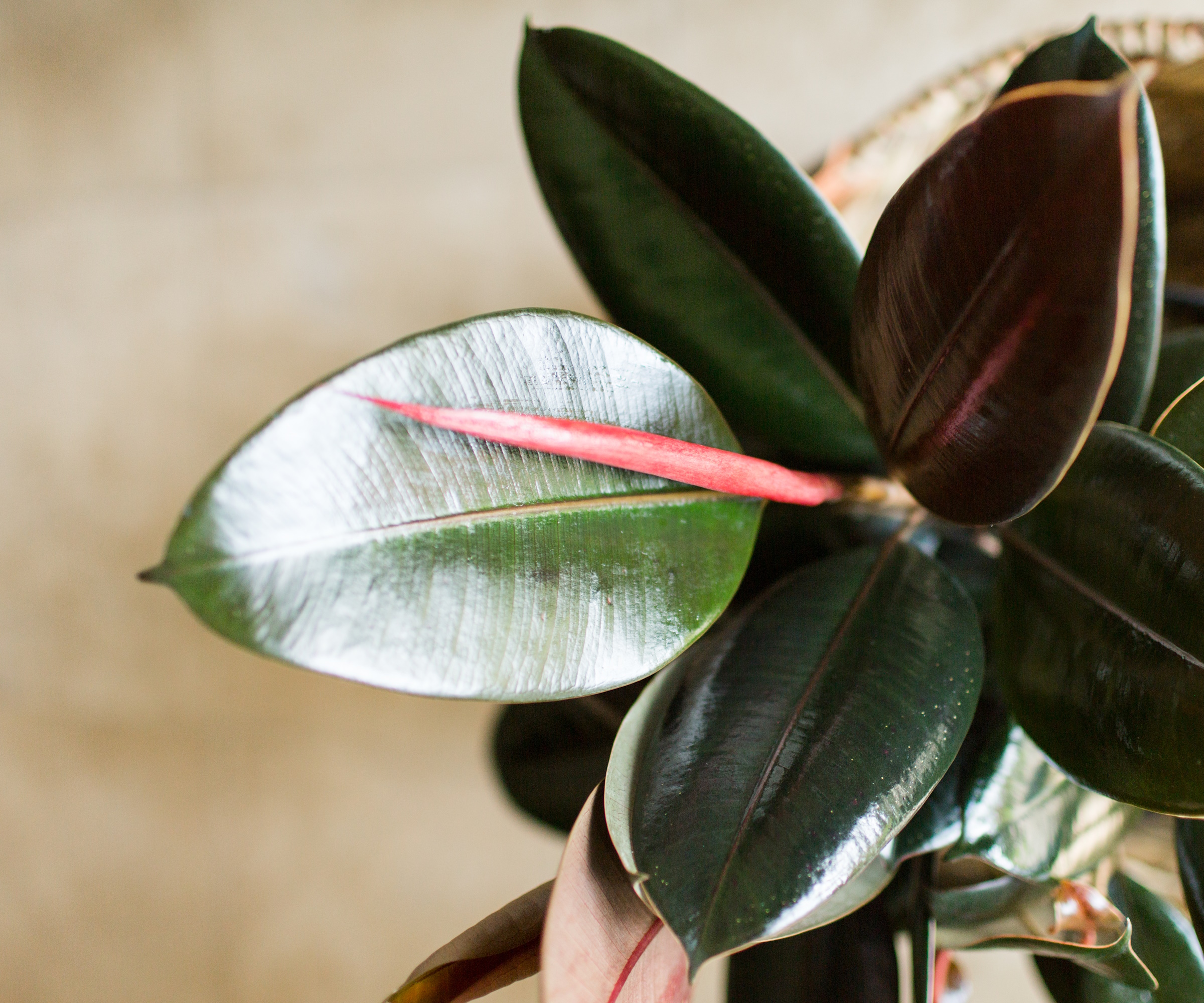
Rubber plants like consistent moisture levels
(Image credit: Getty Images/Crystal Bolin Photography)
As temperatures warm up, your rubber plant will become thirstier and its soil will dry out sooner. If you don’t increase your watering frequency, you could see your rubber plant drop leaves and droop.
I always use my soil moisture meter (available on Amazon) to check how wet my rubber plant’s soil is before watering. When the top couple of inches are dry, it’s time to water.
Overwatering can cause rubber plants to experience houseplant root rot, which may cause discoloring foliage, dropping leaves, and the gradual decline of the plant.
5. Move Your Rubber Plant Away from Sunny Windows
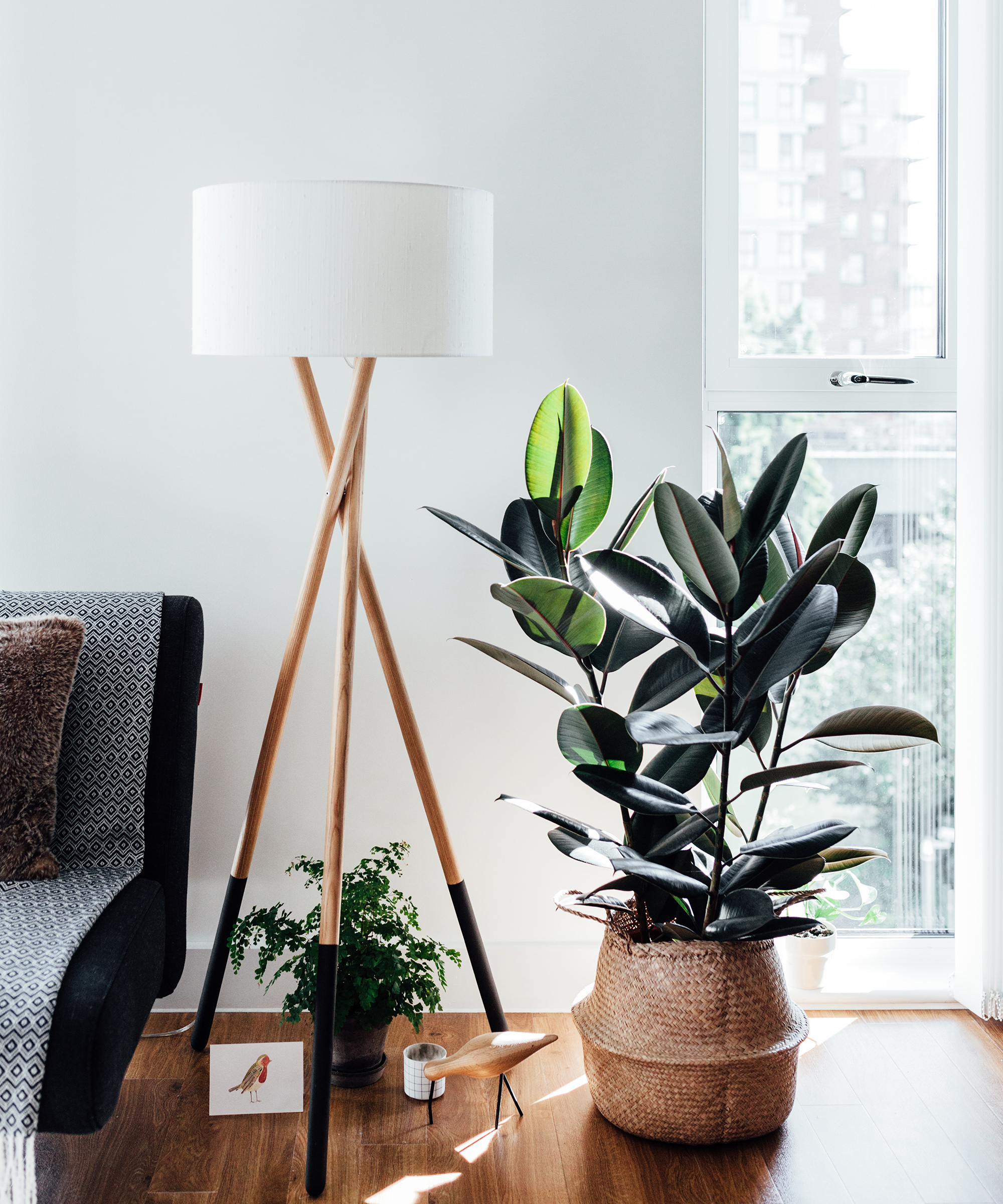
Rubber plants can adapt to lower light, but brighter light is best
(Image credit: Oscar Wong / Getty Images)
As part of winter houseplant care, you might have moved your rubber plant closer to windows as daylight is much more limited during these months.
However, as the sun returns, it’s key to keep these plants out of direct sun. Their sensitive foliage can cause leaf scorch, discoloring their leaves.
More specifically, your rubber plant shouldn’t sit by a south-facing window during spring and summer. But, don’t put it in a too little light spot, either, as it will struggle to thrive and growth will significantly slow down.
Optimal light exposure is 6-8 hours of bright, indirect light daily. A west-facing window is ideal, but you can also use sheer curtains (like these from Wayfair) to filter intense direct sun.
What to Shop
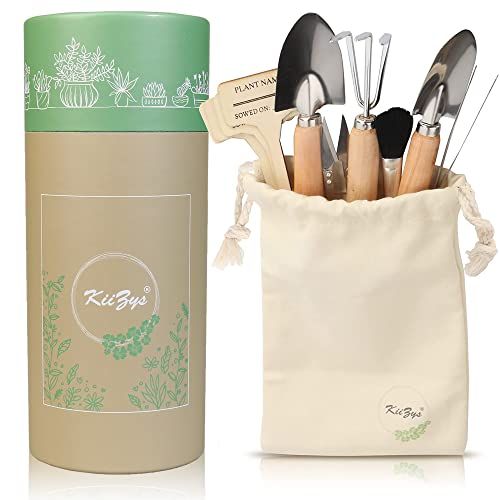
This set of indoor garden tools has everything you need to repot plants, aerate soil, and clean houseplant leaves. It comes with a bag for storage.
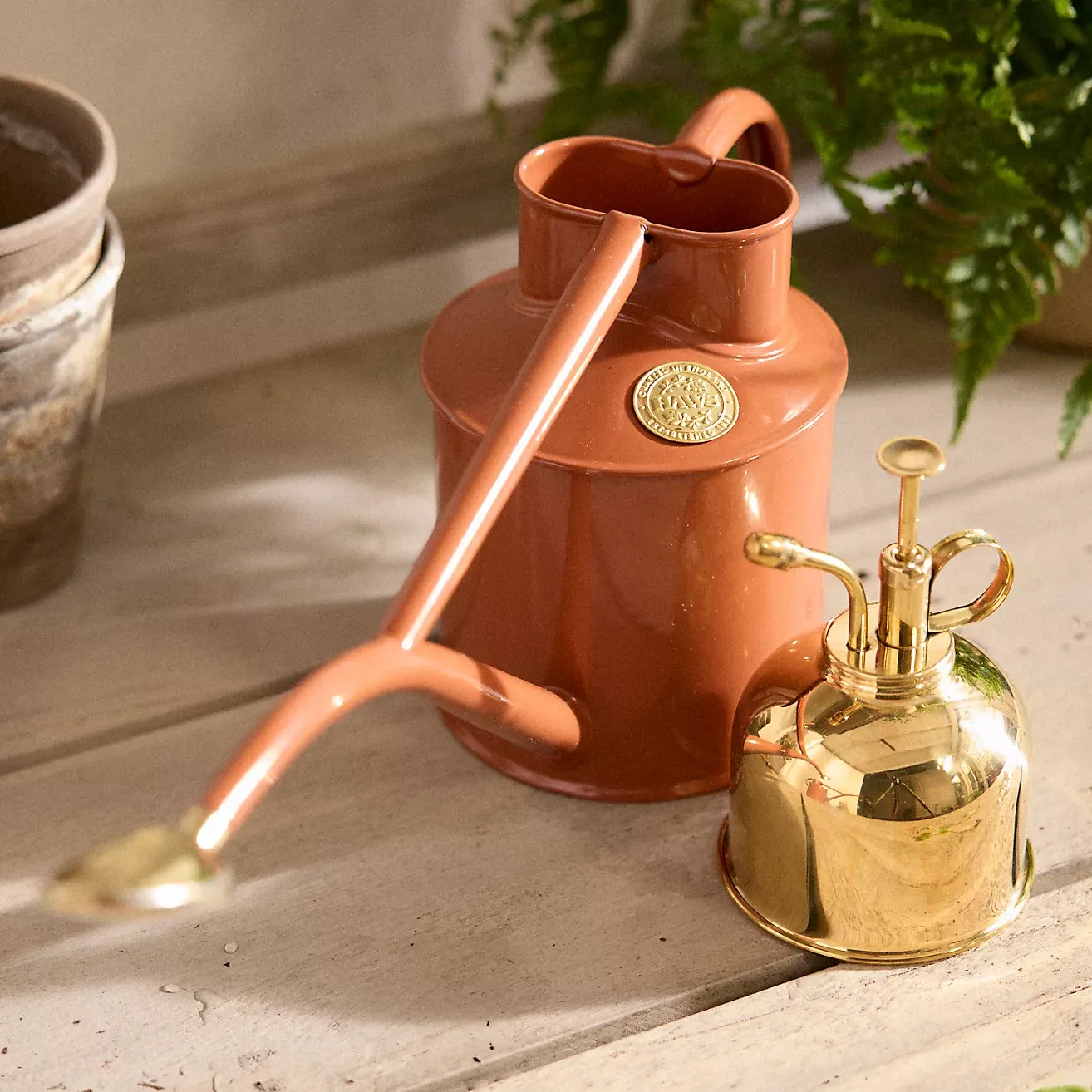
Watering Can & Plant Mister
This duo has everything you need to keep houseplants hydrated. The watering can has a detachable nozzle for more accurate watering.
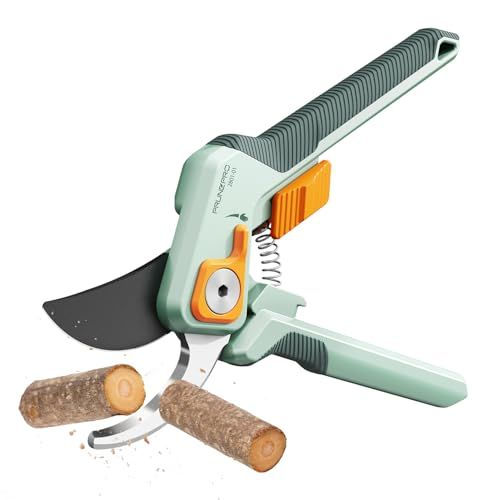
Houseplant Pruning Shears
These bypass pruning shears are great for houseplants with thicker stems, like rubber plants.
FAQsCan I Propagate My Rubber Plant in Spring?
Yes, spring is an optimal time to propagate your rubber plant via stem cuttings. You can make use of the warmer temperatures and increased daylight to encourage rooting. At the same time, taking cuttings will encourage new (and fuller) growth on the original plant.
Make sure to also read up on spring houseplant care this month to set your indoor garden up for success.
Love inspiring garden ideas, outdoor advice, and the latest news? Sign up for our newsletter and get the latest features delivered straight to your inbox.
Comments are closed.