
A PERFECTLY manicured lawn may only be a dream for most property owners in the United States.
But gardeners are likely to appreciate these useful hints that could help turn dry and weed-ridden yards into beautiful outdoor spaces.
Sign up for The US Sun newsletter
Thank you!
Who doesn’t want to look out onto a lovely green lawn?Credit: Getty
Manicured lawn are the envy of many a neighborCredit: Getty
Grass needs more than regular mowing and fertilizing – there has to be a regular application of water too.
But how do you know when – and how often – to water the lawn?
One sign is that grass is starting to turn a hue of bluish-gray, Rob Palmer, president of Lawn Squad, told the Martha Stewart website today.
Alternatively, grass blades may start to curl or look dull.

TALL ORDER
I’m 6ft 7in but I want a petite boyfriend – short kings treat me like a princess

FUGGET ABOUT IT
Olive Garden updates their logo – and diners are told ‘calm down’
Also, footprints linger, and your lawn doesn’t spring back after being walked upon.
“At this stage, the grass is actively absorbing nutrients, beginning root development for the season, and recovering from winter stress,” said Palmer.
But, it pays to hold back on dousing blades with water if there has recently been heavy rain.
“Giving grass water too soon encourages shallow root growth, since the roots don’t need to reach deeper into the soil to find moisture,” warned Jason McCausland, national technical director at Weed Man.
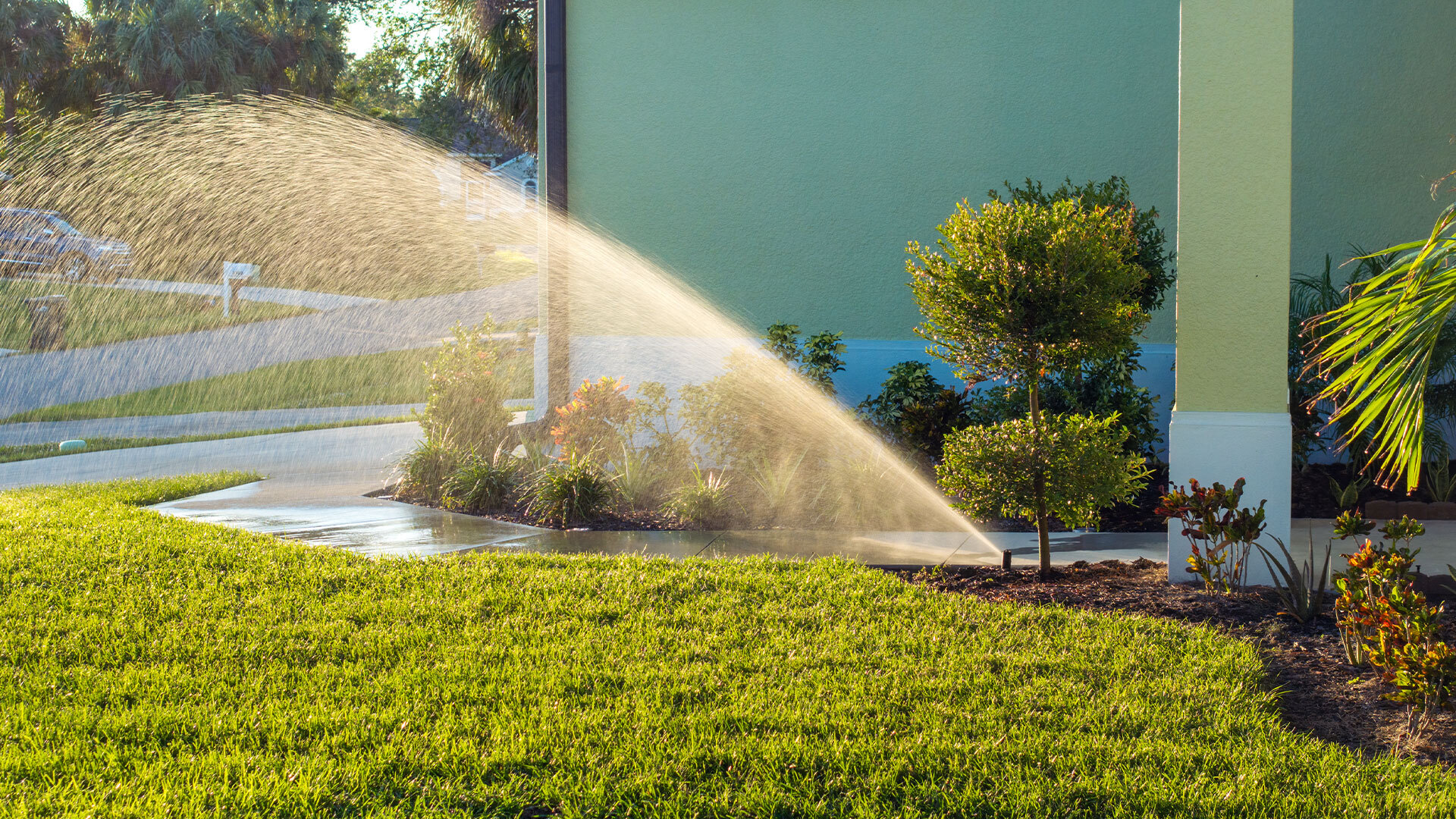
Sprinkler can keeping lawns healthy during dry seasonsCredit: Getty
Here are some other watering tips from Lawn Squad:
Water early in the morning – ideally between 6am and 10am, when it’s cooler. Sprinkling lawns in the evening raises the risk of lawns developing fungal diseases due to prolonged moisture on blades.
Water deeply and infrequently – aim for deep, infrequent watering sessions, rather than daily.
Don’t water when it’s been raining – you can reduce the watering frequency.
Use the right sprinkler system – Rotary sprinklers are ideal for large areas, while oscillating sprinklers work well for rectangular lawns.
Check for proper drainage – prevent waterlogging, which can lead to root rot; you might need to aerate your lawn.
Monitor soil moisture – put a screwdriver or a soil probe into the ground; if it goes in easily, your lawn is fine, but if it’s tricky to insert, or emerges dry, it’s a sign your grass needs water.
Natural lawn treatments to boost growth
A surprising array of common household products can help lawns, including:
Corn gluten meal
This provides a healthy amount of nitrogen, allowing you to both “feed” and “weed” your lawn at the same time, says the University of Illinois.
To effectively combat weed seedlings, the material must be spread, watered in, and then left in fairly dry soil for a few weeks – preferably in Spring. Use only one pound per 1,000 square feet during a single application.
When it comes to fertilizing, CGM breaks down over time, prolonging the release of nitrogen into the soil. The recommended rate is 20 pounds of CGM per 1,000 square feet.
Vinegar solution
For a natural solution, mix vinegar with a bit of dish soap and spray directly onto weed leaves only, recommends Complete Gardening.
The acetic acid in vinegar draws out moisture, effectively dehydrating and killing weeds. Apply on a sunny day for best results.
Coffee grounds
Coffee grounds are rich in nitrogen, phosphorus and potassium. A surprising fact is that earthworms love coffee grounds, reported Gardening Know How.
Use (cooled) coffee grounds on your lawn at any time during the growing season, typically from Spring through fall. After sprinkling them evenly (about a cup per square yard), apply water to help them soak into the ground.
Lawns can be a lot of hard work, but the result is worth it for some peopleCredit: Getty
Comments are closed.