
Spring gardening season usually starts the same way across the United States: One warm afternoon makes the soil feel ready, and the urge to plant kicks in. But the tricks for a successful garden are timing, proper planning and knowing when to start growing each variety of plant.
Know when the last frost is expected for your area
The most important factor when planning a garden is the weather, primarily when the last frost of the spring takes place.
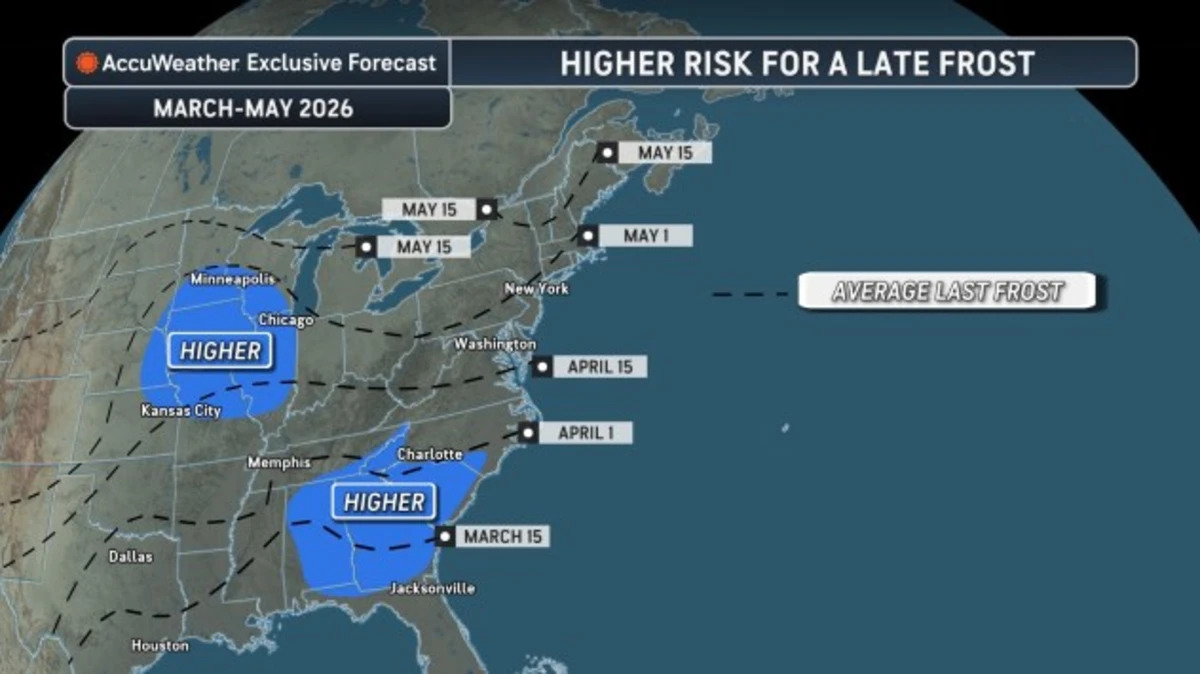
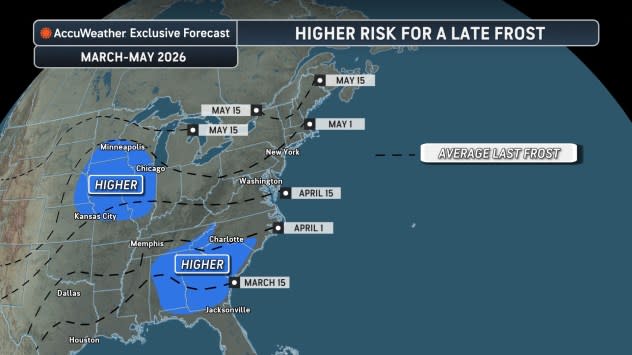
In the southern U.S., the last frost typically occurs in late March or early April. Farther north, the risk of frost can linger into May. In 2026, AccuWeather long-range forecasters say there is a higher risk of a late-season frost in the Southeast, along with part of the Midwest.
The USDA Plant Hardiness Zone Map is worth checking too, even for gardeners focused on annual vegetables. It provides a quick snapshot of the climate an area can support over time, especially for perennials, shrubs and long-lived herbs.
Soil prep is the step that makes everything easier
The most common spring mistake is putting all the attention on seeds and none on the ground they will grow in. Whether the garden is in raised beds, containers or in-ground rows, a little prep goes a long way.
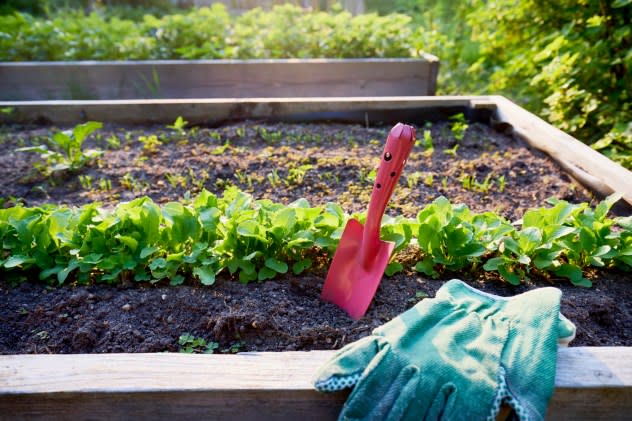
A raised garden bed in the spring. Getty Images/the_burtons)
Clearing weeds, loosening compacted soil and mixing in compost helps improve drainage and structure. For containers, fresh potting mix matters more than most people realize, since last year’s mix can break down and drain poorly.
Decide what plants get a head start indoors
Timing and technique change depending on what is being grown. Many warm-season vegetables benefit from indoor seed-starting because they need a longer warm stretch than early spring offers.
Tomatoes, peppers and eggplant are typical examples. Starting them indoors weeks before the historical average last frost date allows seedlings to be ready when they are moved outdoors.
Other crops are usually better off started outdoors. Beans, corn, and sunflowers tend to dislike transplanting and often do best when sown directly into the ground once soil conditions are suitable.
Light and hardening off can make or break seedlings
Indoor seed-starting fails most often for one reason: insufficient light. Weak light leads to stretched, fragile seedlings that struggle once transplanted. A simple shop-light setup can provide consistent brightness without turning a home into a greenhouse.
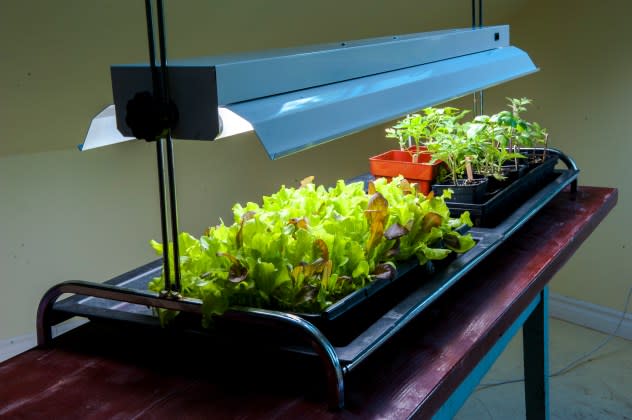
Lettuce growing under an artificial light. (Getty Images/ Joseph De Sciose/Aurora Photos)
Even strong seedlings need an adjustment period before living outside full time. Hardening off is the bridge between indoor comfort and spring reality. It’s a gradual process of exposing seedlings to outdoor sun, wind and temperature swings so stems and leaves can toughen up. Skipping that step can turn a healthy tray of seedlings into stressed plants overnight.
Other plants that can help a garden succeed
Gardens benefit from pollinators, and supporting them doesn’t require a full flower border. A small strip or a few containers of native flowers can provide nectar and habitat without competing for space.
Native plants tend to match local conditions better and can be easier to maintain once established, while also supporting pollinators that are adapted to the region.
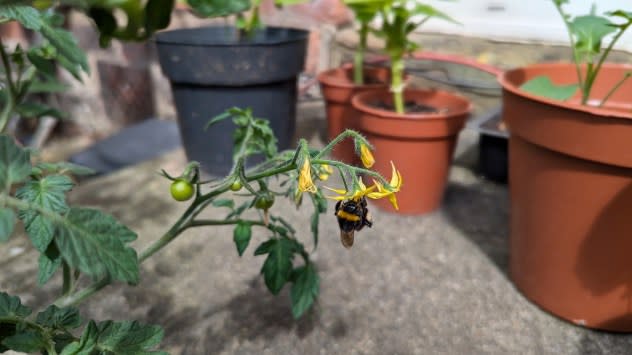
A bee hanging from a tomato plant with yellow flowers and various potted leafy vegetable plants in the background. (Getty Images/ Mike Beverley)
A spring garden doesn’t need to be perfect. It needs a realistic start date, decent soil and a plan for seedlings and frost. Once those pieces are in place, the growing season tends to take care of the rest.
Comments are closed.