
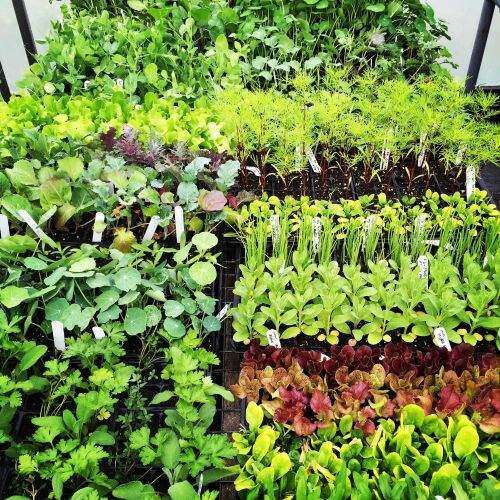
April is an exciting time for gardeners. As rain begins to taper off and the weather warms up, most of us are anxious to get outside. Here’s some tips to consider while transitioning to warm-season gardening.
Planning and prep
A bit of planning, cleanup and repair now will save you aggravation and disappointment later in the season. A good first step is to check the condition of your garden soil. If there are rains in April, it’s possible that the soil will be too soggy and wet for immediate planting. Soil in raised beds will dry out faster than soil in the surrounding ecosystem, so assess them separately. After a heavy rain, wait a few days to plant, otherwise working the soil will compress the pores that carry air and water to plant roots.
The soil should crumble in your hands before planting. Most plants prefer soils that are loamy and friable. Here in Sonoma County, our most common soil types are clay and sand. Clay soil is heavy and dense and can limit a plant’s access to air and water. Sandy soil has good drainage but dries out quickly and has fewer available nutrients.
In either case, adding two inches of compost to the top of the soil will replenish nutrients used by last season’s crops. Over time, regular amending with compost will improve the texture and bioavailability of nutrients and turn the soil environment into a moisture reservoir. Minimize tillage to preserve delicate soil structure. Not digging creates habitat for carbon-storing microbes, sequestering carbon in the soil and thereby limiting greenhouse gases that contribute to climate change.
The soil should be weed free before planting. This time of year, the soil is still soft and pliable, so pulling weeds now is much easier than it will be once the soil hardens up. Try to get weeds out before they go to seed and propagate even more weeds.
If you have drip irrigation, it’s time to check for damage and leaks and ensure that all the emitters are working. If you are on a well, clean or replace drip irrigation filters. If you don’t already have drip irrigation set up, this is a great time to install it. Your garden will thank you and you’ll save yourself effort, time and worry as we move into our hot summer months.
Planting
A short list of cool weather vegetables and herbs to plant now includes lettuce, radishes, kale, spinach, chard, cabbage, bunch onions, bulb onions, leeks, chives, peas, broccoli, collards, turnips, carrots, beets, parsley, thyme, oregano, tarragon and dill. All these plants can withstand a light frost.
Once you’ve planted, monitor soil moisture so you know when to begin irrigating. Soil may dry out an inch or so on the surface but still retain ample moisture under mulch in the root zone around well-established plants. Hand water new plants as needed. Once the plant is about six inches tall and has a sturdy stem, apply a layer of mulch, such as rice straw, over the entire garden bed to help conserve soil moisture and keep down weeds. Leave a two-inch mulch free circle around the central stem of each young seedling plant to prevent damping off infection.
Plant summer bulbs and rhizomes such as gladiolus, dahlia, callas, amaryllis and lilies. Spring-planted bulbs produce some of the most dramatic garden color with minimal effort.
When buying transplants, look for uncrowded, sturdy seedlings. Stay away from thick peat pots that don’t decompose well in Sonoma County’s hot, dry summer. Also, look for crops and varieties that are labeled “drought-tolerant” or “drought-resistant.” Don’t be tempted by large flowering plants in small pots—they will likely be root bound and will have depleted the soil nutrients.
Garden Pests
The warming weather marks the arrival of many garden pests.
Check often for aphids, which flourish on tender new growth in the warmer weather. Remove infestations with insecticidal soap or spray with a garden hose as necessary.
Avoid using pesticides that may harm bees and other beneficials that feast on aphids, mites, whiteflies and other insects.
Wash off spittle bugs. Spittlebugs are small, sap-sucking insects known for the white, frothy “spittle” nymphs produced to protect themselves from predators and dehydration. They are known to feed on plants.
Codling moth can be a significant problem for apple and pear trees. If you had “wormy” fruit last year, spray summer oil weekly during the egg-laying period, which is anytime moths are flying. An option for backyard orchards is hand thinning. Pick all infested fruit before worms leave fruit and remove dropped fruit.
If earwigs are gnawing on your plants, trap them with rolled newspaper, bamboo tubes or short pieces of hose. Place these traps on the soil near plants just before dark and shake accumulated earwigs out into a pail of soapy water in the morning.
Contributors to this week’s column were Joy Lanzendorfer and Debbie Westrick. The UC Master Gardener Program of Sonoma County sonomamg.ucanr.edu/ provides environmentally sustainable, science-based horticultural information to Sonoma County home gardeners. Send your gardening questions to scmgpd@gmail.com. You will receive answers to your questions either in this newspaper or from our Information Desk. You can contact the Information Desk directly at 707-565-2608 or mgsonoma@ucanr.edu. To receive free gardening tips and news about upcoming events, sign up for our monthly newsletter: https://tinyurl.com/y3uynteb
Comments are closed.