
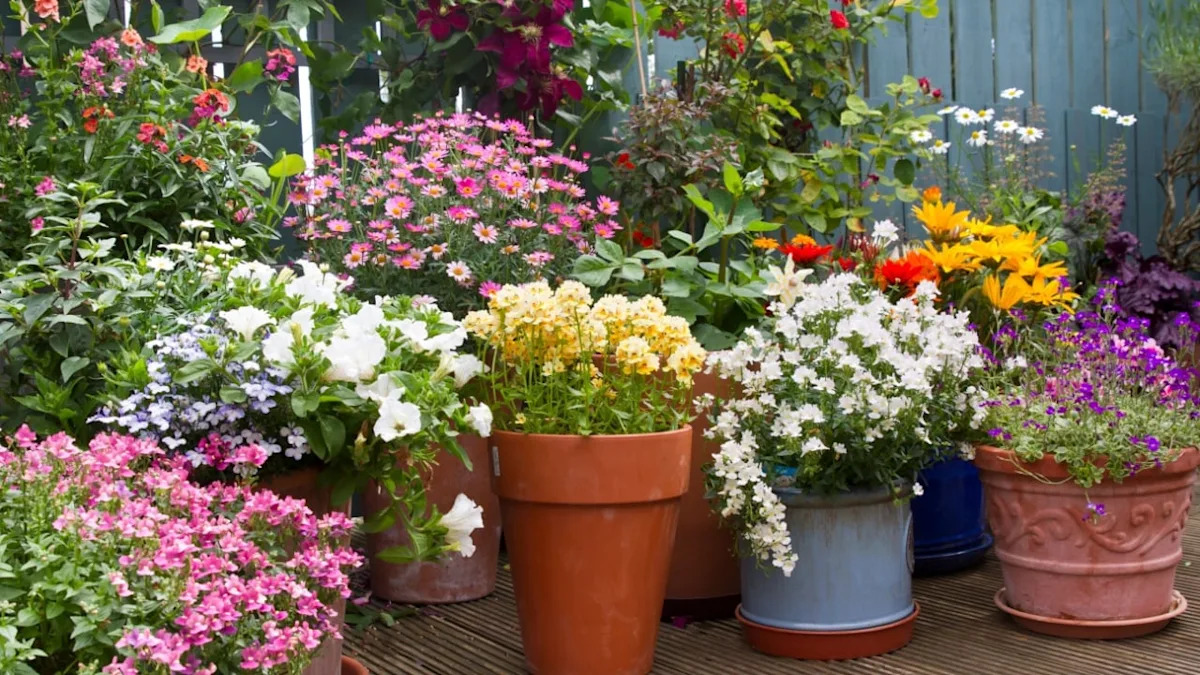
A self-taught gardener once grew 180 pounds of fresh produce, including 63 pounds of tomatoes, from containers on a single urban balcony in one season, writes Joe Gardener. Mark Ridsill Smith had no gardening background, a north-facing exposure, and a space most people would write off entirely. If that doesn’t recalibrate what you think is possible in a small garden, nothing will.
Small-space gardening isn’t a consolation prize for people who couldn’t afford a yard. It’s a discipline, and when you do it well, the results tend to humiliate gardens ten times the size. Dense, well-tended small plots routinely out-yield sprawling ones, use a fraction of the water, and demand less maintenance because every decision is intentional.
Here are thirteen ideas to help you make the most of what you have.
1. Go Up, Not Out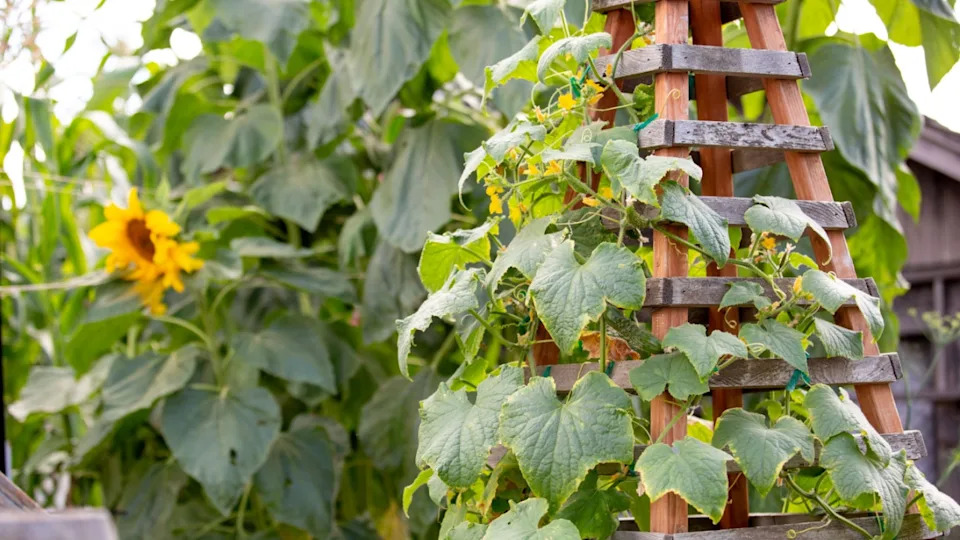
Image Credit: Shutterstock.
The fastest way to multiply your growing area without touching another square foot of ground is to go vertical. Trellises, obelisks, wall-mounted planters, and cattle panels mounted to fences allow cucumbers, pole beans, peas, small squash varieties, and indeterminate tomatoes to climb rather than sprawl. According to small-space growing expert Mark Ridsdill Smith, author of The Vertical Veg Guide to Container Gardening and featured on Joe Gardener, vertical growing can triple your effective harvest space without expanding your footprint. That is not a rounding error; it is a genuine multiplication of what your space can produce.
2. Rethink What Counts as a Container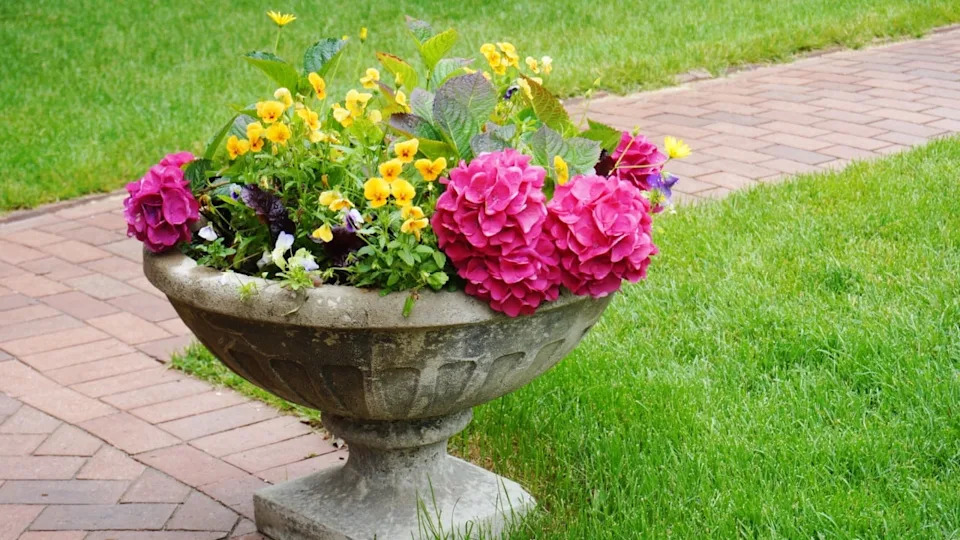
Image Credit: Shutterstock.
Any vessel that holds soil and has drainage is a planter. Wine barrels, galvanized livestock troughs, old wooden crates, vintage boots, and repurposed colanders have all been put to productive use by experienced container gardeners.
Ryan McEnaney, communications specialist for Bailey Nurseries and author, writing for Martha Stewart, notes that plant breeders have spent years developing compact varieties so that even classic showstoppers like hydrangeas, roses, and crape myrtle can now thrive in containers without overtaking the space. For gardeners who work long hours and worry about containers drying out, the solution is simple: lean on drought-tolerant Mediterranean herbs such as rosemary, sage, and oregano, or install a basic drip irrigation timer.
3. Use Square-Foot Gardening as Your Blueprint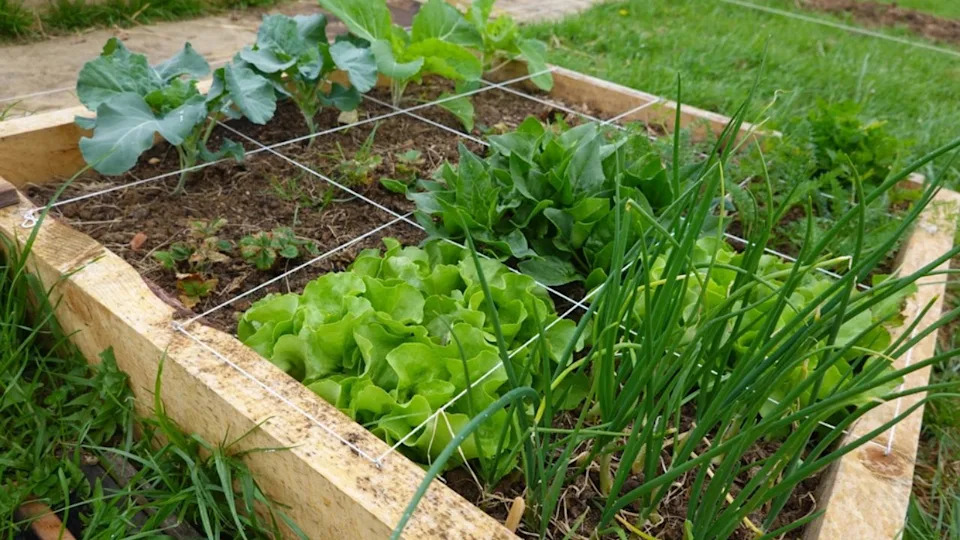
Image Credit: Shutterstock.
Mel Bartholomew introduced square-foot gardening in 1981, and it remains one of the most effective systems for small-plot productivity. The principle is straightforward: divide your raised bed into one-foot squares and plant each square at the maximum density appropriate for that crop, rather than following the row-spacing instructions on seed packets (which assume traditional wide-row agriculture and waste enormous space).
According to the Old Farmer’s Almanac, raised beds using this method can produce up to ten times the harvest of conventional row gardens in the same area. Dense planting also shades out weeds, considerably reducing maintenance.
4. Never Let a Square Sit Empty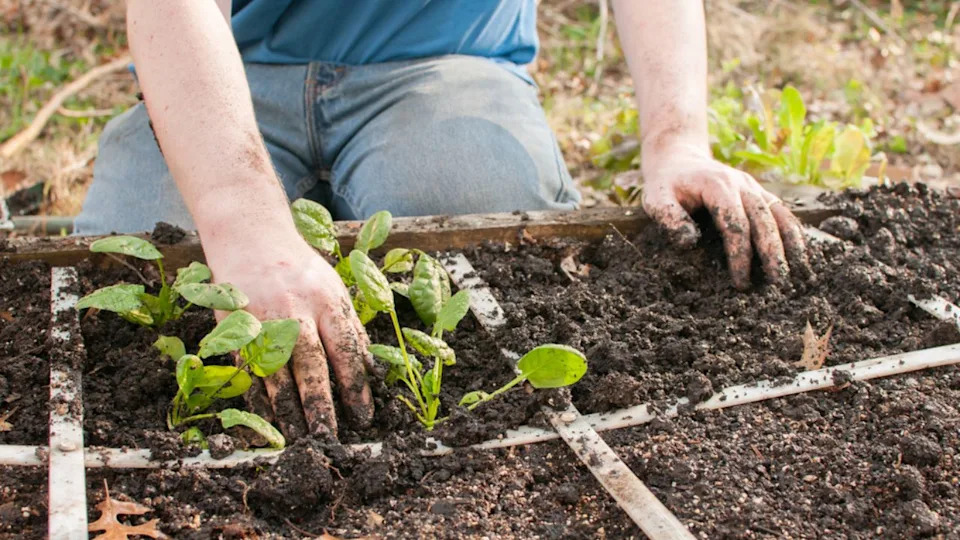
Image Credit: Shutterstock.
Succession planting is the small-space gardener’s most powerful and most underused tool. The moment a square finishes producing, it gets refreshed with compost and replanted immediately. Radishes sown alongside slow-maturing carrots are harvested weeks before the carrots need full room. Lettuce and spinach thrive beneath climbing peas early in the season and are pulled before the peas top out.
According to Denver Urban Gardens, keeping a tray of seedlings ready at all times is the single habit that separates gardeners who always have something to harvest from those who end up with empty beds and disappointment.
5. Choose Plants That Earn Their Keep All Season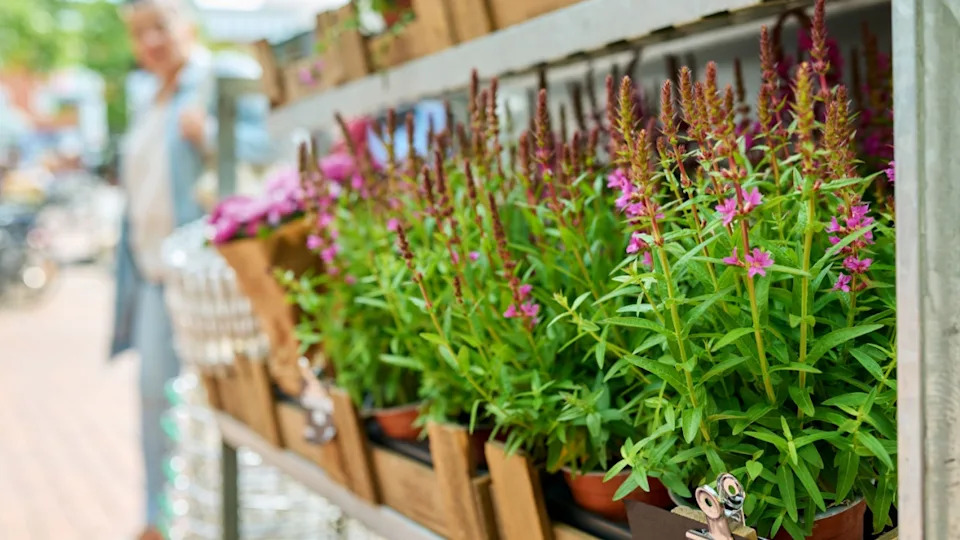
Image Credit: Shutterstock.
In a large garden, a plant that blooms for two weeks and does nothing else for the rest of the year is tolerable. In a small garden, it is a waste of real estate. Tim Johnson, director of horticulture at the Chicago Botanic Garden, advises that when space is limited, every plant must justify its presence year-round, which means prioritizing multi-season performers: those with spring bloom, summer structure, fall color, and winter silhouette.
Columnar plants, including narrow arborvitae, fastigiate oaks, and upright ornamental grasses, deliver vertical privacy and structure without the lateral spread that eats up square footage.
6. Treat Soil Like the Investment It Is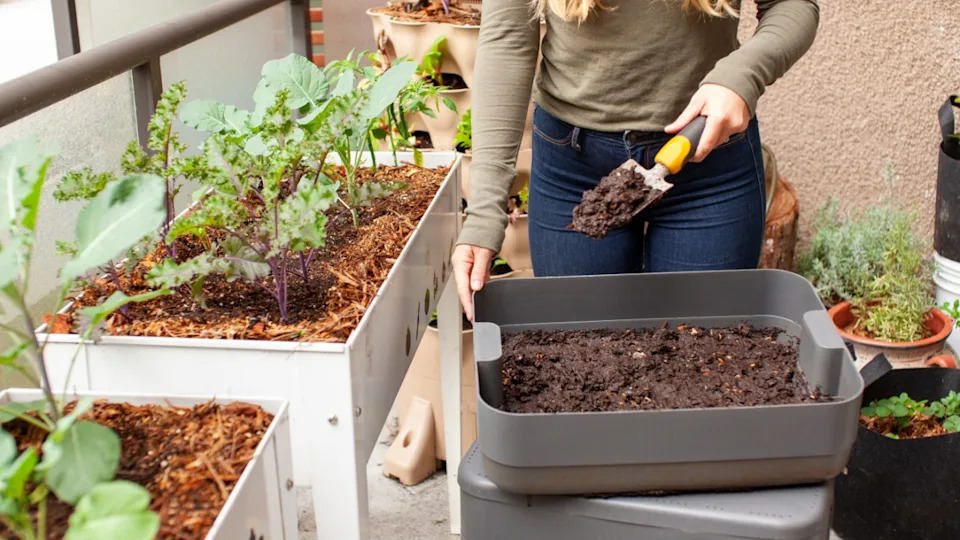
Image Credit: Shutterstock.
A small plot cannot absorb mediocre soil the way a large one can. In a big garden, poor fertility in one area is compensated for by abundance elsewhere. In a 4×4 raised bed, poor soil means poor results, full stop. Mother Earth News recommends building toward loam and refreshing it with organic compost every single year.
For container gardeners, vermicomposting, maintaining a small worm bin that converts kitchen scraps into exceptional fertilizer, is worth considering seriously. According to Joe Gardener, when Mark Ridsdill Smith began adding worm castings to his containers, his plants grew noticeably better and experienced fewer pest and disease issues.
7. Go Vertical With Herbs Using a Spiral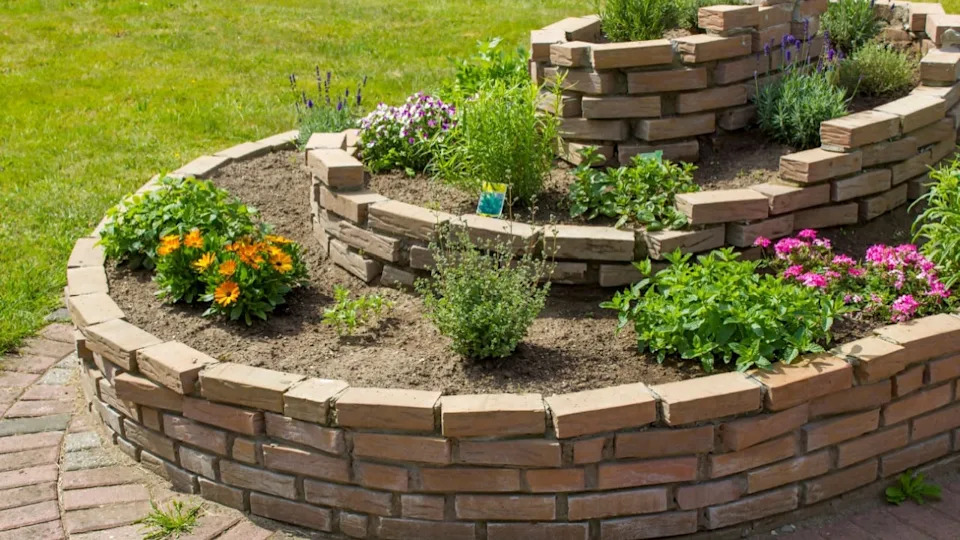
Image Credit: Shutterstock.
The herb spiral is a cottage garden technique that deserves far wider adoption. A gently mounded, tiered planting structure built from stacked stone or reclaimed brick creates distinct microclimates within a single small footprint: drier and sunnier at the top for Mediterranean herbs like lavender and thyme, moister and shadier at the base for parsley and mint. The result is ornamental enough to anchor a patio garden while producing more culinary herbs per square foot than a flat bed three times its size.
Greg Loades, author of The Modern Cottage Garden, writing for Garden Design, describes layered planting as the essential technique for making small spaces feel rich rather than bare.
8. Stack Your Heights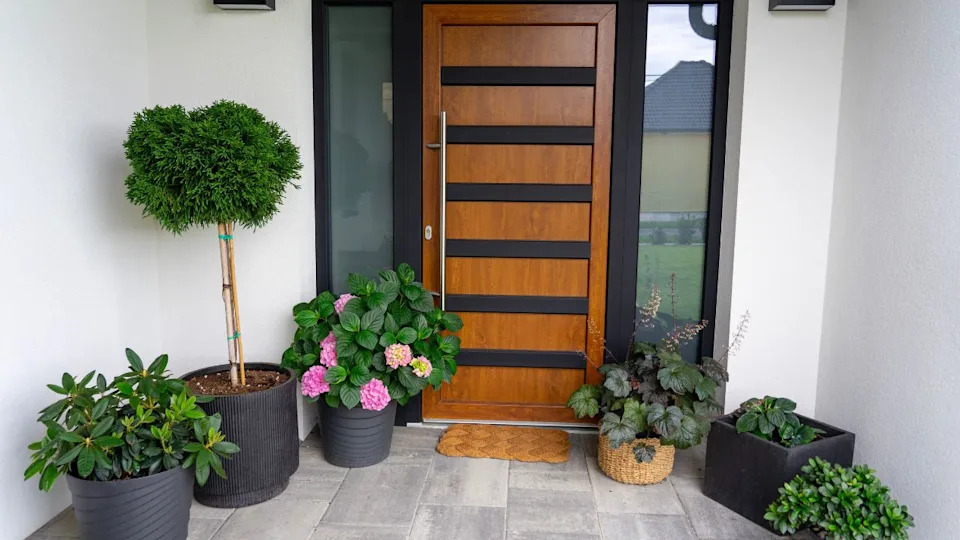
Image Credit: Shutterstock.
A small garden that is all one height looks flat and feels small. A small garden with tall elements, mid-height plantings, and low ground-level sprawl looks deliberately designed and feels much larger than it is. On the balcony of a Houston pied-à-terre, as featured in House Beautiful, designer M. James Design Group achieved this effect by placing tall potted trees alongside low potted shrubs at ground level, with small pots of herbs and flowers on tabletops.
The principle scales down to a single 6-foot patio: one tall structural plant, two mid-height fillers, a trailing element over the edge, and the space reads as composed rather than sparse.
9. Invite the Walls In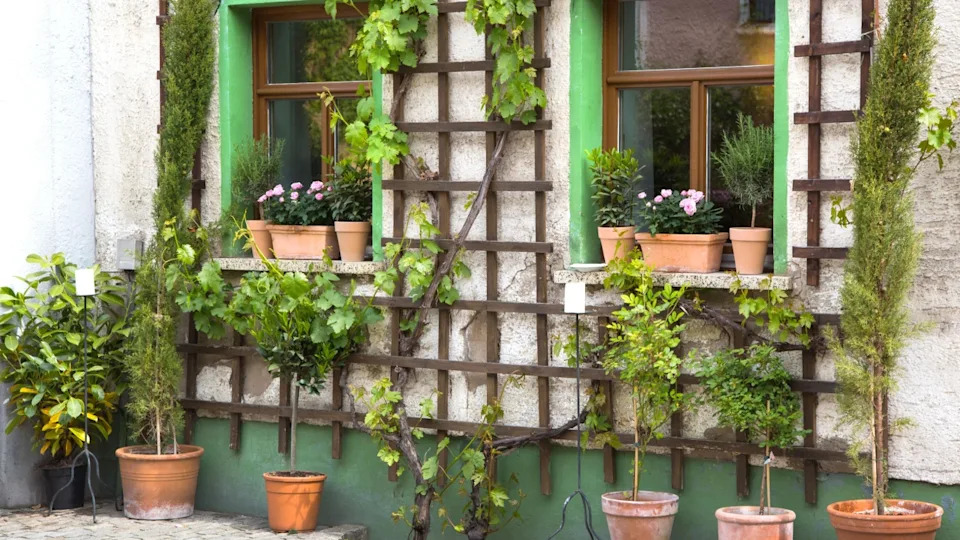
Image Credit: Shutterstock.
Bare vertical surfaces, fences, exterior walls, and railings are unclaimed growing space in most small gardens. Wall-mounted planters, espalier-trained fruit trees, and climbing roses or clematis trained flat against a fence turn dead square footage into a productive and beautiful growing area.
Designer Karen Chapman, writing for Garden Design, notes that versatile elements that serve more than one function are essential for maximizing small spaces; a flowering climber that also creates privacy is doing double duty, which any small-garden designer should welcome.
10. Prioritize a Focal Point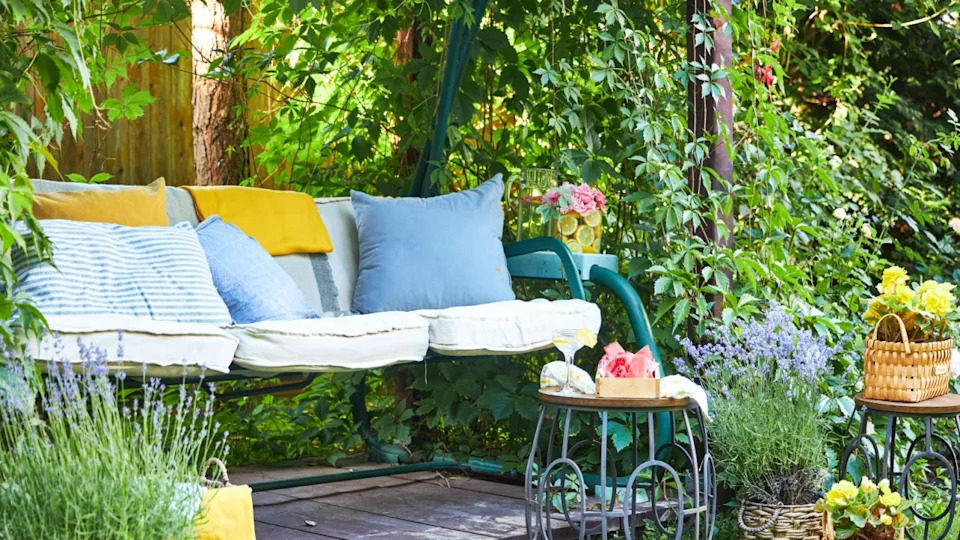
Image Credit: Shutterstock.com
One of the most common mistakes in small gardens is trying to fill every corner with plants, creating visual noise with no resting place for the eye.
A single strong focal point, whether a small water feature, a sculptural urn, a striking specimen plant, or even a beautiful bench, gives the space coherence and makes everything around it feel intentional. A water feature has the added advantage of sound, which makes a small urban garden feel more immersive and private even when neighbors are close.
11. Grow Salad Greens and Fresh Herbs Right Outside the Kitchen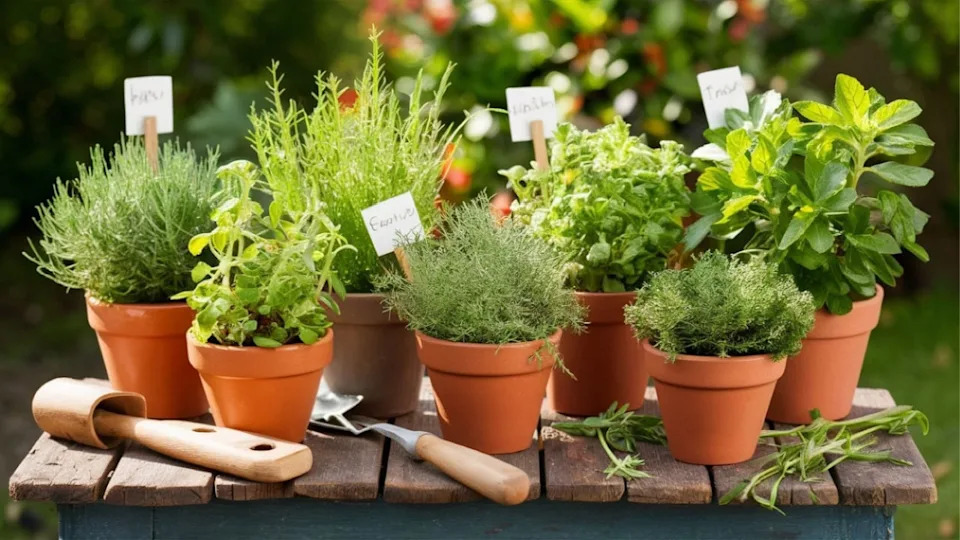
Image Credit: Shutterstock.
Growing salad greens and fresh herbs steps from the kitchen door sounds like a minor convenience; it turns out to change how you cook. When fresh basil, cut-and-come-again lettuce, and a snip of chives are genuinely within arm’s reach, you use them every day rather than buying wilted bunches at the grocery store.
A window box mounted outside a kitchen window, or a single container of mixed greens on a back step, is an entry-level small-space garden that delivers outsized satisfaction and real grocery savings.
12. Use Dwarf Fruit Trees as Anchors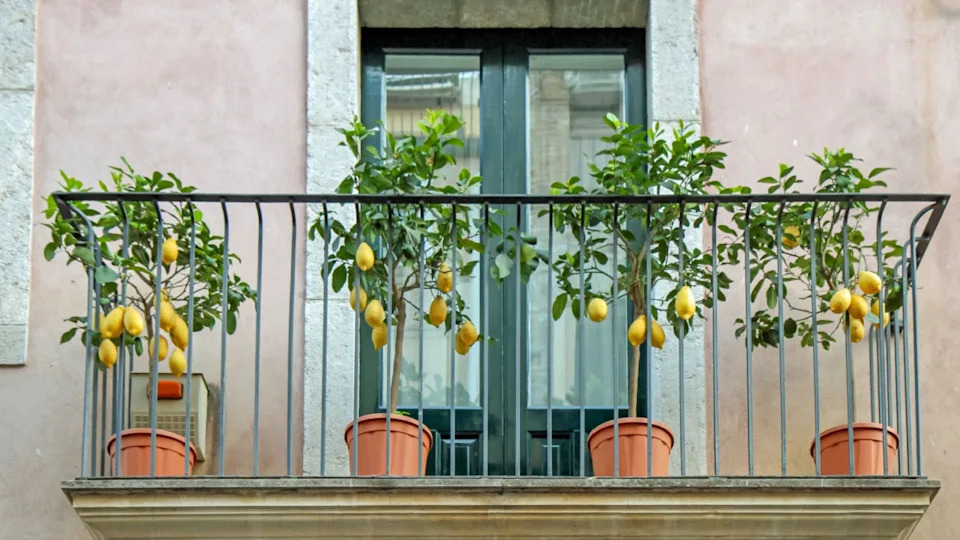
Image Credit: Shutterstock.
Dwarf and semi-dwarf fruit trees bring seasonal bloom, summer foliage, autumn fruit, and winter structure in a footprint small enough for a large container or a narrow border. Even in a city lot, a dwarf apple, a patio cherry, or an espalier-trained pear against a south-facing wall is a realistic and deeply rewarding addition to a small garden.
Penn State Extension notes that south-facing walls act as heat sinks, absorbing warmth during the day and radiating it at night, making them among the most productive planting spots in any small garden.
13. Make It Beautiful, Not Just Productive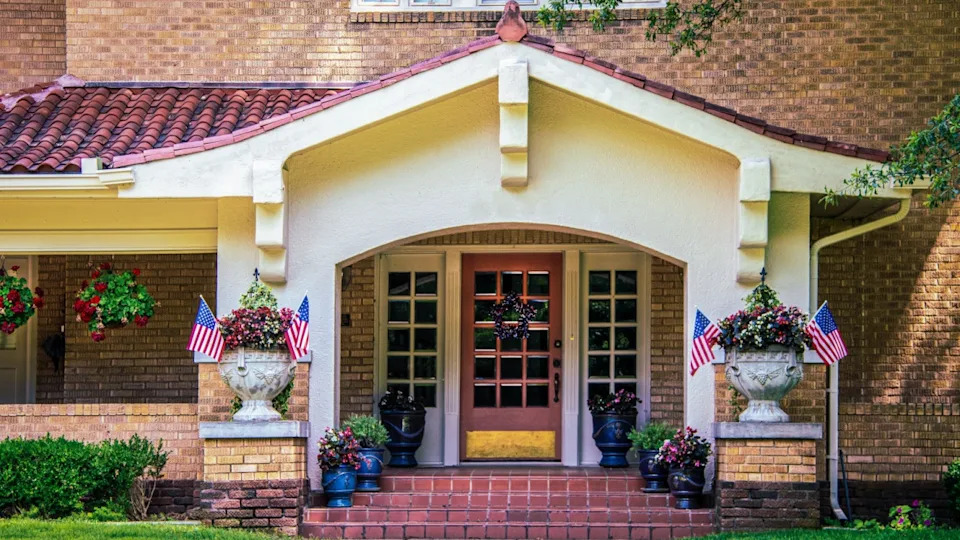
Image Credit: Shutterstock.
The best small gardens share one quality: they look designed. That means a repeated color palette, a mix of textures, at least one statement piece, and an honest reckoning with what the space is actually for. Every experienced small-space gardener eventually arrives at the same conclusion: fewer, better-chosen plants, grown with genuine attention, outperform a crowded collection of impulse purchases every time.
Greg Loades, author of The Modern Cottage Garden, writes from experience in Garden Design that the most common beginner error is planting too densely in year one and discovering the consequences in year two. The discipline of a small garden is a gift: it forces you to prioritize, and the plants you keep earn your full attention in return.
Small Garden, Grand Presence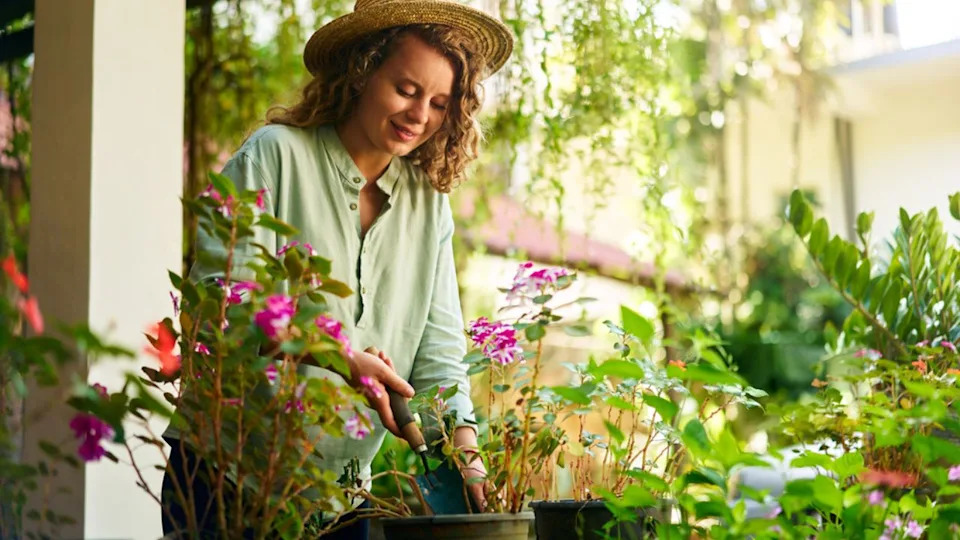
Image Credit: Depositphotos.com.
Your garden doesn’t need to be grand to be genuinely great. A single raised bed, a sun-drenched balcony railing, a cluster of containers outside the back door: these are not substitutes for a real garden. They are a real garden, and what you do inside those limits is entirely up to you. Start with one good idea from this list. Give it your full attention. The rest tends to follow.
Read More
Plant these 10 companion plants with your tomatoes — and stop planting these 4
13 Plants That Grow Better (and Faster) Hydroponically — and Why March Is the Perfect Time to Start
Comments are closed.