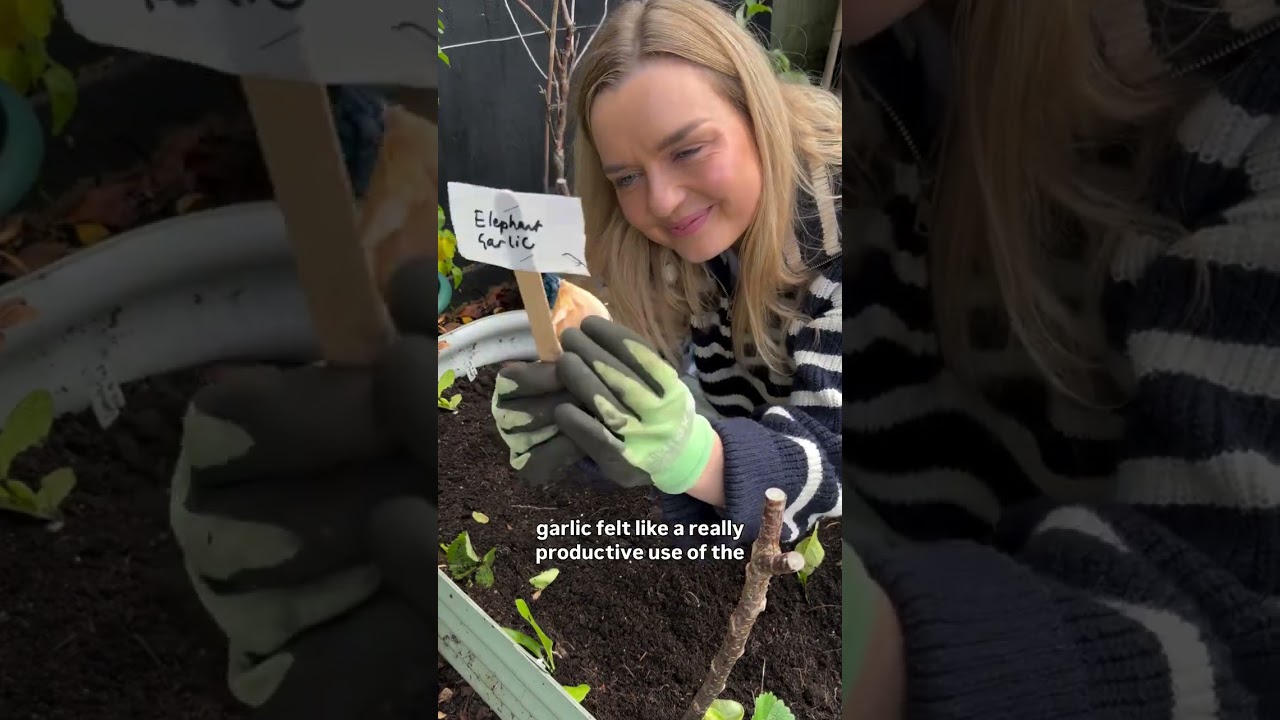
I’m not a professional gardener or horticulturally trained: I learn by experience: celebrating the little wins, and trying to figure out why the fails happened! I’ve always promised to share my honest gardening journey with you, so here is exactly what went down with the raised beds in Year One. ✅ WHAT WORKED WELL 1. The hügelkultur method: A total game-changer. It was sustainable, affordable, and kept the soil incredibly rich so my crops could thrive. 2. Natural weed suppression: Using cardboard and bark chippings meant less time weeding and more time growing. 3. Growing vertically: Using old obelisks helped me maximise every inch of space. 4. Companion planting: This was key for deterring pests and boosting yields naturally. 5. Succession sowing and relay cropping: this meant I had food to pick every single week through spring, summer, and autumn. 6. Winter productivity: I loved that the beds never sat empty; keeping them busy even over winter with onions and garlic. ❌ WHAT DIDN’T WORK SO WELL 1. The summer heatwave: It really was brutal! I completely underestimated the sun’s impact, and watching my crops bolt under the strain was a huge learning curve. 2. The root veg ‘guessing game’: Knowing exactly when to harvest is so much harder than picking a tomato! 3. Over-planting: I grew too much variety. I’ve realised it’s better to prioritize more of what we actually eat. 🌱 WHAT I’M DOING DIFFERENTLY FOR YEAR TWO: 1. Plant for the sunshine: Focussing on heat-loving plants like outdoor tomatoes to lean into those warmer spells. 2. Focussing on the faves: Reducing the number of crops but growing more varieties of our absolute favourites. 3. Planting for the winter hunger gap: Growing even smarter to aim for harvests in all four seasons. As we know, in gardening, the learning never stops: here’s to a bigger, better Year Two! 🍅 #VegetableGarden #RaisedBedGardening #GrowYourOwn #KitchenGarden #GardenLessons

4 Comments
Here in Chicago we have a lot of seasonal extremes. So we like to grow cold-weather crops like spinach, radishes, and lettuces in the spring and fall, and then heat-loving crops like tomatoes and peppers in the summer. Thank you for posting the ups and the downs too. Beautiful garden!
Love it thank you 💗
So happy that you’re happy! Keep growing! 🌱
You can reuse the stalks of the sunflowers for trellising.