
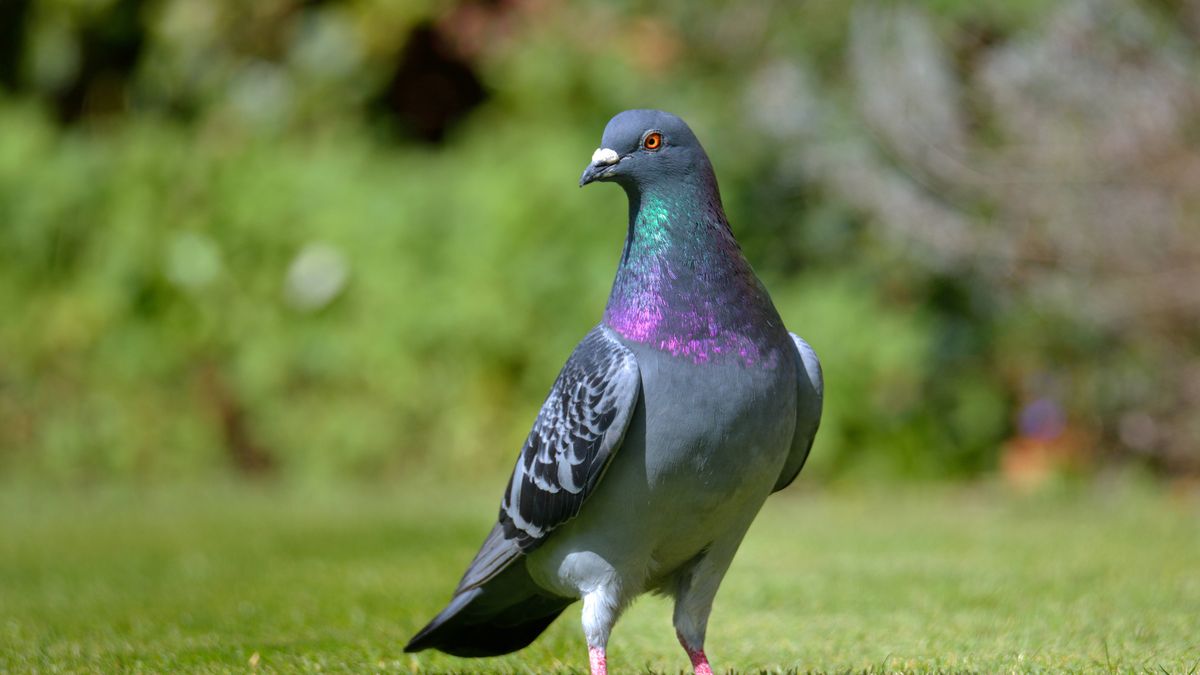
Avoiding pigeons is no easy feat
Pigeons can be tricky to get rid of as they will not be scared off by loud noises like other birds (Image: DESPITE STRAIGHT LINES (Paul Williams) via Getty Images)
While pigeons are largely harmless creatures, they can prove to be a significant headache for gardeners. As sociable birds that move in flocks, they have a tendency to peck at any plants they come across. Come springtime, pigeons are notorious for tearing up gardens in search of seeds, and any flowers or crops they spare can be spoiled by their droppings.
Their considerable size means they frequently bully smaller, more welcome garden visitors such as robins, blackbirds, and goldfinches, deterring them from the area altogether. Ridding your garden of pigeons is no easy feat, as they are well-accustomed to human presence and largely unfazed by typical bird deterrents such as noise machines or ultraviolet devices.
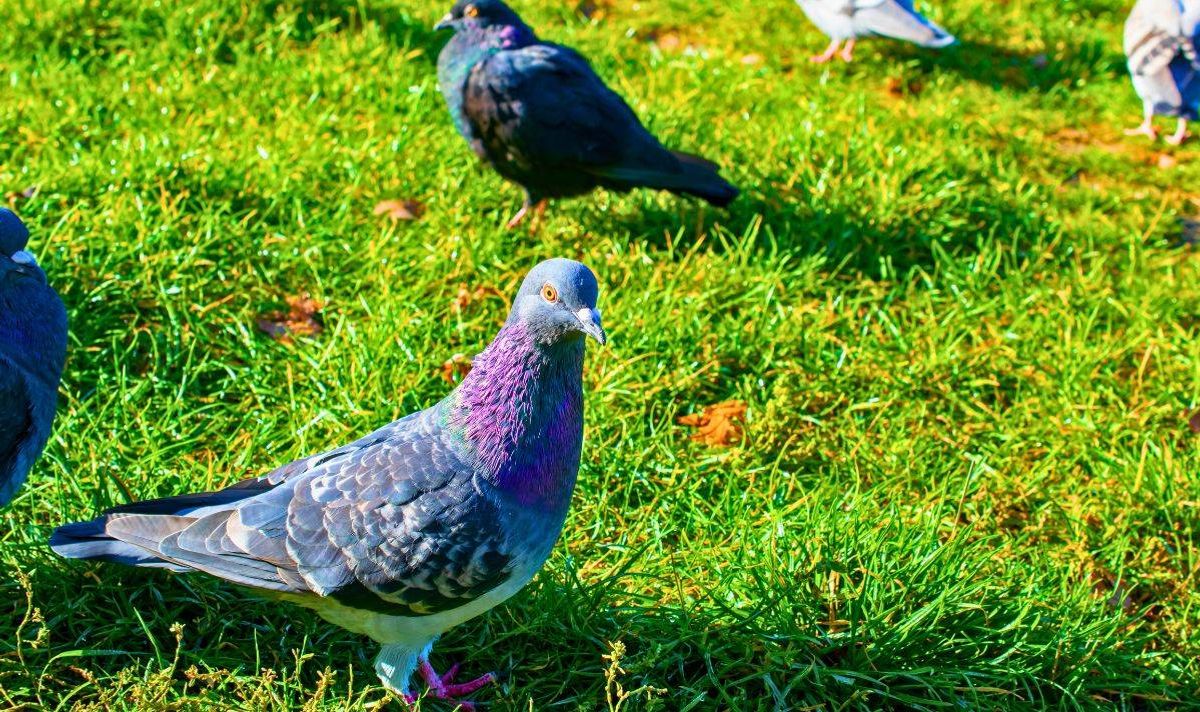
Pigeons travel in groups which is why they can be so destructive to gardens(Image: Getty)
However, Gemma Sharp from Garden Wildlife Direct has revealed that the most straightforward solution is simply to stop leaving out food that pigeons particularly favour.
Gemma said: “Bird food is a main attraction to pigeons and, as ‘bully birds’, they won’t play nicely with others that try to visit your feeder once they’ve claimed it. Naturally, this will drive away the exciting garden birds that you want to see.”
“Wheat-free foods deter pigeons and other larger birds like pheasants, whereas mixes which are seed-dense ensure smaller birds get a chance to eat. Other foods pigeons don’t like include peanuts in the shell, suet and mealworms.”

Anyone with a garden can deter pigeons if they stop leaving a common item outside(Image: Getty)
Why should you never leave bread out for birds?
Altering the bird food you put out is amongst the most underestimated methods for keeping pigeons at bay, yet it proves remarkably successful, as these birds typically arrive in gardens after spotting bread or leftover scraps, reports the Express.
Pigeons venture into gardens primarily in search of readily available food, and historically would feast on wheat and barley cultivated by humans.
These birds have evolved to view wheat as a dependable food source, which explains why you should avoid leaving out bread or inexpensive bird seed containing corn in your garden, as this will simply draw them in.
Nevertheless, most smaller garden birds aren’t particularly interested in grains, preferring instead fatty foods and insects that hold less appeal for pigeons.
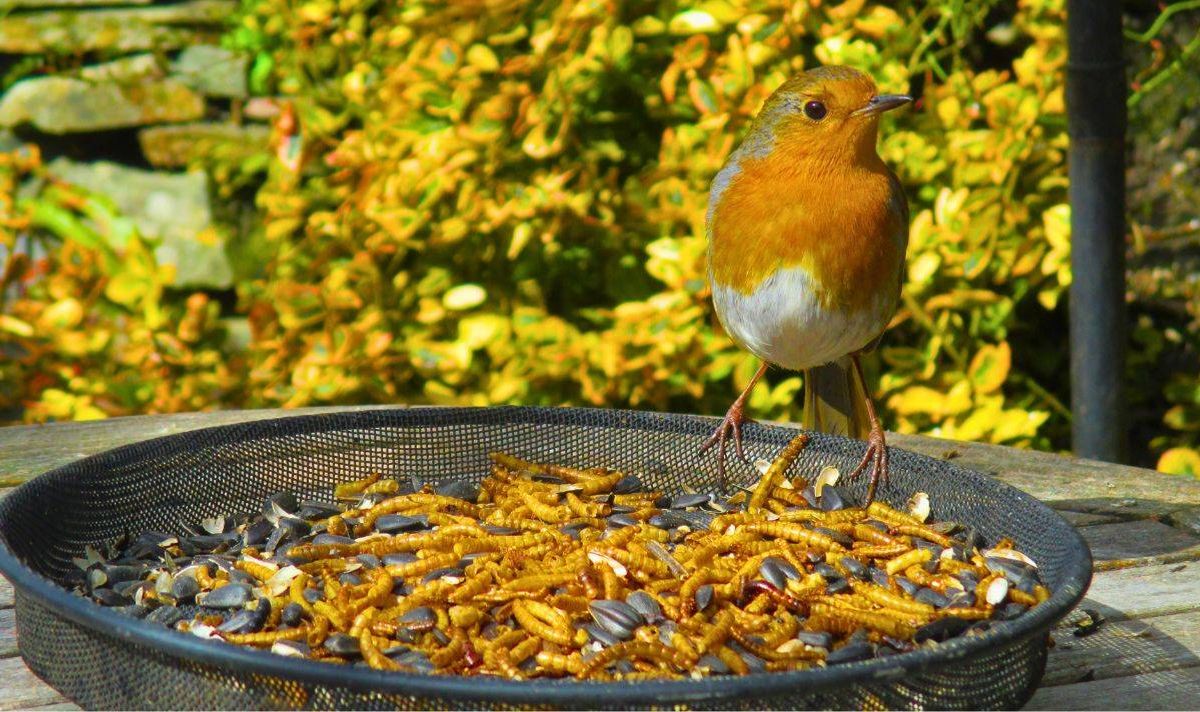
An effective way to deter pigeons is to place fatty seeds and mealworms in a birdfeeder instead(Image: Getty)
By providing sunflower seeds, nyjer seeds, crushed peanuts or mealworms, you significantly reduce pigeons’ incentive to visit your garden, making them far less likely to approach bird feeders.
What other strategies can help keep pigeons away from your garden?
Pigeons lack agility, making it worthwhile to invest in caged or weight-sensitive bird feeders that they simply cannot access.
It’s also important to remember that pigeons feed at ground level, so clearing away any scattered seeds beneath feeders and placing protective netting around cherished plants will help discourage them.
When pigeons struggle to locate an easy meal, they’ll swiftly relocate elsewhere, and this approach simultaneously helps maintain visits from other small birds to your garden.
Comments are closed.