
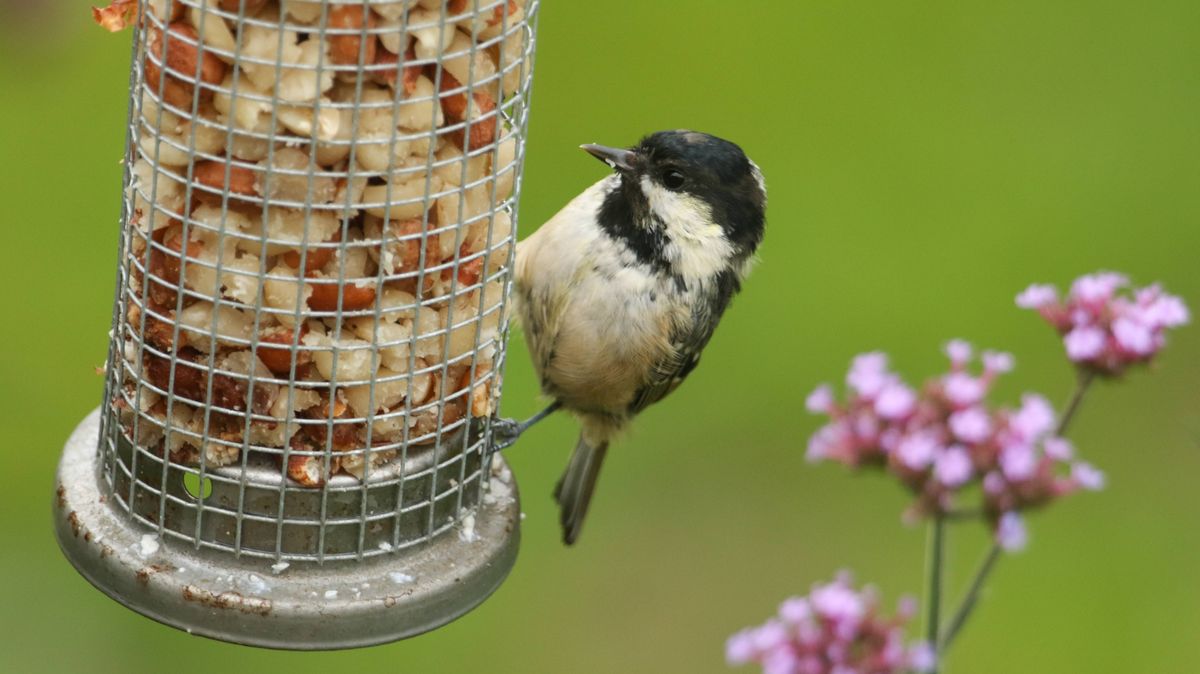
One mistake can seriously harm birds.
Mia O’Hare Showbiz Reporter
15:33, 31 Mar 2026
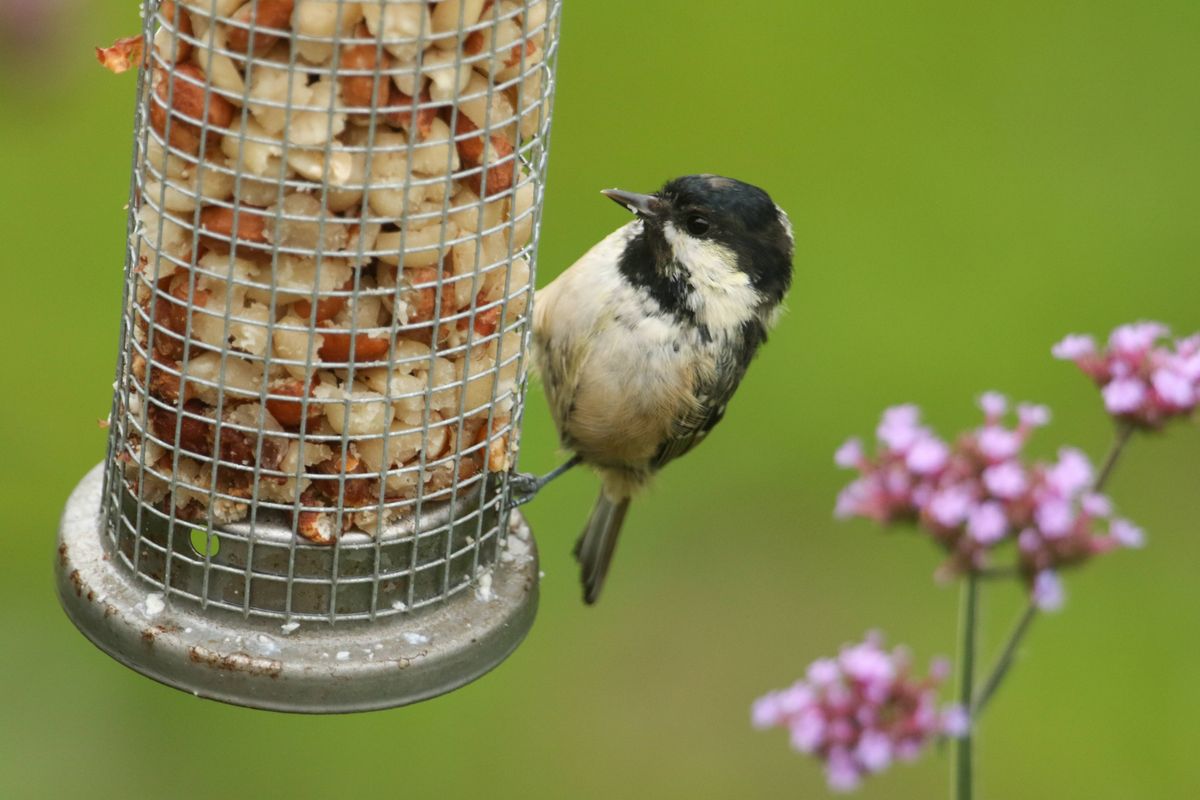
Many gardeners feed birds(Image: sandra standbridge via Getty Images)
Households feeding birds have been cautioned against making a mistake that could endanger wildlife. Many assume they’re doing a kind act by feeding birds.
It’s delightful to see the various species that visit our gardens. There’s also plenty of feeding options, including seeds, fruit, mealworms, and fat balls.
However, horticulturist David Domoney has urged gardeners to exercise caution regarding a viral trend. Numerous videos have emerged on social media platforms encouraging people to make their own fat balls for birds.
David has cautioned that some of these videos promote techniques that could potentially harm the birds. He said: “Warning, be careful. There are some things on social media that can actually harm the birds in your garden.”
The gardening expert explained that feeding birds fat balls is a “great” thing to do, particularly if they’re purchased from a garden centre, reports the Mirror.
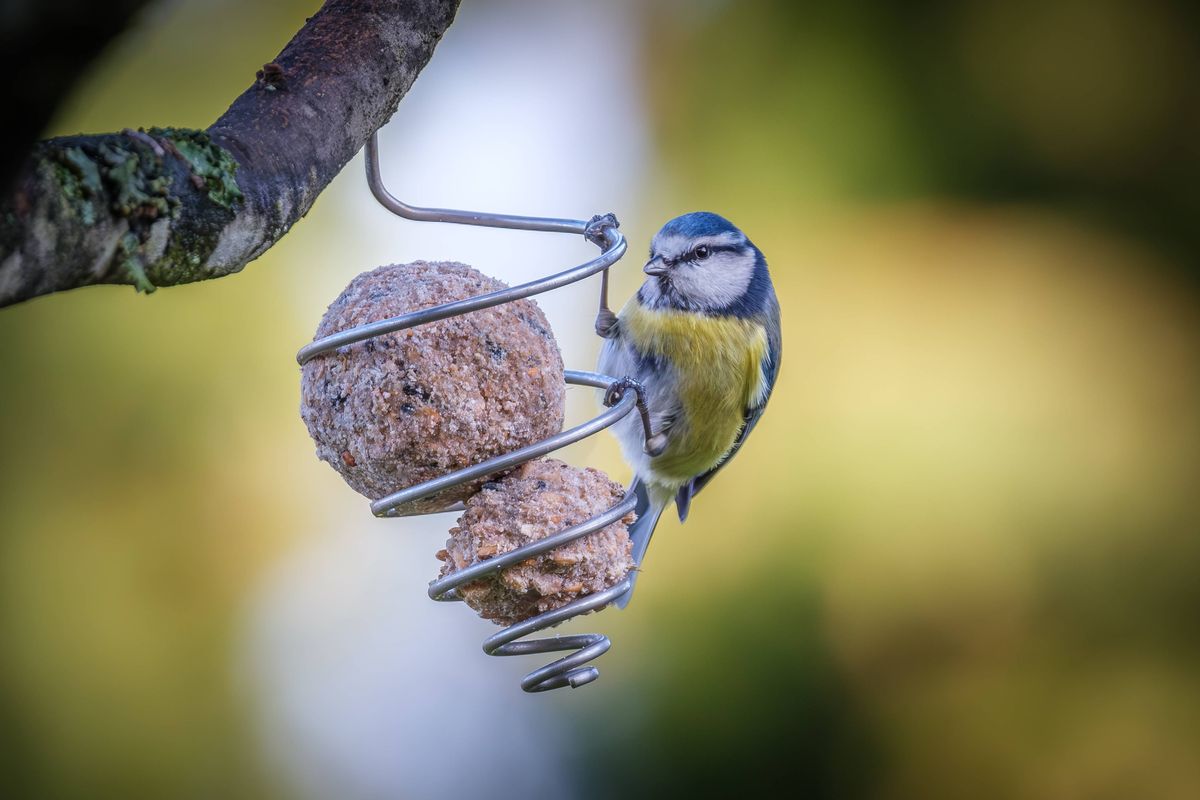
Homemade fat balls can be dangerous(Image: joningall via Getty Images)
However, David cautioned: “If you have made your own, it’s not so good as they are recommending using butter, using fat from the end of a fryer that’s dirty and salty, using coconut oil.
“Not only does it upset the bird’s stomach, but when they are preening, it also affects the oils in their feathers as well.”
David emphasised: “Definitely do not follow that advic on social media.”
If you’re still keen to make fat balls at home, David advises you must use pure lard. He went on to say: “Not everything you see on social media is safe advice. When it comes to feeding birds, using the wrong fats can seriously affect their health.
“All of these can upset their stomachs and even interfere with the natural oils in their feathers when preening, affecting insulation and their flight. Please, no butter, no leftover fryer fat and no coconut oil.”
Content cannot be displayed without consent
As an RSPB ambassador, he expressed that it has been “disheartening” to witness harmful methods being propagated on social media.
David also highlighted that gardeners can assist birds in numerous other ways. He recommended providing fresh, clean water daily, regularly cleaning feeders and positioning feeders safely away from predators.
Many of David’s followers appreciated his advice, though some were unaware of the potential dangers. One responded: “Fantastic advice.”
Another chimed in: “I make my own with pure lard and they love them.” A different follower remarked: “Thanks, I’ve always made mine with bacon fat.”
David replied to them: “I’m glad you found this helpful. The RSPB recommends steering clear of greasy, runny fats because they can coat feathers and affect waterproofing. They can soften quickly when it warms up, so a firmer mix is safer.”
Comments are closed.