
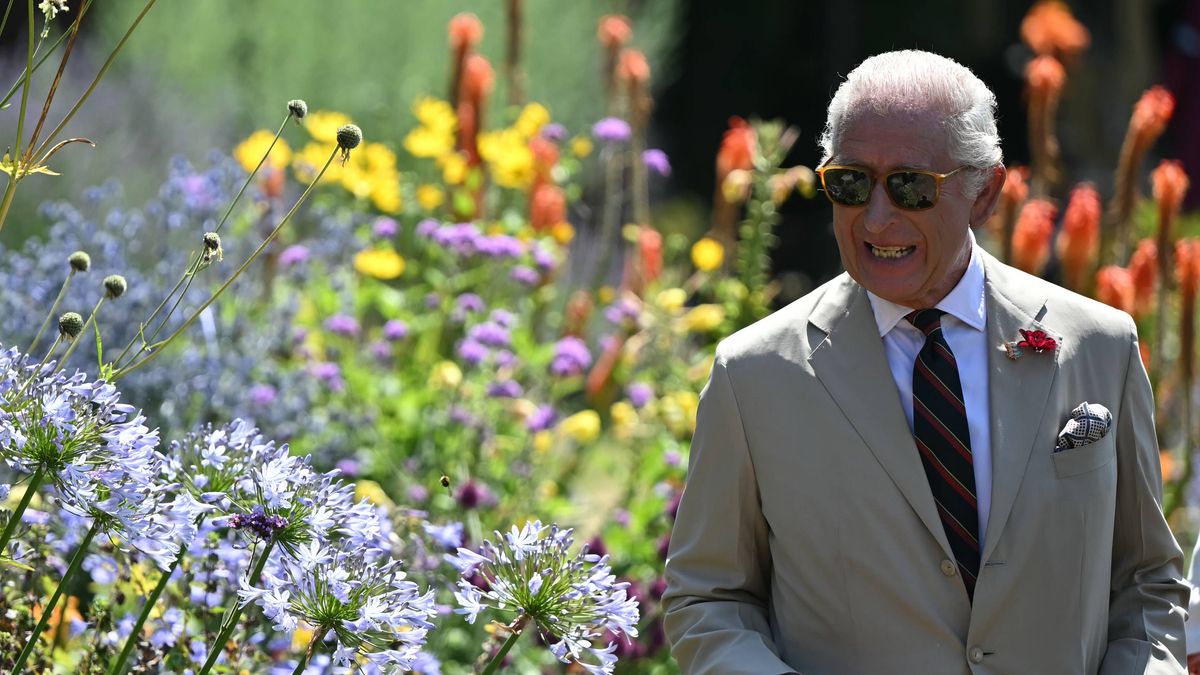
For over 20 years, Jack Stooks was senior gardener at Highgrove, King Charles III’s private residence, and he has shared expert tips to make gardens irresistible to homebuyers and increase property value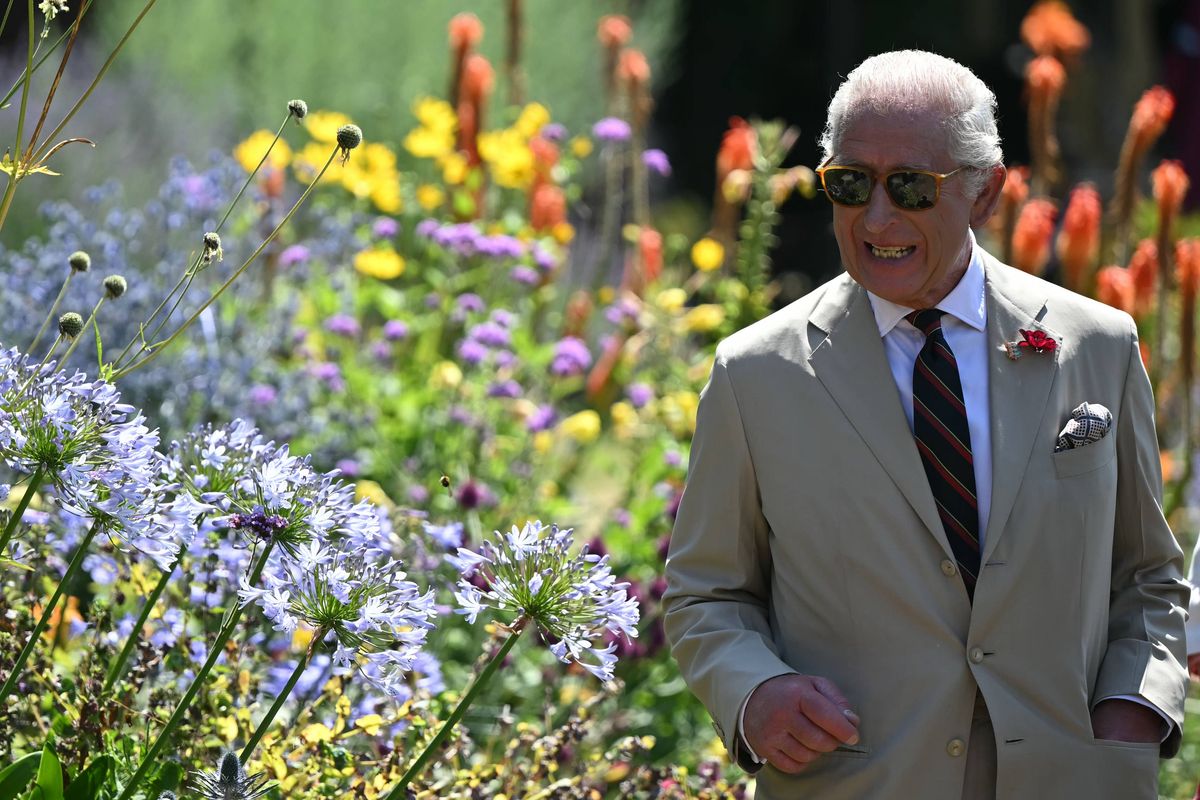
The King has devoted years to his garden at Highgrove(Image: WPA Pool, Getty Images)
For more than two decades, Jack Stooks served as senior gardener at Highgrove, King Charles III’s private country estate located just southwest of Tetbury in Gloucestershire. The Georgian neo-classical property, set within 900 acres, was acquired by the Duchy of Cornwall in 1980 for £865,000 and is now valued at approximately £30million.
While it’s extremely improbable that His Majesty would ever part with his cherished Highgrove, naturally, if he were to do so the immaculately maintained grounds would unquestionably boost the asking price considerably. Jack has now revealed his expert advice for creating a garden that’s irresistible to potential buyers, and has highlighted several common pitfalls to steer clear of.
Decking
“Adding decking is a great thing to do if you can. But DIY decking can be quite problematic,” Jack, speaking on behalf of Savoo, said.
“When it isn’t done properly, it’s going to look bad and decrease the value of your home definitely. But if it’s done really well with anti-slip decking, especially in the winter, then it’s a really good move to make.”
“In winter, it’s really important that you have things in place to ensure people don’t slip and it will make a real difference with competing houses on the market. They’re more likely to go for a house that is safe. Make sure you pressure wash it and keep it as clean and tidy as you can. Even when an anti-slip decking gets wet or damp, you will find moss will start to grow, and that can become slippery.”
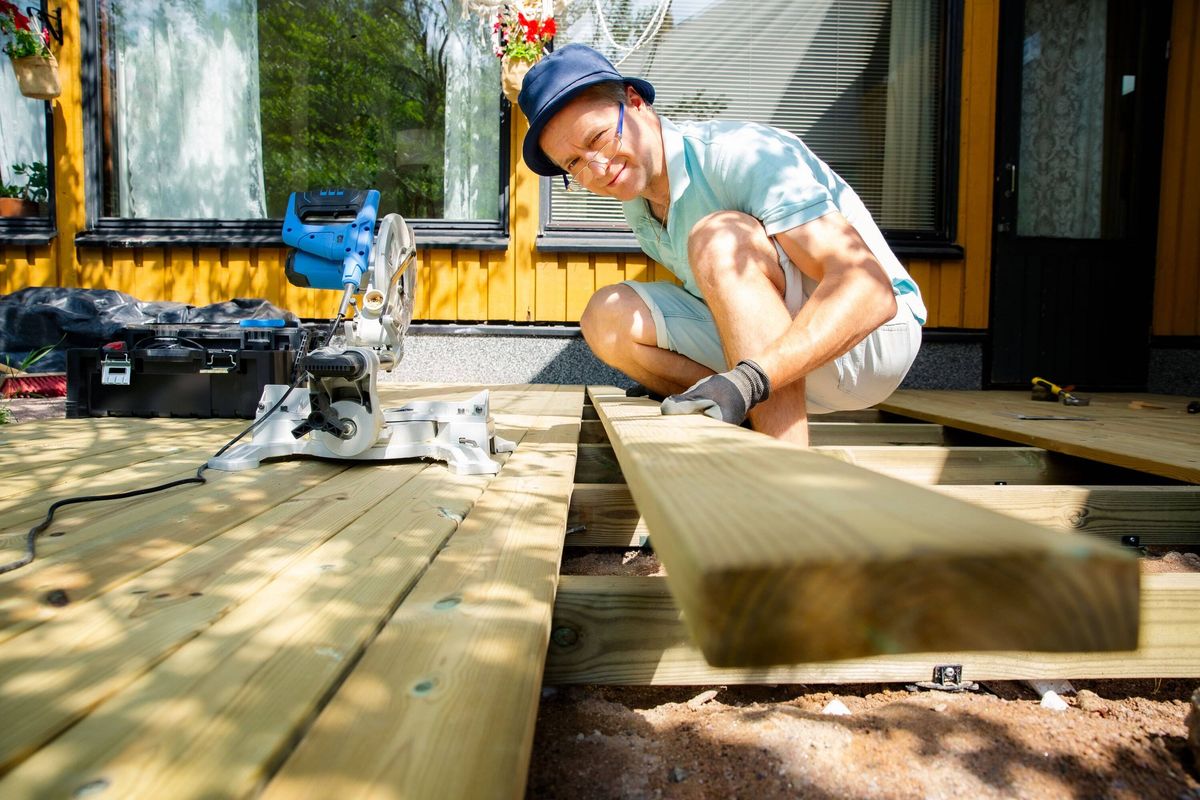
Laying your own decking can be successful – but not always! [stock image](Image: Getty)
Keep patios subtle
Jack recommends: “If you want to decorate the area so it looks new and fresh, I would be less inclined to use bright colours for this. I would opt for neutral tones and colours, it needs to fit in with anybody’s style.
“They need to be able to see themselves living there, so stay away from anything too out there. It also looks way more attractive with subtle colour, as the plants and flowers can give that boost of colour. Even when it comes to gravel, make sure it’s a natural stone colour as well as any wood that is on show.”
Keep it minimal…
Jack explains that addressing obvious garden issues, particularly weeds, will help prospective buyers view the outdoor space as a bonus rather than a burden: “First impressions matter, and buyers want to see potential rather than a long to-do list. Make sure to clear away the weeds, tidy up your borders, and cut everything back, so the garden feels fresh and well cared for.”
He emphasises: “Avoid high-maintenance planting that could mean hard work ahead, such as roses. Yes, they look beautiful, but they can feel demanding and are a lot of work to maintain.
“Even a small lawn can make a garden feel bigger if it’s open-plan and well-maintained. Overfilling the space can look a little chaotic, so strip things back and keep the layout simple.”
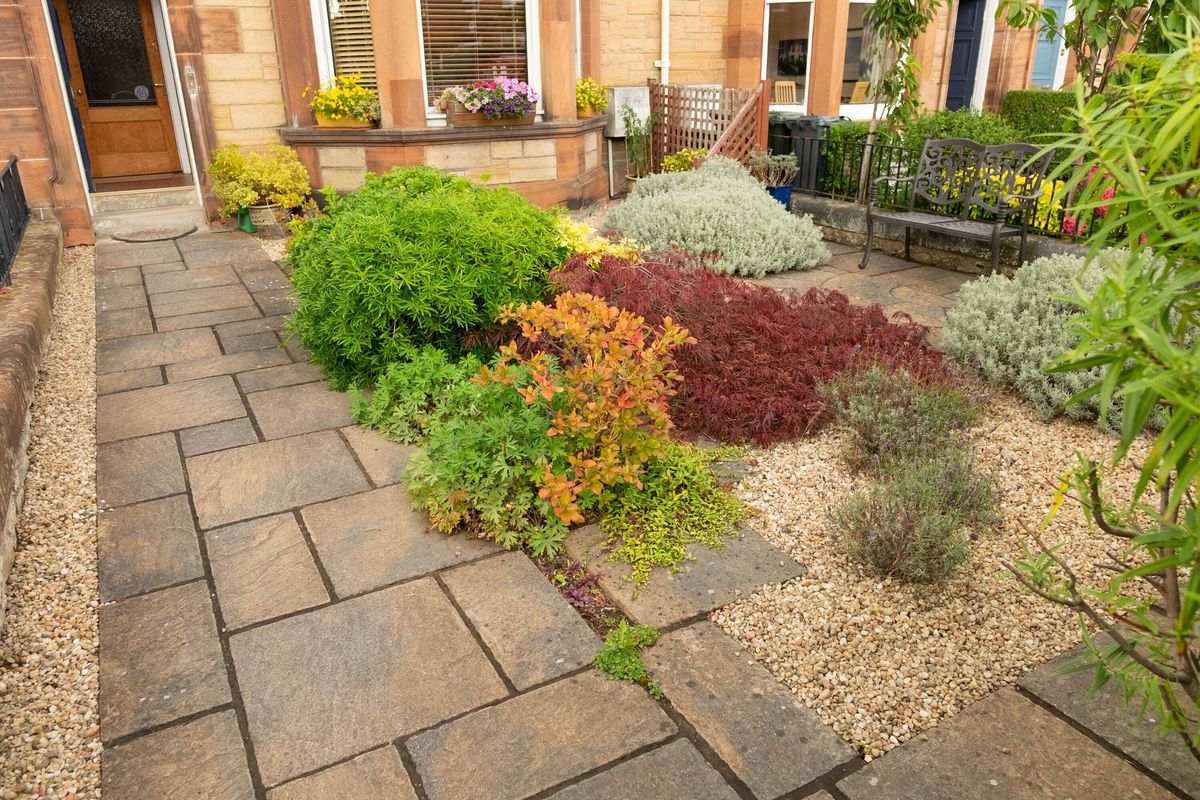
The trick with small gardens is to keep them simple [stock image](Image: Getty)
…and keep it simple
Elaborate garden features might suit properties the scale of Highgrove, but for those of us with more modest homes, a different approach works best. He added: “In smaller gardens, less is definitely more, and I would stick to that mindset. You don’t want to overcomplicate this.
“Having a clean stone paving or a simple terrace works beautifully and makes the space feel more usable for potential buyers. They can then introduce their own pots and greenery, personalising the space to suit them once they’ve decided what they want to do with the space.”
Storage adds value
Just like inside the property, having somewhere to store items neatly is crucial not just for viewings, but to demonstrate to purchasers they won’t face immediate additional costs after moving in: “A shed can be a huge selling point for a lot of people. It’s a place for your gardening tools, so it will avoid clutter building up.
“You can get them in a choice of sizes to suit the space, and you can even use them as a way to add a pop of colour by painting them. Larger sheds or outhouses are well worth the investment too, as people may see them as a potential office space or even a home gym!”
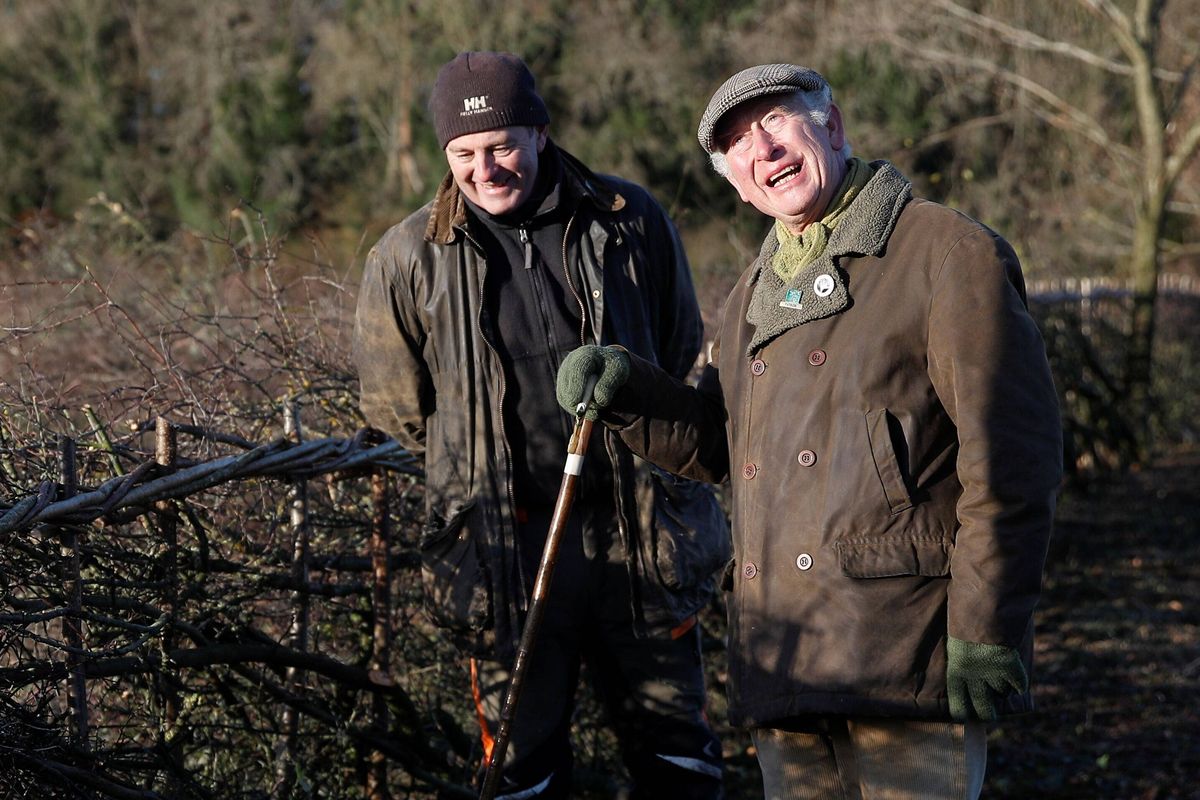
The King laying out a hedge at Highgrove(Image: Getty)
Privacy matters
Protecting your privacy isn’t exclusively for royalty, Jack explains, though hedges trump fencing. He stated: “Privacy is incredibly important to buyers, especially if neighbouring properties overlook the garden. Tall fences or walls can help, but hedging often offers a softer and more affordable solution.
“Evergreen hedges, like yew, are timeless, provide year-round colour and even help reduce noise.”
Add a striking focal point
“A single standout feature can really transform a garden,” Jack continued. “Topiary pieces work beautifully as visual focal points and give the garden personality. Once shaped, they become a living piece of artwork and a great talking point. for guests. I find that Yew is ideal for topiary thanks to its structure and longevity.”
Comments are closed.